
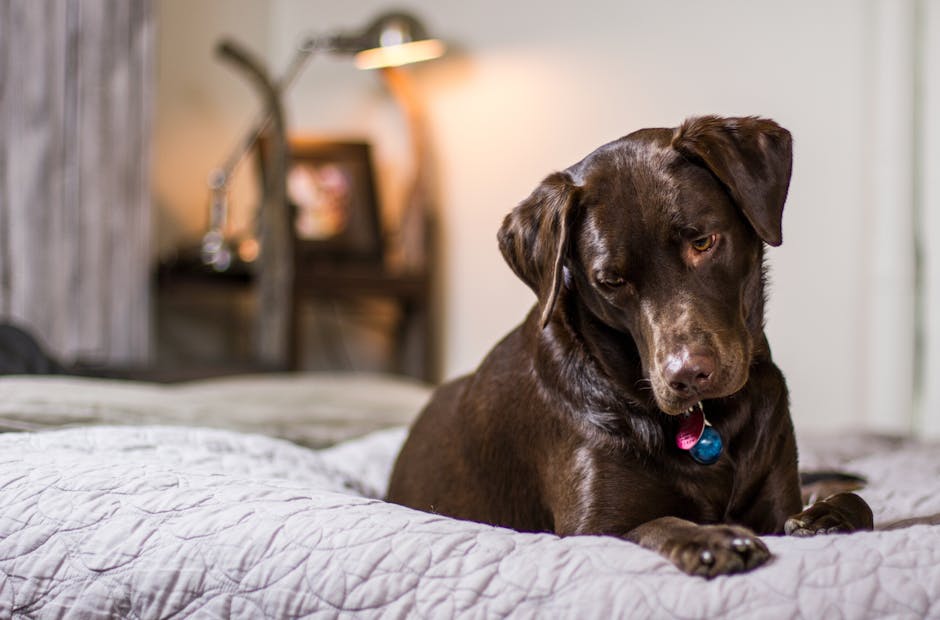

My Golden Retriever, Duke, used to sprawl out on the kitchen tile every summer like he was melting into the floor. I’d find him there at 2 AM, having abandoned his expensive memory foam bed for the cool of the linoleum. That’s when I realized — dogs aren’t being dramatic about the heat. They’re problem-solving.
If your dog does the same thing, a cooling dog bed can make a real difference. Not just for comfort, but for safety. Dogs can’t sweat like we do. They pant, they seek cool surfaces, and they rely on us to figure out the rest. After testing different cooling beds across three summers with my own dogs and several fosters, I’ve got strong opinions about what actually works and what’s marketing fluff.
Here’s the thing most people don’t realize: the best cooling dog bed depends entirely on where your dog sleeps and what breed they are. A gel mat that’s perfect for a Pug lounging in your living room would be useless for a Lab who lives for the backyard. So let’s break this down properly.
How Cooling Dog Beds Work
Not all cooling beds use the same technology, and the differences matter more than you’d think. There are three main approaches, each with real trade-offs.
Elevated Airflow Designs
These are the simplest concept — get your dog off the ground and let air circulate underneath. Elevated beds use a fabric mesh stretched across a metal or plastic frame, usually sitting 4-8 inches off the floor.
The fabric is typically HDPE (high-density polyethylene), which doesn’t absorb heat the way cotton or polyester does. Air flows beneath and through the mesh, creating passive cooling without any gel, water, or electricity. Coolaroo popularized this design, and for good reason. It works.
The cooling effect is modest compared to gel options — maybe 5-8 degrees cooler than the surrounding ground temperature. But it’s consistent. There’s no “recharge” time, no gel that eventually warms up. As long as there’s air moving, it’s working.
Gel-Infused Memory Foam
This is where things get interesting. Some beds embed cooling gel directly into memory foam, creating a surface that absorbs and disperses heat. The gel pulls warmth away from your dog’s body and spreads it across the bed’s surface area.
The upside? Your dog gets joint support AND cooling in one package. The downside? The cooling is finite. Once the gel absorbs enough heat, it reaches equilibrium and stops feeling cool. Most gel-infused beds stay noticeably cool for 2-4 hours of continuous use before they need time to dissipate that heat.
I find these work best in air-conditioned homes where the ambient temperature helps the gel reset faster. In a hot garage? Not so much.
Pressure-Activated Cooling Pads
These are the standalone mats you can place on any surface — inside a crate, on top of an existing bed, or directly on the floor. They contain a gel that activates when your dog lies down, absorbing body heat on contact.
No electricity, no water, no freezing required. The gel recharges itself when your dog gets up. Most good ones provide 3-4 hours of active cooling per session, which is plenty since dogs naturally shift positions throughout the day.
They’re the most versatile option, but they’re also the most vulnerable to punctures. One determined chewer and you’ve got gel everywhere. Ask me how I know.
Which Cooling Type Is Best for Your Dog
Elevated Cots for Outdoor Use
If your dog spends significant time outside — on a patio, in the garage, or under a covered porch — an elevated cot is the clear winner. They’re weather-resistant, easy to clean (just hose them off), and they keep your dog away from hot concrete or deck surfaces.
Big dogs especially benefit. A 90-pound dog lying flat on concrete in July is absorbing heat from below AND above. Elevating them even 7 inches creates a meaningful temperature difference.
Elevated beds also handle dirt and moisture way better than foam or gel alternatives. My Border Collie would come in from the yard soaking wet and muddy. An elevated bed dries in an hour. A foam bed? That’s a three-day project.
Gel Mats for Indoor Comfort
For dogs who spend most of their time inside, particularly brachycephalic breeds like Pugs, Bulldogs, and Boston Terriers, a pressure-activated gel mat is incredibly effective. These flat-faced breeds overheat faster than others because their shortened airways make panting less efficient. They need every advantage.
Gel mats work well in crates too. You can’t fit an elevated bed in most crates, but a gel mat drops right in. I’ve used them for foster dogs who needed crate rest post-surgery during summer months — total game-changer.
One important note: gel mats placed on tile or hardwood floors cool more effectively than those placed on carpet. The hard surface acts as a heat sink, pulling warmth away from the mat’s underside.
Cooling Foam for Senior Dogs With Joint Pain
Older dogs with arthritis or hip dysplasia need cushioning AND cooling. That’s where gel-infused orthopedic beds shine. A senior dog who’s already reluctant to move doesn’t need the slight instability of an elevated cot. They need something they can sink into that also keeps them comfortable temperature-wise.
I watched a friend’s 12-year-old German Shepherd go from avoiding his bed entirely in summer to sleeping through the night once they switched to a cooling orthopedic option. The combination of pressure relief and temperature regulation made that big of a difference.
Top 7 Cooling Dog Beds
Here’s a quick comparison before we dig into each one:
| Bed | Type | Best For | Sizes | Price Range |
|---|---|---|---|---|
| Coolaroo Elevated | Elevated mesh | Outdoor use | S, M, L, XL | $25-55 |
| Green Pet Shop Mat | Gel pad | Indoor/crate | S, M, L, XL | $20-50 |
| K&H Cool Bed III | Water-based | All-day cooling | S, M, L | $30-60 |
| Furhaven Cooling Gel | Gel + foam | Senior dogs | S, M, L, XL, XXL | $35-80 |
| Frisco Elevated | Elevated mesh | Budget outdoor | S, M, L | $20-40 |
| Arf Pets Self-Cooling | Gel pad | Travel/versatility | S, M, L | $20-45 |
| PetFusion Blanket | Cooling fabric | Furniture/car | One size | $30-40 |
Coolaroo Elevated Pet Bed (Best Elevated)
This is the gold standard for elevated cooling dog beds, and it’s earned that reputation. The breathable HDPE fabric resists mold, mites, and odors. The steel frame is powder-coated to resist rust. And the fabric is replaceable — you can buy just the mesh when it eventually sags, which saves you from replacing the whole bed.
Coolaroo offers four sizes, with the large supporting dogs up to 100 pounds. I’ve had one on my covered porch for two summers straight. Still going strong, though I did replace the fabric once after Duke decided the corner was a chew toy.
Where it falls short: No cushioning whatsoever. Dogs with joint issues may need a pad on top, which partially defeats the airflow purpose.
The Green Pet Shop Cooling Mat (Best Gel Mat)
This pressure-activated gel mat is about as straightforward as cooling gets. Your dog lies down, the gel activates, body heat transfers into the mat. No plugging in, no filling with water. It recharges in about 15-20 minutes after your dog gets up.
The large size measures 35 x 23 inches, which fits most medium to large dogs comfortably. I’ve used these inside crates for foster Bulldogs, and they visibly relaxed within minutes of lying down.
The catch: not chew-proof. At all. If your dog is a scratcher or chewer, this won’t last a week. The gel is non-toxic, but cleaning it up is miserable.
K&H Pet Products Cool Bed III
This one’s different — it uses water. You fill the inner core, and the water absorbs and dissipates heat. It sounds old-school, but it actually provides the longest-lasting cooling of any option here. Water has a much higher heat capacity than gel, so it stays cool for significantly longer stretches.
The trade-off is weight and portability. A filled large Cool Bed weighs close to 15 pounds. You’re not casually moving this around the house. But if you want to set it in one spot and leave it, the sustained cooling is hard to beat.
Furhaven Cooling Gel Orthopedic Bed
My top pick for senior dogs and giant breeds. Furhaven combines egg-crate orthopedic foam with a gel-infused top layer, so you get real joint support with meaningful cooling. The bolstered edges give dogs something to rest their heads on, which older dogs seem to love.
They make this in sizes up to XXL (53 x 42 inches), which actually fits Great Danes and Mastiffs. Finding a cooling bed for dogs over 120 pounds is surprisingly difficult, and Furhaven is one of the few that pulls it off.
Fair warning: the removable cover is machine washable, but the foam insert takes forever to dry. Plan accordingly.
Frisco Steel-Framed Elevated Bed
If you want the elevated concept but don’t want to spend Coolaroo money, Frisco makes a solid budget alternative. The steel frame is sturdy enough for dogs up to 80 pounds, and the mesh fabric provides decent airflow.
It lacks the replaceable fabric feature and the frame isn’t quite as rust-resistant, but at roughly half the price, it’s a reasonable trade-off for a covered patio or garage setup. I wouldn’t leave it fully exposed to weather long-term, though.
Arf Pets Self-Cooling Mat
Similar concept to the Green Pet Shop mat but with a slightly thicker gel layer. The Arf Pets version also has a more durable outer material that resists light scratching better — not chew-proof, but better than average for casual pawing.
The standout feature is portability. It folds up easily, making it great for car trips, vet visits, or taking to a friend’s house. I keep one in the car during summer specifically for this purpose.
PetFusion Cooling Blanket
Not a bed, technically, but it earns a spot here because it solves a different problem. This cooling blanket uses a fabric technology that feels cool to the touch and can drape over furniture, car seats, or existing beds.
For dogs who insist on sleeping on the couch (guilty — Duke owns the left cushion), this lets you add cooling without replacing their preferred spot. It’s also the only option here that works on vertical surfaces like car seat backs during travel.
Indoor vs Outdoor Cooling Bed Considerations
Indoor beds have it easier. Temperature-controlled environments mean any cooling technology works reasonably well. Gel recharges faster, foam doesn’t bake in the sun, and you don’t worry about weather damage. Focus on your dog’s sleeping style — do they sprawl? Get a flat mat. Do they curl up? A bolstered bed works.
Outdoor beds need to handle UV exposure, rain, dirt, and temperature extremes. Elevated designs dominate here for good reason. Avoid gel mats outdoors — direct sun heats the gel faster than your dog can cool it, and UV degrades the materials within a season.
One thing people overlook: surface temperature matters as much as air temperature. Concrete in direct sun can reach 145°F when the air is only 90°F. An elevated bed that gets your dog 7 inches above that concrete is doing more than any gel mat could.
If you have a dog who splits time between inside and outside, honestly, get both. An elevated cot for the patio and a gel mat or cooling foam bed for inside. Trying to find one bed that does everything usually means getting one that does nothing particularly well.
Signs Your Dog Is Overheating
This part isn’t optional reading. Heat exhaustion in dogs escalates fast — sometimes in under 15 minutes.
Watch for these warning signs:
– Heavy, rapid panting that doesn’t slow down after resting
– Drooling more than usual, with thick or sticky saliva
– Bright red tongue and gums (or the opposite — pale gums)
– Stumbling or coordination loss — this is urgent
– Vomiting or diarrhea
– Glazed eyes or a dazed expression
Brachycephalic breeds (Bulldogs, Pugs, Boxers, Shih Tzus), senior dogs, overweight dogs, and dark-coated breeds are at highest risk. If your dog falls into any of those categories, a cooling bed isn’t a luxury. It’s basic summer safety equipment.
If you see these signs: Move your dog to shade or air conditioning immediately. Apply cool (not ice cold) water to their paw pads, belly, and ears. Offer water but don’t force it. And call your vet. Don’t wait to see if they “get better.” Heat stroke can cause organ damage that isn’t visible from the outside.
Frequently Asked Questions
Do cooling dog beds really work?
Yes, but expectations matter. A cooling dog bed won’t drop your dog’s body temperature by 10 degrees. What it does is prevent heat buildup at the contact surface — where your dog’s belly and paws press against the bed. Since dogs dissipate heat through their paw pads and belly skin, keeping those areas cooler makes a genuine, measurable difference. Elevated beds reduce surface temperature by 5-8°F. Gel mats can pull it down even further for the first couple hours.
How long do gel cooling mats stay cold?
Most pressure-activated gel mats provide active cooling for 3-4 hours of continuous use. After that, the gel reaches thermal equilibrium with your dog’s body heat. The mat recharges in 15-20 minutes once your dog gets up. Water-filled options like the K&H Cool Bed III last longer — sometimes 6-8 hours — because water holds more thermal energy than gel.
Are cooling beds safe for puppies?
Generally yes, with one big caveat: chewing. Puppies chew everything, and gel mats are puncture-prone. A teething puppy can shred a gel mat in minutes. Stick with elevated beds for puppies — they’re chew-resistant (the fabric, at least), easy to clean after accidents, and provide cooling without any risk of gel ingestion. The non-toxic label on gel mats means it won’t poison your puppy, but it’ll definitely make a mess.
Can I use a cooling bed in a crate?
Absolutely — gel mats and cooling pads are designed to fit standard crate sizes. Check dimensions carefully though. A mat that bunches up against the crate walls won’t lie flat, and your dog will push it aside. Measure your crate floor and buy a mat that’s 1-2 inches smaller in each direction. Elevated beds don’t fit in crates unless you have an oversized setup.
What size cooling bed should I get for my dog?
Your dog should be able to lie completely flat on their side with no limbs hanging off the edge. Measure your dog from nose to tail base, then add 6-8 inches. For width, measure shoulder to hip at the widest point and add 4-6 inches. Most dogs need one size larger than you’d initially guess. When in doubt, size up — a bed that’s slightly too big works fine, but one that’s too small won’t get used.
A cooling dog bed won’t replace shade, water, and common sense during the hottest months. But it’s one of the simplest upgrades you can make for a dog who runs warm. Duke eventually abandoned the kitchen tile once we got the right setup — a Coolaroo on the porch and a gel-infused bed inside. Took me three summers and way too much money on beds he ignored, but we got there. Your dog will tell you what they prefer. Just pay attention to where they choose to lie down when it’s hot — that tells you everything you need to know about what kind of cooling they’re looking for.
Featured Image Source: Pexels