
What Actually Makes a Good Apartment Dog?
Here’s something most “best apartment dog” lists get completely wrong: they just rank dogs by size. A 10-pound Jack Russell Terrier will destroy your apartment and your sanity faster than a 70-pound Greyhound who sleeps 18 hours a day. Size matters, but it’s probably the fourth or fifth most important factor.
What actually matters is energy level, barking tendency, temperament, and adaptability. A good apartment dog is one that doesn’t need a backyard to burn off energy, won’t trigger noise complaints from your neighbors, and can handle the smaller living space without developing anxiety or destructive habits.
I’ve lived in apartments with dogs for over a decade, and I’ve watched friends pick breeds based on cuteness alone — only to rehome them six months later. So this list is built on real-world livability, not just Instagram appeal. Every breed here earns its spot based on how well it actually fits apartment life, not how small it happens to be.
15 Best Dog Breeds for Apartment Living
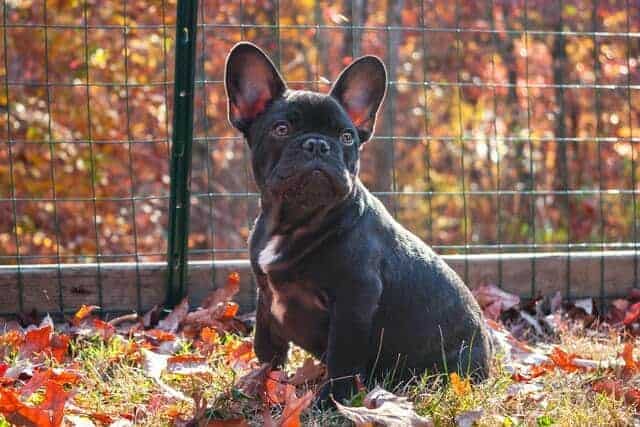
1. French Bulldog
The French Bulldog is the undisputed king of apartment dogs, and it’s not even close. These compact, muscular little dogs were literally bred to be companion animals in small Parisian apartments. They’re quiet, rarely bark without reason, and their exercise needs are modest — a couple of short walks a day and some indoor playtime is plenty.
Frenchies are also ridiculously adaptable. They’re happy to lounge on the couch all afternoon, but they’ll also perk up for a play session whenever you’re ready. The one downside? They can be prone to breathing issues due to their flat faces, so you’ll want to keep your apartment cool in summer. But for pure apartment compatibility, nothing beats them.
2. Cavalier King Charles Spaniel
If the French Bulldog is the king of apartment dogs, the Cavalier King Charles Spaniel is the diplomat. These dogs get along with literally everyone — other dogs, cats, kids, strangers, your landlord doing an inspection. They’re gentle, affectionate, and have this uncanny ability to match your energy. Feeling lazy? They’ll curl up beside you. Want to go for a walk? They’re thrilled.
Cavaliers are also one of the quieter spaniel breeds. They’ll alert you if someone’s at the door, but they won’t bark at every sound in the hallway. At around 13-18 pounds, they’re the perfect lap dog size without being so tiny that you’re worried about stepping on them.
3. Greyhound
This one surprises people every single time. A Greyhound? In an apartment? Absolutely. Greyhounds are the world’s fastest couch potatoes. Yes, they can hit 45 mph on a track, but in your living room, they’re basically oversized cats. Retired racing Greyhounds especially are calm, quiet, and perfectly content to sleep on your sofa for most of the day.
They barely bark, they don’t have that “dog smell” many breeds carry, and despite their size (60-70 pounds), they take up less functional space than a hyperactive 30-pound dog because they’re always curled up in a ball. The only catch is they do need one good sprint session a few times a week — a fenced dog park works perfectly for this.
4. Pug
Pugs are clowns in a compact package, and they make fantastic apartment dogs. They live for human companionship and are perfectly happy in a small space as long as you’re there with them. Their exercise needs are low — they’ll overheat if you push them too hard anyway — and they’re sturdy enough that you don’t have to treat them like they’re made of glass.
The honest downside: Pugs snore. Loudly. And they shed more than you’d expect from a small dog. But they’re so charming and funny that most owners consider these minor trade-offs. If you work from home, a Pug will be your most devoted office companion.
5. Shih Tzu
The Shih Tzu was bred to live in Chinese palaces, so your apartment is basically a step down from what these dogs consider their birthright. They’re calm, affectionate, and their exercise needs are genuinely minimal. A short daily walk and some indoor play is all they ask for.
What makes the Shih Tzu stand out for apartments specifically is their low barking tendency. They’re alert but not yappy. They also don’t shed much if you keep their coat trimmed, which is a real advantage in a smaller space where dog hair has nowhere to hide. They do require regular grooming, but that’s a small price for an otherwise near-perfect apartment companion.
6. Boston Terrier
Boston Terriers are often called the “American Gentleman,” and the name fits. They’re well-mannered, moderately energetic, and compact at 15-25 pounds. They have enough personality to keep things interesting without being overwhelming in a small space.
Bostons are also remarkably easy to train, which matters in an apartment where bad habits become big problems fast. They housetrain quickly, learn commands reliably, and genuinely want to please you. They can be a bit gassy — it’s a flat-faced breed thing — but a good diet minimizes this. Overall, they’re one of the most well-rounded apartment breeds out there.
7. Basenji
The Basenji is known as the “barkless dog,” and if you live in an apartment with thin walls, that alone might sell you. They don’t bark in the traditional sense — instead, they make a unique yodeling sound called a “baroo,” and they do it infrequently. Your neighbors will thank you.
Basenjis are cat-like in many ways: they groom themselves, they’re independent, and they’re not clingy. They do need daily exercise, more than some breeds on this list, but they’re clean, quiet, and compact at around 22-24 pounds. They’re best suited for experienced dog owners, as they can be stubborn and have a strong prey drive. But in the right hands, they’re exceptional apartment dogs.
8. Bichon Frise
The Bichon Frise is a fluffy white powder puff that was practically designed for indoor living. They’re cheerful, playful, and hypoallergenic — a huge advantage in an apartment where allergens have nowhere to dissipate. If you or your guests have mild dog allergies, a Bichon is one of your best bets.
They’re also small (12-18 pounds), friendly with strangers, and adaptable to different schedules. The grooming commitment is real — that coat needs regular professional attention — but they don’t shed on your furniture, your clothes, or your couch. For allergy-prone apartment dwellers, the Bichon is hard to beat.
9. Chihuahua
Chihuahuas have a reputation problem, and honestly, a lot of it is deserved — but only when they’re poorly trained. A well-socialized Chihuahua is a loyal, low-maintenance apartment dog that barely takes up any space at all. At 2-6 pounds, they can get adequate exercise just running around your living room.
The critical thing with Chihuahuas in apartments is training them not to bark excessively. An untrained Chihuahua will bark at every footstep in the hallway, every door that closes, every bird that flies past the window. But with consistent training from day one, they can be perfectly manageable. They’re also long-lived — 14-16 years is common — so this is a long-term commitment.
10. Maltese
The Maltese is another hypoallergenic breed that thrives in apartments. These elegant little dogs (under 7 pounds) are gentle, affectionate, and perfectly content with indoor life. They don’t need miles of walking — a short stroll and some play sessions will keep them happy.
Maltese are also surprisingly brave for their size. They’re not as neurotic as some toy breeds, and they handle apartment noises reasonably well. The flowing white coat is gorgeous but demands regular grooming. Many apartment-dwelling Maltese owners opt for a “puppy cut” to keep maintenance manageable. Smart move.
11. Dachshund
Dachshunds are bold, curious, and endlessly entertaining. Their long bodies and short legs might look funny, but they were bred to hunt badgers underground — these are tough, confident dogs in a small package. In an apartment, they’re playful and affectionate without being hyperactive.
The one area where Dachshunds lose points is barking. They have a surprisingly loud, deep bark for their size, and they’re not shy about using it. Early training can manage this, but it’s something to be aware of if you share walls with neighbors. They also need to avoid jumping on and off furniture to protect their long spines, so consider getting them a ramp for the couch.
12. Yorkshire Terrier
Yorkies are tiny dogs with enormous personalities. At 4-7 pounds, they’re one of the smallest breeds on this list, but they carry themselves like they weigh ten times that. In an apartment, they’re lively and entertaining without needing much space to burn off energy.
Yorkies are also hypoallergenic, which is a significant plus for apartment living. They bond deeply with their owners and can be trained to use indoor potty pads — a real advantage on those days when you don’t feel like taking the elevator down 12 floors in the rain. Like Chihuahuas, barking can be an issue without training, but a well-trained Yorkie is a perfectly civilized apartment roommate.
13. Havanese
The Havanese is Cuba’s national dog, and it’s one of the most underrated apartment breeds. They’re social, cheerful, and remarkably quiet for a small dog. Unlike many toy breeds, Havanese rarely develop the nervous, yappy temperament that drives apartment neighbors crazy.
They’re also highly trainable and love learning tricks, which gives you a built-in way to mentally stimulate them indoors. At 7-13 pounds, they’re portable enough to carry when needed but sturdy enough for proper walks. Their silky coat is hypoallergenic and doesn’t shed, though it does need regular brushing. If you want a small dog without the small-dog attitude, the Havanese is your breed.
14. English Bulldog
English Bulldogs are, frankly, lazy — and I mean that as the highest compliment for an apartment dog. These stocky, muscular dogs are perfectly happy with a short walk and a long nap. They’re not going to demand hours of exercise, and they’re definitely not going to destroy your apartment out of boredom because their default mode is sleep.
At 40-50 pounds, they’re on the larger side for this list, but they’re so calm and low-energy that they feel smaller than they are. They’re quiet, good-natured, and get along well with everyone. Health-wise, they can be expensive due to breed-specific issues, so factor vet costs into your budget. But as pure apartment companions, they’re outstanding.
15. Miniature Schnauzer
The Miniature Schnauzer rounds out our list as the most versatile breed here. They’re smart, hypoallergenic, and have a moderate energy level that’s easy to manage in an apartment. They’re just active enough to enjoy walks and play but not so wired that they’ll bounce off the walls if you skip a day.
Mini Schnauzers are also excellent watchdogs without being excessive barkers — they’ll alert you to something unusual but won’t bark at their own shadow. At 11-20 pounds, they’re a practical size, and their wiry coat doesn’t shed. They do have a strong personality and need consistent training, but that’s true of any breed worth owning.
Apartment Dog Breeds Comparison Table
| Breed | Size (lbs) | Energy Level | Barking | Shedding | Good for First-Time Owners |
|---|---|---|---|---|---|
| French Bulldog | 16-28 | Low | Low | Moderate | Yes |
| Cavalier King Charles | 13-18 | Low-Moderate | Low | Moderate | Yes |
| Greyhound | 60-70 | Low | Very Low | Low | Yes |
| Pug | 14-18 | Low | Low-Moderate | High | Yes |
| Shih Tzu | 9-16 | Low | Low | Low | Yes |
| Boston Terrier | 15-25 | Moderate | Low | Low | Yes |
| Basenji | 22-24 | Moderate-High | Very Low | Low | No |
| Bichon Frise | 12-18 | Moderate | Low-Moderate | Very Low | Yes |
| Chihuahua | 2-6 | Low-Moderate | High (trainable) | Low-Moderate | Yes |
| Maltese | 4-7 | Low | Moderate | Very Low | Yes |
| Dachshund | 16-32 | Moderate | High | Moderate | Yes |
| Yorkshire Terrier | 4-7 | Moderate | High (trainable) | Very Low | Yes |
| Havanese | 7-13 | Moderate | Low | Very Low | Yes |
| English Bulldog | 40-50 | Very Low | Low | Moderate | Yes |
| Mini Schnauzer | 11-20 | Moderate | Low-Moderate | Very Low | Yes |
Breeds You Should Avoid in an Apartment
Not every breed can handle apartment life, no matter how much you love them. Here are the ones you should think twice about — or skip entirely:
- Border Collie — The smartest dog breed is also one of the most demanding. Without a job to do and space to run, they’ll create their own entertainment, and you won’t like it. Destroyed furniture, obsessive behaviors, and neurotic pacing are common in under-stimulated Border Collies.
- Australian Shepherd — Same energy problem as the Border Collie. These are working dogs that need hours of physical and mental exercise daily. An apartment will feel like a prison cell to them.
- Siberian Husky — Huskies need to run. A lot. They’re also vocal — they howl, they “talk,” and your neighbors in 4B will file a complaint within the first week. They also shed enough fur to build a second dog.
- Dalmatian — People forget that Dalmatians were bred to run alongside carriages for miles. They have almost limitless energy and can be destructive when bored. Not a good apartment match.
- Jack Russell Terrier — Small size, massive energy. Jack Russells are escape artists, barkers, and they need more exercise than dogs three times their size. Don’t let the compact frame fool you.
- Weimaraner — These “Gray Ghosts” are velcro dogs with sky-high energy. They develop severe separation anxiety in confined spaces and can be destructive when left alone.
- Beagle — Beagles are wonderful dogs, but they bark and howl at a volume that’s astonishing for their size. In an apartment with shared walls, a baying Beagle is a one-way ticket to eviction.
Essential Tips for Apartment Living with a Dog
Choosing the right breed is only half the equation. How you manage apartment life with your dog makes all the difference.
Establish a rock-solid routine. Dogs in apartments thrive on predictability. Set consistent times for walks, meals, and play. When your dog knows what to expect, they’re calmer and less likely to bark or act out. Morning walk, midday potty break, evening walk — stick to it like clockwork.
Invest in mental stimulation. In a house with a yard, dogs can entertain themselves by watching squirrels and sniffing around. In an apartment, you need to provide that mental engagement. Puzzle feeders, Kong toys stuffed with frozen peanut butter, snuffle mats, and short training sessions throughout the day keep your dog’s brain busy. A mentally tired dog is a well-behaved dog.
Soundproof your space where you can. Put thick rugs on hard floors to dampen the sound of your dog’s nails clicking around. Use white noise machines near shared walls. Consider placing your dog’s crate or bed away from the front door so hallway noises don’t trigger barking fits.
Crate train early. A crate isn’t a punishment — it’s your dog’s personal den. Apartment dogs that are crate-trained handle alone time better, are less destructive, and settle down faster. Start crate training from day one and make it a positive experience with treats and comfort.
Know your building’s pet policy inside and out. Weight limits, breed restrictions, pet deposits, required vaccinations — know all of it before you bring a dog home. Some buildings require proof of renter’s insurance with pet liability coverage. Getting surprised by a policy you didn’t read is a preventable headache.
Build a neighborhood dog network. Find the dog owners in your building and on your block. They’ll become your emergency contacts for those days when you’re stuck late at work, and their dogs can become your dog’s social circle. Dog parks within walking distance are a huge bonus — find them before you commit to a breed that needs regular off-leash exercise.
Frequently Asked Questions
Can large dogs live in apartments?
Absolutely. The Greyhound on our list proves that size alone doesn’t determine apartment suitability. What matters far more is energy level, barking tendency, and temperament. A calm, low-energy large breed like a Greyhound, Basset Hound, or even a Great Dane can do perfectly well in an apartment, often better than a small but hyperactive breed. The key is matching the dog’s exercise needs to what you can realistically provide in an apartment setting.
How much exercise does an apartment dog need?
It varies significantly by breed, but most apartment-friendly breeds need between 30 minutes and one hour of exercise per day. Low-energy breeds like French Bulldogs and English Bulldogs can get by with two short 15-minute walks. Moderate-energy breeds like Boston Terriers and Mini Schnauzers benefit from 45-60 minutes of combined walking and play. The important thing is consistency — a reliable daily routine matters more than occasional long outings.
What’s the best apartment dog for someone who works full-time?
French Bulldogs, English Bulldogs, and Shih Tzus are among the best choices for full-time workers because they handle alone time reasonably well and don’t need excessive exercise. However, no dog should be left alone for more than 8 hours regularly. If you work long hours, consider a dog walker for midday breaks, doggy daycare a few times a week, or adopting a pair so they have companionship. Breeds with high separation anxiety, like Cavalier King Charles Spaniels and Havanese, need more human interaction throughout the day.
Are hypoallergenic breeds better for apartments?
They can be, for two reasons. First, in a smaller space, shed hair and dander concentrate faster and are harder to avoid. Hypoallergenic breeds like the Bichon Frise, Maltese, Havanese, Yorkshire Terrier, and Miniature Schnauzer produce less dander and don’t shed on your furniture, which keeps your apartment cleaner and more comfortable. Second, if you ever have guests with mild allergies, a hypoallergenic dog is less likely to cause issues in a confined space. It’s not a requirement, but it’s a meaningful advantage.
How do I stop my apartment dog from barking at neighbors in the hallway?
This is the number one complaint from apartment dog owners, and the fix is a combination of training and management. Start by desensitizing your dog to hallway noises — play recordings of footsteps and door sounds at low volumes while rewarding calm behavior, gradually increasing the volume over weeks. Teach a solid “quiet” command and reward silence heavily. Move your dog’s bed or crate away from the front door so they’re not right at the source of the noise. White noise machines help mask hallway sounds. For persistent barkers, consider working with a professional trainer early — this problem only gets worse if you ignore it.
Featured Image Source: Pexels