

Let me be honest with you. When my niece turned two and my sister asked me which dog breed she should get, I didn’t just rattle off a list. I grilled her. How big is your yard? How much chaos can you handle? Are you ready to supervise every single interaction for the next three years?
Because here’s what nobody tells you — the “best family dog” lists you find online are mostly generic nonsense. A toddler household is a completely different beast than a family with school-age kids. Toddlers grab ears. They fall on dogs. They shriek at pitches that would make a bat flinch. The dog you need isn’t just “friendly.” It needs the patience of a saint and the build of a tank.
I’ve spent 15+ years living with dogs and watching them interact with kids of all ages. I’ve seen a perfectly sweet dog snap because a toddler stuck a finger in its eye. And I’ve watched a 150-pound Newfoundland let a two-year-old use him as a pillow for an hour without flinching. The difference comes down to breed traits, individual temperament, and — this part is on you — proper supervision.
What to Look for in a Toddler-Friendly Dog
Temperament Traits That Matter Most
Forget “friendly.” Every dog can be friendly on a good day. What you need with a toddler is tolerance — a dog that won’t react when a small human does something unpredictable, which toddlers do roughly every eight seconds.
Here’s what actually matters:
- High pain threshold. Toddlers pull fur, step on tails, and poke eyes. A dog that yelps and snaps at mild discomfort is a liability.
- Low prey drive. When your kid runs screaming across the living room, you don’t want a dog whose instincts say “chase and grab.”
- Soft mouth. Retrieving breeds were literally bred to carry things gently. That translates to how they interact with small humans.
- Predictable behavior. Some breeds are rock-steady. Others are reactive and unpredictable. You want boring and reliable right now.
- Desire to please. Dogs that care what you think are easier to train and redirect. Independent breeds do what they want.
One thing I’ll add from personal experience — look for a breed that gives warning signals clearly. Dogs that growl before they bite are actually safer than dogs bred to suppress growling. A growl is communication. It’s the dogs that go from fine to bite with no warning that scare me.
Size and Sturdiness Considerations
This is where it gets counterintuitive. People assume small dogs are safer for toddlers. They’re often not.
Small dogs get hurt more easily by toddlers, which makes them more likely to bite defensively. A Chihuahua that gets sat on is going to react. A Labrador that gets sat on probably won’t even wake up.
Medium to large breeds (40-100 lbs) are generally the sweet spot for toddler families. They’re sturdy enough to handle accidental rough treatment without feeling threatened. But there’s an upper limit — giant breeds over 120 pounds can accidentally knock a toddler flat just by turning around.
The ideal? A dog that’s big enough to be unbothered by toddler chaos but not so massive it becomes a safety hazard through sheer physics.
Energy Level Matching
This is where most families mess up. They get a high-energy breed because they picture long family walks and backyard fetch sessions. Then reality hits — you’re chasing a toddler all day and the dog still needs two hours of exercise.
Match the dog’s energy to your actual life, not your fantasy life. If you’re exhausted by 7pm (and you will be), a Border Collie is going to destroy your house out of boredom. An under-exercised dog is an anxious, destructive dog. And an anxious dog around a toddler is a bad combination.
Moderate energy is the golden zone. Active enough for daily walks and some playtime, calm enough to settle on the couch when the toddler finally naps.
10 Best Dog Breeds for Families with Toddlers
| Breed | Weight | Energy Level | Grooming Needs | Patience Rating |
|---|---|---|---|---|
| Golden Retriever | 55-75 lbs | Moderate-High | High (daily brushing) | ★★★★★ |
| Labrador Retriever | 55-80 lbs | High | Low-Moderate | ★★★★★ |
| Beagle | 20-30 lbs | Moderate-High | Low | ★★★★☆ |
| Cavalier King Charles | 12-18 lbs | Low-Moderate | Moderate | ★★★★☆ |
| Boxer | 50-80 lbs | High | Low | ★★★★☆ |
| Newfoundland | 100-150 lbs | Low | High | ★★★★★ |
| Collie | 50-75 lbs | Moderate | High | ★★★★★ |
| Cocker Spaniel | 20-30 lbs | Moderate | High | ★★★★☆ |
| Bernese Mountain Dog | 70-115 lbs | Moderate | High | ★★★★★ |
| Basset Hound | 40-65 lbs | Low | Low | ★★★★☆ |
Golden Retriever
I’m biased. I’ll admit it right now. I’ve had three Goldens over the years, and every single one was absurdly good with kids.
There’s a reason Goldens top every best dog breeds for families with toddlers list — they genuinely live to make people happy. Mine would let my niece put stickers on his face, tug his ears, and use him as a stepping stool. He’d just wag his tail and look at me like, “Is this fun? I think this is fun.”
The trade-off is hair. Everywhere. Forever. You’ll need to brush daily and accept that your black clothes are a thing of the past. They also need solid exercise — a good 45-60 minutes a day. But their tolerance for toddler nonsense is honestly unmatched.
One genuine concern: Goldens from backyard breeders or puppy mills can have temperament issues. Go through a reputable breeder or rescue that temperament tests. A well-bred Golden is gold. A poorly bred one can be anxious and nippy.
Labrador Retriever
Labs and Goldens are neck and neck, and honestly, I’d give Labs the slight edge for toddler families purely because of the coat. Short hair means less grooming when you’re already drowning in toddler laundry.
Labs are built like little tanks. Sturdy, athletic, almost impossible to knock over. They have that same soft-mouth retrieving instinct that makes them naturally gentle. And they’re smart enough to train easily but not so smart they get bored and destructive (looking at you, Border Collies).
The catch with Labs is their energy level in the first two years. A young Lab is basically a furry wrecking ball. If you’re getting a Lab for a toddler household, seriously consider an adult rescue that’s past the crazy puppy stage. A three-year-old Lab is a completely different animal than a one-year-old Lab.
Also — Labs eat everything. Toddlers drop everything. You’ll spend a lot of time making sure the dog doesn’t eat puzzle pieces and crackers off the floor. Actually, the cracker thing might be a feature, not a bug.
Beagle
Beagles are the toddler of the dog world, which is maybe why they get along so well with actual toddlers. They’re goofy, resilient, and endlessly curious.
At 20-30 pounds, they’re small enough not to accidentally flatten a kid but sturdy enough to handle some rough play. They were bred to work in packs, so they’re naturally social and tolerant of chaos. Your noisy toddler household? A Beagle thinks that’s just a really fun pack.
Fair warning: Beagles bay. Not bark — bay. It’s loud, it’s persistent, and it will happen when they smell literally anything interesting, which is always. If you live in an apartment or have thin-walled neighbors, think hard about this one.
They’re also champion food thieves. Between the Beagle and the toddler, nothing edible below counter height is safe.
Cavalier King Charles Spaniel
This is my exception to the “bigger is better” rule. Cavaliers are small — 12 to 18 pounds — but they have the temperament of a much larger, calmer dog.
They were literally bred to be lap dogs for royalty, and it shows. They want to be near you, they want to be petted, and they’re remarkably tolerant for their size. A Cavalier will usually choose to move away from a grabby toddler rather than snap, which is exactly the response you want.
The serious downside: health issues. Cavaliers are prone to mitral valve disease (a heart condition) and syringomyelia (a skull/spine condition). Vet bills can be significant. Buy only from breeders who do cardiac and MRI testing on parent dogs. This isn’t optional with this breed.
They’re gentle, affectionate, and genuinely good toddler-friendly dog breeds — just go in with eyes open about the health stuff.
Boxer
Boxers are the class clown that somehow also ends up being the most protective friend in the group.
I love Boxers with kids. They’re patient, silly, and they seem to genuinely understand that small humans need gentle treatment. A friend’s Boxer would let her toddler climb all over him, then play keep-away with a toy for twenty minutes straight. The dog was having as much fun as the kid.
At 50-80 pounds of pure muscle, they’re sturdy enough for anything a toddler can dish out. They’re also naturally protective of their family without being aggressive — they’ll position themselves between your kid and a stranger, but they’re not going to bite the mailman.
Energy is the main consideration. Boxers need real exercise — runs, vigorous play, mental stimulation. A bored Boxer is a destructive Boxer. If you can commit to daily exercise, they’re phenomenal with toddlers. If you can’t, look elsewhere.
Newfoundland
The original “nanny dog.” And honestly, they earn the title.
Newfoundlands are enormous — 100 to 150 pounds — and impossibly gentle. They move slowly, they’re patient beyond reason, and they have a natural instinct to watch over children. There are historical accounts of Newfoundlands pulling children out of water. That protective-but-gentle instinct is bred deep into them.
My friend has a Newfie and a three-year-old. The kid literally naps on the dog. Just curls up against that massive, furry side and falls asleep. The dog doesn’t move until the kid wakes up. Every. Single. Time.
The reality check: drool, hair, and space. Newfoundlands drool constantly. They shed mountains of fur. They need room — a studio apartment won’t cut it. And their lifespan is shorter than smaller breeds, typically 8-10 years, which is genuinely heartbreaking.
But if you have the space and can handle the maintenance, there is no gentler giant for a family with young children.
Collie
Think Lassie. No, seriously — that character was based on real Collie behavior. These dogs are natural herders, and they’ll herd your toddler away from the stairs, the road, and anything else they decide is dangerous.
I’ve been around Collies my whole life, and their intelligence combined with their gentle nature makes them one of the safest dogs for young kids. They’re responsive to voice commands, sensitive to family dynamics, and they rarely show aggression. When a Collie is uncomfortable, it walks away. That’s the temperament you want.
Collies bark. A lot. They bark at visitors, squirrels, leaves, suspicious shadows, and things only they can see. They also need regular grooming — that beautiful coat doesn’t maintain itself. Rough Collies need daily brushing; Smooth Collies are much easier to maintain.
They’re moderate energy — happy with a good walk and some playtime, but they won’t destroy your house if you skip a day. For a toddler family, that flexibility matters.
Cocker Spaniel
Cockers are the mid-size option that a lot of families overlook, and I think that’s a mistake.
At 20-30 pounds, they’re the right size for toddler interactions — not fragile, not overwhelming. They’re happy, waggy dogs that bond strongly with their families. American Cockers tend to be better with young kids than English Cockers, which can be a bit more high-strung and energetic.
Their energy level is moderate. A daily walk and some backyard play keeps them satisfied. They’re smart enough to train well but easygoing enough that they don’t need constant mental stimulation.
Grooming is the commitment here. Those gorgeous ears need regular cleaning (they’re prone to ear infections), and the coat needs professional grooming every 6-8 weeks. But if you don’t mind the grooming schedule, Cockers are wonderful, gentle companions for families with small children.
Bernese Mountain Dog
Berners are basically giant teddy bears that happen to be alive.
They’re big — 70 to 115 pounds — and they have this calm, steady presence that works incredibly well around toddlers. They move slowly and deliberately, they’re affectionate without being pushy, and they have a natural gentleness that feels almost deliberate. Like they know they’re big and they’re being careful.
I watched a friend’s Bernese Mountain Dog at a birthday party full of screaming three-year-olds. The dog just lay in the middle of the chaos, tail slowly wagging, letting kids pet him from every direction. Zero stress. Zero reactivity. Just a happy mountain of fur.
The painful truth: Berners have a short lifespan. Average is 7-10 years, with many developing cancer. It’s the breed’s biggest drawback, and it’s significant. You’re signing up for a shorter relationship than with most breeds, and that’s especially hard when kids are involved.
They also need regular grooming and don’t do well in hot climates. But temperament-wise? Among the best dog breeds for families with toddlers, period.
Basset Hound
Basset Hounds are the most underrated toddler dog on this list.
They’re low energy. Like, impressively low energy. A Basset Hound’s ideal day involves a short walk and approximately 14 hours of sleeping. For exhausted parents of toddlers, this is a feature.
At 40-65 pounds, they’re built low and wide — almost impossible for a toddler to push over. They’re incredibly patient, largely because they simply cannot be bothered to react to things. A toddler grabbing a Basset’s ear is met with a slow blink and maybe a yawn.
They’re stubborn as a brick wall when it comes to training. Bassets do what Bassets want. Housetraining takes longer. Recall is basically a suggestion. And they can bay loud enough to rattle windows.
But for pure, unflappable tolerance around small children? Bassets are hard to beat. They’re also surprisingly sturdy for their height and have minimal grooming needs beyond those long ears, which need regular cleaning to prevent infections.
Breeds to Be Cautious About with Toddlers
I’m not saying these are bad dogs. There are no bad breeds. But some traits make certain breeds a harder match with toddlers specifically:
Herding breeds with strong nip instincts — Australian Cattle Dogs, some Australian Shepherds, and certain Border Collie lines may try to herd toddlers by nipping at their heels. It’s not aggression; it’s instinct. But a nip is a nip when you’re two.
Very small, fragile breeds — Yorkies, Maltese, Italian Greyhounds, Toy Poodles. Toddlers can seriously injure a four-pound dog without meaning to, and a hurt small dog will bite.
Guard breeds with high suspicion of strangers — Akitas, Chow Chows, and some Rottweiler lines can be fantastic family dogs but may react poorly to your toddler’s visiting friends. If your house is the playdate house, consider this carefully.
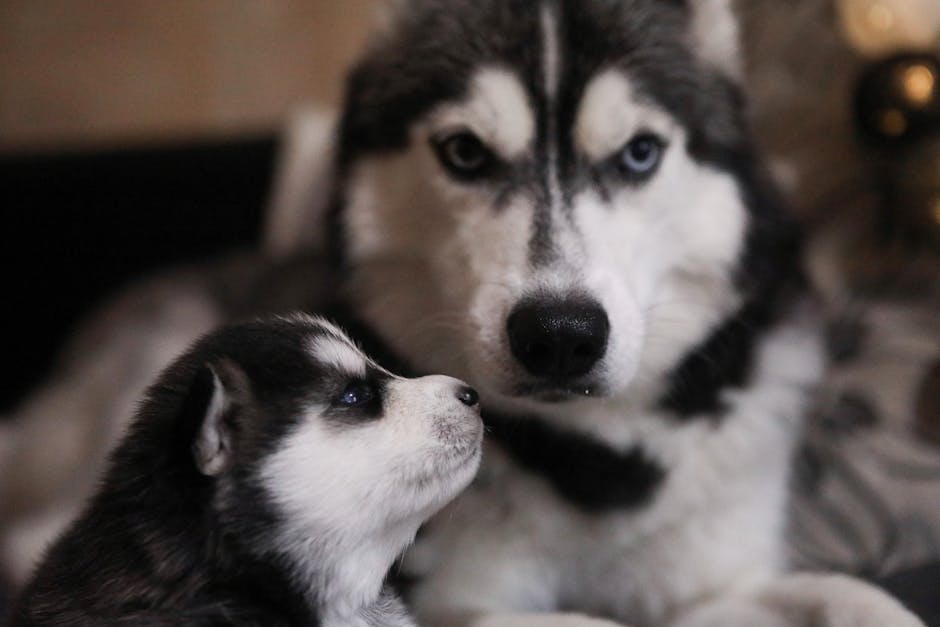
High-energy working breeds without an outlet — Huskies, Dalmatians, Weimaraners. They need hours of daily exercise. In a toddler household, they’re more likely to be under-exercised, which leads to anxiety and behavioral issues.
And I’ll say what others won’t: any breed can bite. CDC data shows children ages 1-4 are the most likely to be bitten by dogs. The breed matters less than the individual dog’s temperament, training, and — critically — how well the adults in the house supervise interactions.
How to Introduce a Dog to Your Toddler Safely
Getting the right breed is step one. Introducing them properly is step two, and honestly, it’s just as important.
Before the dog comes home:
1. Set up a dog-only zone your toddler can’t access. Baby gates are your friend. The dog needs a retreat where it can get away from the chaos.
2. Teach your toddler “gentle hands” — practice on stuffed animals. This won’t be perfect (they’re toddlers), but it helps.
3. Dog-proof the toddler zone. Pick up small toys the dog might swallow.
The first meeting:
– Keep the dog on a leash. Let the toddler sit on an adult’s lap.
– Let the dog approach on its own terms. Don’t force interaction.
– Keep it short — five minutes max. End on a positive note.
– Give the dog treats for calm behavior around the toddler.
The first month:
– Never leave them alone together. Not for a second. Not even the gentlest dog in the world. This is non-negotiable.
– Watch for stress signals: lip licking, whale eye (showing whites), yawning, turning away, stiffening. These mean the dog needs space.
– Create positive associations. Dog gets treats when toddler is nearby. Toddler gets praised for gentle touching.
– Maintain the dog’s routine. Exercise, feeding times, and quiet time shouldn’t change because there’s a toddler in the picture.
The long game: Even after months of successful coexistence, active supervision is the rule until your child is at least five or six and can reliably read a dog’s body language. Most bite incidents happen when an adult isn’t directly watching. Not in another room. Directly watching.
Frequently Asked Questions
What is the #1 safest dog breed for toddlers?
There’s no single safest breed — it depends on your family’s lifestyle. But if I had to pick one, I’d say the Golden Retriever for the combination of patience, trainability, gentleness, and availability. They’re the most consistently tolerant breed I’ve personally seen around very young children.
Should I get a puppy or an adult dog for my toddler?
Adult dog, almost always. A puppy and a toddler together means you’re basically managing two babies. An adult dog (2-4 years old) from a rescue or rehoming situation is calmer, may already be trained, and you can assess its actual temperament rather than guessing. Many rescue organizations let you do meet-and-greets with your toddler before committing.
Are mixed breeds good with toddlers?
Absolutely. Some of the best toddler dogs I’ve known have been mutts. The key is temperament testing, not pedigree. Ask the rescue or foster family specifically about the dog’s behavior around small children, loud noises, and sudden movements. A calm, confident mixed breed will outperform a poorly bred purebred any day.
How do I know if my dog is stressed around my toddler?
Watch for these signals: lip licking when not eating, showing the whites of their eyes, yawning repeatedly, tucking their tail, moving away, stiffening their body, or growling. Growling is actually good — it means the dog is communicating before it escalates. Never punish a growl. Instead, separate them and give the dog space. If your dog is regularly showing stress signals around your toddler, consult a certified animal behaviorist.
Can toddler-friendly dogs also be good watchdogs?
Yes — Boxers and Collies in particular are both excellent with toddlers and naturally alert to strangers. But honestly, with a toddler in the house, you want a dog that’s friendly to visitors too. Your pediatrician, babysitter, and the parade of playdate parents coming through your door shouldn’t be met with aggression. Prioritize friendliness over guarding instinct at this stage.
Choosing the right dog for your toddler family isn’t just about picking a breed off a list. It’s about honestly assessing your lifestyle, your space, your energy level, and your commitment to supervision. The best toddler-friendly dog breeds I’ve listed here all have the temperament foundation you need — patience, gentleness, sturdiness, and tolerance. But every dog is an individual. Meet them. Watch how they respond to noise and chaos. Trust your gut. And whatever breed you choose, remember the golden rule: supervise, supervise, supervise. Your toddler and your dog will both thank you for it.
Featured Image Source: Pexels