
Why Choosing the Right Dog Breed Matters for Your Family
Bringing a dog into a family with children is one of the most rewarding decisions you can make — but it’s also one that deserves careful thought. Not every breed is naturally suited to the chaos, noise, and unpredictable energy that comes with kids. The wrong match can lead to stress for both your family and the dog, while the right one creates a bond your children will carry with them for life.
The best dog breeds for kids share a few critical traits: patience, a gentle disposition, moderate to high energy that matches active households, and a forgiving nature when little hands pull a bit too hard on ears or tails. Size matters too, but perhaps not in the way you’d expect. Some large breeds are remarkably gentle giants, while certain small breeds can be snappy and anxious around young children.
This guide breaks down the top 15 family-friendly breeds for 2026, along with practical advice on which dogs to approach with caution, how to teach your kids to be responsible pet owners, and how to make that first introduction as smooth as possible.
Top 15 Best Dog Breeds for Kids and Families
Before we dive into individual profiles, here’s a quick-reference comparison table to help you narrow down your options at a glance.
| Breed | Size | Energy Level | Good With Toddlers | Grooming | Lifespan |
|---|---|---|---|---|---|
| Golden Retriever | Large | High | Excellent | Moderate | 10–12 years |
| Labrador Retriever | Large | High | Excellent | Low | 10–14 years |
| Beagle | Medium | High | Very Good | Low | 12–15 years |
| Cavalier King Charles Spaniel | Small | Low–Moderate | Excellent | Moderate | 9–14 years |
| Bulldog | Medium | Low | Excellent | Low | 8–10 years |
| Poodle (Standard) | Large | Moderate–High | Very Good | High | 12–15 years |
| Irish Setter | Large | High | Very Good | Moderate | 12–15 years |
| Boxer | Large | High | Very Good | Low | 10–12 years |
| Collie | Large | Moderate | Excellent | Moderate–High | 12–14 years |
| Newfoundland | Extra Large | Low–Moderate | Excellent | High | 8–10 years |
| Vizsla | Medium–Large | High | Very Good | Low | 12–15 years |
| Cocker Spaniel | Medium | Moderate | Very Good | High | 12–15 years |
| Bernese Mountain Dog | Extra Large | Moderate | Excellent | Moderate–High | 6–8 years |
| Soft Coated Wheaten Terrier | Medium | High | Good | High | 12–14 years |
| Havanese | Small | Moderate | Very Good | High | 13–15 years |
1. Golden Retriever
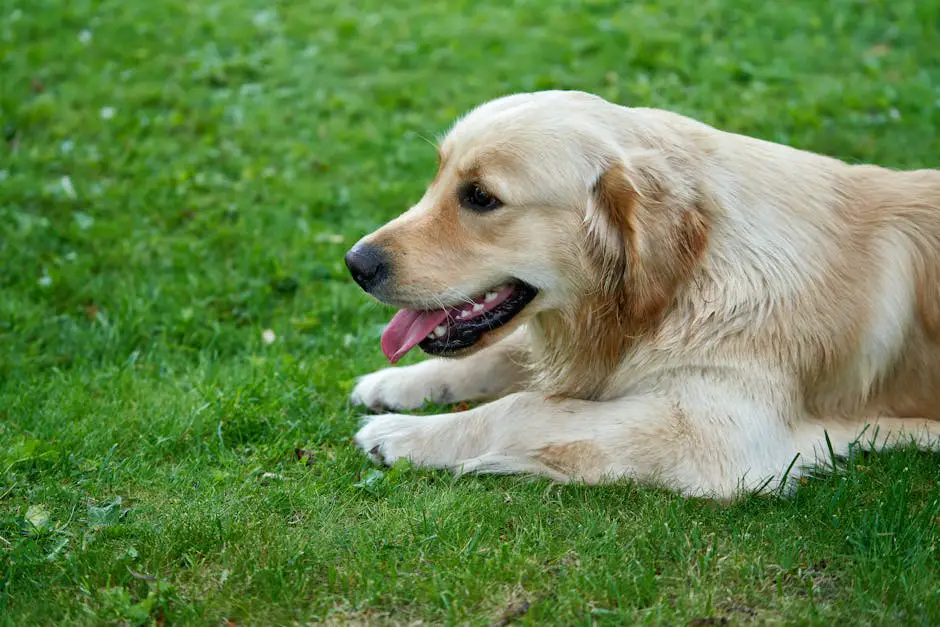
There’s a reason the Golden Retriever has topped family-dog lists for decades. These dogs possess an almost supernatural patience with children. They’re eager to please, highly trainable, and genuinely seem to enjoy the rowdy energy that kids bring. Goldens are active enough to keep up with outdoor adventures but calm enough to curl up for movie night.
Best for: Active families with yards who want a loyal, all-around companion. Be prepared for regular brushing — they shed generously, especially during seasonal changes.
2. Labrador Retriever
America’s most popular breed earns that title honestly. Labs are outgoing, trusting, and remarkably sturdy — they can handle the enthusiastic affection of young children without getting rattled. They thrive on activity and are natural swimmers, making them perfect for families who spend time outdoors.
Best for: Energetic families who can provide daily exercise. Labs without enough activity can become destructive, so they’re a better fit for households that stay active.
3. Beagle
Compact, sturdy, and built for adventure, Beagles are pack animals at heart — and they’ll treat your family as their pack. Their smaller size makes them less intimidating for young children, while their robust build means they’re not fragile. They have a playful, curious nature that matches well with kids who love exploring the backyard.
Best for: Families in smaller homes or apartments who still want an active, fun-loving dog. Note that Beagles can be vocal — their signature howl is endearing to some and challenging for others.
4. Cavalier King Charles Spaniel
If you’re looking for a smaller breed that’s genuinely excellent with children, the Cavalier is hard to beat. These dogs are gentle, affectionate, and adaptable. They’re equally happy playing in the garden or sitting quietly on a child’s lap. Their sweet temperament makes them one of the safest small breeds for families with toddlers.
Best for: Families seeking a calm, affectionate companion that doesn’t require intense exercise. They do have some health considerations, so choosing a reputable breeder is essential.
5. Bulldog
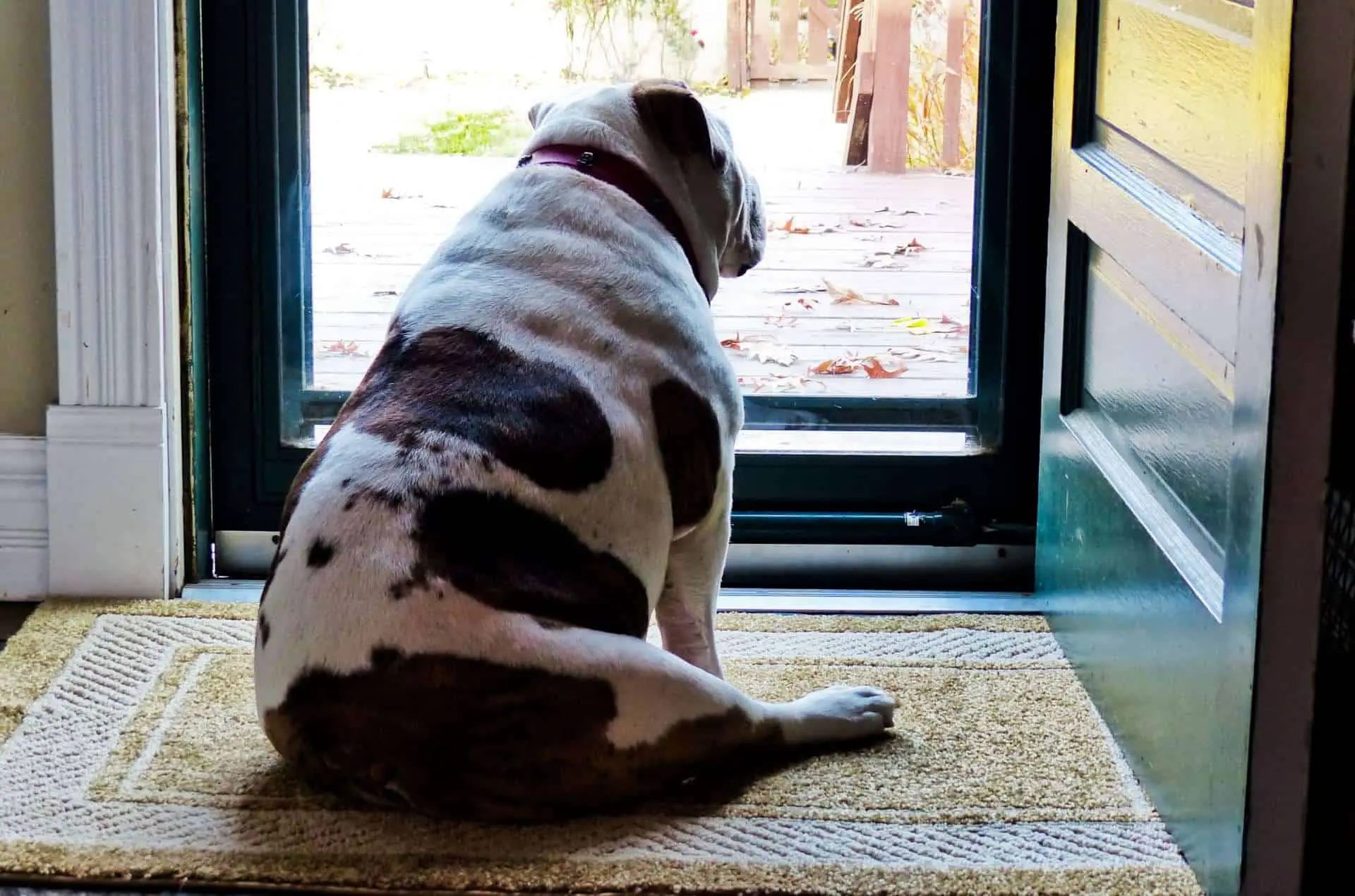
Don’t let the tough appearance fool you. Bulldogs are among the gentlest, most patient breeds you’ll find. They’re low-energy, which makes them ideal for families who prefer a more relaxed pace. Their stocky build means they’re sturdy enough for children’s play, and their loyalty to their family is unwavering.
Best for: Families in flats or homes without large gardens. Bulldogs overheat easily, so they’re better suited to temperate climates or air-conditioned homes.
6. Standard Poodle
Forget the fussy stereotype — Standard Poodles are athletic, intelligent, and wonderfully playful. They’re among the smartest dog breeds, which makes training a joy. Their hypoallergenic coat is a significant advantage for families dealing with allergies. Poodles bond deeply with children and have the energy to keep up with active play.
Best for: Families with allergy concerns who want a smart, trainable companion. Budget for regular professional grooming, as their coat requires consistent maintenance.
7. Irish Setter
With their stunning red coat and boundless enthusiasm, Irish Setters bring pure joy to a household. They’re playful, affectionate, and have an energy level that pairs perfectly with active older children. These dogs thrive on companionship and don’t do well left alone for long periods.
Best for: Active families with older children (6+) and access to open spaces for running. Their high energy can be overwhelming for toddlers.
8. Boxer
Boxers are the clowns of the dog world — goofy, energetic, and endlessly entertaining. They form fierce bonds with children and are naturally protective without being aggressive. Their playful nature lasts well into adulthood, and they have a patience with kids that surprises many first-time owners.
Best for: Families with school-age children who want a protective, playful companion. Boxers need consistent training and regular exercise to channel their energy positively.
9. Collie
Think Lassie — and yes, the real breed lives up to the reputation. Collies are intelligent, gentle, and have a natural herding instinct that translates into a watchful, protective nature around children. They’re easy to train, responsive to commands, and rarely show aggression. The rough-coated variety requires more grooming, while the smooth coat is lower maintenance.
Best for: Families who value a well-mannered, trainable dog. Collies can be sensitive to loud environments, so they do best in calmer households.
10. Newfoundland
Known as “nature’s babysitter,” the Newfoundland is a massive dog with an even bigger heart. Despite their enormous size, Newfies are incredibly gentle and patient with children. They’re natural water-rescue dogs, making them excellent companions for families near water. Their calm, sweet temperament is legendary.
Best for: Families with space for a very large dog. Newfoundlands drool, shed, and eat a lot — they’re a commitment in every sense, but the love they give is proportional to their size.
11. Vizsla
Often called the “Velcro dog” for their attachment to their people, Vizslas are affectionate, energetic, and wonderfully gentle. They’re athletic dogs that thrive in active families and are known for forming particularly close bonds with children. Their short coat is easy to maintain, and they’re clean, almost cat-like in their grooming habits.
Best for: Very active families, especially those who run, hike, or cycle. Vizslas can develop anxiety if left alone frequently, so they need a family that’s around a lot.
12. Cocker Spaniel
With their soulful eyes and silky ears, Cocker Spaniels are charming companions that adapt well to family life. They’re playful without being hyperactive, affectionate without being clingy, and small enough for children to manage on walks. Their happy, tail-wagging disposition makes them a joy to be around.
Best for: Families looking for a mid-sized, adaptable dog. Cockers need regular grooming and ear cleaning to prevent infections.
13. Bernese Mountain Dog
Gentle giants with a calm, devoted temperament, Bernese Mountain Dogs are strikingly beautiful and wonderfully patient with children. They’re large but not hyperactive, making them less likely to accidentally knock over small children. They thrive in cooler climates and love being part of family activities.
Best for: Families in cooler regions who have space for a large dog. Their shorter lifespan (6–8 years) is the breed’s biggest drawback and something families should prepare for emotionally.
14. Soft Coated Wheaten Terrier
For families who love the terrier spirit but need something gentler than a typical terrier, the Wheaten is a brilliant choice. They’re enthusiastic, friendly, and greet everyone — adults, children, even strangers — with their signature “Wheaten greeting” (an exuberant jump). Their hypoallergenic coat is a bonus for allergy-prone families.
Best for: Active families who want a medium-sized, allergy-friendly dog with personality. They need consistent training to manage their exuberance.
15. Havanese
The Havanese is the ideal small breed for families who want a compact, non-shedding companion. These Cuban natives are playful, social, and remarkably sturdy for their size. They love performing tricks for an audience and have a natural affinity for children. Unlike many small breeds, Havanese rarely display nervousness or snippiness.
Best for: Families in flats or small homes who want a small dog that genuinely does well with kids. Their coat needs daily brushing or regular professional grooming.
Dog Breeds to Approach With Caution Around Young Children
No breed is inherently “bad,” but some have traits that make them more challenging in households with young children. This isn’t about labelling breeds — it’s about being realistic about fit.
- Chihuahuas: Their tiny size makes them vulnerable to rough handling, and many respond to stress with snapping or biting. They often bond to one person and can be territorial.
- Dalmatians: High energy and a strong-willed nature can overwhelm young children. They were bred to run alongside carriages and need far more exercise than most families expect.
- Akitas: Loyal and protective, but their guarding instincts can be unpredictable around unfamiliar children or during rough play.
- Weimaraners: Extremely energetic and prone to separation anxiety. Their size and intensity can be too much for households with toddlers.
- Shih Tzus: While gentle, they can be easily injured by young children and some individuals are intolerant of unpredictable handling.
Important: Individual temperament matters more than breed generalisation. A well-socialised, well-trained dog of any breed can be a wonderful family pet. Always meet a dog before adopting and ask about their history with children.
Age-Appropriate Dog Care Responsibilities for Children
One of the greatest gifts a family dog provides is the opportunity to teach children responsibility. But expectations need to match a child’s developmental stage. Overloading a young child with too much responsibility can create resentment rather than love for their pet.
Ages 3–5: The Little Helpers
- Help pour pre-measured food into the dog’s bowl (with supervision)
- Choose a toy for playtime
- Gently brush the dog with a soft brush while an adult holds the dog
- Learn to approach the dog calmly and pet gently
Ages 6–9: Building Routine
- Feed the dog on a set schedule (with reminders)
- Refill the water bowl daily
- Help with basic grooming — brushing, wiping paws after walks
- Practise simple training commands under adult guidance
- Walk the dog on a lead in the garden or safe enclosed areas
Ages 10–13: Taking Ownership
- Walk the dog independently in familiar, safe areas
- Take on feeding duties without reminders
- Help bathe the dog
- Participate in training sessions and reinforce commands
- Help clean up after the dog in the garden
Ages 14+: Near-Full Responsibility
- Manage the dog’s daily routine independently
- Research and suggest enrichment activities
- Recognise signs of illness and alert parents
- Accompany the dog to vet appointments
- Help with more advanced training or dog sports
Regardless of age, parents must always remain the primary caregivers. Children can and should contribute, but the ultimate responsibility for a pet’s welfare always falls on adults.
How to Introduce a New Dog to Your Children
The first meeting sets the tone for the entire relationship. Rushing this process is one of the most common mistakes families make. Here’s how to get it right.
Before the Dog Comes Home
- Set expectations with your children. Explain that the dog may be scared at first and needs space. Role-play gentle petting and quiet voices.
- Create a safe space for the dog. Set up a crate or quiet corner where the dog can retreat. Teach children that this area is off-limits.
- Establish house rules in advance. No pulling tails or ears, no disturbing the dog while eating or sleeping, no chasing the dog if it walks away.
The First Meeting
- Keep it calm. Have children sit quietly on the floor and let the dog approach them — not the other way around.
- Offer treats. Let your child offer a treat from an open palm. This creates a positive association.
- Keep sessions short. The first day should involve several short, positive interactions rather than one long, overwhelming one.
- Supervise every interaction. Never leave a new dog and young children alone together, no matter how gentle the breed is reputed to be.
The First Few Weeks
- Maintain constant supervision during all interactions between the dog and children under 10
- Praise both the dog and the child when interactions go well
- Watch for stress signals in the dog: lip licking, whale eye (showing whites of eyes), yawning, turning away, stiffening
- Give the dog regular breaks from the children, especially if you have multiple young kids
- Begin basic training with the children present so the dog learns to respond to the whole family
Most dogs need two to four weeks to fully settle into a new home. During this adjustment period, patience and consistency from every family member makes all the difference.
Frequently Asked Questions
What is the single best dog breed for a family with young children?
If forced to pick just one, the Golden Retriever consistently ranks as the best all-around family dog. Their patience, trainability, and gentle nature with children of all ages make them an exceptionally safe choice. However, the “best” breed truly depends on your family’s lifestyle, living space, and activity level. A Bulldog might be a better fit for a low-energy family in a flat, while a Labrador suits an outdoor-oriented household with a large garden.
Are mixed-breed dogs good for families with kids?
Absolutely. Mixed-breed dogs can make wonderful family pets. They often benefit from “hybrid vigour,” meaning they may have fewer breed-specific health problems. The key is temperament, not pedigree. When adopting a mixed-breed dog, spend time with the individual dog, ask shelter staff about their behaviour with children, and arrange a meet-and-greet with your kids before committing. Many rescue organisations specifically temperament-test dogs and can match you with a family-friendly companion.
At what age should children get their first dog?
There’s no minimum age for a family to have a dog, but the dynamics change significantly depending on the children’s ages. Families with babies and toddlers need to choose especially calm, patient breeds and commit to constant supervision. Many experts suggest that children around age 6 are developmentally ready to begin learning basic pet care responsibilities, making it a popular age for first-time family dogs. That said, dogs can be wonderful companions for younger children when parents are prepared to handle the bulk of the caregiving.
How much does it cost to own a family dog per year?
In 2026, the average annual cost of dog ownership in the UK ranges from £1,500 to £3,000, depending on the breed, size, and health needs. This includes food, routine veterinary care, vaccinations, flea and worming treatments, insurance, grooming, and basic supplies. Larger breeds and those prone to health issues (like Bulldogs or Bernese Mountain Dogs) tend to cost more. Pet insurance is strongly recommended — an unexpected surgery or illness can easily run into thousands of pounds. Budget for these costs before bringing a dog home, as financial strain can lead to heartbreaking rehoming decisions.
Should we get a puppy or an adult dog for our family?
Both options have merit. Puppies allow you to socialise and train the dog from scratch, shaping their behaviour around your family’s lifestyle. However, puppies demand enormous time and energy — house training, teething, constant supervision, and sleepless nights. Adult dogs often come with established temperaments, meaning you know exactly what you’re getting. Many adult dogs in shelters are already house-trained and past the destructive chewing stage. For busy families or those with very young children, an adult dog with a known, child-friendly temperament is often the smarter choice.
Featured Image Source: Pexels