

I’ve taken my dogs on more road trips than I can count. Cross-country moves, weekend camping runs, spontaneous “let’s just drive” adventures — my Golden Retriever rode shotgun for thousands of miles before I ever thought about what makes some dogs natural travelers and others… not so much.
Here’s what I’ve learned: the breed matters more than most people think. Sure, any dog can ride in a car. But there’s a massive difference between a dog who settles into the back seat like they were born there and one who’s panting, drooling, and stress-whining before you hit the highway. If you’re planning road trips or — even bigger — full-time van life with a dog, picking the right breed saves you years of headaches.
And I’m not just talking about size, though that matters when you’re living in 60 square feet. I’m talking temperament, adaptability, energy management, and yes, whether their stomach can handle winding mountain roads without redecorating your upholstery.
Traits That Make a Dog a Great Travel Companion
Before we get into specific breeds, let’s talk about what actually makes a dog good at life on the road. It’s not as simple as “pick a medium-sized dog.”
Adaptability to New Environments
This is the big one. Some dogs thrive on novelty — new smells, new trails, new campgrounds. Others fall apart when their routine changes. I’ve watched my Border Collie investigate a new hiking trail with pure joy, tail going like a helicopter, while my friend’s Shiba Inu literally refused to leave the car at an unfamiliar rest stop.
Dogs bred for working alongside humans in varied conditions tend to adapt best. Sporting breeds, herding breeds, and terriers generally handle change well. Guardian breeds and some toy breeds? They often prefer their territory and routine. That’s not a flaw — it’s just not what you want in a travel dog.
Look for breeds described as “biddable” or “handler-focused.” These dogs take their cues from you. If you’re relaxed and happy at a new campsite, they will be too.
Car Comfort and Motion Sickness Resistance
Here’s a stat that surprised me: up to 48% of dogs experience motion sickness during car rides. That’s nearly half. And while puppies often outgrow it, some breeds are more prone to it throughout their lives.
Brachycephalic breeds — your Bulldogs, Pugs, Boston Terriers — tend to struggle more. Their compressed airways make the pressure changes and motion harder to handle. Deep-chested dogs generally do better, and breeds with a history of riding in vehicles or boats (looking at you, sporting breeds) seem to have stomachs of steel.
The nervous system plays a role too. Dogs with anxious temperaments get car sick more often because it’s partly stress-induced. Confident, calm breeds handle the motion without their anxiety amplifying the nausea.
Size and Space Considerations
Let’s be practical. If you’re doing van life in a Sprinter, a Great Dane is going to be… a lot. But a Chihuahua on a mountain trail in bear country isn’t ideal either.
The sweet spot for road trips and van life is 25-65 pounds. Big enough to handle outdoor adventures, small enough to fit comfortably in a vehicle without taking over the entire living space.
| Size Category | Weight Range | Van Life Fit | Road Trip Fit |
|---|---|---|---|
| Small (under 25 lbs) | 10-24 lbs | Excellent space-wise | Good, but limited on rugged trails |
| Medium (25-50 lbs) | 25-50 lbs | Ideal balance | Perfect |
| Large (50-80 lbs) | 50-80 lbs | Tight but doable | Great if you have an SUV or truck |
| Giant (80+ lbs) | 80-100+ lbs | Very challenging | Needs a big vehicle |
That said, I’ve met people living in vans with 80-pound Labs who make it work beautifully. It just requires more planning.
10 Best Dog Breeds for Road Trips and Van Life
I’ve ranked these based on a combination of adaptability, size practicality, energy management (can they settle in the car AND hike hard at stops?), and general health on the road.
Australian Shepherd
My number one pick, and I’ll fight anyone on this. Aussies were literally bred to work all day, then chill at camp. They have an incredible off-switch that most high-energy breeds lack — they can hike 15 miles, then curl up in the van and sleep like they haven’t moved all day.
Weight: 40-65 lbs
Travel superpower: Unmatched adaptability and off-switch
They’re handler-focused to a fault, which means they stay close on trails and check in constantly. Recall is generally solid with basic training. The biggest downside? That coat. You’ll be vacuuming your vehicle constantly. But honestly, that’s the price of admission for one of the best adventure dog breeds for travel.
Labrador Retriever
The classic for a reason. Labs are bombproof. New environments? Great. Strangers at the campground? Wonderful. Swimming hole at the rest stop? They’re already in it.
Weight: 55-80 lbs
Travel superpower: Nothing phases them
They’re on the bigger side for van life, which is the main drawback. But their temperament is so perfectly suited to travel that it’s worth the space trade-off. I’ve never met a Lab who got car sick. Not once. Their stomachs are as indestructible as their enthusiasm.
Fair warning though — a bored Lab in a car will find something to chew. Mental stimulation between stops is non-negotiable. Frozen Kongs, puzzle feeders, something.
Border Collie
I have a complicated relationship with Border Collies as travel dogs. I’ve owned two, and they’re incredible on the trail — the best hiking partners you could ask for. Smart, responsive, athletic, tireless.
But. They need a LOT of exercise to be calm travelers. If you’re doing van life where you’re hiking or biking daily, a Border Collie is a dream. If you’re doing long driving days with minimal stops? They’ll go stir-crazy, and a stir-crazy Border Collie is nobody’s idea of a good time.
Weight: 30-55 lbs
Travel superpower: Unreal trail athleticism and recall
They also tend toward anxiety if under-stimulated, which can trigger motion sickness. So they’re high on this list with an asterisk: best for active travelers who commit to serious daily exercise.
Vizsla
The Vizsla is the van life dog that Instagram doesn’t talk about enough. These dogs are velcro — they want to be touching you at all times, which is convenient when your entire living space is a vehicle.
Weight: 44-60 lbs
Travel superpower: Calm in the car, explosive on the trail
Short coat means minimal shedding and easy cleanup. They regulate temperature well, handle heat better than most breeds, and their lean build is surprisingly space-efficient. The Hungarian aristocrats bred these dogs to hunt all day and sleep at their master’s feet at night. That translates perfectly to the drive-all-day, adventure-at-stops lifestyle.
Downsides: separation anxiety is real with Vizslas. Leaving them in the car while you grab coffee can get dramatic. But if you’re together 24/7 on the road? That’s actually their ideal life.
Portuguese Water Dog
An underrated pick. Porties were bred to work on fishing boats — they literally evolved for life in a small, moving space. That’s basically a van.
Weight: 35-60 lbs
Travel superpower: Born for small spaces and motion
They don’t shed (hypoallergenic coat), which is a massive plus when your home and vehicle are the same thing. They’re confident, adaptable, and have excellent stomachs. Plus, if your road trip takes you near water, they’re spectacular swimmers.
The coat requires regular grooming, which can be tricky on the road. But many van lifers just keep them in a short utility clip and call it done.
Miniature Australian Shepherd
Everything I said about Aussies, but in a more van-friendly package. Mini Aussies (or Miniature American Shepherds, if we’re being AKC-correct) are 20-40 pounds of pure travel dog.
Weight: 20-40 lbs
Travel superpower: Full-size adventure dog in a compact body
They fit in smaller vehicles, need slightly less exercise than standard Aussies, and have the same incredible off-switch. I’ve seen more Mini Aussies in van life content than probably any other breed, and there’s a good reason for that. They just work.
Same shedding issue as their bigger cousins, though. Get a good car vacuum.
Rat Terrier
Here’s where I might surprise some people. Rat Terriers are phenomenal road trip dogs, and almost nobody recommends them.
Weight: 10-25 lbs
Travel superpower: Tough little dogs that think they’re big
They’re hardy, athletic, and have endless energy for their size — but they also settle down beautifully in the car. They were farm dogs, bred to work hard and rest hard. Sound familiar? That’s the same on-off switch that makes Aussies great, just in a 15-pound package.
They handle temperature extremes reasonably well, rarely get car sick, and their short coat is a dream for vehicle cleanliness. If you want an adventure dog but drive a Subaru, not a Sprinter, seriously consider a Rat Terrier.
Nova Scotia Duck Tolling Retriever
Tollers are the outdoor enthusiast’s secret weapon. They’re basically a Lab compressed to 35-50 pounds with twice the drive and half the “I’ll eat anything” impulse.
Weight: 35-50 lbs
Travel superpower: Retriever temperament in a medium package
Athletic enough for any trail, small enough for comfortable van life, and smart enough to learn road-trip routines quickly. They’re fantastic swimmers, have good recall, and their energy output scales to match yours — moderate day, moderate energy; big adventure day, they’re all in.
The trademark Toller “scream” (a high-pitched vocalization when they’re excited) can be a lot in an enclosed vehicle. Just something to know going in.
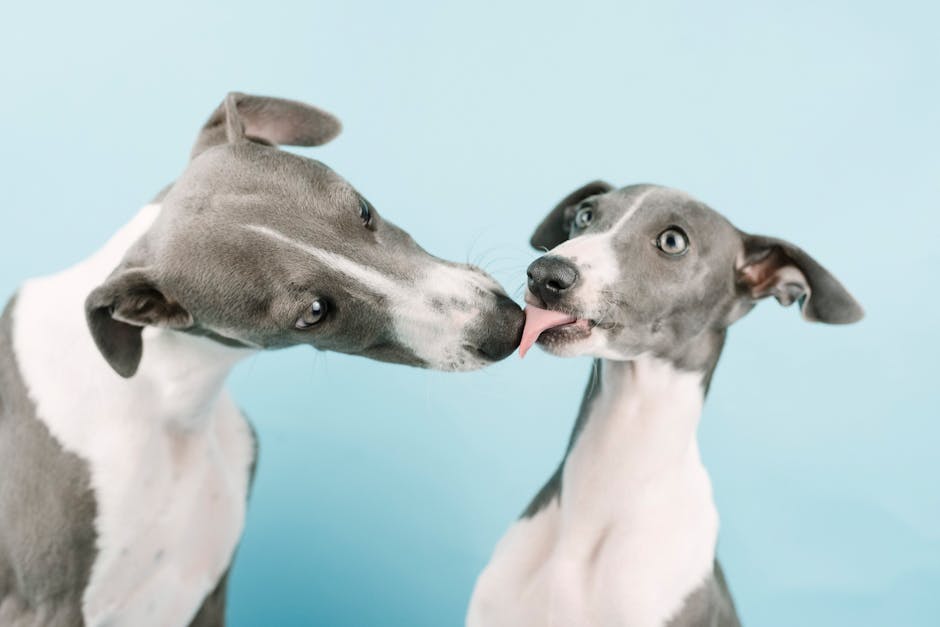
Whippet
Don’t let the racing reputation fool you. Whippets are one of the calmest, most car-friendly breeds out there. They sprint for about 5 minutes, then become professional couch potatoes. In a van, they’ll curl into the smallest space imaginable and sleep for hours.
Weight: 25-40 lbs
Travel superpower: Smallest footprint of any medium dog
Zero drool, minimal shedding, almost no dog smell. They basically fold in half when they lie down, so they take up surprisingly little space. A Whippet in a van is barely there until it’s time for a run.
The downside: they’re sensitive to cold, so winter van life requires dog jackets and good insulation. And they need a securely fenced area for off-leash running — their prey drive is no joke, and recall goes out the window if they spot a rabbit.
Standard Poodle
I know, I know. But forget the fancy haircuts. Standard Poodles are athletic, intelligent dogs that were originally bred for water retrieving. They’re incredible athletes.
Weight: 40-70 lbs
Travel superpower: Hypoallergenic + athleticism + brains
No shedding is the van life killer feature here. Dog hair in a small living space makes everything miserable, and Poodles just don’t do that. They’re easy to train, handle new environments confidently, and have energy for serious hiking without being unmanageable on rest days.
Grooming on the road is the challenge. But like Porties, a short sport clip eliminates most of the hassle. Many traveling Poodle owners just buzz them down every 6-8 weeks.
Dog Travel Safety Gear You Need
I’m going to be blunt: most dog “travel gear” is marketing garbage. But a few things are genuinely important — potentially life-saving.
Crash-Tested Harnesses and Crates
Here’s something most dog owners don’t know: the Center for Pet Safety crash-tests dog harnesses, and most fail catastrophically. We’re talking harnesses that snap, buckles that shatter, dogs becoming projectiles.
The ones that actually passed as of recent testing:
- Sleepypod Clickit Sport — consistently the top performer
- Gunner Kennels G1 (crate) — the gold standard for vehicle crates, but expensive
- Ruffwear Load Up — good mid-range option
A 60-pound dog in a 30 mph crash becomes a 2,700-pound projectile. That’s not a scare tactic; that’s physics. If your dog rides unrestrained, you’re risking both their life and yours.
Portable Water and Food Setup
Don’t overthink this. You need:
- Collapsible water bowl — I like the Ruffwear Quencher
- Water bottle with attached bowl — for quick rest stop hydration
- Sealed food container — keeps kibble fresh and away from critters at campsites
- Travel-sized first aid kit — tweezers for ticks, styptic powder, basic wound care
The most important thing is actually not gear — it’s a routine. Dogs do better on the road when feeding times stay consistent even if everything else changes.
Tips for Long-Distance Car Travel with Dogs
After thousands of miles with dogs riding along, here’s what I know works:
Stop every 2-3 hours minimum. Not just a quick pee break — give them 15-20 minutes to walk, sniff, and decompress. Dogs process stress through their nose, so sniffing at a rest stop isn’t goofing off. It’s genuinely helping them regulate.
Start with short trips and build up. Don’t take a dog who’s never ridden more than 20 minutes and throw them into a 12-hour drive. Build their tolerance over weeks.
Keep the car cool. Dogs overheat faster than humans. Crack windows, run the AC, and never — I cannot stress this enough — never leave a dog in a parked car, even for “just a minute.” Temperatures inside a car can reach 120°F in under 10 minutes on a warm day.
Bring familiar items. Their bed, a favorite toy, a blanket that smells like home. When everything outside is changing, familiar scents keep dogs grounded.
Feed light before driving. A full stomach plus motion equals disaster. Feed a small meal 3-4 hours before a long drive, or skip breakfast and feed a bigger dinner at your destination.
ID and microchip are critical. A scared dog in an unfamiliar place is an escape risk at every rest stop. Make sure tags are current and the microchip is registered with your actual phone number.
Frequently Asked Questions
What is the best dog breed for full-time van life?
The Miniature Australian Shepherd gets my vote for full-time van life specifically. They’re the right size (20-40 lbs), have the adventure drive for daily outdoor activities, and that crucial ability to settle down in tight spaces. Vizslas are a close second if you don’t mind the velcro attachment — which, in a van, you probably won’t.
Can big dogs be good road trip dogs?
Absolutely. Labs and Standard Poodles are both on this list and they’re 50-70+ pounds. The key is having the right vehicle. A big dog in a Honda Civic is miserable for everyone. A big dog in a truck with a cap or an SUV with the back seats down? Perfectly comfortable. Match the dog’s size to your vehicle and you’re fine.
How do I help a dog with car sickness?
Start with short, positive trips — just around the block, with treats. Gradually increase distance. Keep windows cracked for fresh air, and avoid feeding right before driving. For persistent cases, talk to your vet about medication. Cerenia (maropitant) works well for dogs with genuine motion sickness. But honestly, if you’re planning serious road life, consider starting with a breed that’s less prone to it in the first place.
How often should I stop on a road trip with a dog?
Every 2-3 hours. Give them time to walk around, drink water, and sniff. Puppies and senior dogs need more frequent stops. I usually plan my route around good rest areas with grass and space — not just gas station parking lots. A tired, well-exercised dog at each stop means a calmer dog for the next stretch of driving.
Do dogs need special gear for car travel?
The one non-negotiable is a crash-tested restraint — either a harness that clips into the seatbelt or a secured crate. Beyond that, a water bowl, their regular food, and a familiar blanket cover the basics. Don’t go overboard buying every travel gadget marketed to dog owners. Most of it collects dust.
The Bottom Line
The best dog breeds for road trips share a few key traits: they’re adaptable, handler-focused, and have that magic ability to switch between high energy on the trail and calm relaxation in the vehicle. Whether you’re planning weekend trips or committing to full-time van life with your dog, picking a breed that naturally fits the travel lifestyle makes everything easier.
My honest advice? Meet adult dogs of whatever breed you’re considering. Puppy energy tells you nothing about travel temperament. Find a breeder or rescue that lets you see how the dog handles car rides and new environments before you commit. Your future road-tripping self will thank you.
Featured Image Source: Pexels