
Best Dog Breeds for Seniors and Retired Adults
Retirement opens the door to one of life’s greatest pleasures: the unconditional companionship of a dog. Whether you’re looking for a walking buddy, a couch companion, or simply a reason to smile every morning, the right dog can transform your golden years into something truly special.
But choosing the right breed matters more now than it might have decades ago. Energy levels, grooming demands, size, and health predispositions all play a role in finding a match that enriches your life without overwhelming it. This guide walks you through the best dog breeds for seniors, what to look for, and how to set yourself up for a wonderful partnership.
What Makes a Good Dog for Seniors
Not every dog is the right fit for every stage of life, and that’s perfectly okay. The ideal companion for a retired adult typically shares a few key characteristics that make daily life together enjoyable rather than exhausting.
Low Maintenance and Manageable Energy
A dog that needs three hours of vigorous exercise and constant mental stimulation can quickly become a source of stress rather than joy. The best dogs for seniors tend to have moderate to low energy levels, content with a couple of leisurely walks and some playtime each day. That doesn’t mean they’re boring — it means they’re happy to match your pace.
Calm, Affectionate Temperament
Dogs that bond deeply with their owners, enjoy being close, and remain calm in everyday situations make ideal companions for retired adults. You want a dog that’s happy to sit beside you while you read, greet visitors politely, and settle down without constant redirection. Gentle, people-oriented breeds tend to thrive in quieter households.
Appropriate Size
Size matters practically. A 90-pound dog that pulls on the leash can be a genuine safety hazard, especially on wet or uneven surfaces. On the other hand, extremely tiny dogs can be fragile and trip hazards underfoot. Most seniors find that small to medium-sized breeds — roughly 10 to 40 pounds — hit the sweet spot: easy to manage physically, comfortable in smaller living spaces, and portable enough for vet visits and travel.
Health Considerations
Every breed has its health tendencies, but some are more prone to expensive or demanding medical issues than others. Breeds with fewer genetic health problems, reasonable lifespans, and straightforward care needs tend to be better choices. It’s also worth considering that a healthy breed means fewer emergency vet visits and more predictable costs over time.
Top 12 Dog Breeds for Seniors
Each of these breeds brings something unique to the table. Here’s a closer look at why they consistently rank among the best dog breeds for seniors and retired adults.
1. Cavalier King Charles Spaniel
If there were a dog designed specifically for companionship, the Cavalier would be it. These gentle, affectionate dogs live to be near their people. They’re equally happy on a morning walk or curled up on your lap during an afternoon film. Cavaliers are adaptable, friendly with strangers and other pets, and rarely aggressive. At 13 to 18 pounds, they’re easy to handle and perfectly sized for apartments or houses alike. Their silky coat does require regular brushing, but their easygoing nature more than compensates.
2. Bichon Frise
The Bichon Frise is a cheerful, playful little dog with a hypoallergenic coat — a significant bonus for seniors with allergies. Weighing between 12 and 18 pounds, Bichons are sturdy enough for play but small enough to manage easily. They’re social butterflies who adore people and tend to get along beautifully with other dogs. Their fluffy white coat does need regular grooming, including professional trims every four to six weeks, but many owners find the grooming appointments a pleasant routine.
3. Miniature or Toy Poodle
Poodles are among the most intelligent dog breeds, which means they’re highly trainable and responsive to their owners. The miniature (10–15 pounds) and toy (4–6 pounds) varieties offer all that brainpower in a compact, hypoallergenic package. Poodles are alert without being yappy, athletic without being demanding, and dignified without being aloof. Their non-shedding coat requires regular professional grooming, but the trade-off of virtually no dog hair on your furniture is worth it for many people.
4. Shih Tzu
Bred for centuries as a companion dog for Chinese royalty, the Shih Tzu takes its role as a lap dog seriously. These affectionate little dogs (9–16 pounds) are content with short walks and indoor play, making them excellent for seniors with limited mobility. They’re friendly, outgoing, and generally good with children and other animals. Their long coat can be kept in a practical “puppy cut” to minimize grooming time while still looking adorable.
5. Maltese
The Maltese is a tiny aristocrat with a huge heart. Weighing just 4 to 7 pounds, these dogs are portable, gentle, and deeply devoted to their owners. They’re surprisingly playful and spirited despite their diminutive size, and their white silky coat is hypoallergenic. Maltese dogs adapt well to apartment living and don’t need extensive exercise — a couple of short walks and some indoor play keeps them happy. Their small size does mean they can be fragile, so they’re best suited for careful, attentive owners.
6. Havanese
Cuba’s national dog is a natural entertainer — lively, curious, and endlessly affectionate. Havanese dogs weigh 7 to 13 pounds and have a springy, cheerful gait that’s delightful to watch. They’re remarkably trainable and eager to please, which makes them excellent for first-time dog owners. Their silky coat is hypoallergenic and can be kept long or trimmed short for easier care. Havanese are sociable dogs that do best with regular human interaction, which suits retired adults who spend more time at home.
7. Pug
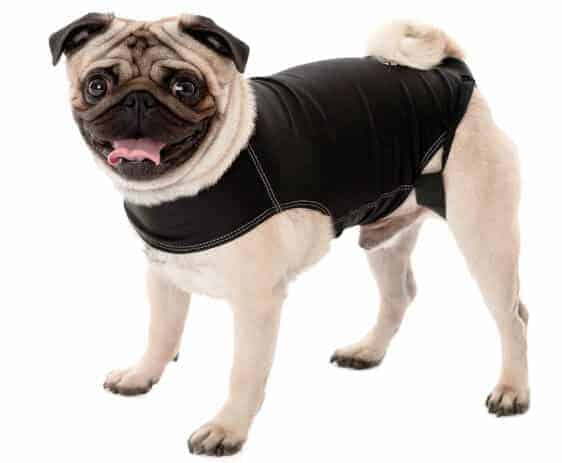
Pugs are the comedians of the dog world — goofy, charming, and completely devoted to making you smile. At 14 to 18 pounds, they’re a solid little package of personality. Pugs require minimal exercise, and their short coat needs only basic grooming. They’re wonderfully social, good with visitors, and rarely meet a person they don’t like. It’s important to note that pugs can have breathing difficulties due to their flat faces, so they do best in climate-controlled environments and shouldn’t be overexerted in hot weather.
8. French Bulldog
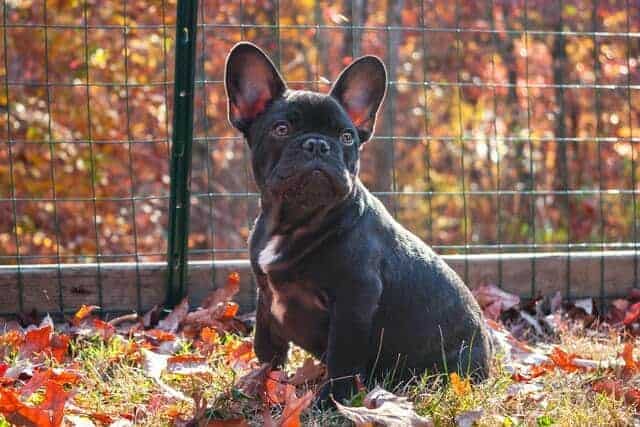
The French Bulldog has skyrocketed in popularity, and it’s easy to see why. Compact (under 28 pounds), quiet, and incredibly adaptable, Frenchies are content in any living situation. They don’t need much exercise — a short walk and some play satisfies them — and they’re not big barkers, which neighbours appreciate. Their affectionate, easygoing nature makes them outstanding companions. Like pugs, they are a brachycephalic breed, so heat management and breathing awareness are important.
9. Cocker Spaniel
The Cocker Spaniel is one of the most joyful dogs you’ll ever meet. With those soulful eyes and perpetually wagging tail, they radiate happiness. At 20 to 30 pounds, they’re on the larger end for this list, but they’re gentle, responsive, and beautifully trained. Cockers need moderate exercise — a good daily walk suits them well — and their gorgeous coat requires regular brushing and occasional professional grooming. They’re ideal for active seniors who enjoy spending time outdoors.
10. Greyhound
This one surprises people. Despite their racing heritage, retired Greyhounds are among the calmest, most gentle dogs you can own. Often called “45-mile-per-hour couch potatoes,” Greyhounds are happy with a couple of short walks and then spend most of the day lounging elegantly on your sofa. At 60 to 70 pounds, they’re the largest breed on this list, but they’re remarkably gentle, graceful, and easy to handle on leash. Their short coat needs almost no grooming. Adopting a retired racing Greyhound is also a deeply rewarding experience.
11. Pembroke Welsh Corgi
Corgis pack enormous personality into a low-slung, 25 to 30 pound frame. They’re intelligent, loyal, and surprisingly athletic for their size. Corgis are excellent for seniors who want a dog with a bit more spunk and engagement — they love learning tricks, going on walks, and participating in family life. Their herding background means they’re alert and watchful, making them good informal watchdogs. They do shed quite a bit, so regular brushing is essential, and they need consistent daily exercise to stay fit and happy.
12. Beagle
The Beagle is a friendly, curious, and wonderfully sturdy companion. At 20 to 30 pounds, they’re a comfortable medium size with a short, easy-care coat. Beagles are pack animals at heart, which means they bond strongly with their families and generally get along with everyone. They need regular exercise — their nose can lead them on adventures if left to their own devices — but a fenced garden and daily walks keep them content. Their merry disposition is genuinely infectious.
Breed Comparison Table
| Breed | Size (lbs) | Exercise Needs | Grooming | Health Considerations | Temperament |
|---|---|---|---|---|---|
| Cavalier King Charles Spaniel | 13–18 | Low to moderate | Moderate (regular brushing) | Heart conditions (MVD), eye issues | Gentle, affectionate, adaptable |
| Bichon Frise | 12–18 | Low to moderate | High (professional grooming needed) | Allergies, dental issues | Cheerful, social, playful |
| Miniature/Toy Poodle | 4–15 | Moderate | High (professional grooming needed) | Eye issues, joint problems | Intelligent, alert, trainable |
| Shih Tzu | 9–16 | Low | High (or moderate with puppy cut) | Eye issues, breathing sensitivity | Affectionate, outgoing, calm |
| Maltese | 4–7 | Low | Moderate to high | Dental issues, luxating patella | Gentle, devoted, lively |
| Havanese | 7–13 | Low to moderate | Moderate to high | Generally healthy; eye and joint checks | Curious, friendly, trainable |
| Pug | 14–18 | Low | Low (short coat, regular wrinkle cleaning) | Breathing issues, eye problems, overheating | Comical, loving, social |
| French Bulldog | 16–28 | Low | Low | Breathing issues, spinal conditions, overheating | Easygoing, quiet, affectionate |
| Cocker Spaniel | 20–30 | Moderate | High (regular brushing and trimming) | Ear infections, eye conditions | Joyful, gentle, responsive |
| Greyhound | 60–70 | Low to moderate | Very low | Bloat, dental issues, sensitivity to anaesthesia | Calm, gentle, independent |
| Pembroke Welsh Corgi | 25–30 | Moderate to high | Moderate (heavy shedding) | Back issues (IVDD), hip dysplasia | Loyal, alert, spirited |
| Beagle | 20–30 | Moderate to high | Low | Obesity, ear infections, epilepsy | Friendly, curious, merry |
Breeds Seniors Should Think Twice About
This isn’t about labelling any breed as “bad” — every dog deserves a loving home. But some breeds present challenges that can be genuinely difficult for older adults to manage safely.
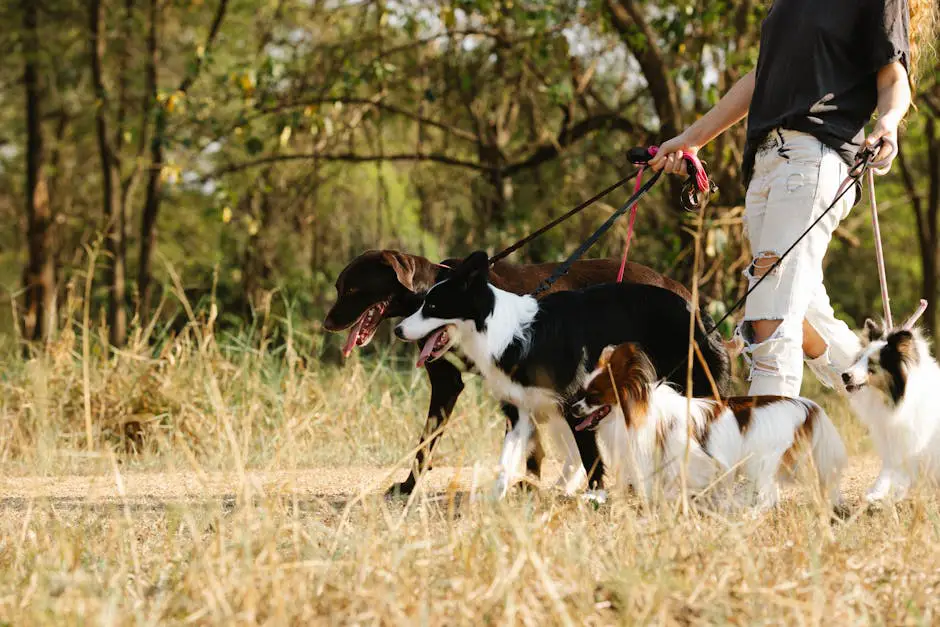
- Border Collies and Australian Shepherds — Brilliant dogs, but their intense exercise and mental stimulation needs can be overwhelming. An under-stimulated herding dog often develops destructive behaviours.
- Dalmatians — High energy, strong-willed, and prone to deafness. They need extensive daily exercise and firm, consistent training.
- Siberian Huskies and Alaskan Malamutes — Powerful, independent, and bred to run for miles. They’re escape artists who can easily overpower a handler on leash.
- Jack Russell Terriers — Despite their small size, Jack Russells are extraordinarily high-energy and can be stubborn. Their intensity often catches people off guard.
- Rottweilers, German Shepherds, and other large working breeds — Wonderful dogs in the right hands, but their size, strength, and training requirements may be too demanding for seniors with physical limitations.
The key question to ask yourself honestly is: “Can I meet this dog’s needs every single day, even on my worst days?” If the answer is uncertain, a lower-maintenance breed will make both you and the dog happier.
Practical Considerations Before Getting a Dog
Veterinary Costs
Dogs are a financial commitment. Routine veterinary care, vaccinations, flea and tick prevention, and dental cleanings add up. Budget for at least £500 to £1,000 per year for a healthy dog, with the understanding that emergencies or chronic conditions can significantly increase that figure. Pet insurance is worth exploring — it can soften the blow of unexpected bills, though premiums rise as dogs age.
Physical Capability
Be honest with yourself about your physical abilities. Can you bend down to fill water bowls? Walk for 20 to 30 minutes at least once a day? Handle a dog that pulls unexpectedly? If mobility is a concern, look for breeds that are easy to carry, don’t require vigorous exercise, and respond well to leash training. Consider also who might help if you’re temporarily unwell — a backup plan for dog care is essential.
Living Situation
If you rent, check that your lease allows pets and whether there are breed or size restrictions. If you live in a flat without a garden, low-energy breeds that can get their exercise from short walks are ideal. If you have a house with a secure garden, you have more flexibility, but remember that a garden doesn’t replace walks — dogs need the mental stimulation of exploring new environments.
Travel and Social Life
Consider how a dog fits into your lifestyle. Do you travel frequently? You’ll need reliable boarding or a pet sitter. Do you have regular social commitments? Some breeds handle being alone for a few hours, while others develop separation anxiety. If you’re highly social and active, a portable, friendly breed that can accompany you on outings may be the best fit.
Adopting a Senior Dog as a Senior
There’s a beautiful symmetry in a retired adult adopting a senior dog. Older dogs — typically seven years and above — offer some distinct advantages that puppies simply can’t match.
- What you see is what you get. A senior dog’s personality, energy level, and temperament are fully established. There are no surprises about how big they’ll get or how active they’ll be.
- Most are already house-trained. No puddles on the carpet, no midnight trips outside, no chewed furniture.
- They’re calmer. Senior dogs have outgrown the puppy zoomies, the mouthing, and the boundless energy that can be exhausting to manage.
- You’re saving a life. Older dogs are the hardest to rehome. By choosing a senior, you’re giving a deserving dog a loving final chapter.
Rescue organisations and breed-specific rescues often have wonderful senior dogs available. Many come with detailed histories from foster families, so you’ll know exactly what you’re getting. The bond that forms between a senior person and a senior dog is often profoundly special — a quiet, deep companionship built on mutual appreciation for the simple things.
A Daily Routine That Works
Structure helps both you and your dog thrive. Here’s what a comfortable daily routine might look like for a senior owner with a well-matched companion breed:
- Morning (7:00–8:00 AM): Wake up, let your dog out or take a short morning walk (15–20 minutes). Feed breakfast. This gentle start gets both of you moving without rushing.
- Mid-morning (10:00–11:00 AM): A brief play session — tossing a toy, practising a trick, or simply enjoying some garden time together. Mental stimulation is just as important as physical exercise.
- Afternoon (12:00–3:00 PM): Lunch for both of you, then a rest period. Most dogs are happy to nap alongside you. This is prime reading, television, or hobby time with your dog contentedly nearby.
- Late afternoon (4:00–5:00 PM): A second walk, slightly longer if you’re both up for it (20–30 minutes). This is social time — greet neighbours, visit a park, enjoy the fresh air.
- Evening (6:00–9:00 PM): Dinner, followed by a quiet evening together. Grooming, gentle play, or simply sitting together. Let your dog out for a final toilet break before bed.
This routine provides consistent structure that dogs love while remaining entirely manageable for someone in retirement. Adjust it to suit your energy levels and your dog’s needs — the beauty of retirement is that your schedule is your own.
Frequently Asked Questions
What is the easiest dog breed for an elderly person to care for?
The Cavalier King Charles Spaniel is widely considered one of the easiest breeds for elderly owners. They have moderate exercise needs, a gentle temperament, and are small enough to manage easily. Shih Tzus and Maltese are also excellent low-maintenance choices, particularly for those with very limited mobility.
Should seniors get a puppy or an adult dog?
An adult or senior dog is usually the better choice. Puppies require intensive training, frequent toilet breaks (including during the night), and have boundless energy that can be physically demanding. An adult dog over two years old has typically passed the most challenging stages, while a senior dog offers the calmest, most predictable companionship.
Are small dogs always better for seniors?
Not necessarily. While small dogs are generally easier to handle physically, some small breeds like Jack Russell Terriers are extremely high-energy and demanding. Conversely, some larger breeds like Greyhounds are remarkably calm and gentle. The dog’s temperament and energy level matter more than size alone. That said, for practical reasons like lifting into a car or managing on a leash, small to medium breeds are usually the most comfortable choice.
How much does it cost to own a dog as a retiree?
On average, expect to spend £800 to £1,500 per year on a dog, covering food, routine veterinary care, grooming, insurance, and supplies. Initial costs including adoption fees, vaccinations, microchipping, spaying or neutering, and basic supplies can run £300 to £800. Emergency veterinary care can add significantly to these figures, which is why pet insurance or a dedicated savings fund is strongly recommended.
What if I can no longer care for my dog due to health changes?
Planning ahead is essential. Consider establishing a pet care plan that includes a designated person — a family member, friend, or neighbour — who has agreed to take your dog if you’re unable to care for them. Some charities, such as the Cinnamon Trust in the UK, specifically help elderly and terminally ill people by walking their dogs, fostering pets during hospital stays, and rehoming animals when necessary. Having this plan in place brings peace of mind for both you and your companion.
Featured Image Source: Pexels