
Why Every Dog Needs a Crate
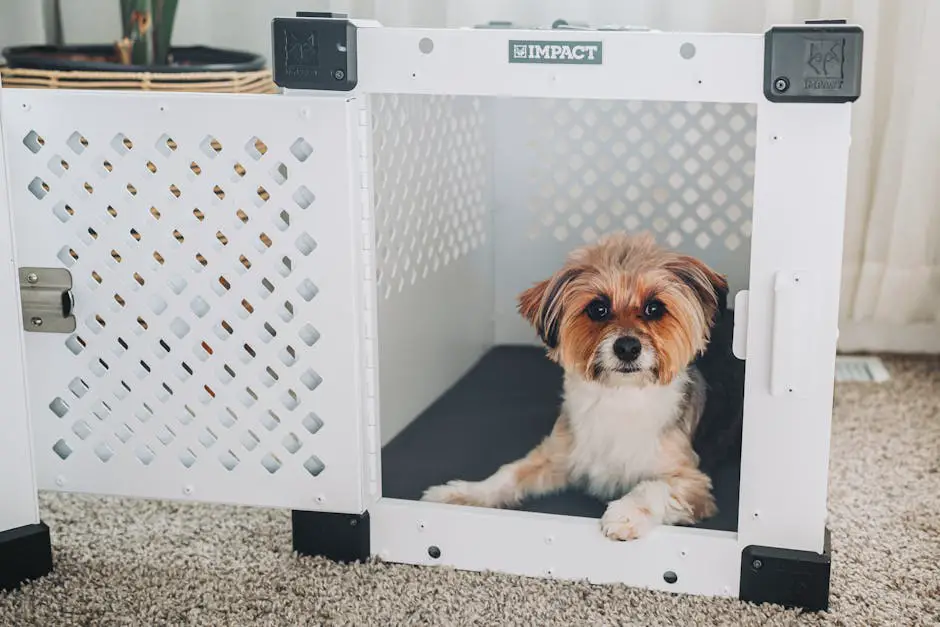
A dog crate isn’t a cage — it’s a den. Dogs are hardwired to seek out enclosed, secure spaces where they can rest without feeling exposed. A properly sized crate taps into that instinct and gives your dog a space that’s entirely theirs. Whether you’re housetraining a puppy, managing separation anxiety, or simply giving your adult dog a quiet retreat, the right crate is one of the most practical investments you’ll make as a dog owner.
Beyond comfort, crates serve critical safety functions. They keep destructive chewers away from electrical cords and toxic plants when you can’t supervise. They protect injured dogs during post-surgical recovery. And they’re essential for safe vehicle travel — a loose dog in a car is a projectile in a sudden stop.
The challenge? The dog crate market is flooded with options at wildly different price points, and choosing the wrong one means wasted money or, worse, a dog that hates confinement. This guide breaks down every type, size, and feature so you can match the right crate to your specific dog and situation.
Types of Dog Crates
Not all crates are built for the same purpose. Understanding the five main types will immediately narrow your search.
Wire Crates
Wire crates are the workhorse of the dog crate world. They offer maximum ventilation, full visibility for your dog, and most models fold flat for storage or transport. Many come with a removable divider panel — a feature that’s invaluable for puppy owners because you can expand the crate as your dog grows instead of buying multiple crates.
The trade-offs are noise (wire crates rattle when dogs move around) and aesthetics (they look industrial). Some dogs also feel too exposed in wire crates, which can increase anxiety rather than reduce it. A simple crate cover solves both problems.
Best for: General home use, puppy training, dogs who run warm, budget-conscious buyers.
Plastic Crates
Plastic crates — sometimes called airline kennels — are the enclosed, shell-style crates you’ve seen at airports. They provide a more den-like environment with limited visibility, which many anxious dogs prefer. Most are airline-approved for cargo travel, though you’ll need to verify specific airline requirements before flying.
They’re lighter than wire crates but don’t fold flat, so storage can be awkward. Ventilation is adequate but not as robust as wire, which matters in hot climates or for brachycephalic breeds that overheat easily.
Best for: Air travel, dogs who prefer enclosed spaces, anxious dogs, car travel.
Soft-Sided Crates
Soft-sided crates use a fabric shell over a lightweight frame, making them the most portable option by far. They collapse quickly, weigh very little, and work well for camping trips, hotel stays, or dog shows. Many fit under airline seats for in-cabin travel with small dogs.
The critical limitation: soft-sided crates offer zero security against a determined chewer or escape artist. One stressed dog can shred the mesh panels in minutes. These are strictly for well-trained, calm dogs who already view the crate as a positive space.
Best for: Travel with calm dogs, temporary containment at events, small well-trained dogs.
Heavy-Duty Crates
Built from reinforced steel, aluminium, or rotomolded plastic, heavy-duty crates are engineered for dogs that destroy standard crates. We’re talking about dogs with severe separation anxiety, powerful escape artists, or breeds with jaw strength that can bend wire crate bars.
These crates are significantly more expensive — often three to five times the cost of a wire crate — but they’re also the only option that works for certain dogs. Many feature slam-lock doors, rounded interior edges to prevent injury, and welded construction that eliminates weak points.
Best for: Escape artists, dogs with severe separation anxiety, powerful breeds, destructive chewers.
Furniture-Style Crates
Furniture-style crates double as end tables, credenzas, or decorative pieces. They’re built from wood, engineered wood, or wood-and-metal combinations and are designed to blend into your home décor rather than announce “a dog lives here.”
They look great but come with compromises. Most aren’t chew-proof, ventilation varies widely by design, and they’re heavy enough that repositioning is a two-person job. Cleaning can also be more difficult than with wire or plastic crates.
Best for: Living rooms and common areas, well-trained adult dogs, owners who prioritise aesthetics.
How to Measure Your Dog for the Right Crate Size
A crate that’s too small is uncomfortable and potentially cruel. A crate that’s too large defeats the purpose of den-like security and, for puppies, creates enough room to use one end as a toilet. Getting the size right matters.
The Measurement Method
- Length: Measure from the tip of your dog’s nose to the base of their tail (not the tip). Add 2 to 4 inches.
- Height: Measure from the floor to the top of your dog’s head or ear tips (whichever is taller) while sitting. Add 2 to 4 inches.
- Width: Most crates are proportionally sized, so length and height are the primary measurements. Your dog should be able to turn around comfortably.
For puppies, measure the expected adult size of the breed and buy that crate from the start. Use a divider panel to partition the space until they grow into it.
Crate Size Chart by Weight and Breed
| Crate Size | Dimensions (L x W x H) | Dog Weight | Example Breeds |
|---|---|---|---|
| Extra Small (22″) | 22″ x 13″ x 16″ | Up to 11 kg (25 lbs) | Chihuahua, Yorkshire Terrier, Pomeranian, Maltese |
| Small (24″) | 24″ x 18″ x 19″ | Up to 14 kg (30 lbs) | Pug, French Bulldog, Miniature Dachshund, Shih Tzu |
| Medium (30″) | 30″ x 19″ x 21″ | 14–18 kg (30–40 lbs) | Beagle, Cocker Spaniel, Corgi, Shetland Sheepdog |
| Intermediate (36″) | 36″ x 23″ x 25″ | 18–32 kg (40–70 lbs) | Border Collie, Bulldog, Australian Shepherd, Vizsla |
| Large (42″) | 42″ x 28″ x 30″ | 32–41 kg (70–90 lbs) | Labrador Retriever, Golden Retriever, Boxer, Husky |
| Extra Large (48″) | 48″ x 30″ x 33″ | 41–50 kg (90–110 lbs) | German Shepherd, Rottweiler, Doberman, Weimaraner |
| Giant (54″) | 54″ x 37″ x 45″ | Over 50 kg (110+ lbs) | Great Dane, Mastiff, Saint Bernard, Irish Wolfhound |
Important: These are guidelines, not absolutes. A lean, long-bodied dog like a Greyhound may need a longer crate than its weight suggests. A stocky, broad-chested breed like an English Bulldog may need a wider crate than typical for its weight class. Always measure your individual dog.
Features to Look For
Once you’ve identified the right type and size, these features separate a good crate from a frustrating one.
Door Placement and Number
Single front-door crates work fine when placement options are flexible. But if you plan to tuck the crate against a wall or into a corner, a double-door crate (front and side opening) gives you significantly more flexibility. Some large crates offer triple-door access, which is useful in tight spaces.
Check the latch mechanism carefully. Slide-bolt latches are more secure than simple hook latches, and dogs with dexterous paws can learn to flip basic latches open surprisingly quickly.
Divider Panels
If you’re buying a crate for a puppy, a divider panel is non-negotiable. It lets you section off the crate to match your puppy’s current size, which is essential for housetraining — dogs instinctively avoid soiling their sleeping area, but only if the space is small enough that they can’t designate a far corner as the bathroom.
Most quality wire crates include a divider. Plastic and soft-sided crates rarely do.
Portability
Consider how often you’ll move the crate. Wire crates that fold flat are easy to transport but heavy in larger sizes — a 48-inch wire crate can weigh over 18 kg. Look for models with carrying handles and wheels if you need to move a large crate regularly. Soft-sided crates win outright on portability, often weighing under 5 kg even in medium sizes.
Ventilation
This matters more than most buyers realise. Wire crates provide the best airflow by default. For plastic crates, check that ventilation slots cover at least three sides — some budget plastic crates have minimal venting on the sides, creating stuffy conditions. Dogs regulate body temperature primarily through panting, and a poorly ventilated crate in a warm room can cause genuine distress.
Removable Tray
A slide-out plastic tray at the base of a wire crate makes cleaning dramatically easier. Accidents happen — especially during housetraining — and being able to pull out the tray, wipe it down, and slide it back in saves real time. Avoid wire crates without a tray, as cleaning the floor underneath becomes a constant hassle.
Best Crates by Use Case
Your specific situation should drive the buying decision more than any brand name or review score.
For Puppy Training
Go with a wire crate with a divider panel. Buy the adult size your puppy will grow into and adjust the divider as they grow. This approach costs you one crate instead of three. Prioritise a sturdy slide-bolt latch (puppies test everything with their mouths) and a removable tray for easy cleanup during the housetraining phase.
For Travel
Your choice depends on the mode of travel. For air travel, you’ll need an IATA-compliant plastic crate with specific requirements: metal bolts instead of plastic clips, “Live Animal” labelling, and absorbent lining. Check your airline’s exact specifications, as they vary. For car travel, a crash-tested crate or a secured wire crate provides the best protection. For road trips with a calm dog, a soft-sided crate offers convenience and packability.
For Dogs with Anxiety
Anxious dogs need crates that feel like secure dens, not open cages. A plastic crate or a covered wire crate works well for mild anxiety. For dogs with severe anxiety who attempt to break out, invest in a heavy-duty steel crate — the cost is high, but it’s cheaper than repeated emergency vet visits for broken teeth and torn nails from escape attempts on standard crates.
Pair the crate with a proper behavioural modification programme. The crate manages the symptom; it doesn’t fix the underlying anxiety.
For Large and Giant Breeds
Large breed crates need to prioritise structural strength. A 60 kg dog leaning against a flimsy wire panel will warp it over time. Look for crates with heavier gauge wire, reinforced corners, and multiple latching points on doors. Giant breed crates (54 inches and up) are a significant piece of furniture — measure your intended space before ordering, and check doorway widths if the crate will be assembled in one room.
For Apartment Living
Space efficiency is everything in an apartment. A furniture-style crate that doubles as an end table or console eliminates the visual clutter of a wire cage in a small living space. Alternatively, a wire crate with a fitted cover and a flat top becomes an impromptu side table. Measure your available space carefully — in a small flat, even a few extra inches of crate width can block a walking path.
Crate Placement Tips for Your Home
Where you put the crate matters almost as much as which crate you buy.
- Avoid direct sunlight and heat sources. Next to a radiator or in a sunny conservatory turns the crate into an oven. Dogs can’t regulate heat as efficiently as humans.
- Choose a social but not chaotic location. The living room or kitchen corner works well — your dog can see and hear the family without being in the middle of foot traffic. Avoid high-traffic hallways where people constantly pass the crate.
- Keep it away from draughts. Next to an exterior door or single-glazed window in winter creates an uncomfortably cold sleeping spot.
- Place it on a level surface. A crate that rocks or wobbles on uneven flooring will unsettle most dogs.
- Consider a bedroom placement for nighttime. Dogs are social sleepers. A crate in or near your bedroom often produces better overnight results during crate training than isolating the dog in another room.
- Leave space for airflow. Don’t push the crate flush against walls on all sides, particularly with plastic crates where ventilation is already limited. Leave at least a few inches of clearance on the ventilated sides.
The Crate Training Connection
The best crate in the world is worthless if your dog hasn’t been properly introduced to it. Crate training is a process, not an event. It involves gradually building positive associations — feeding meals inside the crate, offering high-value treats, and slowly increasing the duration of crate time over days and weeks.
Forcing a dog into a crate and closing the door immediately almost always backfires. The dog panics, forms a negative association, and every subsequent crate session becomes harder. If your dog shows genuine distress (drooling, sustained barking, attempting to dig or chew out), slow down the process or consult a certified dog behaviourist.
The goal is a dog that walks into the crate voluntarily because they see it as a comfortable, rewarding space. Many well-trained dogs choose to nap in their crate with the door wide open — that’s the outcome you’re working toward.
Common Mistakes When Buying a Crate
These errors come up repeatedly, and every one of them leads to wasted money or a bad experience for your dog.
- Buying based on current puppy size. A 4 kg puppy that will grow into a 35 kg adult needs a 42-inch crate with a divider, not a 24-inch crate you’ll replace in two months.
- Choosing soft-sided for an untested dog. Until you know your dog is calm and non-destructive in a crate, a soft-sided option is a gamble. Start with wire or plastic, then upgrade to soft-sided for travel once you’re confident in their behaviour.
- Ignoring the latch quality. Cheap latches are the single most common failure point. Dogs learn to manipulate flimsy hook latches, and a determined nose can push open a poorly secured door. Test the latches before buying if possible.
- Skipping the removable tray. You will need to clean the crate floor. It’s not a question of if, it’s when. A crate without a removable tray turns a 30-second cleanup into a 10-minute ordeal.
- Buying the cheapest option available. Budget crates often use thinner gauge wire, flimsier latches, and rougher welds. The welds matter — rough or exposed wire ends can scratch or cut your dog. A mid-range crate from a reputable manufacturer costs modestly more and typically lasts the lifetime of your dog.
- Forgetting to measure the space. The crate has to fit in your home, not just fit your dog. Measure the intended location, account for door swing clearance, and remember that you need access to open the crate door fully.
- Using the crate as punishment. This isn’t a buying mistake, but it’s worth stating here: if you send your dog to the crate as a consequence of bad behaviour, you’re poisoning the association. The crate should only ever be linked to positive experiences.
Frequently Asked Questions
How long can I leave my dog in a crate?
Adult dogs should not be crated for more than 4 to 6 hours during the day. They need bathroom breaks, exercise, and social interaction. Puppies need out even more frequently — a general rule is one hour per month of age, up to about four hours maximum. Overnight crating is different, as dogs naturally sleep for 6 to 8 hours, but your dog should have had adequate exercise and a bathroom break before bedtime.
Should I put bedding in the crate?
It depends on your dog. A fully housetrained adult dog benefits from a comfortable crate pad or bed. However, puppies in the housetraining phase may soil soft bedding, and some dogs shred bedding out of boredom or anxiety, creating a choking hazard. Start with a simple towel or nothing at all for puppies and destructive dogs, and upgrade to a proper crate mat once they’ve demonstrated they won’t destroy it.
Can I crate two dogs together?
No. Each dog needs their own crate. Even dogs that get along perfectly can become resource-guarding or territorial in a confined space. Crating two dogs together also eliminates the individual den benefit — neither dog has a space that’s truly their own. Place the crates near each other if the dogs prefer companionship, but keep them separate.
When should I stop using a crate?
Some dogs are happily crated their entire lives and choose to sleep in their crate even when given free roam of the house. Others can be transitioned to freedom once they’re fully housetrained, past the destructive chewing phase, and reliably calm when left alone. This often happens around 18 to 24 months of age, though it varies significantly by breed and individual temperament. Transition gradually — leave the dog uncrated for short periods and extend the duration as they prove trustworthy.
Is it cruel to crate a dog?
A properly used crate is not cruel — it’s the opposite. Dogs are den animals, and a correctly sized crate in a comfortable location provides security and comfort. What is cruel is using a crate as a long-term storage solution: leaving a dog crated for 10+ hours daily, using a crate too small for the dog, or using the crate as punishment. The crate is a tool. Like any tool, the ethics depend entirely on how it’s used.
Featured Image Source: Pexels