

Understanding Pancreatitis in Dogs and Why Diet Matters
Finding the best dog food for dogs with pancreatitis can feel overwhelming, especially when your dog is in pain and you just want to help. Pancreatitis — inflammation of the pancreas — affects roughly 1-2% of all dogs, but certain breeds like Miniature Schnauzers, Cocker Spaniels, and Yorkshire Terriers face significantly higher risk.
The pancreas produces digestive enzymes and insulin. When it becomes inflamed, those enzymes activate prematurely and start digesting the organ itself. The result is excruciating abdominal pain, vomiting, lethargy, and potentially life-threatening complications. Diet plays a central role in both managing chronic pancreatitis and preventing flare-ups, making your choice of dog food one of the most important decisions you’ll make for an affected dog.
After researching veterinary nutritionist guidelines, analyzing fat content across dozens of formulas, and consulting published clinical data, we’ve identified seven dog foods that consistently meet the strict dietary requirements for pancreatitis-prone dogs. Our top pick is Royal Canin Gastrointestinal Low Fat, but several excellent options exist depending on your dog’s specific needs and your budget.
What Triggers Pancreatitis Flare-Ups
Pancreatitis flare-ups don’t always have an obvious cause, but veterinary research has identified several common triggers:
- High-fat meals or table scraps — The single most common trigger. A single fatty meal (bacon grease, turkey skin, butter) can send a dog into an acute episode.
- Obesity — Overweight dogs face significantly higher pancreatitis risk. The excess adipose tissue creates chronic low-grade inflammation.
- Certain medications — Potassium bromide, azathioprine, L-asparaginase, and some corticosteroids have been linked to pancreatitis.
- Hyperlipidemia — Elevated blood triglycerides, common in Miniature Schnauzers, directly increase risk.
- Endocrine disorders — Hypothyroidism, Cushing’s disease, and diabetes mellitus all predispose dogs to pancreatitis.
- Trauma or surgery — Physical disruption to the abdominal area can trigger inflammation.
Understanding these triggers helps explain why dietary management is so critical. You can’t always control medications or genetics, but you can control what goes into your dog’s bowl every day.
Fat Content Guidelines From Veterinary Nutritionists
Veterinary nutritionists use specific fat thresholds when recommending diets for pancreatitis patients:
| Condition | Recommended Crude Fat (Dry Matter Basis) |
|---|---|
| Chronic pancreatitis (maintenance) | Under 10% |
| Acute episode recovery | Under 7% |
| Severe/recurrent cases | Under 6% |
| Healthy dogs (for comparison) | 12-20% |
Dry matter basis is the key measurement here. The percentage on your dog food label includes moisture, which dilutes the number. A canned food listing 4% fat might actually contain 16% fat on a dry matter basis once you remove the water content. For kibble, the label percentage and dry matter percentage are close since kibble contains only 8-12% moisture.
To calculate dry matter fat percentage for wet food: divide the label fat percentage by (100 minus the moisture percentage), then multiply by 100. For example, a canned food with 4% fat and 78% moisture: 4 ÷ 22 × 100 = 18.2% fat on a dry matter basis — far too high for a pancreatitis dog.
What to Look for in a Pancreatitis-Friendly Dog Food
Fat Percentage Thresholds (Under 10% Crude Fat)
The non-negotiable starting point is crude fat content. For chronic pancreatitis management, look for foods with less than 10% crude fat on a dry matter basis. Many veterinary diets specifically designed for pancreatitis fall in the 5-8% range.
Don’t be fooled by marketing terms like “weight management” or “light” formulas. While these are lower in fat than regular foods, they often still contain 8-12% fat — borderline for a pancreatitis dog. True low-fat therapeutic diets sit well below this range.
Easily Digestible Protein Sources
A compromised pancreas struggles to process complex proteins. The best options include:
- White-meat chicken or turkey (skinless) — Lean, highly digestible, and gentle on the GI tract
- Whitefish (cod, whiting, pollock) — Very low in fat with excellent digestibility
- Egg protein — Among the most bioavailable protein sources for dogs
- Hydrolyzed protein — Pre-broken into small peptides that require minimal pancreatic effort to digest
Avoid rich protein sources like lamb, duck, salmon, and organ meats. While nutritious for healthy dogs, their higher fat content and complexity make them problematic for pancreatitis patients.
Ingredients to Avoid Completely
Steer clear of any dog food containing:
- Added oils or animal fats high on the ingredient list (chicken fat, fish oil in large quantities)
- Coconut oil or MCT oil — Despite health food marketing, these are concentrated fats
- Rendered animal fats or generic “animal fat”
- High-fat fruits like avocado
- Excessive fiber — While moderate fiber helps, too much can impair nutrient absorption in an already compromised digestive system
- Artificial preservatives (BHA, BHT, ethoxyquin) — Additional stress on an inflamed system
7 Best Dog Foods for Pancreatitis-Prone Dogs
Royal Canin Gastrointestinal Low Fat
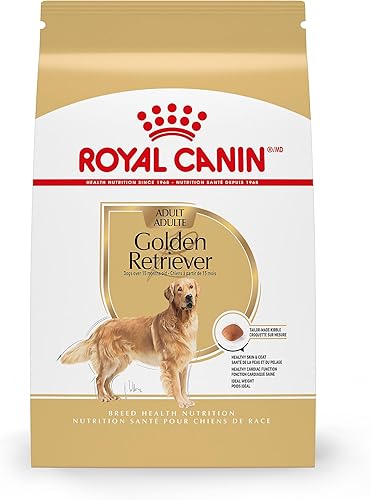
Crude Fat: 5.5% (dry matter ~6.1%) | Prescription Required
Royal Canin GI Low Fat is the gold standard for pancreatitis management and the food most frequently recommended by veterinary internal medicine specialists. Its fat content sits at just 5.5% as-fed, making it one of the lowest-fat commercial diets available.
The formula uses a blend of highly digestible proteins (chicken meal, chicken by-products, dried egg) combined with a carefully balanced fiber blend including beet pulp, psyllium seed husk, and fructooligosaccharides (FOS). The prebiotic FOS supports beneficial gut bacteria, which is especially important for dogs with compromised GI function.
Pros:
- Extremely low fat content (5.5%)
- Widely recommended by veterinary specialists
- Contains EPA and DHA omega-3s for anti-inflammatory support
- Excellent palatability despite low fat
- Available in both dry and canned formulas
Cons:
- Requires a veterinary prescription
- Premium pricing ($65-85 for a 22-lb bag)
- Contains by-products (though this is a quality/digestibility choice, not a flaw)
Best for: Dogs with chronic or recurrent pancreatitis requiring the strictest fat restriction.
Rating: 9.5/10

Hill’s Prescription Diet i/d Low Fat
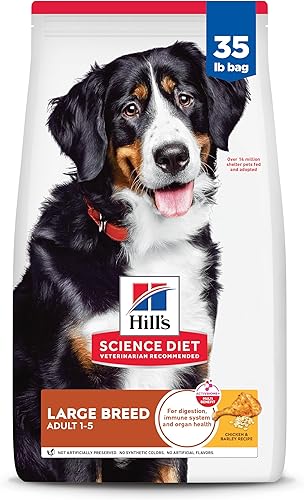
Crude Fat: 6.2% (dry matter ~6.8%) | Prescription Required
Hill’s i/d Low Fat is the closest competitor to Royal Canin and arguably just as effective clinically. It features a single animal protein source (chicken) with added ginger for its natural anti-nausea properties — a thoughtful inclusion for dogs prone to pancreatitis-related vomiting.
The formula includes Hill’s proprietary ActivBiome+ blend of prebiotics designed to nourish beneficial gut microbiome bacteria. Clinical studies published by Hill’s show improvement in stool quality within 24 hours for dogs with digestive upset.
Pros:
- Clinically proven digestive support
- Contains ginger for nausea reduction
- ActivBiome+ prebiotic technology
- Available in dry, canned, and stew formulas
- Consistent manufacturing quality
Cons:
- Prescription required
- Slightly higher fat than Royal Canin GI Low Fat
- Some dogs find it less palatable than competing formulas
- Price point similar to Royal Canin ($60-80 for 17.6 lbs)
Best for: Dogs with pancreatitis who also experience frequent vomiting or nausea.
Rating: 9.0/10
Purina Pro Plan Veterinary EN Gastroenteric Low Fat
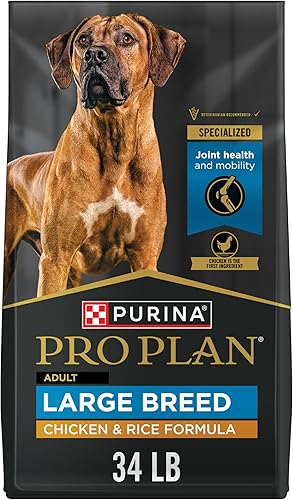
Crude Fat: 6.0% (dry matter ~6.5%) | Prescription Required
Purina Pro Plan Vet EN Low Fat offers excellent clinical efficacy at a slightly lower price point than Royal Canin or Hill’s. The formula uses soy protein isolate and rice as primary ingredients with added medium-chain triglycerides (MCTs) — fats that are absorbed directly into the bloodstream without requiring pancreatic lipase for digestion.
This MCT inclusion is clinically significant. It allows the food to provide adequate caloric density for recovery without burdening the pancreas with fat digestion. The formula also includes high levels of vitamins E and C as antioxidants.
Pros:
- MCT inclusion for efficient energy delivery
- Competitive pricing vs. other prescription diets ($55-70 for 18 lbs)
- Good palatability
- Backed by Purina’s extensive veterinary research
Cons:
- Contains soy (not suitable for soy-sensitive dogs)
- Limited flavor variety
- Prescription required
- Less widely stocked in vet clinics than Royal Canin or Hill’s
Best for: Budget-conscious owners needing a prescription-quality low-fat diet.
Rating: 8.5/10
Blue Buffalo Natural Veterinary Diet GI Gastrointestinal Support
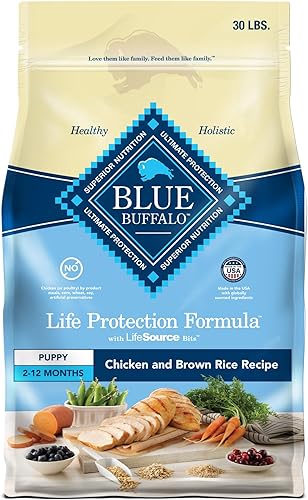
Crude Fat: 8.0% (dry matter ~8.7%) | Prescription Required
Blue Buffalo’s veterinary line offers a more “natural” ingredient profile compared to traditional prescription diets. The GI formula uses whole chicken as its first ingredient with no by-products, corn, wheat, or soy. At 8% fat, it sits higher than the previous three options but still within the recommended range for chronic pancreatitis management.
This food works best for dogs with mild to moderate pancreatitis history who haven’t required the ultra-low-fat approach. The inclusion of pumpkin provides gentle, soluble fiber that supports healthy digestion without adding unnecessary fat.
Pros:
- No by-products, corn, wheat, or soy
- Whole food ingredient profile
- Contains pumpkin and sweet potato for gentle fiber
- Good option for owners who prefer “natural” formulations
Cons:
- Higher fat content than the top three prescription options
- Prescription required
- Less clinical research backing compared to Royal Canin and Hill’s
- Higher price per pound than Purina Pro Plan Vet
Best for: Owners preferring a natural ingredient profile for mild-moderate pancreatitis cases.
Rating: 7.5/10
Honest Kitchen Whole Grain Turkey
Crude Fat: 6.0% (dry matter ~6.5%) | No Prescription Required
The Honest Kitchen stands out as the best non-prescription option for pancreatitis-prone dogs. This dehydrated whole-food diet uses human-grade turkey as its sole animal protein, combined with oats, barley, and an assortment of dehydrated vegetables. At just 6% fat, it matches or beats several prescription diets.
The dehydrated format means you add warm water before serving, which creates a porridge-like consistency that’s easy on compromised digestive systems. The human-grade designation means ingredients meet FDA standards for human consumption — a genuine quality differentiator, not just marketing.
Pros:
- No prescription required
- Human-grade ingredients
- Very low fat (6%)
- Single animal protein (turkey)
- Dehydrated format is gentle on digestion
- No preservatives, by-products, or fillers
Cons:
- Requires preparation (add water, wait 5 minutes)
- Expensive ($70-90 for a 10-lb box, making ~40 lbs of food)
- Limited protein options in the low-fat range
- Not specifically formulated for pancreatitis (general low-fat)
Best for: Owners who want a premium, non-prescription low-fat diet with whole food ingredients.
Rating: 8.0/10
Wellness Simple Limited Ingredient Turkey & Potato
Crude Fat: 9.0% (dry matter ~9.8%) | No Prescription Required
Wellness Simple takes a limited-ingredient approach with turkey as the single animal protein and potato as the primary carbohydrate. At 9% fat, it sits near the upper limit of what’s recommended for pancreatitis but still qualifies as a low-fat diet.
The limited ingredient list makes this food particularly useful for pancreatitis dogs who also have food sensitivities or allergies — a common dual diagnosis. Fewer ingredients mean fewer potential triggers for both conditions.
Pros:
- No prescription needed
- Limited ingredient formula (good for sensitive dogs)
- Single animal protein source
- No artificial colors, flavors, or preservatives
- Widely available at pet stores
- Reasonable pricing ($50-60 for 24 lbs)
Cons:
- Fat content near the upper acceptable limit (9%)
- Not appropriate for acute pancreatitis or severe cases
- Contains potatoes (some dogs don’t tolerate well)
- Not a therapeutic diet — lacks specialized digestive support
Best for: Dogs with mild pancreatitis history and concurrent food sensitivities.
Rating: 7.0/10
Solid Gold Fit & Fabulous
Crude Fat: 7.0% (dry matter ~7.6%) | No Prescription Required
Solid Gold Fit & Fabulous was designed as a weight management food, but its 7% fat content and high-quality ingredient list make it a solid over-the-counter option for pancreatitis management. The formula uses fresh-caught Alaskan pollock as its primary protein — a lean whitefish that’s highly digestible and naturally low in fat.
The inclusion of pumpkin, sweet potato, and a proprietary 20-species probiotic blend supports digestive health. At around $45-55 for a 22-lb bag, it’s also one of the most affordable options on this list.
Pros:
- Very affordable compared to prescription diets
- No prescription required
- Uses lean whitefish protein
- 20-species probiotic blend for gut health
- Contains pumpkin and sweet potato
- Widely available
Cons:
- Not specifically formulated for pancreatitis
- Fish-based formula may not appeal to all dogs
- Contains some grain ingredients (pearled barley, oatmeal)
- Higher fat than prescription options
Best for: Budget-conscious owners managing mild pancreatitis with an over-the-counter diet.
Rating: 7.5/10
Quick Comparison Table
| Food | Fat % | Prescription? | Price (approx.) | Best For |
|---|---|---|---|---|
| Royal Canin GI Low Fat | 5.5% | Yes | $65-85/22 lbs | Severe/chronic cases |
| Hill’s i/d Low Fat | 6.2% | Yes | $60-80/17.6 lbs | Pancreatitis with nausea |
| Purina Pro Plan Vet EN | 6.0% | Yes | $55-70/18 lbs | Budget prescription option |
| Blue Buffalo Vet GI | 8.0% | Yes | $60-75/22 lbs | Natural ingredient preference |
| Honest Kitchen Turkey | 6.0% | No | $70-90/10 lbs | Premium non-prescription |
| Wellness Simple Turkey | 9.0% | No | $50-60/24 lbs | Pancreatitis + allergies |
| Solid Gold Fit & Fabulous | 7.0% | No | $45-55/22 lbs | Budget-friendly OTC option |
Homemade Bland Diet Options During Flare-Ups
When a pancreatitis flare-up hits, your vet may recommend withholding food for 24-48 hours (with water available) before reintroducing a bland diet. This gives the pancreas time to rest and reduces enzyme stimulation.
Boiled Chicken and Rice Protocol
The classic bland diet protocol for pancreatitis flare-ups:
Ingredients:
- Boneless, skinless chicken breast (all fat trimmed)
- Plain white rice (not brown — white rice is easier to digest)
- Water
Preparation:
- Boil chicken breast in plain water until fully cooked (165°F internal temperature)
- Remove chicken from water and shred into small pieces
- Cook white rice according to package directions using plain water (no butter or oil)
- Mix in a ratio of 1 part chicken to 2-3 parts rice
- Serve at room temperature, not hot
Feeding schedule during recovery:
- Start with very small portions — 1-2 tablespoons per feeding for small dogs, 1/4 cup for medium dogs, 1/2 cup for large dogs
- Feed 4-6 small meals throughout the day instead of 1-2 large meals
- Gradually increase portion size over 3-5 days as tolerated
This homemade bland diet is not nutritionally complete and should only be used short-term (3-7 days) during acute episodes. Extended use without supplementation will create nutritional deficiencies.
When to Transition Back to Regular Food
Begin transitioning back to your dog’s regular low-fat diet once:
- Vomiting has stopped for at least 24 hours
- Appetite has returned to near-normal
- Stools are firming up
- Your vet gives the green light
Transition schedule:
- Days 1-2: 75% bland diet, 25% regular low-fat food
- Days 3-4: 50/50 mix
- Days 5-6: 25% bland diet, 75% regular food
- Day 7: 100% regular low-fat food
Never rush this transition. A too-fast return to regular food is one of the most common causes of repeat flare-ups within days of recovery.
Feeding Schedule Tips for Pancreatitis Dogs
How you feed matters almost as much as what you feed. These guidelines help minimize pancreatic stress:
Split meals into smaller, more frequent portions. Instead of one or two large meals, feed 3-4 smaller meals spread throughout the day. Smaller meals mean less digestive enzyme production per sitting, reducing strain on the pancreas.
Maintain strict consistency. Dogs with pancreatitis do best on a completely predictable diet. Same food, same amounts, same times every day. Avoid rotating proteins or brands unless directed by your vet.
Eliminate all treats and table scraps. This is the hardest rule for most owners but the most important. A single high-fat treat can trigger a flare-up that lands your dog in the emergency clinic. If you must use treats for training, break their regular kibble into small pieces or use commercially available low-fat training treats (look for under 3% fat).
Serve food at room temperature. Very cold food straight from the fridge can cause GI discomfort. Let refrigerated food sit out for 10-15 minutes or add a splash of warm water.
Monitor body condition closely. Low-fat diets contain fewer calories per cup. You may need to feed slightly larger volumes to maintain healthy body weight. Conversely, if your pancreatitis dog is overweight, work with your vet to create a gradual weight loss plan — crash dieting can itself trigger pancreatitis flare-ups.
Keep a feeding diary. Track what your dog eats, how much, and any symptoms that follow. This becomes invaluable data for your vet when adjusting the dietary plan.
FAQ
Can dogs with pancreatitis eat raw food?
Raw diets are generally not recommended for dogs with pancreatitis. Most raw formulas are high in fat (often 15-25% or more), which directly contradicts the low-fat dietary requirement. Raw diets also carry bacterial contamination risks that can further stress an already compromised digestive system. Stick with cooked, low-fat commercial diets or vet-prescribed formulas.
How long does a dog need to stay on a low-fat diet after pancreatitis?
For a single mild episode, your vet may recommend a low-fat diet for 2-4 weeks before slowly transitioning back to a moderate-fat maintenance food. For dogs with chronic or recurrent pancreatitis, a low-fat diet is typically a permanent lifestyle change. Many veterinary nutritionists recommend lifelong fat restriction once a dog has had more than one episode.
Is grain-free food better for dogs with pancreatitis?
No. Grain-free status has no connection to pancreatitis management. In fact, the FDA has investigated a potential link between grain-free diets and dilated cardiomyopathy (DCM) in dogs. What matters for pancreatitis is fat content, not grain content. Many of the best pancreatitis-friendly foods contain whole grains like rice, barley, and oats, which provide gentle, easily digestible carbohydrate energy.
Can I add supplements to my dog’s pancreatitis diet?
Consult your vet before adding any supplements. That said, several supplements have evidence supporting their use in pancreatitis management: digestive enzymes (pancreatic enzyme supplementation), probiotics to support gut health, and omega-3 fatty acids from fish oil in controlled, small amounts for anti-inflammatory benefits. Avoid any oil-based supplements in large quantities, as they add fat to the diet.
What are the warning signs that my dog’s pancreatitis is getting worse?
Seek immediate veterinary attention if your dog shows: repeated vomiting that won’t stop, complete refusal to eat or drink for more than 24 hours, hunched or “prayer position” posture (front legs down, rear end up — indicating severe abdominal pain), bloody stool or vomit, fever, extreme lethargy or collapse, or a visibly distended abdomen. Severe acute pancreatitis can be fatal without aggressive veterinary treatment including IV fluids, pain management, and anti-nausea medications.
Final Verdict
Choosing the best dog food for dogs with pancreatitis comes down to severity, budget, and whether you can obtain a prescription. For dogs with chronic or severe pancreatitis, Royal Canin Gastrointestinal Low Fat (9.5/10) remains the top recommendation thanks to its ultra-low 5.5% fat content and extensive veterinary backing. Hill’s i/d Low Fat (9.0/10) is an equally strong choice, especially for dogs struggling with nausea.
If prescription diets aren’t accessible or affordable, Honest Kitchen Whole Grain Turkey (8.0/10) delivers prescription-level fat restriction with human-grade whole food ingredients — no vet authorization needed.
Whichever food you choose, remember that consistency matters more than perfection. A good low-fat diet fed reliably every day, with zero table scraps and minimal treats, will do more for your pancreatitis dog than the “perfect” food fed inconsistently. Work closely with your veterinarian, keep that feeding diary, and don’t hesitate to seek emergency care if symptoms worsen. With the right dietary management, most dogs with pancreatitis can live comfortable, happy lives.
Featured Image Source: Pexels