

Best Dog Food for German Shepherds: A Complete Nutrition Guide
German Shepherds are among the most versatile and intelligent breeds on the planet. Whether they’re serving as working dogs, competing in sport, or simply being loyal family companions, their bodies demand fuel that matches their extraordinary capabilities. Yet feeding a German Shepherd isn’t as straightforward as scooping kibble into a bowl. This breed carries a unique set of nutritional requirements and health vulnerabilities that make diet selection genuinely consequential.
Choosing the best dog food for German Shepherds means understanding what this breed needs at a biological level — from the protein that powers their muscular frames to the targeted supplements that protect their notoriously vulnerable joints. This guide breaks down everything you need to know to feed your GSD with confidence.
Understanding German Shepherd Nutritional Needs
German Shepherds are large, athletic dogs that typically weigh between 50 and 90 pounds at maturity. They have fast metabolisms relative to their size, lean muscle mass that requires sustained protein intake, and skeletal structures that benefit enormously from targeted nutritional support. Getting the macronutrient balance right is essential.
Protein Requirements
Protein is the foundation of any German Shepherd’s diet. This breed thrives on diets with 22–30% protein content from high-quality animal sources. Look for foods where a named animal protein — chicken, beef, lamb, salmon, or turkey — appears as the first ingredient. Avoid foods that list vague terms like “meat meal” or “animal by-products” without further specification.
German Shepherds maintain significant lean muscle mass even when they aren’t working dogs. That muscle tissue requires a steady supply of amino acids for maintenance and repair. Diets that skimp on protein or rely heavily on plant-based protein sources like corn gluten meal simply don’t deliver what this breed needs.
Fat and Energy
Healthy fats should constitute 12–18% of your GSD’s diet. Fat provides concentrated energy, supports skin and coat health, and aids in the absorption of fat-soluble vitamins (A, D, E, and K). German Shepherds are particularly prone to dry, flaky skin and dull coats when their diet lacks adequate omega-3 and omega-6 fatty acids.
Sources like fish oil, flaxseed, and chicken fat are excellent. Fish oil is especially valuable because it provides EPA and DHA — omega-3 fatty acids with documented anti-inflammatory properties that benefit joints, skin, and cognitive function.
Joint Support Nutrients
No discussion of German Shepherd nutrition is complete without addressing joint health. This breed is genetically predisposed to hip and elbow dysplasia, making glucosamine and chondroitin essential dietary components rather than optional extras. Look for foods that include:
- Glucosamine (minimum 300 mg/kg) — supports cartilage formation and repair
- Chondroitin sulfate — helps cartilage retain water and elasticity
- MSM (methylsulfonylmethane) — a natural anti-inflammatory compound
- Omega-3 fatty acids — reduce joint inflammation at the cellular level
Starting joint support early — ideally during puppyhood — can make a measurable difference in your German Shepherd’s mobility as they age.
Common Health Issues Affected by Diet
German Shepherds are wonderful dogs, but they carry a heavier health burden than many breeds. Several of their most common conditions are directly influenced by what they eat.
Hip and Elbow Dysplasia
Dysplasia occurs when joints develop abnormally, leading to arthritis, pain, and reduced mobility. While genetics play the primary role, diet significantly influences how severely dysplasia manifests. Overfeeding puppies — especially with calorie-dense foods — accelerates growth beyond what developing joints can support. A controlled-calorie, large-breed puppy formula that promotes steady rather than rapid growth is critical during the first 12–18 months.
Bloat (Gastric Dilatation-Volvulus)
German Shepherds are among the breeds most susceptible to bloat, a life-threatening condition where the stomach fills with gas and can twist on itself. While bloat has multiple causes, dietary factors play a role. To reduce risk:
- Feed two or three smaller meals rather than one large meal
- Avoid foods with fat listed in the first four ingredients
- Choose kibble with moderate-sized pieces — not too small, not too large
- Avoid elevated food bowls (contrary to older advice, research suggests they may increase risk)
- Prevent vigorous exercise for 30–60 minutes after eating
Exocrine Pancreatic Insufficiency (EPI)
EPI is a condition where the pancreas fails to produce adequate digestive enzymes, and German Shepherds are the breed most commonly affected. Dogs with EPI can’t properly digest and absorb nutrients, leading to weight loss, chronic diarrhea, and malnutrition despite eating normal amounts. While EPI requires veterinary treatment including enzyme supplementation, a highly digestible, low-fiber diet supports management of the condition. Dogs with EPI often do better on foods with easily digestible protein sources like egg, fish, or hydrolyzed proteins.
Skin Allergies and Sensitivities
German Shepherds frequently suffer from environmental and food allergies that manifest as itching, hot spots, ear infections, and chronic skin irritation. Common dietary allergens for this breed include chicken, wheat, corn, soy, and dairy. If your GSD shows signs of food sensitivity, consider a limited-ingredient diet built around a novel protein source such as venison, duck, or salmon paired with a simple carbohydrate like sweet potato or peas.
What to Look for in a German Shepherd Dog Food
With thousands of dog food products on the market, narrowing your options requires knowing exactly what matters for this breed.
Ideal Ingredient Profile
The best dog food for German Shepherds should feature:
- Named animal protein as the first ingredient — deboned chicken, salmon, beef, or lamb
- A second animal protein source in the top five ingredients — this boosts overall protein quality
- Healthy fat sources — salmon oil, chicken fat, or flaxseed
- Complex carbohydrates — sweet potato, brown rice, oats, or barley (avoid corn and wheat as primary carbs)
- Joint supplements — glucosamine and chondroitin included in the formula
- Probiotics and prebiotics — for digestive health, particularly important given GSD stomach sensitivity
- Chelated minerals — more bioavailable than standard mineral forms
Protein Source Considerations
Not all proteins are equal for German Shepherds. Here’s how common sources compare:
- Fish (salmon, whitefish) — excellent for skin and coat health, rich in omega-3s, lower allergen risk
- Lamb — highly digestible, good for dogs with chicken sensitivities
- Beef — nutrient-dense and palatable, but some GSDs develop sensitivities
- Chicken — affordable and nutritious, but it’s the most common allergen in dogs
- Turkey — lean protein source, well-tolerated by most dogs
- Venison or bison — novel proteins useful for elimination diets
Supplements Worth Including
Beyond glucosamine and omega fatty acids, look for formulas that include L-carnitine (supports lean muscle maintenance and fat metabolism), taurine (supports heart health), and vitamin E (a powerful antioxidant that supports immune function). These additions reflect a manufacturer that understands large-breed nutritional science rather than simply meeting minimum AAFCO requirements.
Feeding Guide by Life Stage
German Shepherds have dramatically different nutritional requirements depending on their age. Feeding the wrong amount — or the wrong formula — at any life stage can have lasting consequences.
Puppy (8 Weeks to 12 Months)
German Shepherd puppies grow rapidly, but controlled growth is essential. Large-breed puppy formulas contain carefully calibrated calcium-to-phosphorus ratios (ideally 1.2:1) that support proper bone development without encouraging dangerously fast growth. Feed a large-breed-specific puppy food — not an all-life-stages formula — until your GSD reaches skeletal maturity around 12–18 months.
Divide daily portions into three meals until six months of age, then transition to two meals per day. Never free-feed a German Shepherd puppy.
Adult (1 to 7 Years)
Adult German Shepherds need a maintenance diet that sustains their muscle mass and energy levels without promoting weight gain. Active and working dogs may need up to 20% more calories than their sedentary counterparts. Always adjust portions based on body condition rather than strictly following bag guidelines — you should be able to feel your GSD’s ribs without pressing hard, and they should have a visible waist when viewed from above.
Senior (7+ Years)
As German Shepherds age, their metabolism slows and joint issues typically become more pronounced. Senior formulas should offer moderate protein (still 20%+), reduced calories, and enhanced joint support. Increased fiber can help with digestive regularity, and higher levels of antioxidants support cognitive function. Avoid dramatically cutting protein in senior diets — older dogs actually need adequate protein to maintain muscle mass and immune function.
Daily Feeding Amounts by Age and Weight
| Life Stage | Weight Range | Daily Amount (Cups) | Meals Per Day | Calories Per Day |
|---|---|---|---|---|
| Puppy (2–4 months) | 10–25 lbs | 1.5–2.5 | 3 | 800–1,200 |
| Puppy (4–6 months) | 25–45 lbs | 2.5–3.5 | 3 | 1,200–1,800 |
| Puppy (6–12 months) | 45–70 lbs | 3–4 | 2 | 1,600–2,200 |
| Adult (moderate activity) | 50–70 lbs | 2.5–3.5 | 2 | 1,400–1,800 |
| Adult (moderate activity) | 70–90 lbs | 3.5–4.5 | 2 | 1,800–2,400 |
| Adult (high activity/working) | 60–90 lbs | 4–6 | 2 | 2,200–3,200 |
| Senior (7+ years) | 50–70 lbs | 2–3 | 2 | 1,200–1,500 |
| Senior (7+ years) | 70–90 lbs | 3–4 | 2 | 1,500–2,000 |
Note: These are general guidelines based on average-calorie kibble (~350 kcal/cup). Actual amounts vary by formula, individual metabolism, activity level, and body condition. Always consult your veterinarian for personalized feeding recommendations.
Top Ingredients to Seek and Avoid
Ingredients to Prioritize
- Deboned salmon or salmon meal — outstanding protein plus omega-3 fatty acids
- Sweet potatoes — grain-free complex carbohydrate with fiber and beta-carotene
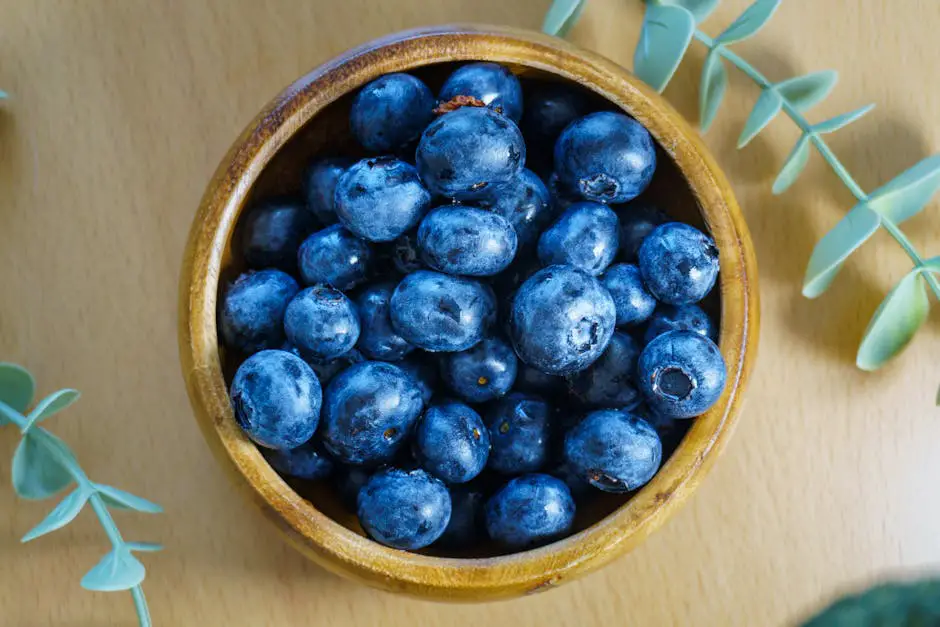
- Blueberries and cranberries — antioxidant-rich superfoods
- Pumpkin — excellent digestive support, particularly beneficial for GSD-sensitive stomachs
- Chicken fat (named source) — highly palatable, energy-dense fat with good omega-6 profile
- Kelp or seaweed — natural source of trace minerals and iodine
- Flaxseed — plant-based omega-3s and soluble fiber
- Chicory root — prebiotic fiber that feeds beneficial gut bacteria
Ingredients to Avoid
- Corn, wheat, and soy — common allergens with lower nutritional value as primary ingredients
- Artificial preservatives (BHA, BHT, ethoxyquin) — linked to health concerns with long-term exposure
- Artificial colors and flavors — unnecessary and potentially irritating
- Unnamed meat meals (“meat meal,” “animal by-product meal”) — you don’t know what you’re feeding
- Excessive salt or sugar — used to enhance palatability in lower-quality foods
- Propylene glycol — a humectant found in some semi-moist foods, unnecessary and potentially harmful
- Carrageenan — a thickener in wet foods associated with gastrointestinal inflammation
Raw vs. Kibble vs. Fresh: The Feeding Debate
German Shepherd owners frequently find themselves debating which feeding format is best. Each approach has genuine merits and legitimate drawbacks worth weighing honestly.
Kibble
High-quality kibble remains the most practical choice for most GSD owners. It’s convenient, shelf-stable, cost-effective, and nutritionally complete when you choose a reputable brand. Premium kibbles formulated for large breeds can deliver excellent nutrition, including joint supplements and breed-appropriate nutrient ratios. The primary drawback is that heavily processed foods may lose some bioavailability of nutrients, and kibble-only diets can be lower in moisture content than ideal.
Raw Diets (BARF / Prey Model)
Raw feeding has passionate advocates who report improvements in coat quality, energy levels, dental health, and stool quality. A well-formulated raw diet can be nutritionally excellent for German Shepherds. However, raw feeding requires significant knowledge, time, and financial investment to execute safely. Improperly balanced raw diets can cause serious nutritional deficiencies — calcium and phosphorus imbalances are particularly dangerous for large-breed dogs. There’s also the matter of bacterial contamination risk, which is especially relevant in households with young children or immunocompromised individuals.
If you choose raw feeding, work with a veterinary nutritionist to ensure balanced formulations, and source ingredients from reputable suppliers.
Fresh and Gently Cooked Diets
Fresh dog food services have carved out an appealing middle ground. These subscription-based meals are formulated by veterinary nutritionists, gently cooked to maintain nutrient integrity, and portioned for your specific dog. They offer higher digestibility than kibble without the safety concerns of raw feeding. The main drawback is cost — fresh food services typically run three to five times more expensive than premium kibble, which adds up quickly for a breed that eats 3–5 cups of food daily.
The Hybrid Approach
Many experienced German Shepherd owners find success with a hybrid feeding strategy: a high-quality kibble base supplemented with fresh toppers like sardines, raw eggs, steamed vegetables, or a splash of bone broth. This approach captures some benefits of fresh feeding while keeping costs manageable. If you go this route, ensure toppers don’t exceed 10–15% of total daily calories to avoid unbalancing the base diet’s carefully calculated nutrient ratios.
Frequently Asked Questions
How much protein does a German Shepherd need daily?
Adult German Shepherds thrive on diets containing 22–30% protein from animal sources. Working dogs, pregnant or nursing females, and growing puppies may benefit from the higher end of that range. The key isn’t just the percentage — it’s the quality and digestibility of the protein source. A diet with 26% protein from deboned salmon and salmon meal delivers far more usable amino acids than a diet with 30% protein derived largely from corn gluten meal and soy protein isolate. Prioritize named animal proteins in the first few ingredients.
Should German Shepherds eat grain-free food?
Not necessarily. The FDA has investigated a potential link between grain-free diets and dilated cardiomyopathy (DCM) in dogs, and while the research is ongoing, the concern is real enough to warrant caution. Many German Shepherds do perfectly well on foods containing wholesome grains like brown rice, oats, and barley. These grains provide valuable fiber, B vitamins, and sustained energy. Grain-free diets are appropriate when a dog has a documented grain allergy or intolerance, but they shouldn’t be chosen based on the assumption that grain-free automatically means healthier. If you do feed grain-free, choose formulas that avoid heavy reliance on peas, lentils, and potatoes as primary carbohydrate sources.
How do I know if my German Shepherd has a food allergy?
Common signs of food allergies in German Shepherds include chronic ear infections, persistent itching (especially paws and ears), hot spots, gastrointestinal upset, and dull or thinning coat. The only reliable way to identify a food allergy is through an elimination diet trial lasting 8–12 weeks, conducted under veterinary guidance. During this trial, your dog eats a single novel protein and carbohydrate source, then suspected allergens are reintroduced one at a time. Blood tests marketed as food allergy panels are widely considered unreliable by veterinary dermatologists and are not recommended as a diagnostic tool.
When should I switch my German Shepherd puppy to adult food?
Most German Shepherds should transition from puppy to adult food between 12 and 18 months of age. Larger males may benefit from staying on large-breed puppy formula until 18 months, while smaller females may be ready to transition at 12 months. The transition should happen gradually over 7–10 days, mixing increasing proportions of adult food with decreasing amounts of puppy food to avoid digestive upset. Your veterinarian can assess skeletal maturity through physical examination to help determine the optimal transition timing for your individual dog.
Can I feed my German Shepherd a homemade diet?
You can, but it requires serious commitment and professional guidance. Studies have shown that the vast majority of homemade dog food recipes found online — including those published in books and on veterinary websites — are nutritionally incomplete. German Shepherds are especially vulnerable to dietary imbalances because of their joint health needs and digestive sensitivities. If you want to feed homemade food, invest in a consultation with a board-certified veterinary nutritionist (DACVN) who can formulate a recipe specifically for your dog’s breed, age, weight, and health status. Expect to include a commercial vitamin-mineral supplement to fill nutritional gaps, and commit to regular check-ups to monitor your dog’s bloodwork and body condition.
Featured Image Source: Pexels