


Why Puppy Nutrition Is Different from Adult Dogs
Feeding a puppy isn’t simply a matter of offering smaller portions of adult dog food. Puppies have fundamentally different nutritional needs that reflect the extraordinary biological changes happening inside their growing bodies. Getting nutrition right during the first year of life sets the foundation for your dog’s long-term health, energy, and quality of life.
Growth Plates and Skeletal Development
Puppies are born with soft, cartilaginous growth plates at the ends of their long bones. These plates are responsible for bone lengthening and don’t fully harden and close until a dog reaches skeletal maturity — typically between 10 and 18 months depending on breed size. During this window, puppies require a precise balance of calcium and phosphorus (ideally a calcium-to-phosphorus ratio between 1.2:1 and 1.5:1) to support proper bone formation without encouraging dangerously rapid growth. Too much calcium can be just as harmful as too little, particularly in large and giant breeds where excessive supplementation has been linked to developmental orthopedic diseases like osteochondrosis and hypertrophic osteodystrophy.
Brain Development and Cognitive Function
A puppy’s brain undergoes its most rapid development during the first several months of life. DHA (docosahexaenoic acid), an omega-3 fatty acid found naturally in mother’s milk and fish oil, plays a critical role in neural development, learning ability, and trainability. Research published in the Journal of the American Veterinary Medical Association has demonstrated that puppies fed diets enriched with DHA showed measurably improved cognitive performance compared to those on DHA-deficient diets. Quality puppy foods include DHA from ingredients like fish meal, fish oil, or algal sources.
Immune System Maturation
Puppies receive initial immune protection through maternal antibodies in colostrum, but this passive immunity wanes between 6 and 16 weeks of age — precisely the period when most puppies are transitioning to new homes and new diets. Proper nutrition during this vulnerable window supports the developing immune system through antioxidants like vitamins E and C, zinc, selenium, and prebiotics that encourage healthy gut flora. Since roughly 70% of a dog’s immune system resides in the gastrointestinal tract, the connection between diet quality and disease resistance is direct and significant.
Caloric and Protein Demands
Pound for pound, puppies need approximately twice the caloric intake of adult dogs. They also require higher protein levels — the Association of American Feed Control Officials (AAFCO) sets the minimum protein requirement for puppy food at 22.5%, compared to 18% for adult maintenance. These elevated protein levels supply the amino acids necessary for building muscle tissue, organs, skin, and coat during the most intensive growth period of a dog’s life.
When to Switch from Mother’s Milk to Solid Food
The weaning process is a gradual transition, not an abrupt switch. Understanding the timeline helps ensure puppies move to solid food smoothly and without digestive upset.
Weeks 1–3: Puppies rely entirely on mother’s milk (or a veterinary-approved milk replacer for orphaned litters). Nursing provides complete nutrition along with critical antibodies.
Weeks 3–4: You can begin introducing a “gruel” — a mixture of high-quality puppy kibble soaked in warm water or milk replacer until it reaches a porridge-like consistency. Place this in a shallow dish and allow puppies to explore it. Most will walk through it before they learn to eat it, and that’s perfectly normal.
Weeks 4–6: Gradually reduce the amount of liquid mixed with the kibble so the food becomes progressively firmer. Puppies should still be nursing during this period, but their intake of solid food will steadily increase.
Weeks 6–8: By seven to eight weeks, most puppies should be eating moistened or dry kibble comfortably and can be fully weaned from their mother. This is also typically the age at which puppies go to their new homes.
Important note: When you bring a new puppy home, continue feeding the same food the breeder or rescue was using for at least the first one to two weeks. Any diet changes should happen gradually over 7 to 10 days, mixing increasing proportions of the new food with the old to avoid gastrointestinal distress.
Top 7 Puppy Foods for 2026
After evaluating ingredient quality, nutritional profiles, manufacturing standards, and real-world feeding results, the following seven puppy foods consistently stand out. Each has distinct strengths depending on your puppy’s breed size, sensitivity, and specific needs.
1. Purina Pro Plan Puppy
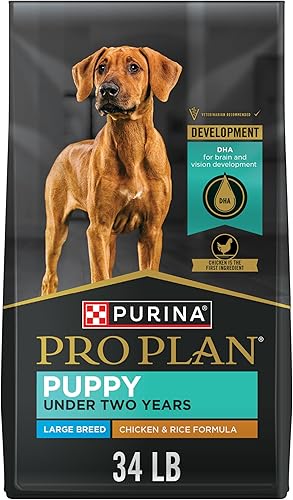
Key features: Purina Pro Plan has long been a veterinary-recommended brand, and its puppy formulas reflect decades of feeding trials and nutritional research. Real chicken is the first ingredient, and the formula includes live probiotics added after the cooking process to support digestive health. DHA from fish oil supports brain and vision development, while calcium, phosphorus, and other minerals are carefully balanced for growing bones.
Protein content: 28% crude protein minimum.
Best for: Small, medium, and large breed puppies. Purina Pro Plan offers size-specific formulas including a dedicated Large Breed Puppy formula with controlled calcium levels to support healthy joint and bone development in breeds that will exceed 50 pounds at maturity. This is an excellent all-around choice for owners who want proven, science-backed nutrition at a reasonable price point.

2. Royal Canin Puppy
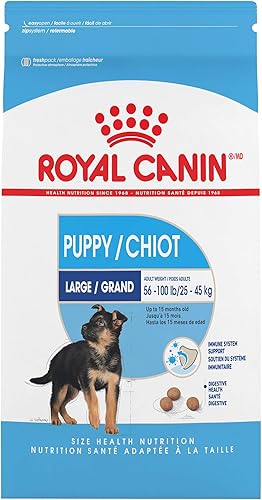
Key features: Royal Canin takes breed-specific nutrition further than any other manufacturer, offering targeted formulas for over 20 individual breeds along with size-based options. Their kibble shape and size are engineered to match breed-specific jaw structures, encouraging proper chewing and slowing down fast eaters. The formulas include a precise blend of antioxidants (vitamins E and C, lutein, taurine) to support developing immune systems, and highly digestible proteins to reduce stool volume.
Protein content: 27–32% crude protein depending on the specific formula.
Best for: Owners of specific breeds who want a formula fine-tuned for their puppy’s unique growth curve and body type. The breed-specific lines (such as those for French Bulldogs, Golden Retrievers, and German Shepherds) account for differences in growth rate, adult size, facial structure, and common breed-related sensitivities. Also an excellent choice for puppies with sensitive digestion.
3. Hill’s Science Diet Puppy
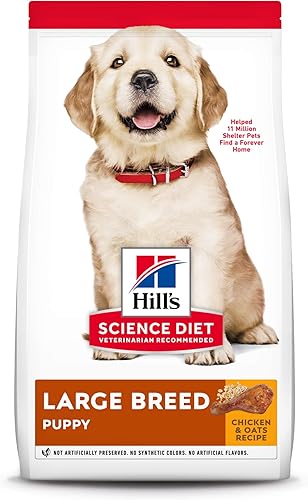
Key features: Developed by veterinary nutritionists and backed by extensive clinical research, Hill’s Science Diet Puppy delivers a balanced nutritional profile without unnecessary additives. The formula uses chicken meal and barley as primary ingredients, providing sustained energy and digestible protein. Natural DHA from fish oil supports cognitive development, while a calibrated mineral profile promotes strong bones and teeth. Hill’s is one of the few brands that conducts AAFCO feeding trials rather than relying solely on formulation analysis.
Protein content: 24.5% crude protein minimum (standard formula); higher in the Large Breed Puppy formula.
Best for: Medium breed puppies and owners who prioritize clinically validated nutrition. The Large Breed Puppy formula is particularly well-regarded for its controlled calorie density and optimized calcium levels, which help large and giant breed puppies grow at a steady, healthy pace. A solid choice when your veterinarian recommends a therapeutic-quality brand.
4. Blue Buffalo Life Protection Puppy
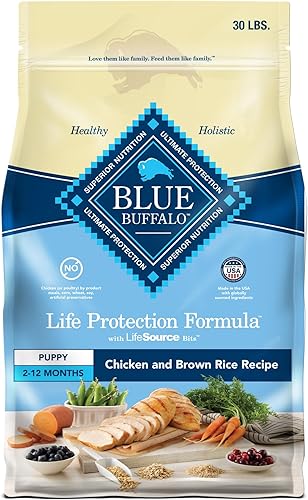
Key features: Blue Buffalo has built its reputation on using deboned chicken as the first ingredient and avoiding poultry by-product meals, corn, wheat, and soy. Their signature “LifeSource Bits” are a blend of antioxidants, vitamins, and minerals that are cold-formed to preserve potency. The puppy formula includes DHA and ARA (arachidonic acid) — fatty acids found in mother’s milk — to support cognitive and retinal development. Glucosamine is included for early joint support.
Protein content: 27% crude protein minimum.
Best for: Small to large breed puppies whose owners prefer natural-ingredient formulas. Blue Buffalo offers both standard and small-breed puppy formulas, with the small-breed version featuring smaller kibble and higher calorie density to meet the faster metabolic needs of toy and small breeds. A good mid-range option that balances ingredient quality with accessibility.
5. Wellness Complete Health Puppy
Key features: Wellness takes a whole-body approach to puppy nutrition, combining deboned chicken, oatmeal, and salmon meal in a formula designed to support every major body system simultaneously. The recipe includes probiotics and prebiotics (chicory root extract) for digestive health, flaxseed and salmon oil for skin and coat condition, and a comprehensive vitamin and mineral package. No artificial colors, flavors, or preservatives are used. The formula also includes spinach, carrots, and sweet potatoes as natural sources of vitamins and fiber.
Protein content: 29% crude protein minimum.
Best for: Medium breed puppies and owners who want a nutrient-dense, whole-food-inspired formula. The higher protein content and inclusion of multiple animal protein sources make it a good option for active puppies. Also suitable for puppies transitioning from a raw or home-prepared diet to commercial food, as the whole-food ingredients may ease the adjustment.
6. Merrick Grain-Free Puppy
Key features: Merrick’s grain-free puppy recipe leads with deboned chicken followed by chicken meal, delivering a protein-rich formula that appeals to owners seeking grain-free options. The carbohydrate sources — sweet potatoes and peas — provide energy and fiber without common grain allergens. The formula includes elevated levels of glucosamine and chondroitin for early joint support, omega fatty acids from salmon oil, and a full spectrum of chelated minerals for improved absorption.
Protein content: 28% crude protein minimum.
Best for: Puppies with confirmed grain sensitivities or allergies, as diagnosed by a veterinarian. An important note on grain-free diets: The FDA has been investigating a potential link between grain-free diets and dilated cardiomyopathy (DCM) in dogs. While research is ongoing and no definitive causal link has been established for all grain-free foods, it’s advisable to consult your veterinarian before choosing a grain-free diet. Merrick uses legumes and potatoes as alternative carbohydrate sources, which are among the ingredients under investigation.
7. Taste of the Wild Puppy (High Prairie Puppy Formula)
Key features: Inspired by ancestral canine diets, Taste of the Wild’s puppy formula uses roasted bison and roasted venison as primary animal protein sources, supplemented with ocean fish meal for DHA. The grain-free recipe includes sweet potatoes, peas, and garbanzo beans for digestible energy. A proprietary probiotic blend (species-specific K9 Strain) is added after cooking to support digestive and immune health. The formula also provides chelated minerals and a rich antioxidant package from fruits and vegetables like blueberries, raspberries, and tomatoes.
Protein content: 28% crude protein minimum.
Best for: Puppies of all sizes whose owners want novel protein sources. This formula is a reasonable option for puppies who have shown sensitivity to chicken-based foods, as its primary proteins are bison and venison. The same grain-free caution applies here as with Merrick — discuss with your vet to determine whether this dietary approach is appropriate for your specific puppy.
Puppy Feeding Schedule by Age
How much and how often you feed your puppy changes significantly as they grow. The following table provides general guidelines. Always adjust based on your individual puppy’s body condition, activity level, and your veterinarian’s recommendations.
| Age | Meals Per Day | Portion Size (Approximate) | Notes |
|---|---|---|---|
| 6–8 weeks | 4 | ¼ – ½ cup per meal | Food should be moistened. Free access to fresh water at all times. |
| 8–12 weeks | 3–4 | ⅓ – ¾ cup per meal | Begin transitioning to slightly firmer food. Monitor weight gain weekly. |
| 3–6 months | 3 | ½ – 1 cup per meal | Growth accelerates. Large breeds should be on large-breed-specific formula. |
| 6–9 months | 2–3 | ¾ – 1½ cups per meal | Small breeds may begin transitioning to adult food around 9 months. Reduce to 2 meals per day. |
| 9–12 months | 2 | 1 – 2 cups per meal | Medium breeds approach adult size. Large and giant breeds remain on puppy food longer. |
Portion sizes vary significantly by breed size. A Chihuahua puppy at 4 months might eat ¼ cup per meal, while a Great Dane puppy of the same age could need 2 cups or more. Always refer to the feeding guidelines on your specific food’s packaging and calibrate based on your puppy’s body condition score — you should be able to feel their ribs without pressing hard, and they should have a visible waist when viewed from above.
Wet vs. Dry Food for Puppies
Both wet (canned) and dry (kibble) puppy foods can provide complete and balanced nutrition. The choice between them — or a combination of both — depends on your puppy’s individual needs and your practical considerations.
Dry kibble offers several advantages. It’s more cost-effective per serving, more convenient to measure and store, and the mechanical action of chewing kibble can help reduce early plaque and tartar buildup. Kibble also works well in puzzle feeders and interactive toys, which provide mental stimulation during meals. For most puppies, a high-quality kibble forms the foundation of a healthy diet.
Wet food is higher in moisture content (typically 75–80% water compared to 10% in kibble), which can benefit puppies who don’t drink enough water on their own. The stronger aroma and softer texture often appeal to picky eaters or puppies who are slow to transition from mother’s milk. Wet food can also be easier for very young puppies or those with dental issues to consume.
A mixed approach works well for many puppies. Adding a spoonful of wet food to kibble can increase palatability and hydration without the cost of feeding wet food exclusively. If you choose this approach, ensure both products are formulated for puppies and adjust total portions so you’re not overfeeding.
Whichever format you choose, the most important factor is that the food carries an AAFCO statement confirming it’s formulated for “growth” or “all life stages.” This guarantees the food meets minimum nutritional standards for developing puppies.
Foods That Are Dangerous for Puppies
Puppies are naturally curious and will eat almost anything they can reach. Several common human foods are toxic to dogs, and because puppies have smaller body mass and immature metabolic systems, even small amounts can cause serious harm. Keep the following foods completely away from your puppy:
- Chocolate — Contains theobromine and caffeine, both toxic to dogs. Dark chocolate and baking chocolate are the most dangerous. Symptoms include vomiting, diarrhea, rapid breathing, seizures, and in severe cases, death.
- Grapes and raisins — Can cause acute kidney failure in dogs, even in small quantities. The exact toxic compound has not been definitively identified, and sensitivity varies between individual dogs, so no amount should be considered safe.
- Onions and garlic — All members of the allium family (including leeks, chives, and shallots) contain compounds that damage red blood cells, leading to hemolytic anemia. Cooked, raw, and powdered forms are all dangerous.
- Xylitol (birch sugar) — This sugar substitute, found in sugar-free gum, candy, peanut butter, and baked goods, causes a rapid and dangerous drop in blood sugar in dogs. Larger doses can lead to liver failure. Always check ingredient labels on any food you consider sharing with your puppy.
- Macadamia nuts — Cause weakness, vomiting, tremors, and hyperthermia in dogs. While rarely fatal, they can cause significant discomfort and distress.
- Cooked bones — Cooked bones (especially poultry bones) splinter easily and can cause choking, intestinal punctures, or blockages. Raw bones are generally safer but should always be given under supervision.
- Alcohol — Even small amounts of beer, wine, or spirits can cause dangerous drops in blood sugar, blood pressure, and body temperature in puppies. Unbaked bread dough is also a risk, as the yeast produces alcohol in the stomach.
- Caffeine — Found in coffee, tea, energy drinks, and some medications. Causes restlessness, rapid breathing, heart palpitations, muscle tremors, and seizures.
- Avocado — Contains persin, which can cause vomiting and diarrhea in dogs. The large pit also poses a choking and obstruction hazard.
If your puppy ingests any of these foods, contact your veterinarian or the ASPCA Animal Poison Control Center (888-426-4435) immediately. When it comes to toxic ingestion, early treatment dramatically improves outcomes.
When to Transition to Adult Food
The right time to switch from puppy food to adult food depends primarily on your dog’s breed size and expected adult weight. Transitioning too early deprives a growing puppy of nutrients they still need; transitioning too late can contribute to excess weight gain, as puppy food is calorie-dense by design.
- Small breeds (under 20 lbs adult weight): Reach skeletal maturity around 9–12 months. Most small breed puppies can transition to adult food at approximately 10–12 months.
- Medium breeds (20–50 lbs adult weight): Typically reach maturity at 12–14 months. Plan to transition around 12 months of age.
- Large breeds (50–100 lbs adult weight): Skeletal maturity occurs between 12 and 18 months. Many large breed puppies benefit from staying on large-breed puppy food until 14–16 months.
- Giant breeds (over 100 lbs adult weight): May not reach full maturity until 18–24 months. Consult your veterinarian about the optimal transition timeline, as premature switching can affect final skeletal development.
How to transition: Never switch foods abruptly. Over 7 to 10 days, gradually increase the proportion of adult food while decreasing the puppy food:
- Days 1–3: 75% puppy food, 25% adult food
- Days 4–6: 50% puppy food, 50% adult food
- Days 7–9: 25% puppy food, 75% adult food
- Day 10: 100% adult food
Monitor your puppy’s stool quality throughout the transition. Loose stools or digestive upset may indicate you’re moving too quickly and need to extend the transition period by a few additional days.
Frequently Asked Questions
How do I know if my puppy is eating enough?
The best indicator is your puppy’s body condition rather than the amount of food consumed. A puppy at a healthy weight will have a visible waist when viewed from above, and you should be able to feel their ribs with light pressure but not see them prominently. Your veterinarian will monitor weight gain at each puppy visit and can tell you whether your puppy is on track for their breed’s growth curve. Sudden weight loss, lethargy, or a dull coat may signal underfeeding or a health issue that requires attention.
Can I feed my puppy raw food?
Raw diets for puppies remain controversial among veterinary professionals. Proponents argue that raw feeding more closely mimics an ancestral canine diet. However, major veterinary organizations including the American Veterinary Medical Association (AVMA) advise against raw diets due to the risk of bacterial contamination (Salmonella, E. coli, Listeria) that can sicken both puppies and the humans handling the food. Puppies are particularly vulnerable because their immune systems are still developing. If you’re committed to raw feeding, work closely with a board-certified veterinary nutritionist to ensure the diet is nutritionally complete and handle all raw ingredients with strict food safety protocols.
My puppy is a picky eater. What should I do?
First, rule out any underlying health issues with your veterinarian. If your puppy is healthy, try offering food at set mealtimes for 15–20 minutes, then removing the bowl regardless of how much was eaten. Avoid filling the gap with treats or table scraps, as this teaches the puppy that holding out leads to something better. Warming food slightly or adding a small amount of warm water can enhance aroma and make meals more appealing. Consistency is key — most healthy puppies will eat when genuinely hungry, and pickiness often resolves once the puppy learns the mealtime routine.
Do puppies need supplements?
If you’re feeding a commercially prepared puppy food that carries an AAFCO nutritional adequacy statement, additional supplements are generally unnecessary and can actually be harmful. Over-supplementation of calcium, in particular, can cause serious skeletal problems in large breed puppies. The one exception many veterinarians support is a DHA supplement (typically from fish oil) if your puppy’s food doesn’t already contain adequate levels. Never add supplements to your puppy’s diet without first consulting your veterinarian, as excess vitamins and minerals can create dangerous imbalances.
How much water should a puppy drink each day?
As a general guideline, puppies need approximately half an ounce to one ounce of water per pound of body weight daily. A 10-pound puppy, for example, should drink roughly 5 to 10 ounces of water per day. Always provide clean, fresh water and allow your puppy free access to it throughout the day. Water intake naturally increases with physical activity, warm weather, and consumption of dry food. If you notice your puppy drinking significantly more or less than expected, or if their urination patterns change notably, consult your veterinarian, as this can signal underlying health concerns including kidney issues, diabetes, or urinary infections.
Featured Image Source: Pexels