
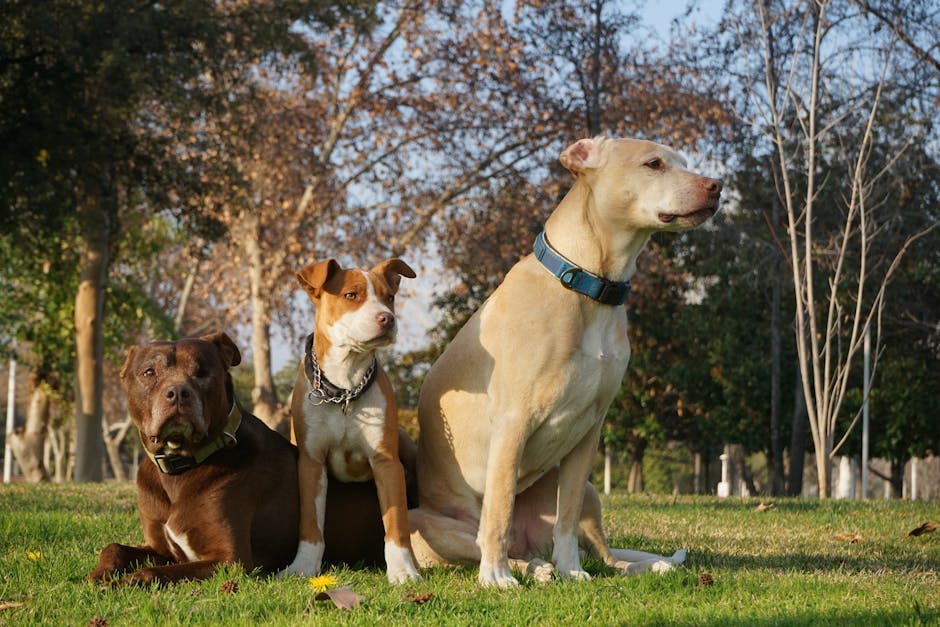

If you’ve got a Pitbull who can’t stop scratching, licking their paws raw, or breaking out in hot spots every few weeks — I feel you. A close friend of mine has an American Staffordshire Terrier named Tank who spent his first two years absolutely miserable. Red belly, constant ear infections, patches of missing fur. Three vet visits and hundreds of dollars later, the answer turned out to be sitting in his food bowl the whole time.
Here’s the thing most people don’t realize: up to 30% of Pitbull-type breeds develop food-related skin issues. That’s nearly one in three dogs. And the generic “sensitive skin formula” kibble lining pet store shelves? It’s usually not enough. These dogs need a targeted approach — the right proteins, the right fats, and sometimes a full elimination diet to figure out what’s actually triggering the reaction.
I’ve spent months digging into this topic, talking to owners in Pitbull rescue groups, and comparing formulas. What follows is everything I wish someone had told my friend before she blew $400 on vet-prescribed steroids that only masked the problem.
Why Pitbulls Are Allergy-Prone: The Breed Connection
Genetic Predisposition to Atopic Dermatitis
Pitbull-type breeds — American Pit Bull Terriers, American Staffordshire Terriers, and Staffordshire Bull Terriers — sit near the top of every veterinary dermatologist’s list of allergy-prone breeds. It’s not bad luck. It’s genetics.
These dogs have a higher rate of atopic dermatitis than most other breeds. Their skin barrier function tends to be weaker, which means environmental irritants and dietary allergens trigger inflammatory responses more easily. Think of it like having sensitive skin as a human — except your whole body is covered in it and you can’t just switch moisturizers.
The muscular, short-coated build that makes Pitbulls look so striking also means there’s less fur protection between their skin and the world. Every allergen has a shorter path to causing trouble.
Common Allergens: Chicken, Beef, Wheat, Corn
Not all proteins are created equal when it comes to triggering allergic reactions. The most common food allergens for dogs — Pitbulls especially — rank roughly like this:
- Beef — the single biggest culprit
- Dairy products
- Chicken — and it’s in everything
- Wheat
- Egg
- Lamb (yes, even lamb)
- Soy
That chicken one gets people. They switch from a beef-based food to a chicken-based food thinking they’ve solved the problem, and nothing changes. Chicken meal, chicken fat, chicken by-products — it shows up in probably 70% of commercial dog foods. Read your labels carefully.
Corn and wheat are the grain culprits, though true grain allergies in dogs are less common than people think. The protein source matters far more. But if your Pitbull is reacting, removing grains alongside the suspect protein gives you a cleaner starting point.
Food Allergy vs Environmental Allergy: How to Tell
This is where a lot of people waste time and money. Your Pitbull is scratching like crazy — is it the food or the pollen?
Signs pointing toward food allergy:
– Symptoms are year-round, not seasonal
– Itching concentrates around ears, paws, rear end, and belly
– Recurring ear infections (yeast or bacterial)
– Digestive issues alongside the skin problems — gas, loose stool, vomiting
– Symptoms started between ages 1-3
Signs pointing toward environmental allergy:
– Symptoms worsen in spring/summer
– Face rubbing and watery eyes
– Itching along the back and sides
– Symptoms improve when you travel to a different region
Many Pitbulls have both. Fun, right? But food allergies you can actually control. Start there.
Choosing the Right Food for an Allergic Pitbull
Novel Protein Diets Explained
A novel protein is simply a protein source your dog has never eaten before. The logic is straightforward: the immune system can’t react to something it’s never encountered.
For most dogs who’ve been eating standard kibble, novel proteins include:
- Kangaroo
- Bison/buffalo
- Venison
- Duck
- Rabbit
- Wild boar
Salmon sits in a gray area. Many dogs have been exposed to fish-based foods, but salmon is still less common than chicken or beef as a primary protein and tends to work well for allergic Pitbulls.
The key is single-source. You don’t want a “venison and chicken” formula. You want venison. Period. One protein, minimal ingredients, no sneaky additions.
Hydrolyzed Protein Options
Hydrolyzed diets take a different approach. Instead of avoiding problem proteins, they break them down into pieces so small the immune system can’t recognize them. Think of it like shredding a document — your body sees the individual letters but can’t read the words that would trigger a reaction.
These are usually prescription diets (Royal Canin HP, Hill’s z/d, Purina HA) and they work. But they come with trade-offs. They’re expensive — $80-100 for a decent-sized bag. The ingredient quality is mediocre at best. And some dogs just won’t eat them because the taste isn’t great.
I’d try a quality limited ingredient diet first and reserve hydrolyzed formulas for dogs who react to everything else.
The Role of Omega Fatty Acids in Skin Health
This is the part people overlook and it drives me nuts. You can nail the protein source and still have a Pitbull with dull, flaky, irritated skin if the omega fatty acid profile is wrong.
Omega-3 fatty acids (EPA and DHA) are anti-inflammatory. They directly reduce the skin’s inflammatory response. Omega-6 fatty acids support skin barrier function but are pro-inflammatory in excess. Most commercial dog foods are loaded with omega-6 and light on omega-3.
The ideal omega-6 to omega-3 ratio for dogs with skin issues is somewhere between 5:1 and 10:1. Many standard kibbles sit at 20:1 or worse. Foods with salmon, fish meal, or added fish oil as a primary fat source tend to hit better ratios naturally.
7 Best Dog Foods for Pitbulls With Skin Issues
I evaluated these based on protein source quality, limited ingredient lists, omega fatty acid profiles, and real-world feedback from Pitbull owners. These aren’t ranked in strict order — the best food for your dog depends on which protein they tolerate.
| Food | Primary Protein | Calories (kcal/cup) | Grain-Free | Best For |
|---|---|---|---|---|
| Taste of the Wild Pacific Stream | Salmon | 360 | Yes | Overall value pick |
| Canidae Pure LID (Bison) | Bison | 410 | Yes | High-calorie muscular Pitbulls |
| Natural Balance L.I.D. Sweet Potato & Venison | Venison | 350 | Yes | True novel protein |
| Zignature Kangaroo | Kangaroo | 388 | Yes | Extreme sensitivities |
| Merrick LID (Lamb) | Lamb | 370 | Yes | Dogs who tolerate lamb |
| Acana Singles (Duck & Pear) | Duck | 388 | Yes | Highest meat content |
| American Journey LID (Salmon) | Salmon | 370 | Yes | Budget-friendly option |
Taste of the Wild Pacific Stream (Salmon)
This is my go-to recommendation for most allergic Pitbulls, and the one that finally worked for Tank. Real smoked salmon as the first ingredient, no chicken, no beef, no grains. The omega-3 profile is excellent thanks to the salmon and ocean fish meal.
At around 360 calories per cup, a 55-pound Pitbull needs roughly 3.5 cups per day to hit their 1,200-1,300 calorie target. The price point is reasonable — typically $55-65 for a 28-pound bag. It also includes dried chicory root as a prebiotic, which helps with the gut health component that ties directly into immune function.
My one gripe: it does contain peas and lentils, which some owners prefer to avoid. But in terms of triggering skin allergies, legumes are almost never the problem.
Canidae Pure Limited Ingredient (Bison)
Nine ingredients. That’s it. Bison is the sole animal protein, and it’s a true novel protein for most dogs. The calorie density at 410 kcal/cup makes it ideal for muscular, active Pitbulls who need fuel without huge portions — important because bigger meals can sometimes worsen digestive symptoms in sensitive dogs.
The formula includes whole peas and lentils for carbohydrates, plus sunflower oil. No chicken fat (which is a hidden trigger in many “limited ingredient” foods that aren’t actually that limited). The bison protein is rich and dogs tend to love the taste.
Price is higher — around $70 for a 21-pound bag. But you’re feeding less per serving because of the calorie density, so it roughly evens out.
Natural Balance L.I.D. Sweet Potato & Venison
Natural Balance was one of the first brands to take limited ingredient diets seriously, and this formula remains a solid choice. Venison is genuinely novel for most pet dogs — when was the last time your Pitbull ate deer? The sweet potato provides easily digestible carbohydrates that rarely cause issues.
What I like: No artificial preservatives, no grains, single animal protein. It’s been around long enough that there’s a solid track record.
What I don’t love: The protein content is slightly lower than some competitors at 21%. For a muscular Pitbull, you might want to supplement with a protein topper. Also, some batches have been inconsistent according to long-time users — though I haven’t experienced this personally.
Zignature Kangaroo Formula
This is the nuclear option for dogs who react to everything. Kangaroo is about as novel as it gets in the commercial dog food world. Unless your Pitbull has been living in the Australian Outback, they’ve never encountered this protein.
Kangaroo is also naturally lean and high in iron and B12 — good stuff for maintaining that muscular Pitbull build. Zignature pairs it with chickpeas and peas for fiber and carbohydrates, plus flaxseed and sunflower oil for fats.
The downside is obvious: cost. You’re looking at $80+ for a 25-pound bag. And availability can be spotty. But for dogs with severe, multi-protein sensitivities? This has pulled more than a few Pitbulls back from the brink.
Merrick Limited Ingredient Diet (Lamb)
A word of caution here: lamb is a common allergen for some dogs. It’s on the list. But it’s far less common than chicken or beef, and plenty of allergic Pitbulls do great on lamb-based diets.
Merrick’s LID version uses deboned lamb as the single animal protein with sweet potatoes as the primary carb. It’s made in the USA, which matters to a lot of owners. The texture of the kibble is slightly larger than average — good for Pitbulls who inhale their food and need something that forces them to actually chew.
At around $60 for a 22-pound bag, it sits in the middle of the price range. Solid formula if your dog tolerates lamb.
Acana Singles (Duck & Pear)
Acana doesn’t mess around with ingredient quality. This formula is 50% duck ingredients — the highest meat content on this list. For a breed that thrives on protein, that matters. Duck is a moderately novel protein (more common than kangaroo, less common than chicken) and is well-tolerated by most allergic dogs.
The “Singles” line means single animal protein source, and they stick to it. Pear and butternut squash round out the carbohydrate side. It’s rich, calorie-dense, and dogs go absolutely bonkers for the taste.
But. It’s the most expensive option here on a per-pound basis. And the richness means some dogs with truly sensitive stomachs need a longer transition period — 10-14 days instead of the typical 7.
American Journey Limited Ingredient (Salmon)
If budget is a real concern — and I get it, feeding a 60-pound muscular dog isn’t cheap — this is your best bet. American Journey is Chewy’s house brand, and their LID salmon formula punches way above its price point.
Deboned salmon and salmon meal provide the protein. The ingredient list is short and clean. Omega-3 levels are strong thanks to the fish base. At roughly $45 for a 24-pound bag, it’s $15-35 cheaper than most competitors.
Is it quite as premium as the Acana or Zignature? No. But it’s genuinely good food at an accessible price, and I’ve seen it clear up skin issues in dogs whose owners couldn’t afford the boutique brands. Don’t let anyone food-shame you for picking this one.
Running a Proper Elimination Diet
Switching to a limited ingredient food is step one. But if you want to actually identify what your Pitbull is allergic to — not just avoid everything forever — you need a proper elimination diet. Most people do this wrong.
The 8-12 Week Protocol
Here’s how it works:
Weeks 1-2: Transition to a single novel protein food. Mix 25% new food with 75% old food for 3-4 days, then 50/50, then 75/25, then fully new food.
Weeks 3-12: Feed ONLY the novel protein food. Nothing else. No treats with other proteins. No table scraps. No flavored medications if you can avoid them. No dental chews with chicken flavoring. Nothing.
Track everything. Take photos of your dog’s skin weekly. Note scratching frequency, ear smell, paw licking, stool quality. You need objective data, not just “I think he seems better?”
The minimum is 8 weeks. Some dogs show improvement in 4-6 weeks, but food allergies can take up to 12 weeks to fully resolve. Stopping at week 5 because you don’t see dramatic improvement is the number one reason elimination diets “fail.”
Reintroducing Ingredients One at a Time
Once your Pitbull’s skin has cleared up on the novel protein diet (and it should, if food is the culprit), you can start figuring out exactly what triggers reactions.
Add one new protein at a time. Give it two weeks. If symptoms return, you’ve found a trigger — remove it and wait for symptoms to clear before testing the next one.
A reasonable testing order:
1. Chicken — most likely reactor, test first to confirm
2. Beef — second most common
3. Grains (wheat specifically)
4. Eggs
5. Dairy
Some people skip this phase entirely and just keep feeding the novel protein diet forever. That’s fine too. But knowing your dog’s specific triggers means you’ll have more food options long-term, and it’s easier to avoid hidden ingredients when you know exactly what to watch for.
Common Mistakes That Ruin Elimination Trials
I’ve seen all of these. Multiple times.
Forgetting about treats. Your dog is on a strict salmon diet but you’re handing out chicken-flavored training treats three times a day. The trial is now worthless.
Not checking medications. Flavored heartworm chews often contain beef or chicken. Talk to your vet about unflavored alternatives during the trial period.
Letting the dog eat other pets’ food. If you have a cat or another dog, feed them in separate rooms with the doors closed.
Giving up too early. Week 6, the skin looks the same, so you quit. But you needed to get to week 10.
Switching foods mid-trial. “This salmon food isn’t working, let me try the bison one.” Now you’ve reset the clock entirely.
The whole household needs to be on board. If your partner or kids are sneaking the dog cheese when you’re not looking, you’ll never get a clean result.
Supplements for Pitbull Skin Health
Good food is the foundation. Supplements are the boost that can make a real difference, especially while you’re figuring out the dietary triggers.
Fish Oil Dosing for Dogs Over 50 Pounds
Fish oil is the single most effective supplement for dogs with skin allergies. The EPA in fish oil directly reduces inflammatory cytokines — the chemicals that cause redness, itching, and hot spots.
Dosing guidelines for Pitbulls:
| Dog Weight | EPA+DHA Daily Dose | Typical Pump/Capsule Count |
|---|---|---|
| 30-40 lbs | 1,200-1,600 mg | 2-3 pumps |
| 40-55 lbs | 1,600-2,200 mg | 3-4 pumps |
| 55-65 lbs | 2,200-2,600 mg | 4-5 pumps |
Important: Look at the EPA+DHA content, not the total fish oil amount. A 1,000mg fish oil capsule might only contain 300mg of actual EPA+DHA. You need to read the back label.
Liquid fish oil pumped onto food is easier than capsules for most dogs. Nordic Naturals Omega-3 Pet and Grizzly Salmon Oil are both solid options. You should see coat improvement within 4-6 weeks.
One warning: introduce fish oil gradually. Starting at full dose can cause loose stools. Begin with half the target dose for the first week.
Probiotics for Immune Support
This one’s becoming more mainstream, and the science backs it up. About 70% of a dog’s immune system lives in their gut. An unhealthy gut microbiome amplifies allergic responses.
Look for canine-specific probiotic strains — Lactobacillus acidophilus, Bifidobacterium animalis, and Enterococcus faecium are the most studied. Purina’s FortiFlora is the veterinary standard, though products like Nutramax Proviable offer a broader strain profile.
Give probiotics daily, ideally with a meal. They’re particularly valuable during diet transitions and after any course of antibiotics (which allergic Pitbulls often end up on for secondary skin infections).
Frequently Asked Questions
How quickly will a new dog food improve my Pitbull’s skin allergies?
Most dogs show noticeable improvement within 4-8 weeks on an appropriate limited ingredient diet. Some respond faster — you might see reduced scratching in 2-3 weeks. But full resolution of symptoms like chronic ear infections or hot spots typically takes 8-12 weeks. Don’t expect overnight results. The skin needs time to heal even after the allergen is removed from the diet.
Can I feed my allergic Pitbull a raw diet instead of kibble?
You can, and some owners swear by it. A single-protein raw diet gives you ultimate control over ingredients. But it comes with risks — bacterial contamination, nutritional imbalance if not properly formulated, and it’s significantly more expensive and time-consuming. If you go raw, work with a veterinary nutritionist to ensure the diet is complete. For most people, a quality limited ingredient kibble is the practical choice.
Is grain-free food necessary for Pitbulls with skin allergies?
Not necessarily. True grain allergies in dogs are uncommon — most food allergies are triggered by protein sources, not grains. That said, many of the best limited ingredient diets happen to be grain-free because removing grains simplifies the formula. The FDA has investigated a potential link between grain-free diets and dilated cardiomyopathy (DCM), though research is ongoing and results are mixed. If your Pitbull does well on a grain-inclusive limited ingredient food, that’s perfectly fine.
Should I get allergy testing done before switching foods?
Blood-based allergy tests for food allergies in dogs are notoriously unreliable — they produce a lot of false positives and negatives. Most veterinary dermatologists consider the elimination diet the gold standard for identifying food allergies. Intradermal skin testing can be useful for environmental allergies but doesn’t reliably identify food triggers. Save your money on the test and invest it in quality food for a proper elimination trial instead.
How many calories does an allergic Pitbull need daily?
Calorie needs depend on weight and activity level more than allergy status. A typical Pitbull weighing 30-65 pounds needs roughly 900-1,600 calories per day. A moderately active 50-pound Pitbull needs about 1,100-1,200 calories. Muscular, highly active dogs need more. Dogs recovering from severe skin issues might benefit from slightly higher calories to support tissue repair. Check the feeding guide on your chosen food and adjust based on body condition — you should be able to feel ribs without seeing them.
Finding the right food for a Pitbull with skin allergies takes patience. There’s no getting around that. But the difference between a dog suffering through constant itching, infections, and discomfort — and one with a healthy coat and clear skin — often comes down to identifying the trigger protein and making the switch. Start with a quality limited ingredient diet from the list above, commit to a full elimination trial, add fish oil for extra support, and give it the full 8-12 weeks. Your Pitbull’s skin will thank you.
Featured Image Source: Pexels