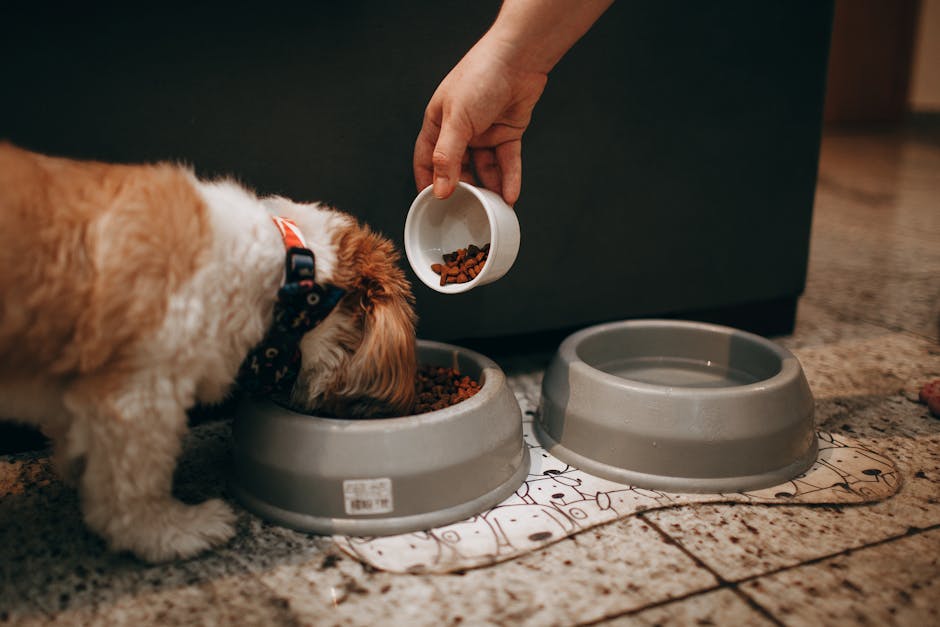



If you’ve got a Yorkie who turns their nose up at dinner — or worse, eats happily and then spends the next hour making terrible sounds from both ends — I feel you. My friend Jessica has a 5-pound Yorkie named Biscuit who went through three different foods before they found one that didn’t leave him with soft stools and gas that could clear a room.
Yorkshire Terriers are the 7th most popular breed in the US, but their tiny digestive systems are surprisingly finicky. At just 4 to 7 pounds, there’s not a lot of room for error. The wrong protein, an ingredient they can’t process, or kibble that’s too large to chew properly — any of it can trigger digestive upset. And because Yorkies burn through calories fast and risk hypoglycemia if they skip meals, you can’t just pull their food and hope things settle.
Finding the best dog food for yorkies with sensitive stomachs means balancing a lot of variables at once: the right protein source, appropriate kibble size, digestible carbs, and enough calories packed into a small serving. I’ve spent weeks comparing formulas, reading ingredient panels, and talking to Yorkie owners about what actually works. Here’s what I found.
Why Yorkies Are Prone to Stomach Sensitivity
Breed-Specific Digestive Vulnerabilities
Yorkies weren’t bred to be robust farm dogs with iron stomachs. They’re toy breeds with fast metabolisms and short digestive tracts, which means food moves through their system quickly — sometimes too quickly for proper nutrient absorption.
Their small body size creates a cascade of issues. A Yorkie needs roughly 150 to 200 calories per day, which sounds like nothing until you realize that every single calorie matters. Poor-quality fillers that a Labrador might process without blinking can wreck a Yorkie’s stomach because their system is working overtime on a tiny fuel tank.
Yorkies are also genetically predisposed to pancreatitis, which means high-fat foods can trigger inflammation. Their livers are more susceptible to issues too — portosystemic shunts are disproportionately common in the breed. All of this adds up to a dog that needs carefully chosen, highly digestible food. Not a luxury. A necessity.
Common Food Allergens for Yorkshire Terriers
The usual suspects show up again and again with Yorkies:
- Chicken — Ironically one of the most common protein sources in dog food, and one of the top allergens for small breeds
- Corn and wheat — Cheap fillers that many Yorkies simply can’t digest well
- Soy — Another common trigger that shows up in more formulas than you’d expect
- Dairy and eggs — Less common but worth watching for
- Artificial colors and preservatives — BHA, BHT, and artificial dyes can irritate sensitive GI tracts
Here’s what makes yorkshire terrier sensitive stomach food tricky to find: most “sensitive stomach” formulas are designed for medium to large dogs. The kibble is too big, the serving sizes assume a 30-pound dog, and the calorie density is wrong for a toy breed. You need a formula that checks both boxes — gentle on the gut AND built for a tiny dog.
What to Look for in a Yorkie Stomach-Friendly Food
Ideal Kibble Size for Tiny Mouths
This matters more than most people realize. A Yorkie’s jaw is small, and their teeth are crowded. Standard kibble — usually around 12 to 15mm — is genuinely difficult for them to chew properly. And poorly chewed food means bigger chunks hitting an already sensitive stomach, which means worse digestion.
Look for kibble in the 7 to 10mm range. Some breed-specific formulas like Royal Canin go even further with custom shapes designed for Yorkie jaws. If the kibble is too large, your dog will either swallow pieces whole (hello, vomiting) or just refuse to eat.
Protein Sources That Agree With Yorkies
Since chicken is a common allergen, many Yorkie owners have better luck with:
Turkey — Similar nutritional profile to chicken but much less likely to trigger reactions. It’s my top recommendation for Yorkies with unknown food sensitivities.
Lamb — Generally well-tolerated and easy to digest. Works well as a primary or secondary protein.
Fish (salmon, whitefish) — Excellent digestibility plus omega-3 fatty acids that help with both skin and gut inflammation. A lot of Yorkie owners swear by fish-based formulas.
Novel proteins (duck, venison, rabbit) — Worth trying if your Yorkie reacts to the more common options. These show up in limited ingredient diets.
One important note: what to feed a yorkie with digestive issues often depends on identifying the specific trigger. If you suspect a chicken allergy, you’ll want a formula where chicken doesn’t appear anywhere in the ingredient list — including chicken fat and chicken meal.
Prebiotics and Probiotics for Gut Health
A sensitive stomach isn’t just about avoiding bad ingredients. It’s about actively supporting good digestion. The best limited ingredient dog food for yorkies will include:
Probiotics like Bacillus coagulans or Lactobacillus acidophilus — live beneficial bacteria that colonize the gut and improve digestion. Several of the foods on my list include these.
Prebiotics like beet pulp, chicory root, or FOS (fructooligosaccharides) — these feed the good bacteria already in your dog’s gut. Think of them as fertilizer for the helpful microbes.
Digestive enzymes aren’t common in commercial kibble, but some premium formulas include them. They help break down proteins and fats before they can irritate the stomach lining.
7 Best Dog Foods for Sensitive-Stomach Yorkies
I’ve ranked these based on ingredient quality, digestibility, appropriate sizing for toy breeds, and real feedback from Yorkie owners. No formula is perfect for every dog, but these are the ones worth trying.
| Brand | Calories/Cup | Primary Protein | Grain-Free | Key Digestive Feature |
|---|---|---|---|---|
| Royal Canin Yorkshire Terrier | 336 | Chicken by-product meal | No | Breed-specific fiber blend |
| Hill’s Science Diet Small Paws SS | 380 | Chicken | No | ActivBiome+ prebiotic blend |
| Merrick Lil’ Plates | 380 | Deboned chicken | Yes | Grain-free with superfoods |
| Nutro Ultra Small Breed | 437 | Chicken, lamb, salmon | No | 15 superfoods, no corn/wheat/soy |
| Wellness CORE Small Breed | 420 | Deboned turkey | Yes | Probiotics included |
| Blue Buffalo Basics LID | 352 | Deboned turkey | No | Single animal protein source |
| Instinct Raw Boost Small Breed | 454 | Cage-free chicken | Yes | Freeze-dried raw pieces + probiotics |
Royal Canin Yorkshire Terrier Adult
Calories: 336 kcal/cup | First ingredient: Brewers rice
This is the go-to recommendation from most vets, and for good reason — the kibble is specifically designed for Yorkie jaws at about 10mm with a shape that encourages proper chewing. The digestive fiber blend (both soluble and insoluble) works well for most Yorkies with mild sensitivity.
But I have mixed feelings. The ingredient list starts with brewers rice, and chicken by-product meal is the main protein. For a premium-priced food (around $70 for a 10-pound bag), I’d like to see whole meat as the first ingredient. That said, digestibility scores are genuinely excellent, and the breed-specific approach to kibble size and nutrient balance is hard to beat.
Best for: Yorkies with mild stomach sensitivity who do fine with chicken-based foods.
Hill’s Science Diet Small Paws Sensitive Stomach
Calories: 380 kcal/cup | First ingredient: Chicken
Hill’s ActivBiome+ technology is the standout here. It’s a prebiotic fiber blend specifically designed to fuel beneficial gut bacteria, and the research behind it is solid. Beet pulp provides gentle, nourishing fiber that supports consistent stool quality — which, let’s be honest, is the metric that matters most when your Yorkie has a sensitive stomach.
The small kibble size works well for toy breeds, and the higher calorie density (380 vs Royal Canin’s 336) means your Yorkie gets more energy per bite. This is the formula I’d start with if you’ve never tried a sensitive stomach food before. It’s widely available, vet-recommended, and the digestibility is among the best I’ve seen.
Best for: First-time sensitive stomach formula. Great all-around choice.
Merrick Lil’ Plates Grain-Free Small Breed
Calories: 380 kcal/cup | First ingredient: Deboned chicken
Merrick earns points for putting real deboned chicken first — not meal, not by-products. The grain-free formula works well for Yorkies who react to wheat or corn, and the addition of salmon oil provides anti-inflammatory omega-3s that help calm irritated digestive tracts.
The ingredient list includes sweet potatoes as the primary carb source, which is gentler on sensitive stomachs than grains. Plus glucosamine for joint support, which matters as your Yorkie ages. My one concern: it contains multiple poultry proteins (chicken and turkey meal), so if your dog has a true poultry allergy, this isn’t the one.
Best for: Yorkies with grain sensitivities who tolerate poultry.
Nutro Ultra Small Breed
Calories: 437 kcal/cup | First ingredient: Chicken
The triple-protein approach here — chicken, lamb, and salmon — provides variety that some sensitive stomachs actually handle better than single-protein diets. The theory is that rotating protein sources prevents the immune system from developing sensitivities to any one protein.
What I really like: no corn, wheat, soy, or by-product meals. The carb sources are whole grain sorghum, oatmeal, and brown rice — all easier to digest than cheap fillers. Fifteen superfoods (coconut, chia, kale, blueberries) provide antioxidants and gentle fiber. At 437 calories per cup, it’s calorie-dense enough that your Yorkie doesn’t need to eat a huge volume.
Best for: Yorkies who do well with diverse protein sources and whole grains.
Wellness CORE Small Breed Original
Calories: 420 kcal/cup | First ingredient: Deboned turkey
This one makes the list specifically because it uses turkey instead of chicken as the primary protein. For Yorkies with chicken sensitivities, that’s a game-changer. The grain-free formula relies on potatoes and lentils for carbs, and it includes actual probiotics — not just prebiotics — which puts it ahead of many competitors for digestive support.
The flat triangle kibble shape (roughly half the size of a penny) is designed specifically for small breed mouths. High protein content keeps energy levels stable, and the fish and flax omega blend helps with the skin issues that often accompany food sensitivities. If your Yorkie gets itchy AND has stomach problems, this formula addresses both.
Best for: Yorkies with chicken allergies or combined skin and stomach issues.
Blue Buffalo Basics Limited Ingredient Small Breed
Calories: 352 kcal/cup | First ingredient: Deboned turkey
If your Yorkie has confirmed food allergies, this is where I’d look first. The limited ingredient philosophy means fewer potential triggers — single animal protein (turkey), no chicken, no beef, no corn, wheat, soy, dairy, or eggs. That’s about as clean as commercial kibble gets.
Pumpkin and cranberries provide gentle digestive support without adding common allergens. The calorie density is on the lower side at 352 per cup, so portions will be slightly larger than some alternatives. But for a Yorkie who reacts to everything, the simplicity of this ingredient list is exactly what you want.
Best for: Yorkies with confirmed food allergies or multiple sensitivities. Best limited ingredient dog food for yorkies on this list.
Instinct Raw Boost Small Breed
Calories: 454 kcal/cup | First ingredient: Cage-free chicken
This is the premium pick, and it’s different from everything else on the list. You get standard small-breed kibble mixed with freeze-dried raw chicken pieces. The raw component provides minimally processed protein and natural enzymes that can actually aid digestion — it’s the closest you’ll get to a raw diet without the prep work.
At 454 calories per cup, it’s the most calorie-dense option here. Good news for picky Yorkies who won’t eat much. The formula includes Bacillus coagulans probiotics and no corn, wheat, soy, or by-products. But it is chicken-based, so avoid this if poultry is the problem.
Best for: Yorkies whose sensitive stomachs respond well to less-processed food. Premium budget required.
Feeding Schedule and Portion Sizes for Yorkies
Getting the right food matters. But feeding it correctly matters just as much.
Puppies vs Adults vs Seniors
Yorkie nutritional needs shift significantly across their lifespan:
Puppies (under 12 months): Need 4 meals per day spaced evenly. Yorkie puppies are at the highest risk for hypoglycemia, and going more than 4 to 5 hours without food can be dangerous. Calorie needs are higher relative to body weight — roughly 200 calories per day for an active puppy.
Adults (1 to 8 years): Three meals per day works best for most Yorkies. Target 150 to 200 calories daily, divided into morning, midday, and evening meals. For a food averaging 400 calories per cup, that’s roughly 1/3 to 1/2 cup total per day. I know — it looks like nothing.
Seniors (8+ years): Metabolism slows, but meal frequency should stay at three times daily. Reduce portions slightly — around 130 to 170 calories per day — and consider switching to a senior formula with joint support. Digestive sensitivity often worsens with age, so this is when a stomach-friendly formula becomes even more important.
How to Prevent Hypoglycemia Through Meal Timing
This is the thing that scares Yorkie owners most, and rightfully so. Hypoglycemia — dangerously low blood sugar — can cause seizures, collapse, and in severe cases, death. Toy breeds are especially vulnerable because they have minimal glycogen reserves.
Space meals no more than 6 hours apart during the day. A good schedule:
- 7:00 AM — Breakfast (largest meal)
- 12:30 PM — Lunch
- 6:00 PM — Dinner
For puppies, add a 9:30 PM small meal or snack. Some owners leave a few pieces of kibble accessible overnight as insurance, though this doesn’t work if your Yorkie is a gobbler.
Signs of hypoglycemia to watch for: trembling, lethargy, glassy eyes, stumbling, or unresponsiveness. If you see these, rub honey or corn syrup on their gums immediately and get to a vet. This is an emergency.
Signs Your Yorkie’s Food Isn’t Working
Sometimes the problem is obvious. Sometimes it’s subtle. Here’s what to watch for:
Immediate red flags (within hours of eating):
– Vomiting — especially if it happens consistently after meals
– Diarrhea or extremely soft stools
– Refusing to eat or walking away from the bowl
– Excessive gas
Slower-developing signs (over days or weeks):
– Dull, dry coat or excessive shedding
– Itchy skin, especially around ears, paws, and belly
– Weight loss despite eating normal portions
– Low energy or reluctance to play
– Scooting (could indicate anal gland issues linked to soft stools)
The 2-week rule: When switching to a new food, give it a full two weeks before judging. Transition gradually — mix 25% new food with 75% old for 3 days, then 50/50 for 3 days, then 75/25 for 3 days, then fully switch. Rushing the transition will cause stomach upset regardless of how good the new food is.
If symptoms persist after a proper 2-week transition, that formula isn’t the right fit. Move on. And if your Yorkie has chronic digestive issues that don’t improve with any commercial food, talk to your vet about a hydrolyzed protein diet or food allergy testing. Sometimes the problem runs deeper than a kibble swap can fix.
Frequently Asked Questions
Can I feed my Yorkie a raw diet for sensitive stomach issues?
You can, but proceed carefully. Raw diets can work beautifully for some Yorkies because the minimally processed proteins are easier to digest. But the portion control is tricky with a dog this small, and the risk of bacterial contamination is higher. If you want to explore raw feeding, start with a commercial freeze-dried raw option like Instinct Raw Boost rather than DIY raw meals. And always discuss it with your vet first.
How do I know if my Yorkie has a food allergy vs. a sensitive stomach?
Food allergies cause immune responses — you’ll typically see itchy skin, ear infections, and paw licking in addition to digestive symptoms. A sensitive stomach without allergies usually presents as digestive-only issues: soft stools, gas, occasional vomiting. The definitive test is an elimination diet supervised by your vet, where you feed a single novel protein for 8 to 12 weeks and reintroduce ingredients one at a time.
Is grain-free food better for Yorkies with stomach problems?
Not necessarily. The FDA investigated a potential link between grain-free diets and heart disease (dilated cardiomyopathy) in dogs. For most Yorkies, the issue isn’t grains in general — it’s specific grains like corn and wheat. Formulas with rice, oatmeal, or barley are often perfectly fine and provide beneficial fiber. Only go grain-free if your Yorkie has a confirmed grain sensitivity.
How much should I spend on dog food for a Yorkie?
More than you think, but less than you fear. A 4 to 7 pound Yorkie eats so little that even premium food lasts a long time. A $50 bag of quality small-breed food can last 2 to 3 months. That works out to roughly $0.50 to $1.00 per day. Considering vet bills for chronic digestive issues can run hundreds of dollars, spending a bit more on the right food upfront is a smart investment.
Should I add anything to my Yorkie’s food for better digestion?
A plain pumpkin puree supplement (not pumpkin pie filling — just plain pumpkin) can work wonders. Start with half a teaspoon mixed into meals. Probiotic supplements designed for small dogs are another solid option. Some owners add a splash of bone broth for flavor and gut-soothing properties. Avoid adding table scraps, dairy, or fatty treats — these undermine everything the right kibble is doing.
Wrapping Up
Finding the best dog food for yorkies with sensitive stomachs takes some trial and error. Every Yorkie is different, and what works for Biscuit down the street might not work for yours. But start with the fundamentals: appropriate kibble size, digestible proteins, prebiotic and probiotic support, and a consistent feeding schedule.
If I had to pick just one formula to try first, I’d go with Hill’s Science Diet Small Paws Sensitive Stomach for its balance of digestibility, prebiotic support, and widespread availability. For Yorkies with confirmed allergies, Blue Buffalo Basics Limited Ingredient is the safer bet.
The most important thing? Pay attention to your dog. Their coat, energy level, stool quality, and enthusiasm at mealtime will tell you everything you need to know about whether a food is working. Trust what you see over what any label promises — including mine.
Featured Image Source: Pexels