
Why Your Dog Deserves the Best Dog Shampoo — Not Yours
If you’ve ever been tempted to grab your own bottle of shampoo and lather up your dog in the bathtub, you’re not alone. It seems logical enough — shampoo is shampoo, right? Unfortunately, that thinking can lead to dry, irritated skin, excessive scratching, and a miserable pup.
The best dog shampoo is formulated specifically for canine skin, which is fundamentally different from human skin. Dogs have a thinner epidermis, fewer cell layers, and a completely different pH balance. Understanding these differences is the first step toward keeping your dog’s coat healthy, shiny, and comfortable.
This guide breaks down everything you need to know — from ingredient labels to coat-specific recommendations — so you can confidently choose the right shampoo for your four-legged companion.
Why Human Shampoo Is Bad for Dogs
The single biggest reason you should never use human shampoo on your dog comes down to pH balance. Human skin has a pH of roughly 5.5 to 5.6, making it slightly acidic. Dog skin, on the other hand, sits at a more neutral pH of around 6.2 to 7.4, depending on the breed.
Human shampoos are formulated for our acidic skin. When you apply them to a dog’s more neutral skin, you strip away the acid mantle — the thin protective layer that shields skin from bacteria, viruses, and environmental contaminants. Once that barrier is compromised, your dog becomes vulnerable to:
- Dry, flaky skin that leads to persistent scratching
- Bacterial and yeast infections from a weakened skin barrier
- Irritation and redness, especially in dogs with sensitive skin
- Dull, brittle coat that loses its natural luster
- Overproduction of oil as the skin tries to compensate, creating a cycle of greasy fur and more frequent bathing
Even “gentle” or “baby” human shampoos are still formulated for human pH levels. The fragrances, sulfates, and preservatives commonly found in human products can be even more problematic for dogs with allergies or skin conditions. Bottom line: always reach for a product designed for canine skin chemistry.
Types of Dog Shampoo
Walk down the pet care aisle and you’ll find a dizzying array of dog shampoos. Here’s what each type actually does and when you should use it.
General Purpose Shampoo
This is your everyday workhorse. A quality general purpose dog shampoo cleans dirt, light odor, and natural oils without being too harsh. It’s suitable for dogs with normal, healthy skin and coats. Look for mild surfactants and a balanced pH. If your dog doesn’t have any specific skin issues, this is likely all you need.
Oatmeal and Soothing Shampoo
Colloidal oatmeal has been used for centuries to calm irritated skin, and it works just as well for dogs. Oatmeal-based shampoos are ideal for dogs that scratch frequently, have mild allergies, or suffer from seasonal dry skin. They create a protective film on the skin’s surface that locks in moisture and reduces itchiness. Many formulas also include aloe vera or chamomile for additional soothing benefits.
Medicated Shampoo
Medicated shampoos contain active pharmaceutical ingredients like chlorhexidine, ketoconazole, benzoyl peroxide, or salicylic acid. They’re designed to treat specific conditions including bacterial infections, fungal infections, seborrhea, and mange. These should generally be used under veterinary guidance, as the wrong medicated shampoo can worsen certain conditions. Follow the contact time instructions precisely — the active ingredients need time on the skin to work.
Whitening Shampoo
Formulated for white and light-colored coats, whitening shampoos use optical brighteners and gentle bleaching agents to remove staining and yellowing. They’re particularly popular for breeds like Maltese, Bichon Frise, West Highland White Terriers, and Samoyeds. Be careful with these around the eyes and on dogs with dark patches, as they can lighten pigmented fur over time.
Deodorizing Shampoo
Some dogs just smell more than others. Hounds, sporting breeds, and dogs that love rolling in questionable substances benefit from deodorizing shampoos that use enzymatic formulas or baking soda to neutralize odor at the molecular level rather than simply masking it with fragrance. Quality deodorizing shampoos eliminate smell without stripping the coat’s natural oils.
Puppy Shampoo
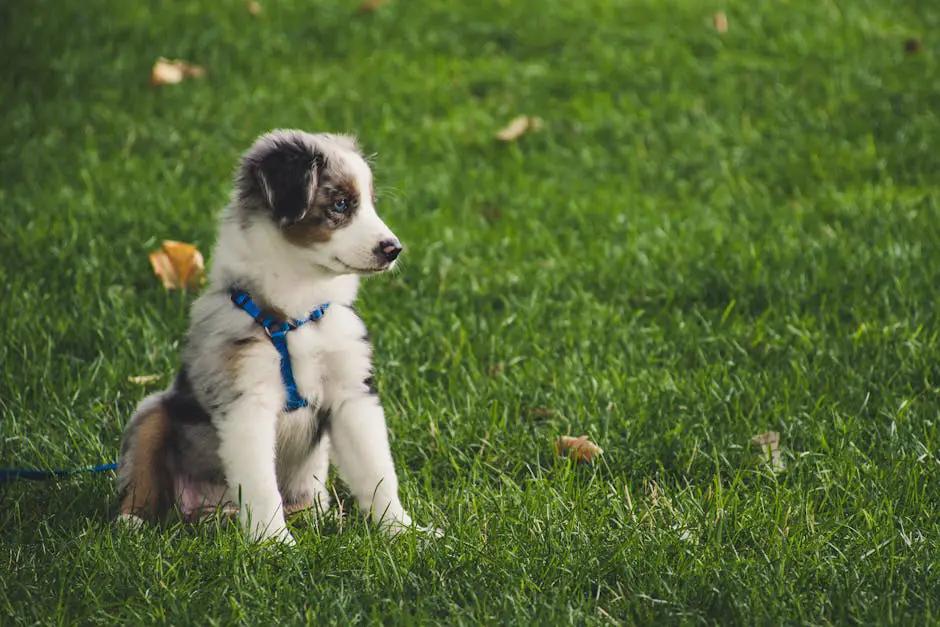
Puppy skin is even more delicate than adult dog skin. Puppy-specific shampoos use ultra-mild cleansers, are typically fragrance-free or lightly scented, and are formulated to be completely tear-free. They’re safe for dogs under six months and for any adult dog with extremely sensitive skin. If you’re unsure what to use on a new dog, puppy shampoo is always a safe starting point.
Waterless and Dry Shampoo
Waterless shampoos come as foams, sprays, or powders that you work into the coat and then brush or towel out. They’re not a replacement for a proper bath, but they’re invaluable for quick freshening between baths, elderly dogs who struggle with bathing, post-surgery dogs who can’t get wet, or cold weather touch-ups. Keep a bottle on hand for emergencies and travel.
Ingredients to Look For and Avoid
Reading the ingredient label on dog shampoo matters more than most people realize. Here’s your cheat sheet for navigating ingredient lists like a pro.
Ingredients to Look For
- Colloidal oatmeal — Soothes irritated skin and locks in moisture
- Aloe vera — Natural anti-inflammatory that promotes healing
- Coconut oil or coconut-derived surfactants — Gentle cleansing with natural moisturizing properties
- Chamomile extract — Calms sensitive skin and adds a light natural scent
- Vitamin E (tocopherol) — Antioxidant that supports skin health and coat shine
- Tea tree oil (in appropriate concentrations) — Natural antifungal and antibacterial properties (must be diluted properly; pure tea tree oil is toxic to dogs)
- Shea butter — Deep moisturizing for dry, coarse coats
- Honey — Natural humectant that draws moisture into the skin
Ingredients to Avoid
- Sodium lauryl sulfate (SLS) — Harsh detergent that strips natural oils and can cause significant irritation
- Artificial fragrances and dyes — Common allergens with no benefit to your dog’s coat or skin
- Parabens — Preservatives linked to endocrine disruption
- Formaldehyde and formaldehyde releasers — Known irritants and potential carcinogens
- Isopropyl alcohol — Extremely drying and can cause chemical burns on sensitive skin
- Phthalates — Hormone disruptors that have no place in pet care products
- Undiluted essential oils — Many essential oils are toxic to dogs in concentrated form, including pennyroyal, wintergreen, and pine oil
A general rule: the shorter and more recognizable the ingredient list, the better. If you can’t pronounce half the ingredients, your dog’s skin probably won’t appreciate them either.
Choosing the Best Dog Shampoo by Coat Type
Not all coats are created equal, and the shampoo that works brilliantly on a Labrador could be completely wrong for a Poodle. Here’s how to match your dog’s coat type to the right formula.
Short and Smooth Coats
Breeds like Beagles, Boxers, Dalmatians, and Pit Bulls have short, close-lying fur that doesn’t tangle but can show skin issues quickly. These coats benefit from a general purpose or deodorizing shampoo that cleans efficiently without over-moisturizing. Short-coated breeds are prone to showing dandruff, so look for formulas with light moisturizers.
Long and Silky Coats
Yorkshire Terriers, Afghan Hounds, Shih Tzus, and Maltese have long, flowing coats that demand extra attention. Use a moisturizing shampoo followed by a conditioner to prevent tangling and breakage. Look for ingredients like silk proteins and panthenol that add slip and reduce static. Always detangle before bathing to prevent mats from tightening when wet.
Double-Coated Breeds
German Shepherds, Huskies, Golden Retrievers, and Corgis have a dense undercoat beneath a protective outer coat. These dogs need a deep-cleaning shampoo that can penetrate through both layers. During shedding season, a deshedding formula with omega fatty acids can help loosen dead undercoat. Avoid heavy conditioners that can weigh down the undercoat and trap moisture, potentially leading to hot spots.
Wire and Rough Coats
Terriers like the Wire Fox Terrier, Airedale, and Schnauzer have coarse, bristly coats with unique texture requirements. A texturizing shampoo maintains that characteristic rough feel without softening the coat. Avoid anything marketed as “smoothing” or “silkening” — these will ruin the wiry texture that defines these breeds.
Curly and Wool Coats
Poodles, Bichon Frises, Lagotto Romagnolos, and Doodle mixes have curly or wavy coats that are prone to matting. These breeds need a moisturizing shampoo with a follow-up conditioner to maintain curl definition and prevent tangles. Look for products with coconut oil or argan oil that add moisture without weighing down curls.
Coat Type Recommendation Table
| Coat Type | Example Breeds | Recommended Shampoo Type | Key Ingredients | Conditioner Needed? |
|---|---|---|---|---|
| Short/Smooth | Beagle, Boxer, Pit Bull | General purpose or deodorizing | Aloe vera, light moisturizers | Optional |
| Long/Silky | Yorkie, Shih Tzu, Maltese | Moisturizing with detangling | Silk proteins, panthenol, argan oil | Yes — always |
| Double-Coated | Husky, Golden Retriever, GSD | Deep-cleaning or deshedding | Omega fatty acids, coconut oil | Light conditioner only |
| Wire/Rough | Airedale, Schnauzer, Wire Fox | Texturizing | Natural clays, tea tree oil | No — softens texture |
| Curly/Wool | Poodle, Bichon, Doodle mixes | Moisturizing with curl definition | Coconut oil, shea butter, honey | Yes — always |
How to Bathe Your Dog Properly: Step by Step
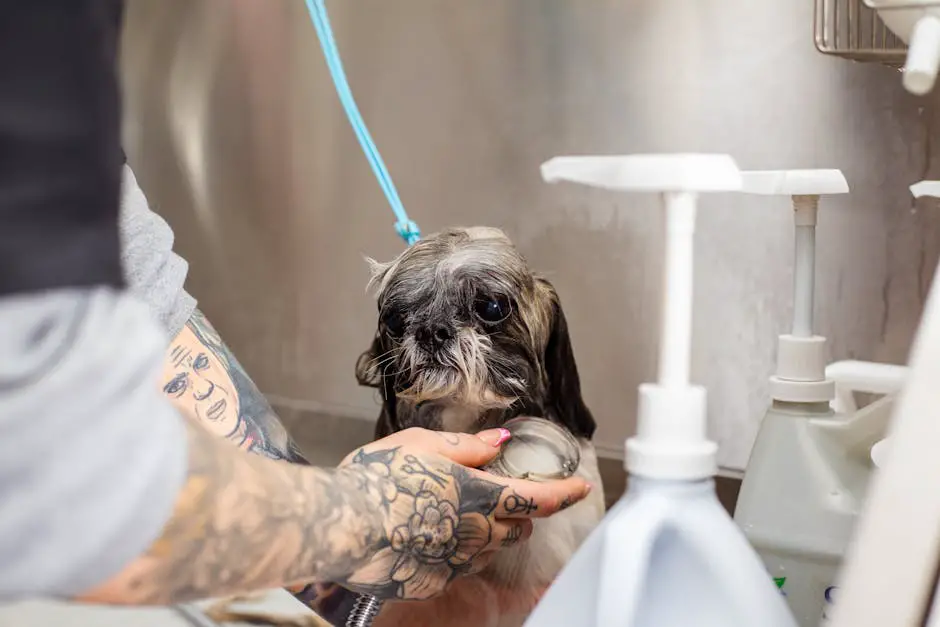
Even the best dog shampoo won’t deliver results if the bathing technique is off. Follow this professional groomer-approved process for a thorough, stress-free bath.
- Brush first. Remove all tangles, mats, and loose fur before water touches the coat. Mats tighten dramatically when wet and become nearly impossible to remove without cutting. For double-coated breeds, use an undercoat rake to remove dead fur.
- Prepare your supplies. Have shampoo, conditioner (if needed), towels, and treats within arm’s reach before you start. Nothing derails a dog bath faster than leaving to grab something you forgot.
- Use lukewarm water. Dogs are more sensitive to water temperature than humans. Test the water on the inside of your wrist — it should feel barely warm. Hot water dries out skin and can cause burns. Cold water is uncomfortable and won’t lather shampoo effectively.
- Wet thoroughly. Soak the coat completely down to the skin, starting from the neck and working backward. Many people don’t wet the coat enough, which prevents proper lathering. Double-coated breeds may need several minutes of soaking to penetrate the undercoat.
- Apply shampoo strategically. Dilute the shampoo if the manufacturer recommends it (many concentrated formulas work better diluted). Apply along the back and work it into a lather using your fingertips — not your nails — in circular motions. Pay extra attention to the chest, armpits, belly, and rear end where oils and odor concentrate. Save the head for last to minimize stress.
- Let it sit if needed. Medicated shampoos typically need 5 to 10 minutes of contact time. For general shampoos, a minute or two is sufficient. Use this time to gently massage the skin, which improves circulation and helps distribute natural oils.
- Rinse completely. This is the most critical step and the one most people rush. Shampoo residue is the number-one cause of post-bath itching, flaking, and irritation. Rinse until the water runs absolutely clear, then rinse once more. Lift the coat and check the skin — if it feels slippery, keep rinsing.
- Apply conditioner (if using). Apply from mid-shaft to the ends of the fur, avoiding the roots and skin. Leave on for the recommended time, then rinse thoroughly.
- Dry properly. Squeeze excess water from the coat with your hands before toweling. Use a patting motion rather than vigorous rubbing, which causes tangles and breakage. For dogs that tolerate it, a blow dryer on the lowest heat setting speeds drying and helps prevent hot spots in thick-coated breeds. Always keep the dryer moving to avoid burning the skin.
- Brush again. Once the coat is mostly dry, brush through it to remove any loosened fur and prevent tangles from forming as the coat finishes drying.
Bathing Frequency by Breed Type
Over-bathing strips essential oils and damages the skin barrier. Under-bathing leads to odor, matting, and skin problems. Here’s a sensible schedule based on coat type and lifestyle.
- Short-coated breeds (Beagle, Boxer): Every 6 to 8 weeks, or when noticeably dirty or smelly. These coats are naturally low-maintenance.
- Long-coated breeds (Yorkie, Maltese): Every 2 to 4 weeks. Frequent bathing prevents mats and keeps the coat manageable. Professional groomers often bathe these breeds with every grooming appointment.
- Double-coated breeds (Husky, Golden Retriever): Every 6 to 8 weeks during normal periods. During heavy shedding season (spring and fall), increase to every 4 weeks with a deshedding treatment to help the coat blow out efficiently.
- Wire-coated breeds (Schnauzer, Airedale): Every 4 to 6 weeks. These coats need regular maintenance to stay textured and tidy but don’t get oily quickly.
- Curly-coated breeds (Poodle, Doodle): Every 3 to 4 weeks. Curly coats mat quickly, and regular bathing combined with thorough brushing is non-negotiable for coat health.
- Outdoor and working dogs: Adjust based on activity level. A dog that swims daily or works in muddy fields may need weekly rinses with a mild shampoo. A pampered indoor dog might go 8 to 12 weeks between baths.
When in doubt, let your nose and eyes guide you. If the coat smells, looks greasy, or feels gritty, it’s bath time regardless of the schedule.
Do Dogs Need Conditioner?
The short answer: it depends on the coat. Conditioner isn’t universally necessary, but for certain coat types, it’s as important as the shampoo itself.
Dogs that benefit from conditioner:
- Long-coated breeds where detangling is a constant battle
- Curly and wool-coated breeds that need moisture for curl definition
- Dogs with dry, brittle, or damaged coats
- Dogs in dry climates or heated homes where static is an issue
- Senior dogs whose skin and coat have lost natural moisture
Dogs that should skip conditioner:
- Wire-coated breeds — conditioner softens the texture you want to preserve
- Dogs with oily skin or seborrhea — added moisture worsens the problem
- Double-coated breeds — heavy conditioners can trap moisture in the undercoat and create hot spots. If you must condition, use a lightweight spray-on formula rather than a rinse-out conditioner
When using conditioner, apply it to the coat only — not the skin. Concentrate on the mid-lengths and ends where dryness and tangling are worst. Rinse thoroughly, as conditioner residue attracts dirt and makes the coat look limp and greasy faster.
DIY Dog Shampoo Recipes
In a pinch, you can make a safe, effective dog shampoo from ingredients you probably already have at home. These recipes are gentle enough for most dogs, but always do a small patch test first if your dog has sensitive skin.
Basic Gentle Dog Shampoo
- 2 cups warm water
- 1/4 cup unscented castile soap (like Dr. Bronner’s Baby Mild)
- 1 tablespoon coconut oil (melted)
- 1 tablespoon apple cider vinegar
Mix all ingredients in a squeeze bottle and shake gently. The castile soap provides mild cleansing, coconut oil moisturizes, and apple cider vinegar helps restore the skin’s natural pH. Use within two weeks.
Soothing Oatmeal Dog Shampoo
- 1 cup finely ground oatmeal (blend regular oats into a powder)
- 1/2 cup baking soda
- 1 quart warm water
Blend the oatmeal into a fine powder, then mix with baking soda and warm water. Apply to a wet coat, massage in thoroughly, and let it sit for five minutes before rinsing. This recipe is excellent for itchy, irritated skin and is safe for puppies.
Deodorizing Dog Shampoo
- 1 quart warm water
- 1/4 cup baking soda
- 1/4 cup unscented castile soap
- 2 tablespoons apple cider vinegar
The baking soda neutralizes odor while the apple cider vinegar cuts through grease. This formula is particularly effective for dogs that have rolled in something foul. Massage it deeply into the coat and let it sit for three to five minutes before rinsing thoroughly.
Important safety notes for DIY shampoos: Never use essential oils without researching canine safety first — many common oils are toxic to dogs. Avoid using dish soap as a shampoo substitute; it’s far too harsh for regular use and will destroy the skin’s protective barrier. DIY shampoos don’t contain preservatives, so make them fresh for each use or store in the refrigerator for no more than two weeks.
Frequently Asked Questions
Can I use dish soap to wash my dog in an emergency?
In a true emergency — such as your dog getting into a petroleum-based substance or something toxic — veterinarians sometimes recommend Dawn dish soap because it cuts through grease effectively. However, it should never be used as a regular shampoo. Dish soap has a high pH, strips all natural oils from the coat and skin, and will cause significant dryness and irritation with repeated use. For routine bathing, always use a product formulated specifically for dogs.
How do I know if my dog is allergic to their shampoo?
Signs of a shampoo allergy or sensitivity include excessive scratching or licking after bathing, redness or hives on the skin, swelling around the face or paws, flaky or scaly skin developing within 24 to 48 hours of bathing, and in severe cases, hair loss in areas where the shampoo was concentrated. If you notice any of these signs, switch to a hypoallergenic, fragrance-free formula and consult your veterinarian. When trying a new shampoo, test it on a small area first and wait 24 hours before doing a full bath.
Is it better to use a 2-in-1 shampoo and conditioner combo?
Two-in-one products are convenient but involve a trade-off. Shampoo is designed to open the hair cuticle and remove dirt, while conditioner is designed to close the cuticle and lock in moisture — these are opposing actions. Combo products handle both tasks adequately but neither one exceptionally. For dogs with normal, healthy coats, a 2-in-1 is perfectly fine. For dogs with specific coat needs — long, curly, dry, or damaged — separate products will deliver noticeably better results.
Should I use flea and tick shampoo as my regular dog shampoo?
No. Flea and tick shampoos contain insecticidal ingredients like pyrethrins or permethrin that are effective at killing parasites on contact but are too harsh for regular use. They can cause skin dryness, irritation, and in some cases neurological symptoms if overused. Modern flea and tick prevention — oral medications, topical treatments, or collars — provides far more effective, longer-lasting protection. Use a flea shampoo only as a one-time treatment for an active infestation, and follow up with a proper preventative from your vet.
What should I do if my dog hates baths?
Bath anxiety is extremely common and almost always manageable with patience and positive association. Start by introducing water gradually — let your dog stand in an empty tub with treats, then add a small amount of water over several sessions. Use a non-slip mat in the tub, as slippery surfaces are a major source of bath anxiety. Keep water pressure gentle using a handheld sprayer on low flow. Offer high-value treats throughout the process and keep sessions short initially. A lick mat with peanut butter stuck to the wall gives your dog something to focus on during the bath. Some dogs do better with outdoor bathing using a garden hose in warm weather, where they feel less confined. For dogs with extreme anxiety, waterless shampoo can reduce the frequency of full baths while you work on desensitization.
Featured Image Source: Pexels