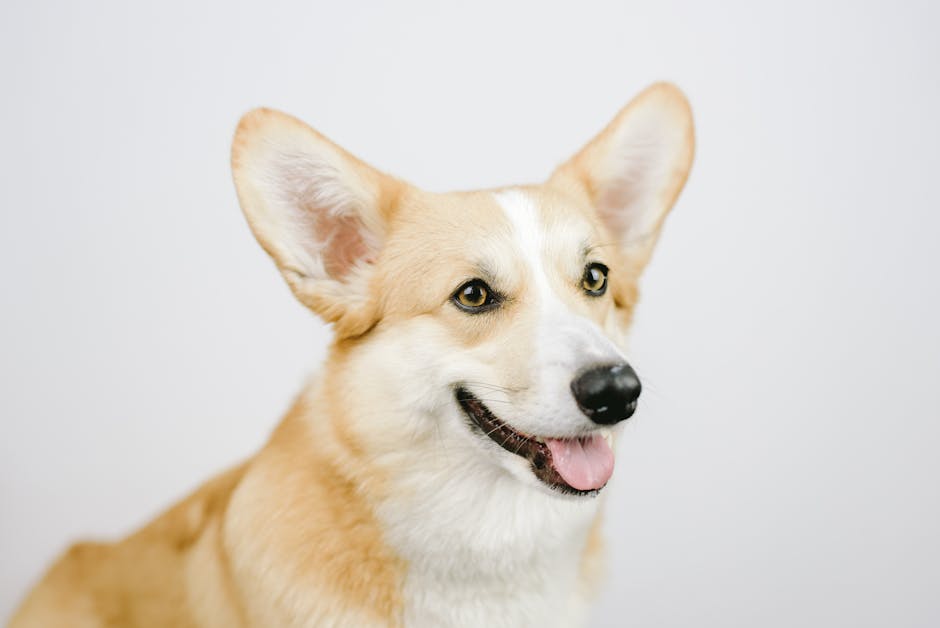


My friend Lisa called me last month in a panic. Her 7-pound Yorkie, Biscuit, had been turning his nose up at kibble for weeks. She’d tried three different brands, two wet food toppers, and was genuinely worried he wasn’t eating enough. I suggested she try freeze-dried raw as a topper. Three days later, she texted me a video of Biscuit practically inhaling his dinner.
That’s the thing about small dogs — they can be ridiculously picky eaters, and every missed meal matters more when your dog weighs less than a house cat. Freeze-dried raw dog food has been a game-changer for small breed owners I know, myself included. I’ve been mixing it into meals and using it as a standalone food for friends’ small dogs for about four years now, and the difference in coat quality, energy, and enthusiasm at mealtime is hard to ignore.
But here’s what frustrates me: most “best freeze-dried raw” lists treat a Great Dane and a Chihuahua like they have the same needs. They don’t. Small breeds need different piece sizes, higher calorie density per bite, and — this is the part nobody talks about — the best freeze dried raw dog food for small breeds is actually more affordable than people think. Let me break it all down.
Why Freeze-Dried Raw Works Well for Small Breeds
Nutrient Density for Dogs With Tiny Portions
Small dogs eat tiny amounts. A 10-pound Maltese might eat half a cup of food per day. When portions are that small, every single bite needs to count.
Here’s where freeze-dried raw pulls ahead. The freeze-drying process removes moisture at extremely low temperatures — no high-heat extrusion like kibble manufacturing. The result? You’re preserving significantly more of the original nutrients. Proteins stay intact. Fatty acids don’t degrade. Vitamins that would normally get destroyed by the 300°F+ temperatures in kibble production actually survive.
For a dog eating half a cup a day, that difference matters. A lot. You’re packing more real nutrition into a smaller volume, which is exactly what toy and small breeds need.
Most freeze-dried raw formulas run 35-49% protein on a dry matter basis. Compare that to premium kibble at 25-32%. For a tiny dog with a fast metabolism that burns through calories quickly, that protein density helps maintain lean muscle mass without needing to eat massive quantities.
Convenience vs Traditional Raw Feeding
I’ve had people ask me why they shouldn’t just feed regular raw. Fair question.
Traditional raw feeding with a 5-pound Chihuahua is honestly a pain. You’re dealing with tiny portions that are hard to measure accurately, raw meat that needs to stay frozen until use, and the very real risk of bacterial contamination on surfaces your tiny dog (who probably sleeps on your pillow) walks across.
Freeze-dried raw eliminates most of those headaches. It’s shelf-stable — sits right in your pantry. No thawing. No separate cutting boards. No racing against the clock to get raw chicken back in the fridge. You crumble some nuggets into a bowl, add warm water if you want, and you’re done.
For small breed owners who travel with their dogs (and let’s be honest, most of us do), freeze-dried raw food small dogs can eat is incredibly portable. Toss a bag in your travel kit. Try doing that with frozen raw.
Cost Comparison: Freeze-Dried Is Actually Affordable for Small Dogs
This is the big one. People see freeze-dried raw prices and choke. A 14-ounce bag for $40? That sounds insane.
But do the math for a small dog. That same 14-ounce bag that lasts a 60-pound Lab about four days? It lasts a 10-pound dog close to three weeks.
Here’s a realistic daily cost breakdown:
| Dog Size | Freeze-Dried Raw/Day | Premium Kibble/Day | Difference |
|---|---|---|---|
| 5 lbs | $1.50 – $2.50 | $0.60 – $1.00 | +$1.00–$1.50 |
| 10 lbs | $2.50 – $4.00 | $0.90 – $1.30 | +$1.60–$2.70 |
| 20 lbs | $4.00 – $6.50 | $1.20 – $1.80 | +$2.80–$4.70 |
For a 5-pound dog, you’re looking at roughly $45-75 per month for freeze-dried raw. That’s less than most people spend on their daily coffee habit. And if you use it as a topper rather than a complete meal, you can cut that cost in half.
The economics flip completely for large breeds, which is why freeze-dried raw is practically tailor-made for small dogs.
What to Look for in Freeze-Dried Raw for Small Dogs
Piece Size and Rehydration Requirements
This sounds minor until you watch a 4-pound Pomeranian try to eat a freeze-dried nugget the size of a golf ball.
Piece size matters. A lot. Some brands make nuggets clearly designed for medium and large dogs. Your toy breed shouldn’t have to work that hard. Look for:
- Mini nibs or small nuggets — blueberry to marble-sized pieces
- Crumbleable textures — nuggets that break apart easily so you can adjust portion size
- Quick rehydration — smaller pieces absorb water faster, usually 2-3 minutes vs 10-15 for large chunks
Rehydration is optional with most brands, but I recommend it for small dogs. Adding warm water makes the food softer, releases more aroma (picky eaters respond to smell), and helps with hydration — something small breeds often struggle with since they don’t drink enough water on their own.
Protein Variety and Rotation Feeding
Small breeds are notorious for getting bored with food. Rotation feeding — switching proteins every bag or every few weeks — keeps meals interesting and provides a broader nutrient profile.
Look for brands that offer at least 4-5 protein options. The common ones are chicken, beef, turkey, and lamb. Some brands go further with duck, venison, rabbit, and salmon. More variety means easier rotation.
One thing I’ve noticed with small dogs specifically: novel proteins like duck and rabbit tend to work better for dogs with sensitive stomachs. Toy breeds seem prone to food sensitivities, and having options beyond chicken and beef makes a real difference.
Single-Ingredient vs Complete Meal Formulas
Two very different products get lumped together as “freeze-dried raw”:
Complete meals include meat, organs, bone, and sometimes fruits and vegetables. They meet AAFCO standards for complete and balanced nutrition. You can feed these exclusively.
Toppers and mixers are typically single-ingredient or simple blends — freeze dried dog food toppers designed to enhance kibble. They don’t provide complete nutrition alone but they’re cheaper and incredibly effective at getting picky small breeds excited about dinner.
My recommendation? If budget allows, go complete meal. If not, use a high-quality topper mixed with a good kibble. Either approach beats straight kibble for nutrient delivery.
Always check the label for an AAFCO statement confirming the food is “complete and balanced for all life stages” or “adult maintenance” if you’re using it as a sole diet.
7 Best Freeze-Dried Raw Foods for Small Breeds
I’ve tested all of these with small dogs ranging from 4 to 20 pounds. Here’s my honest take on each.
Stella & Chewy’s Meal Mixers (Small Breed)
Best for: Topping kibble without breaking the bank
Stella & Chewy’s practically invented the freeze-dried raw category for mainstream dog owners. Their Meal Mixers come in 9 protein options and are specifically designed to crumble over kibble. The pieces break apart easily — perfect for small mouths.
At around $23 for 3.5 ounces of mixer, it’s not the cheapest option per ounce, but you use so little per meal for a small dog that a bag lasts surprisingly long. A 10-pound dog needs about 1/4 cup per day as a topper. The 18-ounce bag should last well over a month.
Standout feature: The variety. Nine proteins means you can rotate easily. The Surf N’ Turf and Chewy’s Chicken are consistent favorites with small dogs I’ve fed.
Primal Freeze-Dried Nuggets
Best for: Complete meal feeding with easy portion control
Primal’s nuggets are about 46 calories each, which makes portioning for small dogs dead simple. A 10-pound dog needs roughly 3-4 nuggets per day. Just count them out. No measuring cups, no guessing.
They offer 7 protein recipes including duck and venison for sensitive stomachs. The 14-ounce bag runs about $40, which sounds steep until you realize it contains about 50 nuggets — roughly two weeks for a 10-pound dog.
Standout feature: The nuggets rehydrate beautifully in about 3 minutes with warm water. They break down into a texture that even the pickiest toy breed will eat. The Turkey & Sardine formula is exceptional for coat health.
Open Farm Freeze-Dried Raw
Best for: Owners who care about sourcing and transparency
Open Farm is the brand I recommend when someone asks “which company can I actually trust?” They publish their sourcing for every ingredient, use humanely raised meats, and their freeze-dried line is 92-95% meat, organ, and bone.
Available in chicken, beef, turkey, lamb, salmon & beef, and pork. The 13.5-ounce bags run $37-39. Piece size is moderate — fine for dogs 8 pounds and up, but you’ll want to break pieces for very tiny dogs.
Standout feature: Ingredient transparency. You can literally trace where the chicken came from. For raw dog food for toy breeds, knowing exactly what’s in the bag matters.
Instinct Raw Boost Mixers
Best for: Specialized health needs (gut health, energy)
Instinct takes a slightly different approach with their Raw Boost Mixers. Beyond standard protein options, they offer targeted formulas — Gut Health with probiotics, Healthy Energy with added B vitamins. For small breeds with sensitive digestion (looking at you, every Shih Tzu I’ve ever met), the Gut Health formula is genuinely useful.
About 1/4 cup per day for dogs under 20 pounds. The 5.5-ounce bags are great for trying a protein before committing to a larger size.
Standout feature: The specialized formulas. No other brand in this category offers targeted health benefits in their freeze-dried mixers.
Northwest Naturals Freeze-Dried Nuggets
Best for: Budget-conscious complete meal feeding
Northwest Naturals flies under the radar, but they shouldn’t. Their 12-ounce bags run $25-27 — meaningfully cheaper than most competitors. Seven protein options including whitefish & salmon for omega-3 support.
Feeding guidelines are straightforward: a 5-pound dog gets about 8 nuggets daily, a 10-pound dog gets 16. Calorie content ranges from 153-182 kcal per ounce depending on the formula.
Standout feature: Best value per ounce in the complete meal category. The quality is right there with brands charging 40-50% more.
Vital Essentials Mini Nibs
Best for: Tiny dogs who need tiny pieces
This is the one I recommend first for dogs under 8 pounds. The Mini Nibs are blueberry-sized — specifically designed for small mouths. No crumbling, no breaking apart, no scissors. Just pour and serve.
Vital Essentials also has the widest protein selection I’ve seen: beef, chicken, duck, turkey, rabbit, salmon, pork, and several combination formulas. Over 10 varieties. They offer both crunchy and soft textures, which is great because some small dogs have dental issues that make crunchy food uncomfortable.
A 6-pound dog needs about 1/3 cup daily. The 25-ounce bag at roughly $60 will last a small dog well over a month.
Standout feature: The Mini Nib size. Nothing else on the market is this perfectly sized for toy breeds. The rabbit formula is my go-to recommendation for dogs with chicken or beef sensitivities.
Dr. Marty Nature’s Blend
Best for: Multi-protein nutrition in one bag
Dr. Marty takes a different approach — instead of single-protein formulas, Nature’s Blend combines turkey, beef, salmon, and duck with organ meats in every bag. They also make a dedicated Small Breed formula with smaller bite-sized pieces, which not every brand bothers to do.
At 256 calories per cup and 37% protein / 27% fat, it’s calorie-dense. A 5-pound dog needs about 1/2 cup daily, a 10-pound dog about 3/4 cup.
The pricing is higher than most — the 80-ounce bag runs about $145 at full retail, though subscription pricing drops it significantly. For a small dog, that 80-ounce bag lasts months.
Standout feature: The multi-protein blend means built-in rotation without buying multiple bags. The dedicated Small Breed formula shows they actually thought about tiny dogs, not just shrunk a large-breed product.
How to Introduce Freeze-Dried Raw to Your Small Dog
As a Complete Meal vs As a Topper
Don’t go all-in on day one. Small dogs have sensitive digestive systems and sudden food changes cause problems fast.
If using as a topper: Start with a pinch — literally a few crumbles — mixed into your dog’s regular food. Increase gradually over 5-7 days until you’re at the recommended topper amount (usually 1/4 cup for dogs under 20 lbs).
If transitioning to complete meals: Follow the standard 10-day transition:
– Days 1-3: 25% freeze-dried, 75% current food
– Days 4-6: 50/50
– Days 7-9: 75% freeze-dried, 25% current food
– Day 10: Full freeze-dried
Watch for soft stools during transition. It’s normal for the first few days. If it persists past day 5, slow down the transition or try a different protein source.
Rehydration Tips for Picky Small Breed Dogs
Warm water is your secret weapon. Not hot — warm. About the temperature of a baby’s bottle. Pour it over the freeze-dried food and let it soak for 2-5 minutes.
Why warm? Two reasons. First, it releases more aroma from the food, and small dogs are incredibly scent-driven eaters. Second, the slightly warm temperature mimics freshly prepared food, which triggers a stronger feeding response.
Some tricks that have worked for me and friends with picky small dogs:
- Use bone broth instead of water for extra flavor and nutrients
- Crumble nuggets before adding liquid — creates a stew-like consistency many small dogs prefer
- Serve immediately — freeze-dried raw loses appeal as it sits; small dogs need to eat within 15-20 minutes
- Slightly under-hydrate if your dog likes some crunch — use about 3/4 the recommended water
And honestly? Some small dogs prefer it dry. My friend’s Papillon refuses rehydrated food but goes crazy for dry Mini Nibs as treats throughout the day. Let your dog tell you what they want.
Monthly Cost Breakdown by Dog Size
Here’s what you’re realistically looking at per month, using mid-range pricing across the brands reviewed:
| Dog Size | Complete Meal (Monthly) | Topper Only (Monthly) | Premium Kibble (Monthly) |
|---|---|---|---|
| 5 lbs | $45 – $75 | $20 – $35 | $18 – $30 |
| 10 lbs | $75 – $120 | $35 – $55 | $27 – $40 |
| 20 lbs | $120 – $195 | $55 – $90 | $36 – $55 |
The topper approach is my recommended starting point for most people. You get 80% of the benefit at 40% of the cost. Mix a quality freeze-dried topper with a good kibble and your small dog is eating better than 90% of dogs out there.
For perspective: feeding a 5-pound Chihuahua complete freeze-dried raw costs about $1.50-2.50 per day. That’s roughly what you’d spend on a single fancy coffee. For a 20-pound dog, the economics start to tighten, but the topper approach keeps things reasonable.
Pro tip: Buy the largest bag size available. The per-ounce cost drops significantly. A 14-ounce bag might cost $40, but a 28-ounce bag of the same brand often runs $65-70 — saving you 15-20% over time. Since freeze-dried raw is shelf-stable for months, there’s no risk of it going bad before you use it.
Frequently Asked Questions
Is freeze-dried raw safe for small breed puppies?
Most complete freeze-dried raw formulas that carry an AAFCO “all life stages” statement are safe for puppies. However, small breed puppies have unique nutritional needs — they grow fast and are prone to hypoglycemia. I’d recommend consulting your vet before switching a puppy under 6 months. For puppies over 6 months, a gradual transition with an all-life-stages formula works well. Feed puppies 2-3 times daily rather than once to maintain stable blood sugar.
Can I mix freeze-dried raw with kibble?
Absolutely — and for most small breed owners, this is the best approach. Despite the internet myth that kibble and raw “digest at different rates” and shouldn’t be mixed, there’s no scientific evidence supporting that claim. Mixing freeze-dried raw with kibble gives your dog better nutrition than kibble alone while keeping costs manageable.
How long does freeze-dried raw last once opened?
Unopened, most brands are shelf-stable for 12-24 months. Once opened, keep the bag sealed tightly and use within 30 days for peak freshness. Since small dogs eat such tiny amounts, you’ll want the smaller bag sizes unless you’re feeding multiple dogs. Store in a cool, dry place — not the fridge, which can introduce moisture.
Do I need to rehydrate freeze-dried raw food?
You don’t have to, but I recommend it for small dogs. Rehydrating with warm water aids digestion, boosts hydration (small breeds are often mildly dehydrated), and makes the food more aromatic and appealing. That said, dry freeze-dried pieces make excellent training treats for small dogs — they’re high value and easy to break into tiny reward-sized bits.
Will my vet approve of freeze-dried raw?
Honestly? Many vets are cautious about raw diets, and that’s worth respecting. Their primary concerns are bacterial contamination (Salmonella, E. coli) and nutritional completeness. Freeze-dried raw addresses some of these concerns — the freeze-drying process reduces (though doesn’t eliminate) bacterial loads, and reputable brands meet AAFCO standards. Have an open conversation with your vet. Bring the specific product you’re considering so they can review the guaranteed analysis and AAFCO statement.
Finding the best freeze dried raw dog food for small breeds really comes down to your dog’s size, your budget, and how you plan to use it. For tiny dogs under 8 pounds, Vital Essentials Mini Nibs are hard to beat on piece size alone. For the best overall value as a complete meal, Northwest Naturals delivers quality that punches above its price point. And if you just want to boost your small dog’s kibble without a complete overhaul, Stella & Chewy’s Meal Mixers are the easiest entry point.
Start with a topper approach, watch how your dog responds, and go from there. Every small dog I’ve seen make the switch has eaten better, looked better, and been more excited about mealtime. Biscuit the Yorkie certainly agrees.
Featured Image Source: Pexels