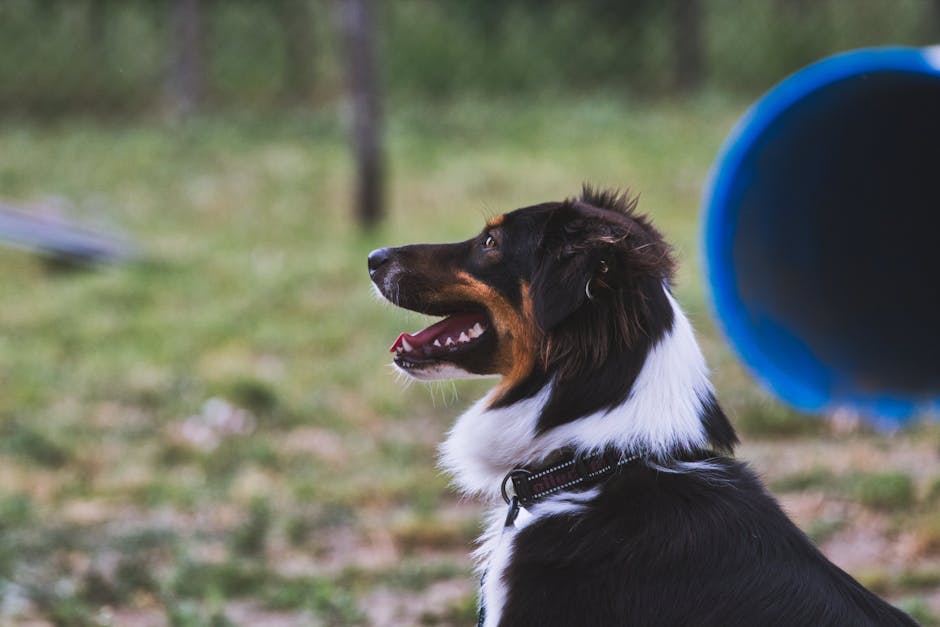

My Border Collie, Mack, once destroyed an entire couch cushion in under two hours. Not because he was a bad dog — he was bored out of his mind. I’d left him with a bone and a squeaky toy, thinking that was enough. It wasn’t. That expensive lesson taught me something every dog owner eventually figures out: physical exercise alone isn’t enough. Dogs need their brains worked too.
That’s when I discovered puzzle toys, and honestly, they changed everything. Not just for Mack, but for every dog I’ve had since. A good puzzle toy can turn a restless, destructive dog into a focused, satisfied one. And the best part? Fifteen minutes of solid mental stimulation can tire a dog out as much as thirty-plus minutes of physical exercise. I’ve seen it firsthand with my own dogs, and the research backs it up.
Whether you’ve got a whip-smart Border Collie who needs constant challenges or a laid-back Golden who just needs something to do while you’re cooking dinner, there’s a puzzle toy that fits. I’ve tested dozens over the years — bought some, been gifted others, borrowed a few from friends. Here are the ones actually worth your money.
Why Mental Stimulation Matters for Dogs
Dogs were bred to work. Herding, hunting, guarding, retrieving — they had jobs that kept their minds engaged for hours every day. Now most of them spend eight hours waiting for us to come home from work. That’s a lot of unused brainpower, and it has to go somewhere.
Boredom and Destructive Behavior
Chewed shoes. Shredded pillows. Holes dug in the backyard. Barking at absolutely nothing for twenty minutes straight. Sound familiar? Nine times out of ten, these aren’t behavior problems — they’re boredom problems.
I’ve talked to so many dog owners who think their dog is “being bad” when the dog is really just under-stimulated. A tired brain leads to a calm dog. It’s that simple. Interactive dog toys for boredom aren’t a luxury or a gimmick. They’re a genuine solution to one of the most common complaints dog owners have.
My Golden Retriever, Penny, used to counter-surf constantly. Started giving her a frozen KONG every afternoon. Counter-surfing stopped within a week. She wasn’t hungry — she was bored.
Cognitive Health in Senior Dogs
This one doesn’t get talked about enough. Dogs can develop cognitive dysfunction syndrome — basically canine dementia. It affects roughly 28% of dogs aged 11–12 and over 60% of dogs over 15.
Brain games for dogs aren’t just for puppies and young adults. Regular mental challenges can help slow cognitive decline in aging dogs, keeping them sharper and more engaged as they get older. My friend’s 13-year-old Lab still works a Nina Ottosson puzzle every morning. His vet credits that daily mental exercise as a major factor in how alert he’s stayed.
Even simple puzzles count. You don’t need to challenge a senior dog with competition-level difficulty. Just get those neurons firing.
Puzzle Toy Difficulty Levels Explained
Most quality puzzle toys come with difficulty ratings, and understanding them matters. Starting a beginner dog on an advanced puzzle is a recipe for frustration — they’ll give up and walk away. Too easy, and they’ll solve it in thirty seconds and lose interest.
Level 1 — Beginner (Treat-Dispensing)
These are your entry point. The dog performs one simple action — push, roll, lick — and gets rewarded. KONGs, treat balls, and basic dispensers fall here. Every dog should start at this level, regardless of breed or how smart you think they are.
The goal is to teach the concept: interact with this thing, get food. Once that clicks, you can move up.
Level 2 — Intermediate (Sliders and Flips)
Now we’re adding steps. The dog has to slide a cover, flip a lid, or move a piece to reveal the treat underneath. Nina Ottosson’s mid-range puzzles live here. Most dogs take a few sessions to figure these out, and they stay engaging for weeks.
This is the sweet spot for most pet dogs. Challenging enough to hold attention, not so hard they give up.
Level 3 — Advanced (Multi-Step Puzzles)
Multiple sequential steps. The dog has to complete action A before action B becomes possible. These are designed for dogs who’ve mastered the intermediate level and need more complexity. Border Collies, Poodles, Australian Shepherds — the problem-solvers thrive here.
Fair warning: some dogs will never enjoy this level, and that’s perfectly fine. Not every dog needs to be a puzzle champion.
10 Best Puzzle Toys for Dogs
I’ve narrowed this down to ten that I genuinely recommend after years of testing. No filler picks, no products I haven’t personally seen in action.
Nina Ottosson Dog Brick (Best Intermediate)
This is the puzzle toy I recommend more than any other. It’s got sliding covers, removable bones, and flip-up compartments — three different mechanics in one toy. Dogs have to figure out each one to get all the treats.
Mack figured it out in about ten minutes his first time, but he still gets excited every time I pull it out. The plastic is sturdy — survived three years with my dogs — and it’s dishwasher safe. Around $15–20, which is a steal for how much use you’ll get. This is the gold standard for mental stimulation toys for smart dogs.
KONG Classic Stuffable (Best for Beginners)
You probably already know about KONGs, but most people don’t use them right. Here’s the trick: layer kibble, peanut butter, and a few high-value treats inside, then freeze the whole thing overnight. A frozen KONG can keep a dog busy for 20–40 minutes, compared to about 5 minutes unfrozen.
The natural rubber is nearly indestructible. I’ve had the same red KONG for Penny for four years. They come in sizes from XS to XXL and different rubber strengths for different chew levels. The black “Extreme” version is what you want for power chewers.
Outward Hound Hide-A-Squirrel (Best Plush Puzzle)
A plush tree trunk with squeaky squirrels stuffed inside. Dogs pull the squirrels out one by one. It sounds simple, and it is — but dogs go absolutely nuts for it. Something about that hunting/extraction instinct.
Not for heavy chewers (those squirrels won’t last), but for moderate chewers it’s endlessly entertaining. I’ve re-stuffed the squirrels for Penny probably a thousand times. They also make versions with birds, hedgehogs, and bees if squirrels aren’t your thing.
Trixie Activity Flip Board (Best for Small Dogs)
Small dogs get overlooked in the puzzle toy world. Everything’s designed for medium to large breeds, and a Chihuahua can’t exactly wrestle a full-size KONG. The Trixie Flip Board is perfectly sized for smaller mouths and paws.
It has cones to lift, sliders to push, and lids to flip — all scaled appropriately. My neighbor uses one for her Dachshund, and he works it like a pro. Great for toy breeds and puppies too. Runs about $10–15.
West Paw Toppl (Best Stuffable Alternative)
Think of this as a KONG with a wider opening. That might sound like a small difference, but it makes stuffing way easier and lets dogs access the food from multiple angles. You can also connect two Toppls together for a harder challenge.
Made from West Paw’s Zogoflex material, which is recyclable and comes with a one-time replacement guarantee if your dog destroys it. I actually prefer the Toppl over the KONG for puppies because the wider opening is less frustrating for them.
PetSafe Busy Buddy Twist ‘n Treat
An adjustable-difficulty treat dispenser. Twist the two halves to make the opening bigger (easier) or smaller (harder). I love that you can customize the challenge level without buying a whole new toy.
Fill it with kibble and let your dog bat it around. It wobbles unpredictably, which keeps things interesting. Works on both carpet and hard floors, though it’s noisier on hardwood. Fair warning on that.
Nina Ottosson Dog Casino (Best Advanced)
This is the boss level. Multiple drawers that slide, bones that lift, and compartments that only open once the dog completes a previous step. It’s the most complex consumer puzzle toy I’ve found.
Only get this after your dog has mastered intermediate puzzles. I made the mistake of giving this to a friend’s puppy — he just chewed on it and got frustrated. But for experienced puzzle dogs? It’s fantastic. Mack still takes 8–10 minutes to clear it, and he’s been working puzzles for years.
Snuffle Mat for Nose Work
Not a traditional puzzle, but arguably the best enrichment toy you can buy. Sprinkle kibble or small treats into the fabric strips, and your dog uses their nose to sniff them out. It engages their strongest sense — dogs have up to 300 million olfactory receptors compared to our measly 6 million.
A 10-minute snuffle session genuinely wears dogs out. I use one as Penny’s dinner bowl a few times a week. She eats slower, works harder, and crashes on the couch afterward. You can buy one for $15–25, or make your own with a rubber mat and fleece strips.
LickiMat Classic (Best Calming Toy)
Spread peanut butter, yogurt, or wet food across the textured surface, and your dog licks it clean. The repetitive licking motion releases calming endorphins — making this the best puzzle toys for dogs who struggle with anxiety, vet visits, or grooming sessions.
I freeze mine with a thin layer of plain Greek yogurt and blueberries. Keeps Penny occupied for a solid 15 minutes and genuinely calms her down during thunderstorms. They come in different textures for different food types. The “Buddy” pattern works best for peanut butter.
Bob-A-Lot Interactive Feeder
A weighted wobble toy with two chambers — a large one for meals and a small one for treats. Adjustable openings on both. This is my top pick for dogs who eat too fast, because it forces them to work for every piece of kibble.
The weighted bottom means it always rights itself, so the game never ends prematurely. Durable enough for big dogs (my 70-pound Golden hasn’t dented hers), and quiet enough on carpet that you won’t lose your mind.
| Toy | Best For | Difficulty | Price Range |
|---|---|---|---|
| Nina Ottosson Dog Brick | Overall pick | Intermediate | $15–20 |
| KONG Classic | Beginners | Beginner | $8–15 |
| Hide-A-Squirrel | Plush puzzle fans | Beginner | $10–18 |
| Trixie Flip Board | Small dogs | Intermediate | $10–15 |
| West Paw Toppl | Stuffable alt | Beginner | $12–18 |
| Twist ‘n Treat | Adjustable challenge | Beginner–Inter. | $8–12 |
| Nina Ottosson Casino | Advanced dogs | Advanced | $20–30 |
| Snuffle Mat | Nose work | Beginner | $15–25 |
| LickiMat Classic | Anxious dogs | Beginner | $8–12 |
| Bob-A-Lot | Fast eaters | Beginner–Inter. | $12–18 |
How to Introduce Puzzle Toys to Your Dog
Don’t just hand your dog a puzzle and expect them to figure it out. That’s like giving someone a Rubik’s cube without telling them the goal.
Start stupidly easy. Leave compartments partially open so your dog can see and smell the treats. Let them succeed quickly. You want that lightbulb moment — “Oh, I did something and food appeared!” — to happen fast.
Then gradually increase difficulty. Close the lids a bit more. Hide the treats deeper. Add more steps. My general rule: if your dog gives up within two minutes, it’s too hard. If they finish in under thirty seconds, it’s too easy.
A few more tips from years of trial and error:
- Supervise first sessions. Some dogs try to destroy puzzles rather than solve them. Redirect chewing to solving.
- Rotate toys. Don’t leave all puzzles out all the time. Keep 2–3 in rotation and swap weekly. Old toys feel new again.
- Use high-value treats for new puzzles. Small pieces of chicken or cheese motivate dogs to push through the learning curve.
- End on a win. If your dog is struggling, make it easier so they succeed before you put the toy away. You want them excited to see it next time, not dreading it.
DIY Puzzle Toy Ideas
You don’t need to spend a fortune to give your dog enrichment toys. Some of the best dog enrichment toys cost nothing.
Muffin tin puzzle. Put treats in a few cups of a muffin tin, then cover all the cups with tennis balls. Dead simple, surprisingly effective. Most dogs figure it out in under a minute but still enjoy it every time.
Towel roll-up. Lay a towel flat, scatter treats across it, then roll it up. Your dog has to unroll it with their nose and paws to get the food. Increase difficulty by folding the towel before rolling.
Cardboard box bonanza. Put treats inside a small box, put that box inside a bigger box, add some crumpled newspaper. Let your dog tear through the layers. Yes, it’s messy. Dogs don’t care. Make sure to remove any tape or staples first.
Plastic bottle spinner. Thread a dowel through a clean plastic bottle and rest the dowel between two supports (chair legs work great). Put kibble inside the bottle. The dog has to paw or nose the bottle to spin it and release the food. This one kept Mack busy for a solid twenty minutes the first time I made it.
Frequently Asked Questions
How long should a dog play with a puzzle toy?
Most sessions last 10–20 minutes, and that’s plenty. You’re not looking for marathon sessions — just focused, engaged problem-solving. If your dog finishes quickly and walks away satisfied, the toy did its job.
Are puzzle toys safe to leave with dogs unsupervised?
It depends on the toy and your dog. Rubber toys like KONGs and Toppls are generally safe for unsupervised use. But plastic puzzles with removable parts? Supervise until you know your dog won’t try to chew off small pieces. I never leave Nina Ottosson puzzles out when I’m not watching.
My dog gets frustrated and gives up. What should I do?
You’re moving too fast. Drop back a difficulty level and let them rebuild confidence. Make the puzzle embarrassingly easy — lids half open, treats visible — and let them succeed. Frustration kills motivation. A dog who quits on puzzles is a dog who was pushed too hard too quickly.
Can puppies use puzzle toys?
Absolutely. Start with basic treat dispensers and frozen KONGs around 8–10 weeks. Puppies are learning machines, and early puzzle exposure builds problem-solving skills they’ll carry into adulthood. Just stick to appropriate sizes and supervise closely.
How often should I give my dog puzzle toys?
Daily is ideal. I give my dogs at least one puzzle session every day — sometimes a frozen KONG in the morning and a Nina Ottosson puzzle in the evening. But even two or three times a week makes a noticeable difference in behavior and contentment.
Finding the right best puzzle toys for dogs comes down to knowing your dog. Their size, their experience level, their temperament. Start simple, build up, and pay attention to what gets their tail wagging. The investment is minimal — most of these toys cost less than a bag of treats — but the payoff in reduced destructive behavior, better mental health, and a happier dog is enormous. Mack and Penny are living proof.
Featured Image Source: Pexels