

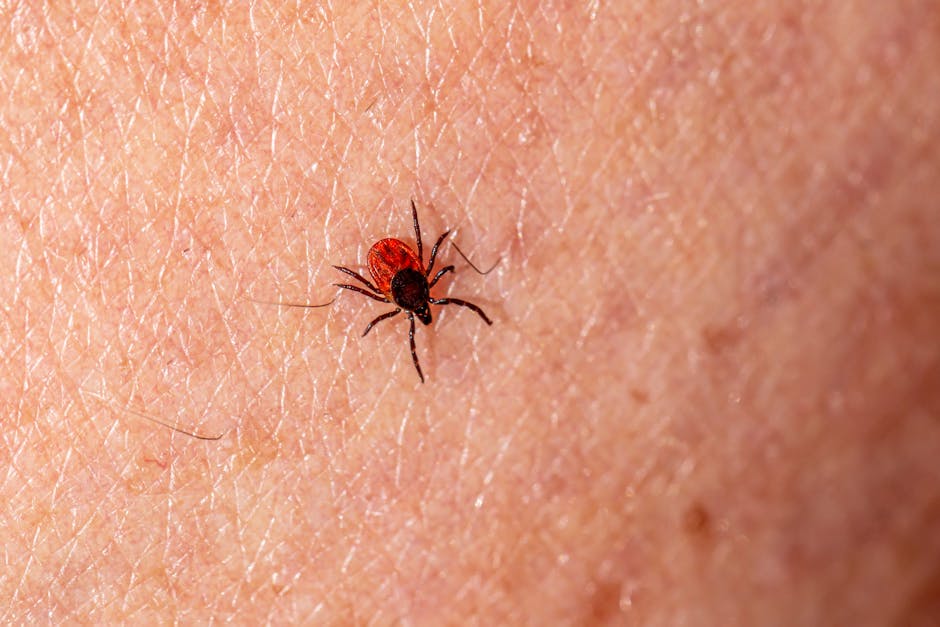

Every spring, I get the same panicked text from at least three friends: “Found a tick on Max — what do I use?!” And every year, my answer is the same. You should’ve started prevention six weeks ago.
Look, I’m not trying to be harsh. I made the same mistake with my first dog, a dopey golden retriever named Biscuit. Pulled a deer tick off him in April, spent the next month anxiously waiting for Lyme disease symptoms. He was fine, thankfully. But that scare changed how I approach tick season forever.
Here’s the thing about ticks: they don’t wait for warm weather to show up. Some species become active as soon as temps hit 35-40°F consistently. In most of the U.S., that means March. And with National Tick Bite Prevention Week falling March 24-30, there’s no better time to get your prevention plan locked in. The tick and flea prevention market has ballooned to over $5.6 billion — which tells you both how serious the problem is and how many options you’re sorting through.
This guide cuts through the noise. I’ve used most of these products on my own dogs, talked to two vets I trust, and done way too much reading on isoxazoline compounds. Let’s get your dog protected before the first hike of spring.
Understanding the Tick Threat to Your Dog
Not all ticks are created equal, and where you live matters a ton.
Deer ticks (black-legged ticks) dominate the Northeast and upper Midwest. These are the Lyme disease carriers, and they’re tiny — an unengorged nymph is smaller than a poppy seed. I’ve missed them during tick checks more than once. Lone star ticks are aggressive biters across the Southeast and south-central states. They’ll latch onto anything that moves. American dog ticks are the big ones you notice right away, common east of the Rockies and along the Pacific coast. And brown dog ticks are the only species that can complete their entire life cycle indoors — meaning your house can become infested if you’re not careful.
The diseases these parasites carry aren’t minor inconveniences. Lyme disease can cause joint swelling, kidney damage, and chronic pain. Ehrlichiosis attacks white blood cells. Anaplasmosis mimics flu symptoms and can become life-threatening. Rocky Mountain spotted fever? Potentially fatal without treatment.
Spring through early summer is when tick populations explode. Nymphs that overwintered emerge hungry, adult ticks are actively seeking hosts, and — conveniently — that’s exactly when you and your dog are spending more time outside. The overlap is brutal.
Types of Tick and Flea Prevention
Oral Medications (Chewables)
Oral preventatives have basically taken over the market in the last decade, and for good reason. Most belong to the isoxazoline drug class — they work by targeting the nervous system of parasites after a tick or flea bites your dog. The parasite dies before it can transmit disease in most cases.
NexGard is what I use on my current dog, a 60-pound lab mix. It’s a monthly beef-flavored chewable, and she thinks it’s a treat. Protection kicks in within about 4 hours for fleas, 48 hours for ticks. It kills four major tick species, which covers most of the U.S.
Simparica Trio is my top recommendation if you want the kitchen-sink approach. Monthly chew that handles ticks, fleas, heartworm, roundworms, and hookworms. One product, done. At roughly $20-25 per month for a medium-sized dog, the value is hard to beat compared to stacking separate products.
Bravecto is the one for people who hate remembering monthly doses. One chew lasts 12 weeks. I used this on my previous dog and loved the convenience, though the upfront cost ($50-65 per dose) feels steep even if the monthly math works out similarly.
Credelio is newer and less talked about, but my vet specifically recommends it for dogs with sensitive stomachs. Monthly dosing, starts killing ticks within 4 hours.
The downside to orals? They require a prescription. Some dogs with seizure histories shouldn’t take isoxazolines — the FDA added a warning about this in 2018. And a small percentage of dogs throw up the chewable, which means you’re not sure if they got the full dose. But for most dogs, oral prevention is the gold standard right now.
Topical Treatments (Spot-On)
Before chewables existed, topicals were everything. You part the fur between your dog’s shoulder blades, apply the liquid, and it spreads across the skin over 24 hours. They still work. Some dogs genuinely do better with them.
Frontline Plus is the classic. It’s been around forever, it’s available without a prescription at most pet stores, and it costs about $12-15 per month. Kills ticks and fleas for 30 days. My concern? I’ve heard from multiple vets that some flea and tick populations have developed resistance to fipronil (the active ingredient). It might not be as effective as it was ten years ago depending on your region.
K9 Advantix II is stronger — it actually repels ticks, fleas, and mosquitoes before they bite, which is a meaningful difference. Orals kill after the bite; Advantix prevents biting altogether. Huge advantage. The catch? It contains permethrin, which is toxic to cats. If you have cats in the house, skip this one entirely. Not worth the risk.
Revolution Plus covers ticks, fleas, ear mites, and heartworm in one topical. Prescription required. Good option if your dog refuses chewables and you want multi-parasite coverage.
Topicals do have annoyances. You can’t bathe your dog for 48 hours after application. The application site looks greasy. If your dog rolls on the couch right after… well, now your couch has pesticide on it. And kids shouldn’t pet the application area until it dries. Real-life stuff that matters.
Tick Collars
Seresto dominates this category. The collar releases low concentrations of imidacloprid and flumethrin over 8 months, which is genuinely impressive longevity. At around $60-70, that works out to less than $9 per month.
I put a Seresto collar on Biscuit for two seasons. It worked well. The main gripe: it’s one more thing on your dog’s neck, and if your dog swims a lot or gets bathed frequently, the effectiveness drops faster. Seresto also got hit with controversy a few years back — reports of adverse reactions made news. The EPA investigated and allowed them to stay on the market, but it’s worth knowing about.
Collars make the most sense as a supplement to other methods, or for dogs whose owners want a low-maintenance, set-it-and-forget-it option. They’re not my first choice as standalone protection in heavy tick areas.
Natural and Alternative Options
I know this section is what some of you skipped straight to. Let me be honest with you.
Essential oil sprays — cedarwood, lemongrass, peppermint — do have some tick-repelling properties. A 2019 study in the Journal of Medical Entomology found that certain essential oil blends repelled ticks for a few hours. A few hours. Compare that to 30 days of protection from a single chewable.
Diatomaceous earth can kill fleas in your yard by dehydrating their exoskeletons. It does work for that specific use. But it doesn’t prevent ticks on your dog during a walk, and it washes away when it rains.
Apple cider vinegar in your dog’s water? There’s zero clinical evidence that this repels ticks. None. I see this recommended constantly online and it drives me a little crazy.
Here’s my position: natural options can be part of your strategy. I spray a cedarwood-based repellent on my dog’s bandana before hikes. But it supplements the NexGard she’s already on. Using only natural methods in a high-tick area is gambling with your dog’s health. If you’re committed to avoiding conventional pesticides, at minimum talk to a holistic vet who can build a realistic prevention plan.
How to Choose the Right Prevention for Your Dog
Picking the right product isn’t one-size-fits-all. Here’s what actually matters:
Breed size and weight determine dosing. Most products come in weight ranges (5-10 lbs, 11-24 lbs, etc.). Get the right range — underdosing is ineffective, overdosing is dangerous.
Coat type is surprisingly relevant. Long-haired breeds like collies, Bernese mountain dogs, and golden retrievers are harder to do tick checks on. I’d lean toward oral prevention for these breeds because a topical applied incorrectly through thick fur won’t distribute properly. Short-coated breeds do fine with either.
Lifestyle is the biggest factor. A city apartment dog who walks on sidewalks has different exposure than a hunting dog crashing through brush every weekend. High-exposure dogs might benefit from combining methods — say, an oral chewable plus a repellent spray before outdoor adventures.
Health conditions narrow your options. Dogs with seizure disorders should avoid isoxazolines (or use them only with vet guidance). Dogs with skin sensitivities may not tolerate topicals. Pregnant or nursing dogs need vet-approved products specifically.
Cost matters because consistency matters. The best prevention is the one you’ll actually give every month. If a premium product stretches your budget to the point where you skip months, a less expensive option used consistently is better.
| Product | Type | Dosing | Ticks Killed | Also Covers | Approx. Monthly Cost | Rx Required? |
|---|---|---|---|---|---|---|
| Simparica Trio | Oral | Monthly | 5 species | Fleas, heartworm, worms | $20-25 | Yes |
| NexGard | Oral | Monthly | 4 species | Fleas | $18-22 | Yes |
| Bravecto | Oral | Every 12 wks | 4 species | Fleas | $17-22 | Yes |
| Credelio | Oral | Monthly | 4 species | Fleas | $16-20 | Yes |
| K9 Advantix II | Topical | Monthly | 4 species | Fleas, mosquitoes | $14-18 | No |
| Frontline Plus | Topical | Monthly | 4 species | Fleas | $12-15 | No |
| Revolution Plus | Topical | Monthly | 3 species | Fleas, heartworm, mites | $18-22 | Yes |
| Seresto Collar | Collar | 8 months | 2 species | Fleas | $8-9 | No |
Spring Tick Prevention Checklist
Prevention isn’t just about what you put on your dog. Your yard and your habits matter just as much.
Yard treatment:
- Keep grass mowed short — ticks hang out in tall grass waiting for hosts to walk by (it’s called “questing” and it’s creepy)
- Clear leaf litter and brush piles along fence lines and under trees
- Create a 3-foot gravel or wood chip barrier between your lawn and any wooded areas
- Consider a permethrin-based yard spray in early spring if you’re in a high-tick zone
- Stack firewood neatly in dry areas — messy woodpiles are tick hotels
Post-walk tick checks (do this every single time):
Run your fingers through your dog’s fur systematically. Ticks love warm, hidden spots. Check in this order:
- Inside and behind ears — the number one spot I find ticks
- Around the eyes and muzzle
- Under the collar and around the neck
- Between the toes and paw pads (yes, really)
- Armpits and groin area
- Under the tail and around the base of the tail
- Along the belly where fur is thinnest
I keep a lint roller by the door. A quick roll over my dog’s coat after every walk catches unattached ticks before they dig in. It’s stupid simple and it works.
If you find an attached tick:
Grab fine-tipped tweezers (not the fat cosmetic kind). Grasp the tick as close to the skin as possible. Pull straight up with steady pressure — don’t twist, don’t jerk. Clean the bite area with rubbing alcohol. Save the tick in a sealed bag for two weeks in case your dog develops symptoms and the vet wants to identify the species.
Do NOT use the match trick. Do not smother it with Vaseline. Do not paint it with nail polish. These old wives’ tales either don’t work or cause the tick to regurgitate into the bite wound, which increases disease transmission risk.
When to see the vet after a tick bite:
If you removed the tick within 24 hours, transmission risk is low (most diseases need 36-48 hours of attachment). But watch for these signs over the next 2-4 weeks: lethargy, loss of appetite, fever, joint swelling or lameness, unusual bruising. Any of those warrant a vet visit and probably a tick-borne disease panel.
FAQ
Can dogs get Lyme disease even with prevention?
Technically, yes — no product is 100% effective. But the risk drops dramatically. Oral preventatives kill ticks within hours of attachment, usually before the 36-48 hour transmission window. Combined with a Lyme vaccine (available and worth discussing with your vet), your dog’s protection is very strong. I’ve had dogs on prevention for over a decade without a single tick-borne illness.
Are tick prevention products safe for puppies?
Most oral preventatives are approved for puppies 8 weeks and older, weighing at least 2-4 pounds depending on the product. NexGard and Simparica Trio both start at 8 weeks. Frontline Plus can be used on puppies 8 weeks and over. Always check the specific product label, and definitely run it by your vet at the first puppy visit.
How soon does tick medication start working?
Oral chewables start killing fleas within 2-4 hours and ticks within 24-48 hours. Topicals take a bit longer — usually 24-48 hours to fully distribute across the skin. Neither works instantly, so don’t apply a topical and immediately head into the woods.
Can I use multiple prevention methods together?
Yes, and in heavy tick areas, I actually recommend it. An oral chewable plus a repellent spray is a solid combo. But don’t combine two products with the same active ingredient — for example, don’t use an isoxazoline chewable and a permethrin topical AND a Seresto collar without talking to your vet first. Stacking too many pesticides is unnecessary and potentially harmful.
Do indoor dogs need tick prevention?
If your dog goes outside at all — even just to a fenced backyard — yes. Ticks don’t respect property lines. Deer, raccoons, mice, and birds can all carry ticks into your yard. Brown dog ticks can even establish populations inside your home. The only dogs I’d consider skipping prevention for are true apartment dogs in high-rise buildings who use indoor pee pads exclusively. And even then, I’d probably still recommend it.
Is year-round prevention necessary or just seasonal?
In the southern U.S., year-round is non-negotiable — ticks stay active in mild winters. In northern states, many vets recommend at minimum March through November. But with climate change pushing tick seasons longer each year, year-round prevention is becoming the standard recommendation everywhere. My dogs get it 12 months a year. The $20/month isn’t worth the gamble.
The Bottom Line
If I had to pick one product for most dogs, it’s Simparica Trio. Monthly chew, covers ticks, fleas, heartworm, and intestinal parasites. One product handles almost everything. Hard to argue with that.
On a tighter budget? Frontline Plus is available without a prescription and costs around $12-15 a month. It’s not the newest option, but consistent use still provides meaningful protection for dogs with moderate tick exposure.
Want maximum protection with minimum effort? Bravecto every 12 weeks means you only think about it four times a year. I genuinely forget less with this schedule.
And my broken-record reminder: start prevention in early March, not when you find the first tick. By then, you’re already behind. Your dog’s counting on you to think ahead — they can’t exactly apply their own flea medication. Trust me, I’ve seen mine try to eat the box instead.
Featured Image Source: Pexels