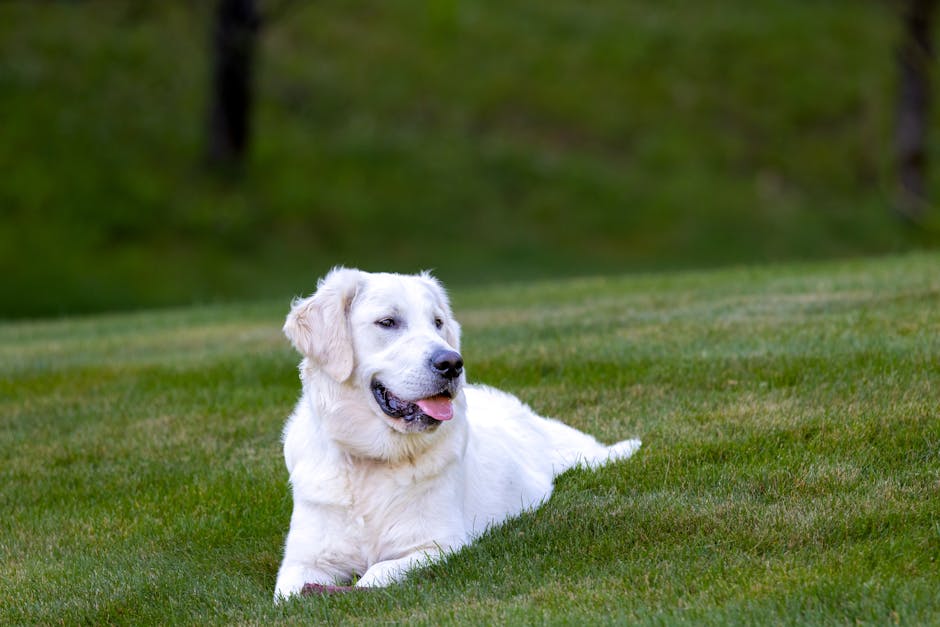


Let me be honest with you — I’ve cleaned more dog bed covers than I can count. Between my Golden Retriever’s love of every muddy puddle in existence and fostering a senior Border Collie with bladder issues, I’ve been through the waterproof dog bed gauntlet. Some held up beautifully. Others? Complete waste of money that smelled like a swamp within two weeks.
Finding the best waterproof dog bed isn’t just about slapping a plastic cover on some foam and calling it a day. The good ones use sealed internal liners — usually TPU (thermoplastic polyurethane) — that actually block moisture from reaching the cushion inside. The cheap ones use vinyl that cracks after a few months or, worse, “water-resistant” fabric that’s basically just tightly woven nylon. Not the same thing. Not even close.
I’ve tested, bought, returned, and recommended dozens of these beds over the years. Here’s everything I’ve learned about what actually works — and what’s just marketing fluff.
When You Need a Waterproof Dog Bed
Not every dog needs a waterproof bed. But if any of these situations sound familiar, trust me — you need one.
Senior Dogs With Incontinence
This is the big one. When my friend’s 13-year-old Lab started having accidents at night, the smell took over their living room within a week. Regular dog beds absorb urine like a sponge, and no amount of Febreze fixes that. A true waterproof bed with a sealed TPU liner keeps urine on the surface of the inner cover, away from the foam core. You strip the outer cover, wipe down the liner, toss the cover in the wash. Done.
If your senior dog is having accidents, a waterproof bed isn’t optional — it’s essential for their dignity and your sanity. These dogs already feel bad enough. Give them a clean, dry place to sleep.
Outdoor Use on Patios and Decks
Outdoor dog beds take a beating. Rain, morning dew, sprinkler overspray, spilled water bowls — moisture comes from everywhere. For patio and deck use, you want waterproof construction AND UV-resistant fabric. Sun breaks down most materials faster than water does. I learned this the hard way when a bed I left on our back deck literally fell apart after one summer.
Elevated beds are your best friend outdoors. They keep the sleeping surface off the ground entirely, which means no sitting in puddles after a rainstorm and better airflow in the heat.
Puppies in House Training
Puppies pee. A lot. Everywhere. My Border Collie puppy had about a 60% accuracy rate with the puppy pads for the first three weeks, which meant his bed got hit regularly. A waterproof bed during the house training phase saves you from buying a new bed every month. Just get one with a machine-washable cover and a sealed liner, and ride out those first few months.
Breeds That Love Water and Mud
Labrador Retrievers, Portuguese Water Dogs, Spaniels of every variety, Newfoundlands — some breeds are magnetically attracted to water. And mud. My Golden would find the one puddle in a bone-dry park. These dogs track moisture everywhere they go, and they plop down on their bed while still damp. A standard bed turns into a mildew factory fast. Waterproof beds prevent that moisture from penetrating deep into the cushion where bacteria and mold love to grow.
Waterproof vs Water-Resistant — What’s the Difference
This distinction matters more than most people realize, and manufacturers love to blur the line.
| Feature | Waterproof | Water-Resistant |
|---|---|---|
| Protection level | Blocks all liquid penetration | Slows liquid absorption |
| Liner type | Sealed TPU or laminated barrier | DWR coating or tight weave |
| Handles urine/heavy spills | Yes | Temporarily, if at all |
| Durability of protection | Lasts years if liner stays intact | Coating wears off over time |
| Best for | Incontinence, outdoor, heavy mess | Light drool, occasional spills |
Water-resistant means the fabric has a coating that repels some moisture. Think of it like a rain jacket — light rain beads off, but stand in a downpour long enough and you’re getting wet. Water-resistant beds handle drool and a small splash fine, but they won’t stop a full bladder release or a dog that’s soaking wet from a swim.
Truly waterproof beds have an internal liner that creates a complete barrier. Even if the outer cover gets soaked through, the foam or fill inside stays dry. TPU liners are the gold standard here — they’re flexible, don’t crack like vinyl, and they’re bonded to the fabric with sealed seams. That sealed seam part is critical. A liner with stitched seams will wick moisture right through the needle holes.
Top 7 Waterproof Dog Beds
K9 Ballistics Tough Waterproof Bed (Best Overall)
This is my go-to recommendation and it’s not particularly close. K9 Ballistics uses a ripstop outer fabric paired with a fully sealed waterproof liner inside. The combination means the outer cover resists tearing from nails and teeth while the inner liner blocks 100% of moisture from the foam core.
They offer CertiPUR-US certified foam in multiple thicknesses — I’d recommend the 5-inch for dogs over 50 pounds. The covers zip off easily and handle machine washing well. I’ve washed my covers probably 40+ times and they still look decent.
Price runs $80–180 depending on size. Not cheap. Worth every dollar if you’re dealing with incontinence or a destructive chewer.
Kuranda Chewproof Elevated Bed (Best Outdoor)
Kuranda takes a completely different approach — there’s no cushion to get wet in the first place. It’s an elevated aluminum or PVC frame with a vinyl or ballistic nylon sleeping surface stretched across it. Dogs sleep about 6 inches off the ground. Water runs right through or evaporates quickly.
I’ve seen Kuranda beds in shelters that have survived thousands of dogs. They’re virtually indestructible. For outdoor use, the aluminum frame won’t rust and the fabric handles UV exposure far better than foam beds left in the sun. The downside? Not as cushy. Senior dogs with joint issues might need a waterproof pad on top. But for a healthy dog who lives partly outdoors, nothing beats it.
Prices range from $60–130. Lasts basically forever.
PetFusion Waterproof Memory Foam Bed
PetFusion hits a nice sweet spot between comfort and waterproofing. The 4-inch memory foam base with a waterproof internal liner provides solid joint support, and the bolster edges give dogs something to rest their head on. My friend’s arthritic Shepherd loved this bed.
The cover is a polyester-cotton blend that’s comfortable against fur and removes easily for washing. One complaint — the zipper quality isn’t great. I’ve seen a few fail after 6–8 months of regular washing. Keep an eye on it.
Around $70–140 depending on size. Good middle ground between comfort and protection.
Brindle Waterproof Designer Bed
Brindle makes a surprisingly solid waterproof bed at a lower price point than K9 Ballistics. The waterproof liner is built in, the sherpa or suede outer cover is soft, and it’s all machine washable. They use a shredded memory foam fill rather than a solid slab, which some dogs prefer because it molds to their shape.
The shredded fill can clump over time, though. You’ll want to fluff it every few weeks. And the liner, while waterproof, isn’t as heavy-duty as K9 Ballistics’ version. For moderate use — occasional accidents, damp dogs — it’s perfectly fine. For daily incontinence, I’d spend more on the K9 Ballistics.
Typically $40–80. Solid value for the money.
Molly Mutt Armor Waterproof Liner
Not a bed — a liner. And that’s exactly why it’s brilliant. If your dog already has a bed they love, you don’t need to replace the whole thing. Molly Mutt’s Armor liner is a standalone TPU-coated cover that fits over your existing bed insert. Zip it on, put the decorative cover over it, and you’ve just waterproofed any dog bed you own.
I used one of these on a standard Costco dog bed and it worked perfectly for over a year. The key selling point is flexibility — you’re not locked into one brand’s foam or one style of bed. If you already have a great bed and just need waterproof protection, start here.
About $25–50 depending on size. By far the most economical approach.
Frisco Tufted Lounger (Best Budget)
Frisco is Chewy’s house brand, and their tufted lounger with a waterproof lining punches above its weight for a budget option. The polyester fill isn’t memory foam — it’s more like a pillow — so don’t expect orthopedic support. But the waterproof base liner does prevent moisture from soaking through to the floor, and the entire cover comes off for machine washing.
For a puppy in house training or a second bed for the mudroom, the Frisco is hard to beat at this price. I wouldn’t use it as a primary bed for a large or senior dog, but as an easy-to-clean waterproof option for messy situations, it does the job.
Around $20–40. You get what you pay for, but what you get is pretty reasonable.
Orvis ToughChew ComfortFill Bolster Bed
Orvis doesn’t mess around with their dog beds. The ToughChew line uses a Cordura outer shell — the same fabric used in military gear and backpacks — paired with a waterproof barrier beneath. It’s built for dogs that chew, dig, and generally destroy things. The ComfortFill recycled filling is surprisingly comfortable and holds its shape better than most alternatives I’ve tried.
The biggest draw? Orvis guarantees their dog beds. If your dog destroys it, they’ll work with you on a replacement. That kind of confidence in the product says a lot.
Premium pricing at $120–230. But the durability and guarantee make the per-year cost very competitive if you’ve got a destroyer.
How to Clean and Maintain Waterproof Dog Beds
Even waterproof beds need regular cleaning. Here’s my routine after years of trial and error:
Weekly: Remove the outer cover and shake off hair and debris. Vacuum the liner surface. Wipe down the waterproof liner with a damp cloth and mild soap if there are any stains.
Every 2 weeks: Machine wash the outer cover. Cold water, gentle cycle, pet-safe detergent. Skip the fabric softener — it can coat the fabric and reduce water-resistance on the outer cover. Tumble dry low or air dry.
Monthly: Pull the bed apart completely. Inspect the waterproof liner for any cracks, tears, or degraded seams. Clean the foam or fill if your bed allows it — most foam inserts can be spot cleaned with an enzyme cleaner. Air the foam out in the sun for a few hours if possible. UV light is a natural deodorizer and sanitizer.
One thing people forget: the floor underneath. If moisture ever does get through — say the liner has a small tear you haven’t noticed — it can trap between the bed bottom and your floor. Lift the bed and check occasionally, especially on hardwood.
DIY Waterproofing for Existing Dog Beds
Don’t want to buy a whole new bed? Fair enough. Here are some options.
The easiest route is a standalone waterproof liner like the Molly Mutt option mentioned above. But if you want to go full DIY, you can buy TPU-laminated fabric by the yard from fabric stores or online. Cut it to size, fold it around your bed insert like wrapping a gift, and seal the edges with waterproof seam tape or a heat sealer. It’s not pretty, but it works.
Avoid using trash bags or plastic sheeting. They crinkle loudly (dogs hate that), they tear easily, and they don’t breathe at all — which means trapped heat and sweat. TPU fabric costs maybe $15–20 per yard and it breathes slightly while still blocking liquid.
Another option: waterproof mattress protectors designed for human beds. A twin-size protector from Target or Amazon can be cut or folded to fit most large dog beds. They’re already sealed and designed for exactly this purpose — stopping liquid from reaching the mattress underneath. I’ve used a $15 mattress protector on a dog bed for over two years and it’s still going strong.
Frequently Asked Questions
Can waterproof dog beds go in the washing machine?
The outer covers of most waterproof dog beds are machine washable — that’s a major selling point. However, the waterproof liner itself usually just needs to be wiped down. Never put solid foam inserts in the washing machine. They’ll absorb water, take forever to dry, and potentially grow mold inside. Always check the manufacturer’s care instructions for your specific bed.
Do waterproof dog beds smell?
Good ones don’t. The whole point of a waterproof liner is keeping moisture out of the foam or fill, which is where odors develop. If your waterproof bed smells, either the liner has been compromised (check for tears or degraded seams) or the outer cover needs washing. A truly sealed waterproof bed should stay fresh much longer than a standard bed.
Are waterproof dog beds comfortable?
Yes — modern waterproof beds don’t sacrifice comfort for protection. The waterproof layer sits beneath the outer fabric, so your dog sleeps on the same soft materials as any regular bed. Memory foam, bolster edges, plush covers — all available in waterproof versions. The crinkly, plastic-feeling waterproof beds of 10 years ago are mostly gone.
How long do waterproof dog beds last?
Quality waterproof beds last 3–5 years with proper care. The foam compresses over time regardless of waterproofing, but the liner itself can last much longer if it’s TPU rather than vinyl. Vinyl cracks and degrades, especially with temperature changes. TPU stays flexible. Replace the bed when the foam flattens out or if you notice any moisture getting through the liner.
Is TPU safe for dogs?
TPU is non-toxic and widely used in pet products, medical devices, and food packaging. It doesn’t off-gas like PVC or vinyl, and it’s free from phthalates and BPA. It’s the safest waterproofing material available for dog beds, which is why most premium brands have switched to it.
Finding the right waterproof dog bed for messy dogs or outdoor use comes down to understanding your specific situation. Senior dogs with incontinence need sealed TPU liners and easy-wash covers. Outdoor beds need UV resistance and ideally an elevated design. Puppies just need something cheap and washable that’ll survive the house training phase. And for dogs that turn every walk into a mud bath — welcome to the club. At least now your furniture doesn’t have to suffer for it.
Featured Image Source: Pexels