
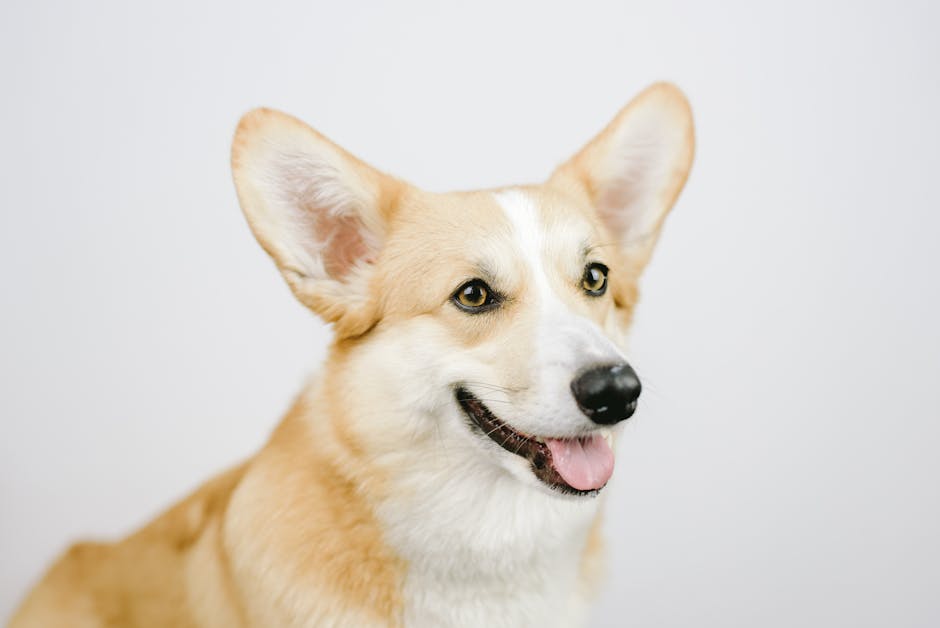

If you’ve ever worn black pants anywhere near a Corgi, you already know the answer to “how bad do corgis shed.” It’s bad. Really bad. Like finding tumbleweeds of fur behind your couch in July bad.
I’ve helped three different friends navigate life with Pembroke Welsh Corgis, and every single one of them underestimated the fur situation before bringing their pup home. One of them, Lisa, called me two weeks after adopting her Corgi, Biscuit, genuinely alarmed. She thought something was wrong with him. Nope — that’s just… Corgis.
Here’s the thing though. Shedding doesn’t have to ruin your life or your furniture. With the right tools, routine, and realistic expectations, you can absolutely manage it. You just can’t eliminate it. Let’s get into what actually works.
Yes, Corgis Shed — A Lot
There’s no sugarcoating this. On a scale of 1 to 10 for shedding, Corgis sit at a solid 8 or 9. They’re up there with Huskies, German Shepherds, and my beloved Golden Retrievers. The difference is that Corgis pack all that fur into a much smaller body, which somehow makes it more surprising when you see how much comes off them.
The Double Coat Explained
Corgis — both Pembroke and Cardigan Welsh varieties — have a double coat that was bred for a purpose. These dogs come from Wales, where the weather is cold, wet, and generally miserable for about eight months of the year. They needed protection while herding cattle in those conditions.
The double coat has two layers working together:
- Undercoat: Dense, soft, and insulating. This is the layer that keeps them warm in winter and — counterintuitively — cool in summer by trapping air against the skin. It’s also the layer responsible for about 80% of the fur on your couch.
- Guard coat (outer coat): Longer, coarser hairs that repel water and protect against dirt, UV rays, and minor scrapes. These shed too, but less dramatically.
That undercoat is the real troublemaker. It’s incredibly thick — if you push your fingers down through a Corgi’s fur near the rump, you’ll be surprised how deep it goes. All that fluff has to go somewhere, and twice a year it goes everywhere.
Seasonal Blowouts vs Year-Round Shedding
Corgis shed every single day. That’s your baseline. But twice a year — typically in spring and fall — they “blow” their coat. This is when the undercoat comes out in massive clumps over a 2-4 week period. It’s a completely different experience from regular shedding.
Daily shedding means you’ll find some fur on your clothes, some on the floor, a bit on the couch. Manageable with regular brushing.
Coat blowouts mean you could brush your Corgi for 30 minutes and pull enough fur to build a second dog. I’m barely exaggerating. Lisa once filled an entire grocery bag with Biscuit’s undercoat in a single grooming session. During blowout season, how bad do corgis shed becomes a question you ask with wide eyes and a lint roller in each hand.
What to Expect Through the Year
Spring and Fall Coat Blows
Spring blowout is usually the bigger one. Your Corgi is dropping that thick winter undercoat to prepare for warmer weather. It typically starts in March or April depending on your climate and lasts 2-4 weeks.
Fall blowout happens around September or October. The summer coat sheds out to make room for the denser winter undercoat growing in. It’s slightly less dramatic than spring, but still significant.
Here’s a rough timeline:
| Season | Shedding Level | Duration | Grooming Frequency |
|---|---|---|---|
| Spring blowout | Extreme | 2-4 weeks | Daily, 15-30 min |
| Summer | Moderate | Ongoing | 2-3x per week |
| Fall blowout | Heavy | 2-3 weeks | Daily, 15-30 min |
| Winter | Moderate-Light | Ongoing | 2x per week |
One thing to note — if your Corgi lives mostly indoors with climate control, the blowout schedule can get wonky. Some indoor Corgis shed more consistently throughout the year instead of having distinct blowout periods. The total amount of fur is about the same either way. It’s just distributed differently.
Daily Shedding Between Blowouts
Even between blowouts, you’re dealing with a steady stream of fur. Not overwhelming, but consistent. You’ll notice it most on dark clothing, upholstered furniture, and car seats.
A quick 5-10 minute brushing session every other day keeps this under control. Skip it for a week and you’ll feel the difference — on your socks, on your pants, floating through a sunbeam in your living room like tiny fur fairies.
The Essential Grooming Toolkit
The right tools make a massive difference. The wrong ones can actually damage your Corgi’s coat. I’ve seen it happen.
Best Brush Types for Corgi Coats
You need two brushes minimum:
Undercoat rake — This is your primary weapon. Look for one with rotating teeth (sometimes called a “dematting rake”). The rotating teeth glide through the undercoat without pulling or breaking the guard hairs. I’d recommend the Maxpower Planet or the Pat Your Pet brand — both are under $15 and work brilliantly.
Slicker brush — Use this after the undercoat rake to smooth things out and catch any loose surface fur. A good slicker brush with fine, flexible pins works best. The Chris Christensen Big G is the gold standard if you want to invest, but honestly a $10 slicker from your local pet store does fine for home use.
Optional but helpful: A metal greyhound comb for working through any tangles behind the ears and around the “pants” area (the fluffy fur on a Corgi’s back legs and butt — yes, that’s what groomers call it).
Deshedding Tools — What Works and What Damages Coat
This is where I get a little heated. The Furminator is not the best choice for double-coated breeds. I know it’s popular. I know it pulls out tons of fur and that feels satisfying. But that blade-style edge can cut and damage guard hairs over time, which affects your Corgi’s coat quality and natural protection.
What actually works without damage:
- Undercoat rake (already mentioned — this is the star)
- High-velocity dryer — Professional groomers swear by these, and for good reason. After a bath, a high-velocity dryer blasts the loose undercoat right out. The XPOWER B-2 or Shernbao are solid home options at $60-80. Worth every penny during blowout season.
- Grooming gloves — Not as a primary tool, but great for a quick once-over while watching TV. Your Corgi will think they’re getting petted. Win-win.
What to avoid: Furminator-style cutting blades, thinning shears (leave these to professional groomers), and any tool that promises to “stop shedding.” Nothing stops shedding. Nothing.
Bathing Frequency and Products
Corgis don’t need frequent baths. Once every 6-8 weeks is plenty during normal periods. During blowout season, a bath every 2-3 weeks helps loosen that undercoat dramatically — especially when paired with a high-velocity dryer afterward.
For shampoo, you want something that:
– Doesn’t strip the natural oils (no human shampoo, ever)
– Helps loosen the undercoat
– Won’t irritate their skin
I like TropiClean’s deshedding shampoo and the Burt’s Bees oatmeal line. Both are gentle and effective. Follow up with a conditioner or a deshedding treatment like the FURminator deshedding conditioner (ironically, their conditioner is great even though I’m not a fan of the brush).
Pro tip: Let the shampoo sit for 3-5 minutes before rinsing. This gives it time to penetrate down to the undercoat and loosen dead fur. You’ll notice way more fur coming out during the rinse and drying stages.
Step-by-Step Grooming Routine
Weekly Maintenance Brushing
This takes about 10-15 minutes and should happen 2-3 times per week. Here’s the process:
- Start with the undercoat rake. Work from the neck backward, going with the grain of the fur. Use short, gentle strokes — don’t yank.
- Pay extra attention to the “trouble zones”: behind the ears, the ruff (neck area), the chest, and those fluffy pants on the back legs. These areas mat faster.
- Switch to the slicker brush for a final pass. This catches the surface-level loose fur the rake missed.
- Run a greyhound comb through the feathering areas to check for tangles. If you find one, work it out gently with the comb — don’t just rip through it.
- Give your Corgi a treat. Seriously. Positive association makes future sessions easier.
Blowout Season Deep Grooming
During coat blows, you need to step it up. Plan for daily sessions of 15-30 minutes for 2-4 weeks. Yes, daily.
The deep grooming routine adds a few steps:
- If possible, start with a warm bath using deshedding shampoo. Let it soak 3-5 minutes.
- Rinse thoroughly — leftover shampoo can irritate skin and actually increase shedding.
- Use a high-velocity dryer to blast out loose undercoat. Do this outside if you can, because the amount of fur that comes out is genuinely shocking.
- Once the coat is dry, go through the full brushing routine: undercoat rake, then slicker brush, then comb.
- Repeat every day or every other day until the blowout subsides.
During one of Biscuit’s spring blowouts, Lisa started doing the bath-and-blow routine weekly and said it cut the total blowout period from about 4 weeks down to just over 2. The fur still comes out — you’re just removing it proactively instead of finding it on every surface.
Managing Shedding in Your Home
No matter how diligently you groom, Corgi fur will get into your house. That’s just the deal you make when you bring one home. But you can control the chaos.
Furniture and Clothing Strategies
Furniture: Washable slipcovers are your best friend. I tell every Corgi owner this. Get fitted slipcovers for your couch and armchairs, throw them in the wash weekly. So much easier than trying to vacuum upholstery constantly.
Other things that help:
– Microfiber throws on furniture (fur clings to these and they wash easily)
– Leather or faux leather furniture — fur doesn’t embed the way it does in fabric
– A ChomChom roller for quick furniture passes (works better than lint rollers on upholstery)
– Keep a lint roller by every door. Front door, back door, garage door. You’ll use them.
Clothing: Dark clothing is the enemy. If you love wearing black, get comfortable with a lint roller habit or switch to lighter colors at home. Keeping a separate “dog hoodie” for couch cuddle time saves your going-out clothes.
Air Purifiers and Vacuum Recommendations
Vacuum: Get a vacuum designed for pet hair. Not all vacuums handle it well, and a weak one will just push the fur around. The Dyson V15 is excellent if you’ve got the budget. The Bissell Pet Hair Eraser is a solid option at half the price. Either way, plan on vacuuming at least every other day during blowout season and 2-3 times a week otherwise.
A robot vacuum running daily is also a game-changer. The Roborock S series and iRobot Roomba j7 both handle pet hair well. They won’t replace a deep vacuum session, but they’ll keep the daily accumulation from getting out of hand.
Air purifiers: If anyone in your household has allergies, an air purifier with a HEPA filter is worth the investment. Corgi dander floats around with all that loose fur. A purifier in the main living area and one in the bedroom makes a noticeable difference. Levoit and Winix both make solid units in the $100-200 range.
What NOT to Do
Why You Should Never Shave a Corgi
I cannot stress this enough. Never shave a double-coated breed. I see this recommendation online constantly and it makes me want to scream.
Here’s why it’s a terrible idea:
- The undercoat grows back faster than the guard coat. After shaving, you’ll get a patchy, rough texture instead of the smooth coat you started with. Sometimes the guard coat never fully recovers.
- It removes their temperature regulation. That double coat doesn’t just keep them warm — it insulates against heat too. A shaved Corgi is actually MORE vulnerable to overheating, not less.
- Sunburn. Without that protective outer coat, your Corgi’s skin is exposed to UV damage. Pink-skinned dogs can and do get sunburned.
- It doesn’t reduce shedding. The fur still grows and sheds. It’s just shorter fur everywhere instead of longer fur. Same amount. Same mess.
The only exception is medical — if a vet needs to shave an area for surgery or to treat a skin condition. Otherwise, put the clippers down.
Supplements That Don’t Actually Help
The supplement market for pet shedding is full of products making big promises. Let me save you some money.
What actually helps: Omega-3 fatty acids from fish oil. This is backed by real evidence. A good fish oil supplement can reduce shedding by roughly 15-20% and improve coat quality noticeably. Look for one with high EPA and DHA content — Grizzly Salmon Oil and Nordic Naturals are both solid options. You’ll usually see results within 4-6 weeks.
What doesn’t help much:
– Biotin supplements — unless your dog has a diagnosed deficiency, extra biotin won’t reduce shedding
– Coconut oil — fine for skin if applied topically, but eating it won’t meaningfully impact shedding
– Generic “coat health” supplements with vague ingredient lists and flashy marketing
– Apple cider vinegar rinses — these are basically folk remedies with no real evidence behind them
If you’re going to spend money on one thing for corgi shedding management, make it a quality fish oil supplement and a good undercoat rake. Everything else is secondary.
When Excessive Shedding Signals a Health Problem
Normal Corgi shedding is heavy but consistent with the patterns I’ve described — daily moderate shedding with two big seasonal blowouts. But sometimes shedding goes beyond normal, and that’s when you should pay attention.
Signs something might be wrong:
- Bald patches or thinning areas (normal shedding is even across the body)
- Excessive scratching, licking, or chewing along with the shedding
- Skin that looks red, flaky, or irritated underneath the fur
- Sudden dramatic increase in shedding outside of normal blowout timing
- Dull, brittle coat that’s lost its normal sheen
Common health causes of excessive shedding in Corgis:
Hypothyroidism — This is actually fairly common in the breed. The thyroid doesn’t produce enough hormones, leading to hair loss, weight gain, and lethargy. A simple blood test can diagnose it, and it’s manageable with daily medication.
Allergies — Food allergies or environmental allergies can trigger excessive shedding and skin irritation. If your Corgi is shedding abnormally and also itching a lot, allergies are a prime suspect.
Stress — Yes, dogs stress-shed. New home, new family member, changes in routine — all of these can temporarily increase shedding. It usually resolves once your Corgi adjusts.
Nutritional deficiency — A low-quality diet lacking in essential fatty acids and protein will show up in the coat. If you’re feeding a bargain brand kibble and noticing excessive shedding, upgrading the food might be the simplest fix.
If you’re noticing any of these warning signs, don’t try to Google your way through it. Book a vet appointment. Coat problems are often the visible symptom of something treatable underneath.
Frequently Asked Questions
How bad do corgis shed compared to other breeds?
Corgis are among the heaviest shedding breeds relative to their size. They’re comparable to German Shepherds, Huskies, and Golden Retrievers in terms of total fur output. The American Kennel Club rates them as “frequent shedders.” On a practical level, expect to find fur on everything you own, every day, all year long — with two particularly intense periods in spring and fall.
Can I reduce my Corgi’s shedding with diet changes?
Diet can help, but it won’t eliminate shedding. A high-quality food with good protein content (look for named meat as the first ingredient) provides the building blocks for a healthy coat. Adding an omega-3 fish oil supplement is the single most effective dietary change — studies and veterinary experience suggest it can reduce shedding by around 15-20% and noticeably improve coat texture.
How often should I brush my Corgi?
During normal periods, 2-3 times per week for about 10-15 minutes per session. During spring and fall blowouts, bump that up to daily sessions of 15-30 minutes. Consistency matters more than marathon sessions — regular shorter brushings are more effective (and more pleasant for your dog) than occasional hour-long battles.
Is it normal for Corgi puppies to shed this much?
Corgi puppies have a softer single coat that they’ll shed when they transition to their adult double coat, usually between 4-8 months old. This puppy coat blow can be surprisingly heavy and catches a lot of new owners off guard. Once the adult coat grows in, you’ll settle into the normal shedding pattern. So yes — if your Corgi puppy is suddenly shedding like crazy around 6 months old, that’s completely normal.
Do Pembroke and Cardigan Corgis shed differently?
Both breeds have double coats and shed heavily. Cardigans tend to have a slightly longer, thicker coat than Pembrokes, which can mean marginally more fur. But honestly, the difference is negligible in practical terms. Both will redecorate your home in fur twice a year. The grooming approach and tools are identical for both varieties.
Living with a Corgi means accepting fur as a permanent fixture in your life. But with the right tools — an undercoat rake, a decent vacuum, and a fish oil supplement — corgi double coat care becomes routine rather than overwhelming. Groom consistently, never shave that beautiful coat, and keep an eye out for any changes that seem abnormal. The fur is the price of admission for one of the most charming, funny, and loyal breeds out there. And honestly? Totally worth it.
Featured Image Source: Pexels