


Small dogs are sneaky expensive. I know that sounds weird — they eat less, they take up less space, they don’t need a yard the size of a football field. But after helping three different friends budget for their small breed puppies over the past few years, I can tell you the costs add up in ways nobody warns you about.
The truth is, owning a small dog costs between $1,500 and $3,000 per year depending on the breed, where you live, and how spoiled your pup gets (no judgment — mine are ridiculously spoiled). And since small breeds typically live 12 to 16 years, you’re looking at a lifetime cost of $20,000 to $45,000. That’s a real number that deserves a real conversation.
Let me break it all down so you know exactly what you’re signing up for.
Initial Costs of Getting a Small Dog
The first year is always the most expensive. Between actually getting the dog and buying everything they need, you’ll spend more upfront than in any single year after. Here’s what to expect.
Adoption vs Breeder Fees
This is your biggest variable right out of the gate.
Adoption from a shelter or rescue typically runs $50 to $350. Most shelters include spaying/neutering, initial vaccinations, and microchipping in that fee. Honestly, it’s an incredible deal. My friend adopted a Chihuahua mix for $150 and he came fully vetted and neutered. Done.
Buying from a breeder is a completely different story. Prices vary wildly by breed:
- Chihuahua: $500 – $1,500
- Shih Tzu: $700 – $2,000
- Dachshund: $800 – $2,500
- Pomeranian: $1,000 – $3,000
- French Bulldog: $2,500 – $6,000+
French Bulldogs are in their own category. The breeding costs are genuinely higher because most Frenchies require artificial insemination and C-sections. But some of those prices are pure hype tax. Be cautious.
And please — avoid pet stores and online sellers advertising “discount puppies.” You’ll pay less upfront and a fortune in vet bills later. Every single time.
First-Year Supplies and Setup
Before your new dog even walks through the door, you need stuff. A lot of stuff.
| Item | Estimated Cost |
|---|---|
| Crate (appropriately sized) | $30 – $70 |
| Bed | $20 – $60 |
| Food and water bowls | $10 – $25 |
| Collar, leash, harness | $25 – $50 |
| Toys (starter set) | $20 – $40 |
| Puppy pads (if needed) | $15 – $30 |
| Initial food supply | $20 – $40 |
| Microchipping (if not included) | $40 – $60 |
| Spay/neuter (if not included) | $150 – $400 |
| First vet visit + vaccines | $100 – $300 |
Total first-year setup: roughly $430 to $1,075 — and that’s being conservative. You’ll probably also impulse-buy three sweaters and a Halloween costume. I speak from experience.
Annual Recurring Expenses Breakdown
Once you’re past the first-year setup costs, things settle into a more predictable pattern. But “more predictable” doesn’t mean cheap.
Food and Treats
Here’s where small dogs actually save you money compared to large breeds. A 10-pound dog eats roughly a cup of food per day versus three or four cups for a big dog.
Budget kibble: $200 – $350 per year
Mid-range quality food: $350 – $500 per year
Premium or fresh food delivery: $500 – $1,200 per year
I always recommend spending more on food, not less. Cheap kibble is full of fillers that lead to health problems down the road. A good quality food — something with real meat as the first ingredient, no corn or wheat filler — runs about $40 to $60 per month for a small breed. That’s very manageable.
Treats add another $50 to $150 annually depending on how much you use them for training. And you will use them. Small dogs can be stubborn little creatures.
Veterinary Care and Vaccinations
Annual vet costs for a healthy small dog typically break down like this:
- Annual wellness exam: $50 – $100
- Core vaccinations (annual boosters): $80 – $150
- Flea/tick/heartworm prevention: $150 – $300 per year
- Fecal test and bloodwork: $80 – $200
Total routine vet care: $360 to $750 per year.
That’s for a healthy dog with no issues. The moment something goes wrong — and eventually something will — those numbers jump fast. More on that in the hidden costs section.
One thing I’ll flag: don’t skip the heartworm prevention. I’ve seen owners try to save $25 a month by dropping it. Treating heartworm disease costs $1,000 to $3,000 and can kill your dog. Not worth the gamble.
Grooming Costs by Breed
This is where breed choice really matters financially. Some small dogs barely need grooming. Others need it every 4 to 6 weeks or their coat becomes a matted disaster.
| Breed | Grooming Frequency | Annual Grooming Cost |
|---|---|---|
| Chihuahua (smooth coat) | Minimal — bathing at home | $0 – $100 |
| Dachshund (smooth) | Minimal | $0 – $100 |
| French Bulldog | Minimal — occasional bath | $0 – $150 |
| Shih Tzu | Every 4-6 weeks | $400 – $800 |
| Pomeranian | Every 6-8 weeks | $300 – $600 |
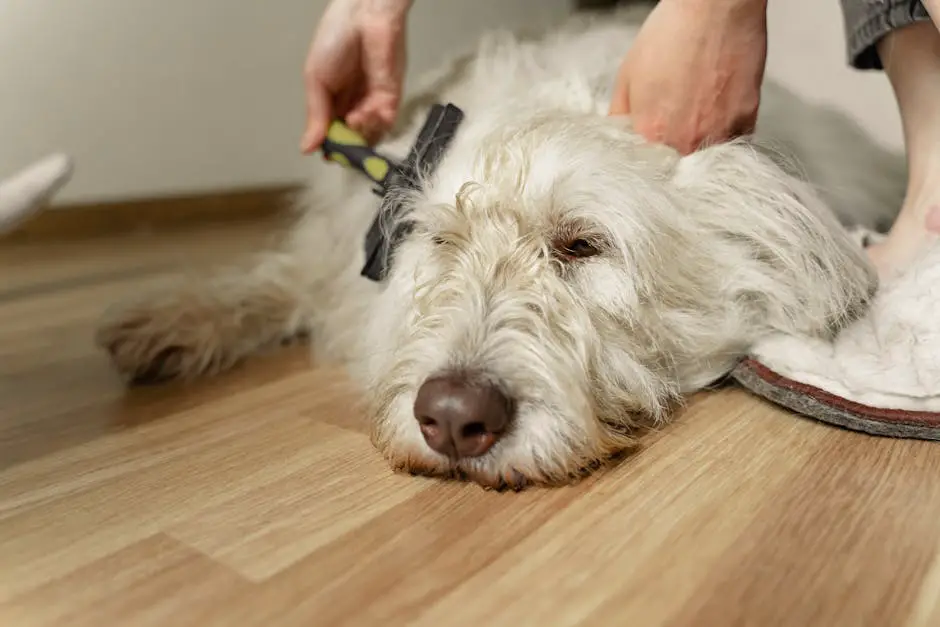
My friend with a Shih Tzu spends about $65 every five weeks at the groomer. She tried doing it herself once. Once. The dog looked like he’d been attacked by a lawnmower and she booked the next appointment before the clippers were even cold.
If you want a low-maintenance budget, go smooth-coated. If you love the fluffy look, budget for professional grooming — or invest serious time learning to do it properly yourself.
Pet Insurance Premiums for Small Breeds
Pet insurance is one of those things people argue about endlessly. Here’s my take: it’s worth it for most small breed owners, especially for breeds prone to specific health issues.
Monthly premiums for small dogs typically run $25 to $50 for an accident-and-illness plan with a $500 deductible and 80% reimbursement. That’s $300 to $600 per year.
Breed matters here too. French Bulldogs are significantly more expensive to insure — often $50 to $80 monthly — because insurers know about their breathing issues, spinal problems, and skin allergies. Chihuahuas and Dachshunds fall in the middle. Mixed breeds are usually cheapest.
Get insurance when your dog is young and healthy. Pre-existing conditions aren’t covered, and waiting until something goes wrong means you’re paying out of pocket for exactly the thing you needed coverage for.
Hidden Costs Most Owners Don’t Expect
This is the section I wish someone had given me before I ever got a dog. These are the expenses that don’t show up in any “cost of owning a dog” infographic.
Dental Care for Small Breeds
This is the big one. Dental disease affects roughly 80% of small breed dogs by age three. Eighty percent. Their tiny mouths crowd teeth together, trap food, and create the perfect environment for plaque, tartar, and eventually tooth decay.
A professional dental cleaning under anesthesia costs $300 to $800 for a small dog. If extractions are needed — and they often are — you’re looking at $500 to $2,000+ depending on how many teeth come out.
My friend’s Dachshund needed seven teeth extracted at age five. The bill was $1,400. She had no idea dental problems were so common in small breeds. Nobody told her.
Budget $300 to $500 per year for dental care once your small dog hits age three or four. Brush their teeth daily (yes, daily), use dental chews, and don’t skip the annual dental exam. Prevention costs a fraction of treatment.
Emergency Vet Visits
Emergencies happen. Small dogs are particularly vulnerable to certain ones — they can break legs jumping off furniture, they’re more susceptible to poisoning from smaller amounts of toxins, and toy breeds can develop hypoglycemia.
An emergency vet visit starts at $150 to $300 just to walk through the door. Add diagnostics, treatment, and overnight stays and you’re easily at $1,000 to $5,000 for a serious emergency.
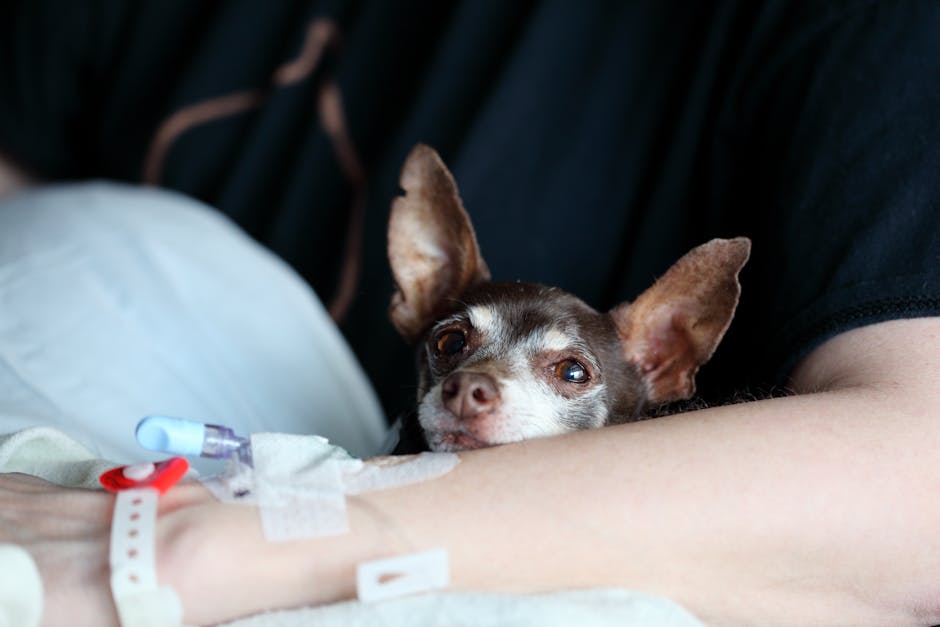
I recommend keeping an emergency fund of at least $1,000 to $2,000 specifically for your dog. Or carry pet insurance. Or both. But have a plan, because panicking about money while your dog is sick is one of the worst feelings in the world.
Dog Walking and Pet Sitting
If you work away from home, this one hits hard.
- Dog walker (30-minute visit): $15 – $25 per walk
- Doggy daycare: $25 – $50 per day
- Pet sitter (overnight): $40 – $75 per night
- Boarding facility: $30 – $60 per night
Five days a week of midday dog walks runs $375 to $625 per month. That’s $4,500 to $7,500 per year. It’s often the single biggest cost of dog ownership and people completely forget about it when budgeting.
Even if you work from home most days, you’ll need pet sitting for vacations. Two weeks of boarding per year adds $420 to $840. It stacks up.
Cost Comparison: 5 Popular Small Breeds
Let’s put real numbers side by side. These are estimated annual costs after the first year for a healthy adult dog, assuming moderate spending habits:
| Expense | Chihuahua | Shih Tzu | Dachshund | Pomeranian | French Bulldog |
|---|---|---|---|---|---|
| Food | $300 | $350 | $350 | $350 | $400 |
| Routine vet care | $400 | $450 | $450 | $450 | $600 |
| Grooming | $50 | $600 | $50 | $450 | $100 |
| Dental care | $350 | $400 | $350 | $350 | $300 |
| Insurance | $350 | $350 | $400 | $350 | $650 |
| Supplies/toys | $100 | $100 | $100 | $100 | $100 |
| Estimated Annual Total | $1,550 | $2,250 | $1,700 | $2,050 | $2,150 |
A few things jump out. Chihuahuas are genuinely the cheapest small breed to own on an annual basis — low grooming, relatively healthy, tiny food bills. Shih Tzus look affordable until you factor in those relentless grooming appointments. And French Bulldogs carry higher vet and insurance costs that offset their low grooming needs.
But here’s the kicker: French Bulldogs have the highest risk of expensive health emergencies. Brachycephalic airway syndrome, spinal issues, allergies — a single surgery can run $3,000 to $6,000. That annual cost estimate doesn’t include the emergency you’re statistically likely to face.
Dachshunds have their own expensive wildcard: intervertebral disc disease (IVDD). Back surgery costs $3,000 to $8,000. Not every Dachshund needs it, but about 25% will experience some degree of disc problems.
The cost of owning a small dog varies more by breed than most people realize. Choose with your eyes open.
Money-Saving Tips for Small Dog Owners
You don’t have to go broke keeping your small dog healthy and happy. Here’s what actually works:
Buy food in bulk, not bags. Subscribe-and-save programs from Chewy or Amazon typically knock 10-15% off. For a small dog’s food bill, that’s $40 to $75 saved per year. Not life-changing, but it adds up.
Learn basic grooming at home. Even if you still take your Shih Tzu to the groomer, handling baths, nail trims, and face trims between appointments can stretch your grooming schedule from every 4 weeks to every 6-8 weeks. That’s cutting your grooming bill nearly in half.
Brush their teeth. I can’t say this enough. A $5 dog toothbrush and $8 tube of enzymatic toothpaste used daily can prevent hundreds or thousands in dental bills. It takes two minutes. Just do it.
Use preventive care plans. Many vet clinics offer wellness plans that bundle annual exams, vaccinations, and dental cleanings into monthly payments of $30 to $50. The math usually works out slightly in your favor, and it makes budgeting way easier.
Don’t overspend on toys. Small dogs don’t need $25 designer toys. A tennis ball, a rope toy, and one good chew toy will keep most small dogs perfectly content. Rotate them to keep things interesting.
Consider a mixed breed. Mixed breed small dogs from shelters are typically healthier than purebreds, cheaper to insure, and have fewer breed-specific health issues. Plus the adoption fee saves you hundreds or thousands over a breeder. It’s genuinely the best financial decision for most families.
Skip the puppy phase if budget is tight. Adopting an adult dog (2+ years) skips the expensive first year of vaccines, spay/neuter, and puppy supplies. Adult dogs are often already trained, which saves on training classes too. And honestly? Adult dogs need homes more than puppies do.
Frequently Asked Questions
What is the cheapest small dog breed to own?
Chihuahuas are consistently the least expensive small breed for annual costs. They need minimal grooming, eat very little, and are generally healthy dogs with fewer breed-specific conditions than many other small breeds. Annual expenses typically run $1,400 to $1,800 for a healthy Chihuahua. Adoption costs are low too, since Chihuahuas are one of the most common breeds in shelters.
How much does it cost to own a small dog per month?
Plan for $125 to $250 per month as a baseline for small dog expenses including food, insurance, and setting aside money for vet care. This doesn’t include dog walking, daycare, or boarding costs, which can easily double the monthly total if you need regular care while at work.
Is pet insurance worth it for small dogs?
For most small breed owners, yes. Small dogs are prone to dental disease, luxating patellas, and breed-specific conditions that can cost thousands to treat. A policy running $30 to $50 per month can save you from a surprise $3,000 to $5,000 bill. The exception: if you have a robust emergency fund of $5,000+ set aside specifically for vet costs, you might self-insure instead.
What hidden costs should I budget for with a small dog?
The three biggest hidden costs are dental care ($300-$800 per cleaning, needed annually for most small breeds), emergency vet visits ($1,000-$5,000 per incident), and pet care while traveling ($30-$75 per night for boarding or sitting). Most budget calculators miss these entirely, which is why owners are caught off guard.
Are small dogs really cheaper than large dogs?
On food and basic supplies, absolutely — a small dog eats a fraction of what a large breed consumes. But small dogs tend to have higher dental costs, more frequent grooming needs (for long-coated breeds), and longer lifespans that stretch total lifetime costs. A small dog living 14 years may cost as much overall as a large breed living 10 years. The annual cost of owning a small dog is lower, but the total lifetime investment is surprisingly similar.
The cost of owning a small dog is real money — there’s no way around that. But knowing what to expect takes the stress out of it. Budget for the predictable stuff, build an emergency fund for the surprises, and invest in preventive care that saves you money long-term. Your small dog will give you 12 to 16 years of companionship, entertainment, and unconditional love. That’s a pretty solid return on investment if you ask me.
Featured Image Source: Pexels