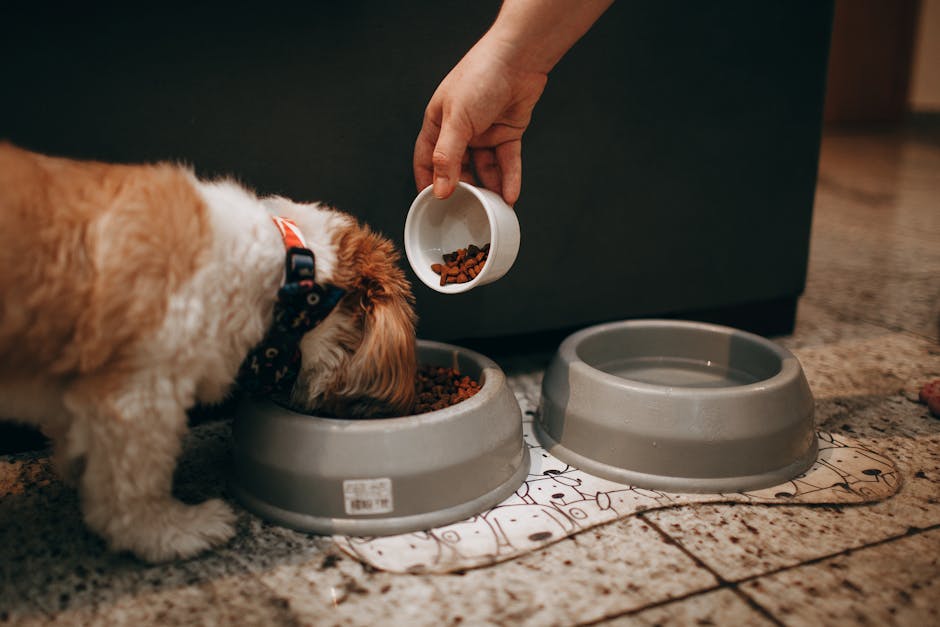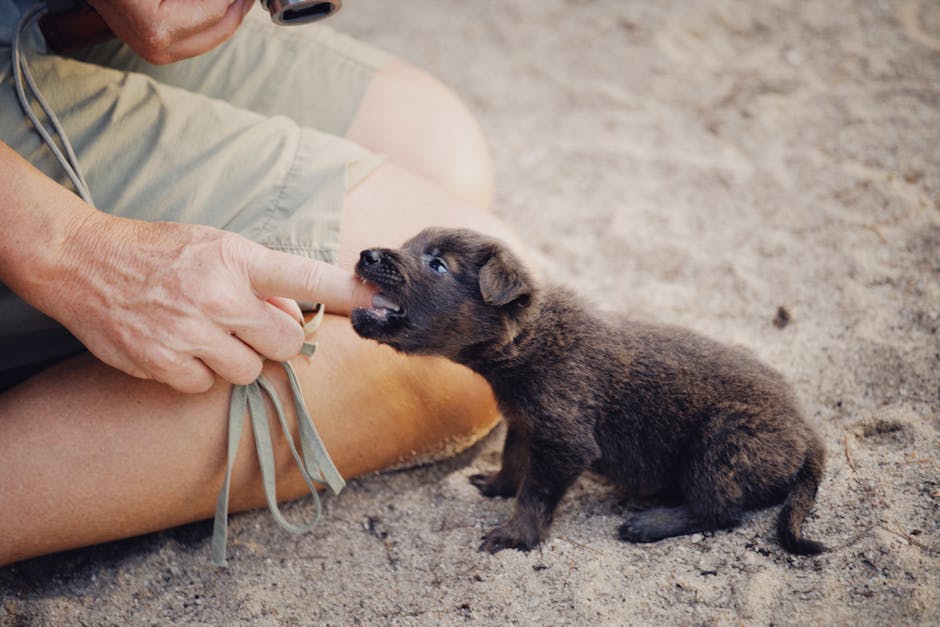



You brought home a rescue dog. Maybe from a shelter, maybe from a foster home, maybe from a situation you’d rather not think about too hard. And now everyone’s telling you to crate train.
Here’s what most of those well-meaning advice-givers don’t mention: crate training an older rescue dog is nothing like crate training an eight-week-old puppy who’s never seen a crate before. Not even close. The timeline is different, the emotional baggage is different, and the stakes — if you push too hard, too fast — are genuinely higher.
I’ve fostered eleven rescue dogs over the years, and I’ve learned this the hard way. My second foster, a four-year-old Shepherd mix named Duke, came from a hoarding situation where he’d been kenneled roughly 20 hours a day. The first time I pointed him toward a crate, he urinated, scrambled backward so hard he tore a toenail, and hid behind the toilet for three hours. That was the day I threw out everything I thought I knew about crate training and started over from scratch.
Why Crate Training an Older Rescue Is Different From Puppies
Puppies are blank slates. They might whine the first night or two, but they don’t walk into your house carrying years of learned fear. An adult rescue dog? They’ve got a whole history you weren’t part of. And that history shapes every single reaction they have to confinement.
With a puppy, you’re building an association from zero. With a rescue, you’re often trying to overwrite an existing one — and that’s a fundamentally harder job. It’s the difference between teaching someone to swim and convincing someone who nearly drowned to get back in the water.
The other big difference is physical. Puppies need crates partly because they can’t hold their bladders and they’ll chew your baseboards to splinters. An adult dog who’s already housetrained and past the destructive chewing phase? The urgency just isn’t the same. That changes the calculation on whether crate training is even necessary, which is something we’ll get to later.
Unknown History — Previous Crate Trauma or Confinement
The ASPCA estimates that many shelter dogs have spent extended periods — sometimes 22 or more hours per day — confined in kennels or crates before rescue. That’s not crate training. That’s imprisonment. And even if your dog didn’t come from a neglect situation, you simply don’t know what happened in their previous life.
Maybe they were crated as punishment. Maybe the crate was too small. Maybe they were left in one during a house fire or a thunderstorm with nobody home. I had one foster who was fine with wire crates but completely panicked around plastic airline-style ones. We never found out why, but it was clearly specific to that crate type.
This unknown history is exactly why the standard “toss some treats in and close the door” advice falls flat with rescues. You might accidentally trigger something you didn’t know was there.
Signs Your Rescue Has Negative Crate Associations
Some dogs make it obvious. Others are more subtle. Watch for:
- Immediate avoidance — won’t go near it, gives it a wide berth, leaves the room when you set it up
- Stress signals near the crate — lip licking, whale eye, yawning, low tail, ears pinned back
- Freezing — they go still and stiff rather than relaxed and curious
- Escape behavior — pawing at the door, biting the bars, spinning, digging at the tray
- Drooling or panting that isn’t heat-related
- Regression in housetraining — urinating or defecating inside or near the crate
One thing I want to flag: a dog who walks into a crate willingly isn’t necessarily comfortable. Some dogs learned in shelters that resisting gets them nowhere. They comply, but they’re shut down — not relaxed. Look at their body language, not just their behavior. A truly comfortable dog has soft eyes, a loose body, and might even sigh when they settle in. A dog who’s just tolerating it looks stiff, keeps their head up, and watches you constantly.
The Two-Week Decompression Rule Before Starting
Before you even think about crate training an older rescue dog, you need to let them decompress. Period.
The rescue community talks about the “3-3-3 rule” — 3 days to decompress, 3 weeks to learn your routine, 3 months to feel truly at home. But honestly, for crate training specifically, I think the first two weeks should be completely crate-free unless your dog gravitates toward one on their own.
Why? Because your rescue dog doesn’t trust you yet. They don’t know that your house is permanent. They don’t know you’re coming back when you leave. Introducing confinement during this already-stressful transition period is like asking someone to do trust falls on their first day at a new job. The relationship isn’t there yet.
What to Do During Decompression (And What Not to Do)
Do:
– Keep things calm and predictable — same feeding times, same walk schedule
– Let the dog approach you rather than constantly reaching for them
– Use baby gates or exercise pens if you need to contain them
– Start building positive associations with your presence (you = good things happen)
– Note what triggers stress responses so you know what to watch for later
Don’t:
– Set up a crate “just to see what happens”
– Invite a bunch of people over to meet the new dog
– Take them to the dog park, pet store, or other overstimulating environments
– Start formal training of any kind — just let them exist
– Leave them alone for extended periods (if you can avoid it)
I know this feels like wasted time when you’re eager to get your dog settled into a routine. But those two weeks of patience pay off enormously. By the time you introduce the crate, your dog knows your scent, knows your schedule, and has at least a baseline level of trust. That foundation makes everything that follows go faster.
Slow Desensitization Protocol for Fearful Dogs
Alright. Your dog has been home at least two weeks. They’re eating regularly, they’ve started to relax a bit, and you’re ready to introduce the crate. Here’s the thing — this process should take a minimum of four weeks for a rescue dog with anxiety. Not four days. Four weeks. If your dog is especially fearful, double that timeline and don’t feel bad about it.
Week 1: Crate Exists, Door Stays Open, No Pressure
Set the crate up in whatever room your dog spends the most time in. Take the door completely off its hinges. I mean physically remove it. A door that can swing shut accidentally will set you back weeks.
Put a comfortable bed or blanket inside. And then… do nothing. Don’t point at it. Don’t lure your dog toward it. Don’t even acknowledge it. You’re just letting it become furniture.
If your dog sniffs it? Great. Ignore that too. If they walk past it without a second glance, also fine. If they give it a wide berth, make a mental note but don’t react.
Scatter a few treats around the outside of the crate — not inside, not yet. Just near it. The message is: “Good things happen in this general area.” By the end of the week, you can toss a treat just inside the opening. If the dog grabs it and retreats, perfect. That’s progress.
Week 2: Feeding Near and Then Inside the Crate
Start placing your dog’s food bowl near the crate. Not inside it — just within a few feet. Over the course of the week, gradually move the bowl closer to the crate opening, then just inside the lip, then halfway in.
The critical rule here: your dog sets the pace. If they won’t eat with the bowl at a certain distance, move it back to where they were comfortable and stay there for another couple of days. Going backward isn’t failure. Pushing forward too fast is.
By the end of week two, many dogs will be comfortable eating with their front half inside the crate and their back half sticking out. Some won’t be there yet. Both are okay.
I like to add a Kong stuffed with peanut butter during this phase too. Something that takes a while to work through. The longer the dog voluntarily spends near or in the crate while doing something enjoyable, the stronger the positive association gets.
Week 3: Short Door Closures With You Present
If — and only if — your dog is voluntarily going into the crate for food or treats, you can reattach the door. Leave it propped open for the first day or two. Then, while your dog is eating inside the crate, gently push the door closed without latching it.
Stay right there. Sit on the floor next to the crate. Be boring. When the dog finishes eating, open the door immediately. No fanfare, no big deal.
Gradually extend the time the door stays closed after meals:
| Day | Door Closed Duration | Your Location |
|---|---|---|
| 1-2 | Door on but propped open | Next to crate |
| 3-4 | Closed, unlatched, during meal only | Next to crate |
| 5-6 | Closed and latched for 1-2 minutes after meal | Next to crate |
| 7 | Latched for 5 minutes after meal | In same room |
If your dog whines or paws at the door, you’ve gone too fast. Don’t open the door while they’re actively fussing (that rewards the fussing), but do shorten the duration next time. Wait for a brief pause in the whining, then calmly open up.
Week 4+: Gradual Absences
Now you’re building duration and distance. Start leaving the room for 30 seconds while your dog is crated with a treat. Come back before they get anxious. Gradually build to a few minutes, then ten, then twenty.
A few things that help enormously during this phase:
- Leave a worn t-shirt in the crate so they have your scent
- Play calm music or white noise — there’s actual research showing Through a Dog’s Ear music reduces shelter dog cortisol levels
- Don’t make departures dramatic — no long goodbyes, no guilt-soaked “Mommy will be right back” speeches
- Don’t make returns dramatic either — walk in, wait 30 seconds, then calmly let them out
Some dogs sail through this phase in a week. For others, it takes a month or more of incremental increases. My foster Duke — the one who panicked initially — took about six weeks from door-off to comfortably napping with the door closed while I ran errands. And he was never going to be an eight-hours-in-a-crate dog. But two to three hours? Totally fine.
Crate Alternatives When Traditional Crating Isn’t Working
Let me say something that might be controversial in dog training circles: not every rescue dog needs to be crate trained. If your dog is housetrained, not destructive, and doesn’t need to be confined for safety reasons, a crate might be solving a problem that doesn’t exist.
Exercise Pens and Puppy-Proofed Rooms
An exercise pen (ex-pen) gives your dog a confined space without the “trapped in a box” feeling that triggers some rescues. They can see out on all sides, they’ve got room to move around, and the enclosure doesn’t have the same confinement associations as a crate.
For dogs who need more space than an ex-pen provides, a puppy-proofed room works beautifully. Pick a small room — a laundry room, a bathroom, a spare bedroom. Remove anything dangerous or chewable, put down a comfy bed, leave water and a puzzle toy, and use a baby gate instead of closing the door.
I’ve used the laundry room setup with three different fosters who couldn’t handle crates, and it worked perfectly for all of them. One eventually graduated to a crate on her own — she started napping in one I’d left open. The other two never did, and that was fine. They were safe, contained when needed, and not stressed.
Covered Crates vs Wire Crates for Anxious Dogs
If you’re committed to crate training, the type of crate matters more than most people realize.
| Feature | Wire Crate | Plastic (Airline) Crate | Covered Wire Crate |
|---|---|---|---|
| Visibility | Full 360° view | Limited (vents only) | Adjustable with cover |
| Den-like feel | Low | High | High with cover |
| Airflow | Excellent | Moderate | Good if cover is breathable |
| Best for | Dogs who want to see you | Dogs who feel safer enclosed | Anxious dogs who startle at movement |
Most anxious rescues do better with some form of visual barrier. A wire crate with a blanket draped over three sides gives that den-like feeling while still letting the dog see out the front. But — and this matters — some dogs panic more when covered because it reminds them of being shut in. Let your dog’s reaction guide you.
One more option worth mentioning: soft-sided crates. They’re lightweight and feel less “cage-like,” but they’re only suitable for dogs who aren’t going to claw or chew their way out. For a dog who’s still in the early stages of crate training and might panic, a soft crate can become a safety hazard.
Red Flags — When Crate Training Shouldn’t Be Forced
This is the section I wish more dog training articles included. Because sometimes the kindest, most responsible thing you can do is stop.
Signs of Isolation Distress vs Separation Anxiety
These two conditions look similar but they’re fundamentally different, and the distinction matters for whether crate training is appropriate.
Isolation distress means the dog panics when left completely alone. They might be fine in a crate if you’re in the room, or fine loose in the house if another dog or person is present. The trigger is being isolated, not being confined.
Separation anxiety — true separation anxiety, as described by veterinary behaviorist Patricia McConnell — is an attachment to a specific person. The dog doesn’t just need someone there. They need you there. Another person or pet may not help at all.
Signs that suggest you’re dealing with something beyond normal adjustment:
- Escape attempts that result in broken teeth, bloody paws, or bent crate bars
- Self-harm — the dog injures themselves trying to get out
- Panic that doesn’t diminish over time even with gradual desensitization
- Drooling, panting, and pacing that starts the moment you pick up your keys
- Distress that occurs whether or not the dog is crated (it’s about you leaving, not about the crate)
- Refusal to eat treats, Kongs, or meals when you’re gone — even high-value stuff they love
A dog with mild isolation distress can often work through it with patience and the desensitization protocol above. But a dog with severe separation anxiety? That’s a clinical issue, not a training issue. And forcing crate training on a dog with separation anxiety can make the anxiety significantly worse.
When to Consult a Veterinary Behaviorist
Call in a professional — specifically a board-certified veterinary behaviorist (DACVB), not just a regular trainer — if you see any of the following:
- Your dog has injured themselves in the crate
- Desensitization isn’t making progress after 6-8 weeks of consistent effort
- The anxiety is getting worse, not better
- Your dog shows panic responses (not just whining — full-blown panic) when crated
- You suspect true separation anxiety rather than isolation distress
Veterinary behaviorists can prescribe medication that helps take the edge off anxiety while you work on behavior modification. And yes, medication is okay. I resisted it with one of my fosters for way too long because I thought I should be able to “train through it.” The vet behaviorist put her on a low dose of fluoxetine, and within three weeks, she was calm enough to actually learn. I still feel guilty about the months I made her white-knuckle through it unnecessarily.
The directory at dacvb.org lists all board-certified veterinary behaviorists by location. There aren’t many — roughly 120 in the entire US — but many now offer telehealth consultations.
Frequently Asked Questions
How long does it take to crate train an adopted dog with anxiety?
For most rescue dogs, expect four to eight weeks of consistent, gradual work. Dogs with severe anxiety or past crate trauma may need three months or more. Some dogs — particularly those with true separation anxiety — may never be comfortable in a crate, and that’s a legitimate outcome, not a training failure. The timeline depends entirely on your individual dog’s history and temperament.
What if my adult dog won’t go in the crate at all?
Don’t force it. Go back to the very beginning of the desensitization protocol — crate with no door, treats scattered around (not inside) the crate, zero pressure. If the dog still won’t approach after a week, try a different crate type or location. Some dogs who refuse a crate in the living room will investigate one tucked into a quiet corner of the bedroom. If nothing works after several weeks, seriously consider whether an exercise pen or dog-proofed room might be the better solution.
Is it cruel to crate a rescue dog who’s afraid of crates?
It depends on how you do it. Gradually desensitizing a fearful dog to a crate using positive associations — done at the dog’s pace — isn’t cruel. Shoving a terrified dog into a crate and closing the door because you need to leave for work? That’s cruel, and it’s going to make the fear worse. The method matters as much as the goal.
Should I crate my rescue dog at night or during the day first?
Start with daytime. Nighttime crating adds the extra stressor of you being asleep and unresponsive. Begin with short daytime sessions where you’re present and can monitor your dog’s comfort level. Once they’re reliably calm in the crate during the day for an hour or more, you can try overnight — but keep the crate in your bedroom at first so the dog can hear and smell you.
Can an older dog learn to love their crate?
Many can. Not all will. I’d say about seven out of ten rescue dogs I’ve worked with eventually became neutral-to-positive about their crates. The other three were happier with alternative confinement options, and their quality of life was better for it. The goal isn’t a dog who loves the crate — it’s a dog who feels safe and relaxed. If they can achieve that feeling outside a crate, that counts as a win.
Crate training a rescue dog takes patience that can feel unreasonable sometimes. You’ll have setbacks. You’ll have mornings where you’re late for work because your dog decided today is the day they hate the crate again. But if you go slow, pay attention to what your dog is telling you, and stay flexible about the end goal — most rescue dogs can find some version of comfort with confinement. And the ones who can’t? They deserve a Plan B that works for them, not a forced march through a training protocol that’s making everyone miserable.
Featured Image Source: Pexels