

Let me be honest with you — I used to think tossing my Golden Retriever a dental chew every day was enough to keep her teeth clean. Then our vet showed me the tartar buildup along her gum line and I felt like a terrible dog parent. That was about eight years ago, and I’ve learned a lot since then about what actually works and what’s just marketing fluff.
The dental chew aisle at any pet store is overwhelming. Every package promises fresh breath and clean teeth, but most of them are basically expensive treats with minimal dental benefit. After years of trial and error — plus way too many hours reading veterinary dental research — I’ve narrowed it down to eight types of dental chews that actually do something for your dog’s teeth.
Here’s the thing most people don’t realize: the best dental chews for dogs aren’t a replacement for brushing. They’re a supplement. But the right ones can make a real difference, especially if your dog is one of those who turns into a crocodile the moment a toothbrush appears.
How Dental Chews Work to Clean Teeth
Mechanical Abrasion vs Enzymatic Action
Dental chews clean teeth in two basic ways. The first is mechanical — the physical scraping action as your dog gnaws and chews. Think of it like a rough cloth wiping down a surface. The texture of the chew rubs against the tooth, breaking up soft plaque before it hardens into tartar. This is why shape and texture matter so much more than flavor.
The second method is enzymatic or chemical action. Some chews contain ingredients like chlorhexidine, zinc, or specific enzymes that inhibit bacterial growth in the mouth. These work even after the chew is gone, continuing to fight plaque-forming bacteria for hours. The most effective dental chews combine both approaches.
Neither method is magic. Studies show dental chews alone reduce plaque by roughly 15-20%. Compare that to proper tooth brushing, which knocks out 40-70% of plaque. But 15-20% reduction is still meaningful — especially compounded daily over months and years.
What the VOHC Seal of Acceptance Means
The Veterinary Oral Health Council is the closest thing we have to an independent authority on pet dental products. They review clinical data and award their Seal of Acceptance to products that meet specific standards for reducing plaque or tartar. You can check the full list at vohc.org.
If a product has the VOHC seal, it means actual trials demonstrated it works. Not marketing claims. Not “veterinarian recommended” (which can mean one vet somewhere said it was fine). Real data from real studies.
That said, plenty of effective dental options don’t have VOHC approval — sometimes because manufacturers haven’t gone through the testing process, which is expensive. So the seal is a reliable green flag, but its absence isn’t automatically a red flag.
1. VOHC-Approved Enzymatic Dental Chews
These are the gold standard. Products like certain Oravet chews, specific CET enzymatic chews, and select Greenies formulas carry VOHC acceptance. They combine a textured chew surface with enzymes or antimicrobial ingredients that fight bacteria.
My Border Collie goes absolutely nuts for these. One a day, right after dinner — it’s become a ritual she reminds me about if I forget. After six months of daily use, our vet noticed visibly less tartar buildup compared to the previous checkup.
Key things to watch:
– Check the VOHC list directly — brands change their formulas and sometimes lose approval
– Calorie content ranges from 50 to over 100 calories per chew, so factor that into your dog’s daily intake
– Size matters — always match the chew to your dog’s weight range
– They’re not cheap, typically running $25-40 for a month’s supply
For dogs prone to dental disease — small breeds especially, since Yorkies, Dachshunds, and Chihuahuas are notorious for bad teeth — these are worth every penny.
2. Textured Rubber Dental Toys
Products like the Kong Dental or Arm & Hammer Ora-Play toys work differently than consumable chews. They don’t get eaten — your dog gnaws on the textured rubber nubs and ridges, which scrub against teeth mechanically. You can also stuff toothpaste or paste into grooves for added cleaning power.
I like these for aggressive chewers who demolish a dental stick in 30 seconds flat. My friend’s Pit Bull mix would inhale a Greenie before it had any chance to clean anything. But he’ll work on a rubber dental toy for twenty minutes.
The downside? Some dogs couldn’t care less about rubber toys. My Golden would look at one and then look at me like I’d lost my mind. So this option works great — but only if your dog actually chews it.
Pro tip: Freeze them with a smear of dog-safe toothpaste inside. The cold feels good on gums and extends chew time.
3. Raw Bones (Which Types Are Safe)
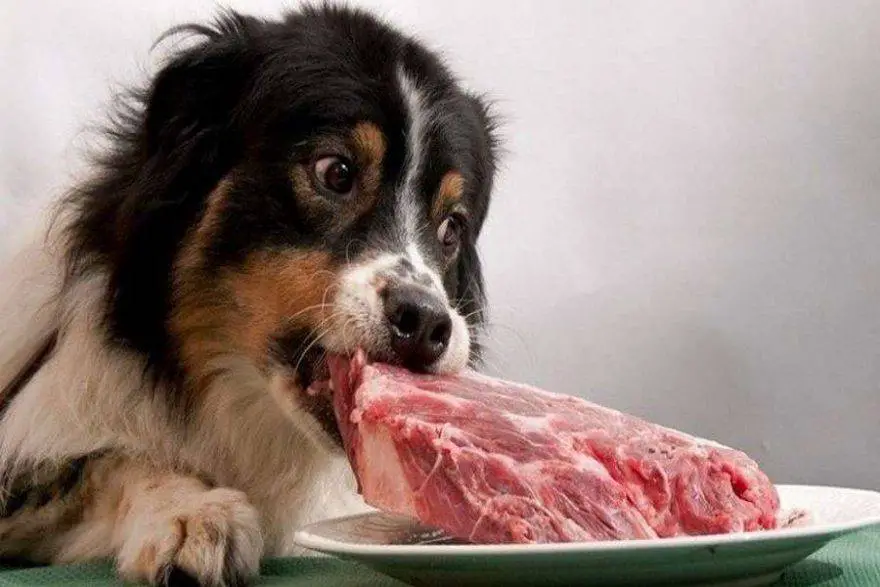
This one comes with a big asterisk. Raw bones can be excellent natural dental cleaners — the gnawing action scrapes teeth remarkably well, and the cartilage and connective tissue act like natural dental floss. But you have to choose the right ones.
Safe options:
– Raw beef knuckle bones
– Raw marrow bones (appropriately sized — bigger than your dog’s mouth)
– Raw lamb ribs for smaller dogs
Never give your dog cooked bones of any kind. Cooking changes the structure, making them brittle and prone to splintering. A cooked chicken bone can perforate an intestine. I’ve seen the emergency vet bills from this — we’re talking $3,000-5,000 for surgery.
The bone should be large enough that your dog can’t fit the whole thing in their mouth. Supervise every session. And limit raw bone time to 15-20 minutes to prevent tooth wear — yes, too much of a good thing can actually wear down enamel.
4. Dental Sticks with Chlorhexidine
Chlorhexidine is the same antimicrobial ingredient dentists use in human prescription mouthwash. Some dental sticks incorporate it into the chew itself, providing both mechanical cleaning and genuine antibacterial action that persists in the mouth after the chew is gone.
These tend to be pricier than basic dental sticks but the science behind chlorhexidine is solid. It’s one of the most studied oral antiseptics in veterinary dentistry. Look for it listed in the active ingredients — not buried in marketing copy.
Fair warning: some dogs don’t love the taste. My Golden was fine with it, but I’ve heard from other owners whose dogs flat-out refused them. Buy a small pack first before committing to a month’s supply.
5. Collagen-Based Dental Chews
Collagen chews have gotten popular in the last few years, and for good reason. They’re made from the inner layer of beef or pork skin (similar to rawhide but processed differently) and they’re highly digestible — which solves one of the biggest problems with traditional rawhide.
They soften as your dog chews, so there’s almost zero risk of tooth fracture. But they’re firm enough initially to provide good mechanical scraping. And dogs love them. Seriously — I’ve never met a dog who turned down a collagen stick.
| Feature | Collagen Chews | Traditional Rawhide |
|---|---|---|
| Digestibility | High (breaks down in stomach) | Low (can cause blockages) |
| Tooth cleaning | Moderate mechanical action | Moderate mechanical action |
| Safety profile | Very good | Risky for gulpers |
| Calorie content | 30-80 per chew | 50-100+ per chew |
| Typical chew time | 15-30 minutes | 20-60 minutes |
The main limitation is that they don’t contain any enzymatic or antimicrobial ingredients — it’s purely mechanical cleaning. But as a safe, enjoyable daily chew, they’re excellent.
6. Dehydrated Sweet Potato Chews
Here’s one that surprises people. Dehydrated sweet potato slices — the thick, chewy kind — provide decent abrasive cleaning action and they’re incredibly low in fat. We’re talking about 10-30 calories per slice depending on size.
I started giving these to my Golden when she needed to lose a couple of pounds but I didn’t want to cut out her dental chew. They’re single-ingredient, no preservatives, and she chewed on them long enough to get real tooth contact.
They’re not as effective as VOHC-approved chews. Let’s be clear about that. But for calorie-conscious dogs or pups with sensitive stomachs, they’re a solid option that does provide some dental benefit. You can even make them at home — slice sweet potatoes into 1/4-inch strips and dehydrate at 250°F for about three hours.
7. Bully Sticks as Dental Aids
Bully sticks are one of the most popular long-lasting chews on the market, and they do offer real dental benefits. The firm-but-slightly-flexible texture is exactly what you want — hard enough to scrape plaque but not so hard it’ll crack a tooth.
A 2016 study found that daily bully stick chewing significantly reduced plaque and calculus compared to a control group. They’re also highly digestible, which puts them ahead of rawhide.
The downsides are real though:
1. They’re calorie bombs — a 6-inch bully stick packs around 88 calories
2. They smell. There’s no way around this. Some brands are better than others, but if you’re sensitive to odors, be warned
3. Quality varies wildly — look for single-ingredient, USA- or South America-sourced sticks
4. They’re a choking risk once they get small enough to swallow whole, so take the nub away when it gets to about 3-4 inches
I give these maybe twice a week rather than daily. My dogs love them, but at their calorie load, daily use would mean cutting back meals significantly.
8. Dental Powder Food Additives
This one’s different from the rest because there’s no chewing involved. Dental powders get sprinkled on your dog’s food and work by changing the chemistry of your dog’s saliva, making it harder for plaque to stick to teeth. Some contain seaweed extracts (like Ascophyllum nodosum) that have clinical evidence behind them.
These are fantastic for dogs who won’t chew — seniors with missing teeth, dogs with jaw issues, or just the ones who inhale their chews without actually gnawing. Several products in this category carry VOHC approval, which is meaningful since they had to prove efficacy through clinical trials.
They work best as part of a combo approach — dental powder on food plus a mechanical chew several times a week. Think of the powder as ongoing background protection and the chew as the deep clean.
Dental Chews to Avoid
Not all chews are safe. Some popular options actually cause more problems than they solve.
Why Antlers and Weight-Bearing Bones Are Risky
Antlers are incredibly hard — harder than your dog’s teeth. Veterinary dentists see fractured teeth from antlers constantly. We’re talking slab fractures of the upper premolar, which usually means extraction under anesthesia. That’s $800-1,500 per tooth.
Same goes for weight-bearing bones from large animals — femurs, tibias, knuckle bones that have been cut to expose the marrow center. These are rock-hard and the flat cut edge is basically a tooth-cracking surface. I know dogs love them. I know they look natural and wholesome. But the fracture risk is too high.
My vet puts it simply: if you can’t indent it with your fingernail, it’s too hard for your dog’s teeth.
Chews That Are Choking Hazards
Rawhide is the big one here. It softens into a slimy, gummy mass that dogs often try to swallow whole. Pieces can lodge in the esophagus or cause intestinal blockages. I had a scare with my first Golden years ago — she gagged on a rawhide chunk and I had to pull it out of her throat. Never again.
Also watch out for:
– Any chew your dog can break into large chunks
– Chews that are too small for your dog’s size
– Nylon bones — they don’t break down and can fracture teeth
– Compressed vegetable chews that swell when wet (potential blockage risk)
Always supervise chewing sessions. Even the safest chews can become dangerous if a dog breaks off and swallows a large piece.
How Often Should Dogs Get Dental Chews
Daily is ideal for most dental chews. Plaque starts forming on teeth within hours after eating, and it hardens into tartar within 24-72 hours. Once it’s tartar, no amount of chewing will remove it — that requires professional cleaning.
But daily doesn’t mean the same chew every day. Rotate based on your dog’s needs:
- Daily: VOHC-approved enzymatic chew or dental powder on food
- 3-4 times per week: Bully sticks, collagen chews, or raw bones
- As desired: Rubber dental toys (they’re zero calories, so no limit)
Watch your dog’s total calorie intake. If your 30-pound dog is getting a 90-calorie dental chew every day, that’s roughly 10% of their daily calories. Adjust meal portions accordingly or choose lower-calorie options like sweet potato chews.
Dental Chews vs Brushing: Which Is Better
Brushing wins. It’s not even close. If you can brush your dog’s teeth three to four times per week with enzymatic dog toothpaste, you’re doing more for their dental health than any chew on the market. Brushing reduces plaque by 40-70%, dental chews manage 15-20%.
But here’s the reality — most people don’t brush their dog’s teeth consistently. A survey found that less than 5% of dog owners brush regularly. And inconsistent brushing isn’t much better than no brushing at all.
So what actually works best? A layered approach. Brush when you can, use VOHC-approved dental chews that actually clean your dog’s teeth on the other days, add a dental powder to food, and keep up with annual professional cleanings. That combination beats any single approach.
And honestly? A daily dental chew that you’ll actually give is better than a toothbrush that stays in the drawer. Consistency matters more than perfection.
Frequently Asked Questions
Are dental chews safe for puppies?
Most dental chews are designed for adult dogs. Puppies under six months still have baby teeth and softer jaw structures. Stick with puppy-specific teething toys — rubber Kongs, frozen washcloths, and puppy-formulated soft chews. Once all adult teeth are in (around 6-7 months), you can introduce regular dental chews sized appropriately for their weight.
Can dental chews replace professional teeth cleaning?
No. Dental chews work on plaque — the soft film that forms daily. Once plaque hardens into tartar (which happens within days), only professional scaling under anesthesia can remove it. Think of dental chews as daily maintenance and professional cleanings as the deep clean your dog needs every one to two years.
How do I know if a dental chew is VOHC approved?
Go directly to vohc.org and check their accepted products list. Don’t rely on packaging claims — some products say “recommended by vets” or use similar language that sounds official but isn’t the same as VOHC acceptance. The list is updated regularly and is the only reliable source.
My dog swallows dental chews whole. What should I do?
This is more common than you’d think, especially with Labs and other food-motivated breeds. Try holding one end of the chew while your dog gnaws the other — it forces them to actually chew instead of gulp. Alternatively, switch to rubber dental toys that can’t be swallowed, or use dental powder food additives that require no chewing at all.
Do dental chews help with bad breath?
They help with bad breath caused by normal bacterial buildup. But persistent bad breath can signal periodontal disease, infected teeth, or other health issues like kidney problems. If VOHC-approved dog dental chews and regular brushing don’t improve the smell within a couple of weeks, get your vet to take a look. Bad breath isn’t just unpleasant — it’s often a symptom.
Finding dental chews that actually work takes some effort, but your dog’s teeth are worth it. Start with a VOHC-approved enzymatic chew as your foundation, add in variety from the other options on this list, and pair everything with as much brushing as your dog will tolerate. Your dog’s teeth — and your future vet bills — will thank you.
Featured Image Source: Pexels