

Dog Breeds Most Prone to Seasonal Allergies: Complete Care Guide for Spring 2026
Spring 2026 is shaping up to be brutal for dogs with allergies. And before you write this off as typical seasonal doom-and-gloom — the numbers don’t lie. Climate Central’s latest analysis shows the freeze-free growing season has lengthened by 20 days on average across 172 U.S. cities since 1970, and we’re seeing pollen seasons start 20 days earlier, run 10 days longer, and dump 21% more pollen than in 1990.
That’s not great news if you own a Lab who turns into a scratching, licking mess every March.
I’ve lived through this with three different breeds over 15 years — including a Golden Retriever who basically funded her dermatologist’s boat payments. My neighbor’s Frenchie just hit the $3,000 mark on allergy treatments this year. So when I say I understand the frustration of watching your dog chew their paws raw while pollen counts spike, I mean it.
Here’s what you need to know about which breeds get hit hardest, how to spot the signs early, and what actually works when your dog’s immune system decides that tree pollen is the enemy.
Why Some Breeds Just Can’t Catch a Break
Not all dogs react to spring the same way. While your neighbor’s Husky romps through fields without a care, certain breeds have immune systems that treat harmless pollen like a five-alarm threat.
The culprit? Genetics. Decades of selective breeding have concentrated immune system vulnerabilities in certain bloodlines. Labs, for instance, descend from a limited gene pool established in Newfoundland during the 1800s. That reduced genetic diversity means they’ve inherited tendencies toward IgE antibody overproduction — the antibodies responsible for allergic reactions.
And it’s not just inheritance. Brachycephalic breeds (the flat-faced ones) deal with additional complications. Their skin fold architecture creates perfect environments for secondary infections. French Bulldogs carry a genetic variant called SLAMF1 in 71% of individuals — making them twice as likely to develop atopic dermatitis as the average dog.
The Top 10 Breeds That Dread Allergy Season
1. Labrador Retriever
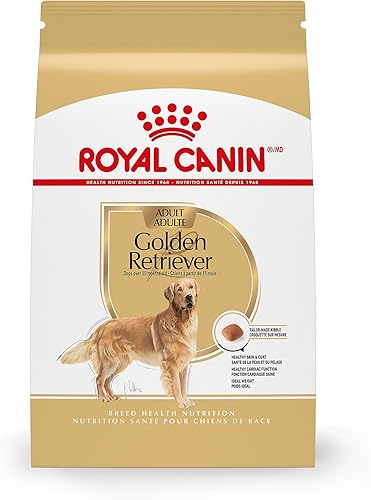
America’s most popular breed is also one of its itchiest. Current veterinary data shows 12-18% of Labs develop food allergies, with 55% showing symptoms before age three. But spring? That’s when environmental allergies pile on.
Labs account for 15% of all canine food allergy cases despite being only 8% of the dog population. Hot spots hit them hard — those painful, oozing skin lesions that seem to appear overnight. You’ll catch them obsessively licking their paws after walks, and their dense undercoat traps allergens like a magnet. My friend’s chocolate Lab starts the paw-licking ritual in late February every year, like clockwork.

2. Golden Retriever
If Labs are bad, Goldens might be worse. These dogs rack up vet bills like they’re competing for a record.
The ear infections alone will drain your wallet. One study found Golden Retrievers are 2.23 times more likely to suffer from ear infections compared to mixed-breed dogs. And here’s the kicker — chronic ear infections in Goldens are often a sign of underlying allergies, not just dirty ears. The allergic inflammation creates perfect conditions for yeast (usually Malassezia) to take over.
Watch for head shaking, dark gunky discharge, and that distinctive yeasty smell. If your Golden gets multiple ear infections per year, seasonal allergies should be on your radar.
3. French Bulldog
Recent epidemiological data pegs atopic dermatitis prevalence at 15-20% in Frenchies — three times higher than the average breed. Their extreme brachycephalic body architecture doesn’t help.
Between facial folds that trap moisture, limited airways that complicate anesthesia for allergy testing, and that SLAMF1 genetic variant, French Bulldogs are basically engineered to struggle with allergies. Their skin barrier function is compromised at a fundamental genetic level, making it easier for allergens to penetrate and trigger reactions.
4. English Bulldog
Everything that applies to Frenchies applies here, often worse.
English Bulldogs rank among the five breeds with the highest proportion of owner-reported allergic skin symptoms globally. Those signature wrinkles? They’re bacterial breeding grounds when allergies cause the skin to become inflamed and produce excess oil. Managing an English Bulldog through allergy season often means daily wrinkle cleaning on top of everything else.
5. German Shepherd
German Shepherds have an exceptionally high susceptibility to immunological diseases. Research has identified a specific genetic mutation on chromosome 27 associated with atopic dermatitis in the breed — it involves a gene called PKP2 that affects skin structure.
But the immune quirks don’t stop there. GSDs often have lower serum IgA levels compared to other breeds. IgA helps protect mucosal surfaces, so when it’s deficient, the skin becomes more vulnerable to allergens and infections. This breed also shows higher rates of food hypersensitivity and bacterial folliculitis.
6. West Highland White Terrier
The Westie might be the poster child for canine allergies. A commonly cited figure puts atopic dermatitis prevalence at 25% in the breed — more than double the general canine population rate.
And it gets worse with age. Most Westies develop some allergies as they grow older. Among allergic Westies specifically, nearly 50% have food allergies layered on top of environmental sensitivities. That’s a double whammy requiring careful management of both diet and environment.
7. Boxer
| Factor | Impact |
|---|---|
| Coat Type | Short, fine — minimal protection |
| Genetic Tendency | High rates of atopy |
| Common Issues | Environmental + food allergies |
| Typical Presentation | Skin inflammation first |
Boxers have one of the highest allergy rates among all breeds. That short coat that makes grooming easy? It provides almost no barrier against environmental allergens. Pollen, dust mites, and grass make direct skin contact. The breed also has naturally sensitive skin that overreacts to triggers that other dogs would shrug off.
8. Chinese Shar-Pei
A University of Sydney review found 7.7% of Shar-Peis had atopic dermatitis — compared to 3.1% in the general population. But skin disease overall? That hits nearly half of all Shar-Peis at some point in their lives.
Those wrinkles create ongoing maintenance challenges. Skin fold dermatitis combines with atopic tendencies to create chronic conditions that often require lifelong management. IgA deficiency shows up in this breed too, weakening the first line of defense against allergens.
9. American Pit Bull Terrier
Pit Bull breeds are genetically predisposed to skin allergies — and the symptoms can be dramatic. Expect red, inflamed skin concentrated around the face, eyes, paws, and armpits during allergy season.
These dogs often have heightened sensitivity to allergens, meaning what causes mild itching in other breeds triggers intense reactions here. The good news? Many Pit Bulls respond well to proper treatment once you nail down their specific triggers.
10. Pug
Pugs are 11 times more likely to have skin fold infections compared to non-Pugs. Allergic skin disorders occur at 5.9 times the rate seen in other breeds.
Like other brachycephalic breeds, the Pug’s wrinkles create problems. But atopy compounds everything — inflamed skin produces more oil, folds trap more moisture, and bacterial or yeast overgrowth follows. Spring cleaning for a Pug owner means daily wrinkle wipes and watching for signs of flare-ups.
Recognizing Allergy Symptoms Before They Get Out of Control
The tricky thing about dog allergies? The symptoms overlap with plenty of other conditions. Here’s what to watch for.
The classics:
- Excessive scratching — especially face, ears, paws, and belly
- Paw licking or chewing (red, stained fur between the toes is a dead giveaway)
- Hot spots that appear seemingly overnight
- Ear infections, particularly recurring ones
- Red, inflamed skin
The often-missed signs:
- Watery eyes
- Sneezing (less common in dogs than humans, but it happens)
- Scooting or licking around the rear
- General restlessness at night
Most dogs show allergy symptoms between 6 months and 3 years of age. If your puppy suddenly becomes itchy at 18 months, allergies should be high on your list of suspects. Interestingly, if symptoms start before 6 months or after 6 years, food allergies are more likely than environmental ones.
Don’t confuse seasonal allergies with flea allergy dermatitis, which causes similar itching but concentrates around the tail base and rear legs. And always rule out skin infections, which require different treatment entirely.
When Pollen Peaks: Your Spring Allergy Calendar
Spring allergies aren’t a single event — they’re a rolling assault.
March through May: Tree pollen dominates. Oak, maple, birch, and cedar release massive amounts of pollen, with peak levels typically hitting late April through early May. If your dog’s symptoms spike during morning walks in April, tree pollen is probably the culprit.
Late Spring Overlap: Grass pollen starts joining the party in May, extending misery through June in many regions.
Damp Days: Mold spores thrive in spring’s wet conditions. Rain might temporarily knock down pollen counts, but it creates mold problems.
Pollen counts are typically highest in early morning and late afternoon. Consider shifting walk times to midday when counts dip. And check your local pollen forecast — apps and websites now track daily levels for most metropolitan areas.
Treatment Options: What They Cost and What Actually Works
Let’s talk money. Because managing dog allergies isn’t cheap, and you deserve to know what you’re getting into.
| Treatment | Monthly Cost | Notes |
|---|---|---|
| OTC Antihistamines | $10-30 | Hit or miss — only works for ~25-30% of dogs |
| Apoquel | $50-150 | Reliable but requires daily dosing |
| Cytopoint | $70-150 | Monthly injection, great for severe cases |
| Immunotherapy | $65-150 | Long-term solution, 60-80% success rate |
| Medicated Shampoo | $15-40 | Helps manage symptoms, not a standalone fix |
| Omega-3 Supplements | $15-50 | Takes 4-6 weeks to see results |
Antihistamines: Worth Trying First
Here’s the truth about antihistamines — they help maybe a quarter to a third of allergic dogs. But at $10-30 per month for generics, they’re cheap enough to trial.
Common options:
- Benadryl (diphenhydramine): 2-4 mg/kg every 8-12 hours. Sedating.
- Zyrtec (cetirizine): 1 mg/kg once daily. Less sedating, often preferred.
- Claritin (loratadine): 0.5 mg/kg once daily.
Try each for 2-3 weeks before writing it off. One might work when others don’t — it’s highly individual. And absolutely skip any formulations containing xylitol, which is toxic to dogs.
Apoquel: The Game-Changer
At $50-150 monthly, Apoquel isn’t cheap. But it works. The drug blocks itch signals at the source, typically providing relief within hours. Most dogs tolerate it well, though it’s not approved for puppies under 12 months.
Annual costs run $1,200-2,400 depending on your dog’s size.
Cytopoint: The Monthly Shot
Cytopoint targets interleukin-31, a key itch-inducing molecule. One injection typically provides 4-8 weeks of relief. Costs run $70-150 per injection depending on weight, but some dogs need injections more frequently during peak season.
The advantage? No daily pills. The disadvantage? It requires a vet visit each time.
Immunotherapy: The Long Game
If you want to actually address the underlying problem rather than just managing symptoms, immunotherapy (allergy shots or sublingual drops) is the only option that retrains the immune system.
It costs $1,000-4,000 per year, requires 6-12 months to show results, and works for 60-80% of dogs. You’ll need allergy testing first — either intradermal skin testing ($200-800) or blood tests ($200-400) — to identify triggers.
Omega-3 Fatty Acids
Not a cure, but fish oil supplements reduce inflammation and strengthen the skin barrier. Start at 25% of the target dose (50-220 mg EPA/DHA per kilogram of body weight) and work up over several weeks. Expect to wait 4-8 weeks before seeing improvement.
Best Dog Food for Allergy-Prone Breeds
Diet won’t cure environmental allergies. But many allergic dogs have food sensitivities layered on top — and fixing diet can reduce overall allergic load.
Prescription Options:
- Hill’s z/d ($90-120 for 25 lbs): Hydrolyzed protein, single carb source. The gold standard for elimination trials.
- Royal Canin HP: Similar approach, slightly different protein source.
Over-the-Counter Limited Ingredient:
- Wellness Simple ($65-85 for 26 lbs): Novel proteins like lamb or duck, limited ingredients.
- Natural Balance L.I.D. ($55-75 for 26 lbs): Affordable limited ingredient option.
Fresh Food:
- The Farmer’s Dog ($40-500/month depending on dog size): Custom meals, single-protein options including pork. My friend’s allergic Lab did better on this than anything else she tried. The pork recipe has 36% protein and no common allergens.
If your vet suspects food allergies, expect an 8-12 week elimination diet trial using a novel protein or hydrolyzed diet. No cheats — that means no treats, table scraps, or flavored medications during the trial.
Prevention and Management: Daily Habits That Actually Help
You can’t eliminate pollen, but you can reduce your dog’s exposure.
After Every Walk:
- Wipe paws with a damp cloth or pet-safe wipe. This alone makes a noticeable difference.
- Wipe face and underbelly too — anywhere that drags through grass.
Bathing Strategy:
- During peak season, bathe weekly with a soothing oatmeal-based or medicated shampoo.
- Too much bathing strips natural oils, too little lets allergens accumulate. Weekly hits the sweet spot.
Indoor Air Quality:
- HEPA air purifiers reduce airborne allergens. Worth considering if your dog spends most of their time inside.
- Wash dog bedding weekly in hot water.
Timing Matters:
- Avoid walks during early morning and late afternoon when pollen peaks.
- After rain, pollen counts temporarily drop — take advantage.
- Keep windows closed on high-pollen days.
When to See a Veterinarian
Don’t tough it out too long. See a vet when:
- Scratching causes open wounds or hair loss
- Hot spots develop — these need treatment before they spread
- Your dog gets repeated ear infections
- Over-the-counter remedies aren’t cutting it
- You suspect a secondary skin infection (greasy skin, odor, pustules)
Severe allergic reactions — facial swelling, difficulty breathing, vomiting — require emergency care. These are rare but life-threatening.
Allergy testing makes sense when you’ve confirmed environmental allergies are the issue and want to pursue immunotherapy. Intradermal testing ($200-800) is more accurate than blood tests, but both can guide treatment decisions.
The Bottom Line
Spring 2026’s extended pollen season is going to be rough for allergy-prone breeds. But you’re not helpless. Start with environmental controls — paw wiping, timing walks, weekly bathing. Layer in antihistamines if needed. And don’t hesitate to escalate to Apoquel or Cytopoint if your dog is miserable.
For severe cases, allergy testing and immunotherapy offer the only path to potentially reducing sensitivity long-term. Yes, it’s expensive upfront. But after watching what my Golden went through for years before we finally pursued proper treatment, I can tell you — the money spent on actually solving the problem beats endless cycles of managing symptoms.
Your dog doesn’t have to suffer through spring. Figure out their triggers, build a management plan, and work with a vet who takes allergies seriously. This is one of those areas where proactive care pays off.
Frequently Asked Questions
Why is my dog suddenly allergic when they weren’t before?
Allergies develop over time through repeated exposure. Most dogs show first symptoms between 6 months and 3 years old. Your dog was building sensitivity before symptoms appeared — it’s not actually sudden, even though it seems that way.
Can dogs take human allergy medicine?
Some human antihistamines are safe — Benadryl, Zyrtec, and Claritin at appropriate doses. But never give your dog any formulation containing xylitol, pseudoephedrine, or decongestants. And always confirm dosing with your vet first.
How do I know if it’s food allergies or environmental allergies?
Environmental allergies typically show seasonal patterns and affect skin primarily. Food allergies cause year-round symptoms and more commonly involve digestive issues alongside skin problems. Many dogs have both — an elimination diet trial can help sort it out.
Are allergy shots worth it for dogs?
For dogs with severe environmental allergies, yes. Success rates run 60-80%, and it’s the only treatment that addresses root causes. But it takes 6-12 months to work and costs $1,000-4,000 annually. Not every dog is a good candidate — discuss with a veterinary dermatologist.
Can I use coconut oil for my dog’s itchy skin?
Coconut oil provides temporary moisture but doesn’t address the underlying allergic inflammation. It won’t hurt, but don’t expect it to replace actual allergy treatment. Fish oil supplements are a better long-term investment.
How often should I bathe my allergic dog during spring?
Weekly during peak pollen season, using a gentle oatmeal-based or medicated shampoo. Over-bathing strips natural oils and can worsen skin issues, so don’t exceed once per week unless your vet recommends otherwise.
Will my dog’s allergies get worse with age?
Often, yes. Allergies tend to intensify over time without treatment. That’s another argument for pursuing immunotherapy earlier rather than later — it can prevent the progressive worsening that happens with repeated allergic reactions.
Featured Image Source: Pexels