

So you’ve got a dog — or you’re about to get one — and you live in a small apartment. First thing I want you to know: it absolutely works. I’ve raised a Border Collie in a 600-square-foot one-bedroom, and while people thought I was nuts, that dog was happier and better-behaved than most dogs I’ve met in big suburban houses.
But here’s the thing. A small apartment means every hazard is within paw’s reach. There’s no basement to stash chemicals in, no spare room to close off, no yard buffer between your dog and the street. You have to be intentional about every square foot. I learned that the hard way when my Golden Retriever puppy chewed through a laptop charger cord in about four seconds flat — while I was sitting right there.
This guide covers exactly how to dog-proof a small apartment, room by room, plus how to make the space actually work for both of you. Not just safe. Comfortable.
Room-by-Room Apartment Dog-Proofing Guide
Kitchen Hazards and Solutions
The kitchen is the most dangerous room in your apartment for a dog. Full stop. It’s where the food is, which means it’s where your dog wants to be — and it’s packed with things that can hurt them.
Start with the trash can. Get one with a locking lid or move it inside a cabinet. I use a simplehuman butterfly lid can that my dogs have never figured out, and trust me, they’ve tried. An open kitchen trash is basically a poisoning risk sitting in the middle of your floor — chicken bones, chocolate wrappers, coffee grounds, onion skins. All toxic.
Cabinet locks are non-negotiable if your cabinets are at floor level. The magnetic kind (like Safety 1st magnetic locks) work great because dogs can’t see or paw at them. Store all cleaning products — bleach, dish pods, floor cleaner — behind locked cabinets. Same goes for the under-sink area.
Other kitchen hazards to address:
- Xylitol — This sugar substitute is in sugar-free gum, some peanut butters, and baking mixes. It’s extremely toxic to dogs. Even small amounts can cause liver failure. Check every label and keep it up high.
- Counter surfing — In a small kitchen, counters are right at nose level for medium and large breeds. Never leave food unattended. Push everything back from edges.
- Stove knobs — Larger dogs can turn gas stove knobs with their noses. Stove knob covers cost about $8 and are worth every penny.
- The fridge gap — That warm space between your fridge and the wall? Puppies love to wedge toys and themselves back there. Block it with a piece of foam board.
Bathroom Safety
Bathrooms in small apartments tend to be tiny, which is actually helpful — it’s easy to just keep the door closed. That’s my number one recommendation. Close the door, every time, no exceptions.
If you can’t (some apartment layouts have open bathroom areas), here’s what to secure:
Medications are the big one. The ASPCA Poison Control Center handles over 200,000 cases per year, and human medications are consistently the top cause. One dropped ibuprofen tablet can cause kidney failure in a small dog. Keep all meds in a closed medicine cabinet — not on the counter, not in a basket.
Toilet bowl cleaners that clip inside the bowl are a constant exposure risk since plenty of dogs drink from the toilet. Just don’t use them. A closed toilet lid plus a regular cleaning routine is safer.
And razors. I cannot tell you how many times I’ve heard stories of dogs pulling razors off the edge of a bathtub. Put them in a cabinet or on a high shelf.
Living Area and Bedroom
This is where your dog spends most of their time, so it needs the most attention.
Electrical cords are probably the biggest hazard in a small apartment’s living space. You’ve got lamp cords, phone chargers, TV cables, maybe a space heater cord — all running along baseboards or across floors where a bored puppy will find them. Cord covers (the split-tube kind you can get at any hardware store) work well. I also run cords behind furniture and use adhesive cord clips to keep them flush against walls.
Small objects on low surfaces are a choking hazard. That decorative bowl of potpourri on your coffee table? Gone. Coins on the nightstand? Put them in a jar. Hair ties, earbuds, socks on the floor — dogs swallow all of it. I once spent $1,200 on emergency surgery because my friend’s Lab ate a sock. One sock.
| Hazard | Risk Level | Easy Fix |
|---|---|---|
| Exposed electrical cords | High | Cord covers or cable management |
| Small objects on low tables | High | Move to shelves above 4 feet |
| Houseplants on the floor | Medium-High | Rehome toxic plants, elevate safe ones |
| Loose rugs without grip pads | Medium | Add non-slip pads underneath |
| Blinds with looped cords | Medium | Switch to cordless blinds |
| Open shelving at dog height | Low-Medium | Use bins or move items up |
Houseplants deserve a special mention. Plenty of common apartment plants are toxic to dogs — pothos, philodendron, peace lilies, sago palms. If you’re not sure about a plant, check the ASPCA’s toxic plant database. When in doubt, get rid of it. Or hang it from the ceiling, well out of reach.
Balcony and Window Safety
If you have a balcony, this section matters a lot. “High-rise syndrome” isn’t just a cat thing — dogs fall from balconies too, especially small breeds and puppies who can squeeze through railing gaps. Never leave your dog unsupervised on a balcony. Ever.
For the railing itself, measure the gaps between balusters. If they’re wider than 3 inches, you need to add a barrier. Plexiglass panels or zip-tied bamboo fencing both work. Make sure it’s secure enough that a 30-pound dog leaning against it won’t push it out.
Windows are the other concern, especially in warmer months when you want them open. Window screens in apartments are often flimsy — they’re designed to keep bugs out, not to hold back a 60-pound dog who just spotted a squirrel. Consider pet-proof window screens (they make heavy-duty mesh versions) or only open windows from the top if you have double-hung windows.
Creating a Dog-Friendly Space in Under 500 Sq Ft
Dog-proofing isn’t just about removing dangers. You also need to create a space where your dog can actually thrive. And in a small apartment, that takes some creativity.
Designated Dog Zone Setup
Every dog in an apartment needs their own spot. Not a whole room — just a corner or a section of a room that’s clearly theirs. This is where their crate or bed goes, their water bowl, and a couple of toys.
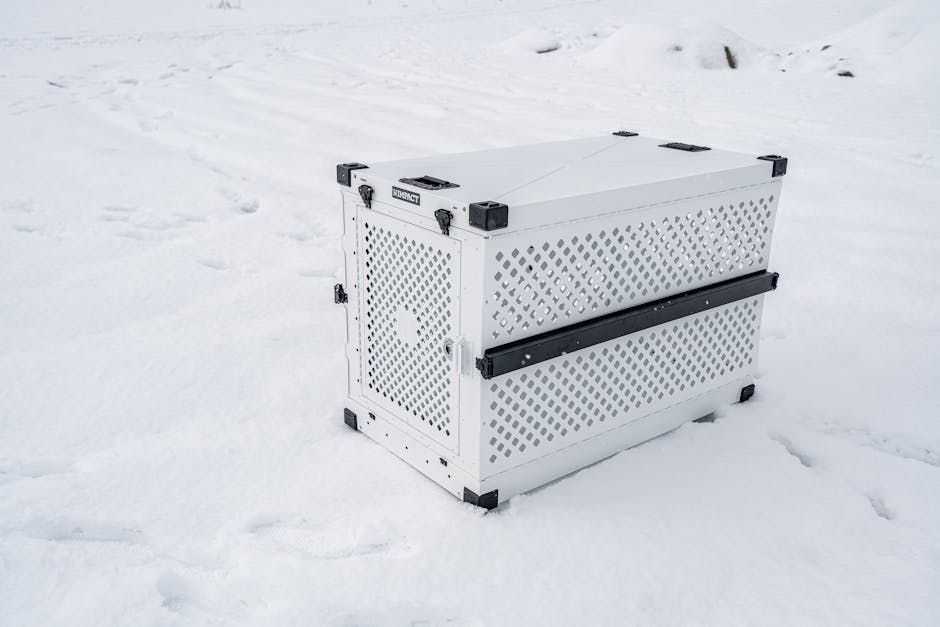
I set up my dogs’ zone in the corner of my living room, next to the couch. A 36-inch crate for my Border Collie fit perfectly along the wall. I put a washable crate pad inside, a water bowl on a small silicone mat (to catch drips), and a wall-mounted hook above for the leash.
The key is consistency. When your dog knows where their space is, they settle faster. It becomes their den. This is especially important for puppy proofing an apartment — a defined zone makes crate training and housebreaking dramatically easier because your pup has a home base.
For puppies or destructive chewers, consider a small exercise pen (x-pen) attached to the crate. A 24-inch tall pen works for most breeds under 30 pounds. It gives them a contained safe area when you can’t supervise directly — way better than giving them free run of the apartment.
Vertical Storage for Dog Supplies
Dog stuff takes up a shocking amount of space. Food, treats, extra leashes, grooming supplies, poop bags, toys, medications, seasonal gear — it adds up fast.
Go vertical. An over-the-door organizer on a closet door can hold treats, poop bags, grooming tools, and medications. A wall-mounted shelf near the front door is perfect for leashes, harnesses, and your walking bag. I installed two simple Command hooks by my door — one for the everyday leash, one for the harness — and it changed my life. No more hunting for the leash while my dog spins in circles.
For food storage, skip the giant bin on the floor. A sealed container that fits in a pantry or on a shelf keeps food fresh and out of reach. Gamma2 Vittles Vault makes a stackable version that works well in tight spaces.
Multi-Purpose Furniture That Works for Dogs
In a small apartment, furniture needs to pull double duty. Some ideas that actually work:
An end-table crate — these are crates designed to look like side tables, with a flat top you can put a lamp on. They’re a real space-saver and look surprisingly good. My neighbor has one from New Age Pet and you’d never know it’s a dog crate until you look closer.
Ottoman with storage inside for dog toys, blankets, and extra supplies. Keeps everything out of sight but easy to access.
A washable couch cover if you let your dog on furniture. Not technically furniture, but it’ll save your security deposit. The ones with elastic straps that hook underneath the cushions actually stay in place, unlike the old throw-blanket approach.
Common Toxic Household Items to Remove
This deserves its own section because these apartment dog safety tips could genuinely save your dog’s life. Most poisoning cases happen at home with everyday items people don’t think twice about.
Top household toxins for dogs:
- Xylitol (birch sugar) — Found in sugar-free gum, mints, some peanut butters, toothpaste, and baked goods. Even a small amount can cause dangerous blood sugar drops and liver failure.
- Chocolate — Dark chocolate and baking chocolate are the worst. A single ounce of baker’s chocolate can be dangerous for a 10-pound dog.
- Grapes and raisins — The toxic compound still isn’t fully identified, but even a few grapes can cause kidney failure in some dogs.
- Cleaning products — Bleach, ammonia-based cleaners, and laundry pods. Switch to pet-safe cleaners where possible (I like Seventh Generation or Branch Basics).
- Essential oils — Tea tree, peppermint, citrus, and pine oils are all toxic to dogs. If you use a diffuser, your dog is breathing it in too.
- Rodent poison and insect baits — Common in apartments, especially older buildings. Talk to your landlord about pet-safe pest control alternatives. Those little bait stations on the floor are basically dog treats from a dog’s perspective.
Do a sweep of your entire apartment. Get on the floor at dog level — literally crawl around — and look for anything your dog could reach, chew, or swallow. You’ll be surprised what you find.
Managing Noise and Neighbors
This is the part of apartment living with a dog that nobody talks about enough. Your dog’s behavior directly affects your neighbors, your landlord, and ultimately whether you get to keep living there.
Bark-Reducing Strategies for Apartments
Most apartment barking comes from three triggers: boredom, separation anxiety, and alert barking at hallway noises. Each needs a different approach.
Boredom barking — This is the easiest to fix. A tired dog doesn’t bark. Adequate exercise (breed-dependent, but most dogs need at minimum 30-60 minutes daily), puzzle toys, and food-dispensing toys like Kongs keep dogs mentally occupied. I freeze peanut butter in Kongs overnight and give one to my dog every time I leave — buys me at least 30 minutes of quiet.
Separation anxiety — This is the harder one and might need professional help. But basic management includes: practice short departures and gradually increase duration, don’t make a huge production of leaving or arriving, and consider calming supplements or an Adaptil diffuser (the pheromone kind — they actually work for some dogs).
Alert barking — Dogs in apartments hear everything. Footsteps in the hallway, elevator dings, the neighbor’s door closing. Desensitization training helps — reward your dog for staying calm when they hear noises. But you also need to manage the environment, which brings us to sound.
Sound Buffering Tips
A white noise machine near your front door is the single best investment for an apartment dog. It masks hallway sounds that trigger barking. I run one 24/7 and the difference is dramatic — my dog used to bark at every footstep in the hall, and now she barely lifts her head.
Other sound management tips for your small space dog setup:
- Heavy curtains dampen outside noise from windows
- A rug on hardwood floors absorbs sound (and saves your downstairs neighbor’s sanity from clickety nails)
- Furniture against shared walls adds a buffer layer
- Calming music designed for dogs — there’s actual research behind this; Through a Dog’s Ear is a well-known series that uses specific tempos to reduce canine stress
Apartment Dog Essentials Checklist
Before I wrap up, here’s everything you need for a properly dog-proofed small apartment. Print this out, check things off, and you’ll be in great shape.
Safety Essentials:
– [ ] Cabinet locks for kitchen and bathroom
– [ ] Locking trash can or in-cabinet trash
– [ ] Cord covers for all exposed electrical cables
– [ ] Baby gate(s) for restricted areas — the Regalo Easy Step works well in standard apartment doorways
– [ ] Non-slip pads under all area rugs
– [ ] Pet-proof window screens or window guards
– [ ] Balcony barrier if railing gaps exceed 3 inches
Toxic Item Removal:
– [ ] All medications stored in closed cabinets
– [ ] Toxic houseplants removed or hung out of reach
– [ ] Cleaning products locked away
– [ ] Xylitol-containing products secured
– [ ] Rodent/insect bait stations removed or replaced with pet-safe options
Dog Comfort Setup:
– [ ] Crate or bed in a designated dog zone
– [ ] Water bowl on a drip-catching mat
– [ ] Wall hooks for leashes near the front door
– [ ] Vertical storage for supplies
– [ ] White noise machine near the front door
– [ ] Puzzle toys and frozen Kongs for alone time
Neighbor-Friendly Additions:
– [ ] Area rug on hardwood (nail noise reduction)
– [ ] Sound machine or calming music setup
– [ ] Exercise plan posted on the fridge as a reminder
Frequently Asked Questions
How much does it cost to dog-proof a small apartment?
Budget around $100-200 for the basics — cabinet locks ($15-20), cord covers ($15-25), a baby gate ($30-50), a locking trash can ($25-40), and a white noise machine ($20-30). You probably already have some of these. The most expensive single item would be an exercise pen if you need one, which runs $40-80 depending on size.
Can large dogs live in small apartments?
Absolutely. I know this sounds counterintuitive, but energy level matters way more than size. A 70-pound Greyhound is a better apartment dog than a 25-pound Jack Russell Terrier. Large, calm breeds like Greyhounds, Basset Hounds, and English Bulldogs do great in small spaces. The key is meeting their exercise needs outside the apartment.
How do I dog-proof my apartment for a puppy specifically?
Puppy proofing an apartment means everything above, plus extra. Puppies chew everything, so assume anything below 3 feet is fair game. Use an x-pen to limit access to a small area when you can’t supervise. Cover or remove all cords at floor level. Pick up shoes, socks, and anything small enough to swallow. And get enzymatic cleaner in bulk — you’ll need it for house training accidents. The first 6 months are intense, but it gets much easier.
What if my landlord doesn’t allow modifications for dog-proofing?
Most dog-proofing doesn’t require permanent changes. Pressure-mounted baby gates don’t damage walls. Command hooks are removable. Cord covers stick to baseboards with removable adhesive. Magnetic cabinet locks leave no visible marks. The only thing you might need permission for is window guards, and many landlords will approve those since they’re a safety feature.
How do I handle apartment dog-proofing when I rent and can’t make permanent changes?
Focus on temporary, removable solutions. Freestanding gates instead of wall-mounted. Adhesive cord clips instead of screwed-in cable management. Furniture placement as barriers instead of built-in gates. I’ve dog-proofed four different rentals and never lost a security deposit. It’s totally doable — you just need to think about reversibility with every purchase.
Dog-proofing a small apartment isn’t complicated, but it does take a couple of hours of deliberate setup. Do the room-by-room sweep, handle the toxic items, set up a proper dog zone, and invest in sound management. Your dog will be safe, your neighbors will be happy, and you’ll stop worrying every time you leave for work. That peace of mind is worth every bit of the effort.
Featured Image Source: Pexels