
Dog-Proofing Your Home: Complete Room-by-Room Safety Guide
Bringing a dog into your home is one of life’s greatest joys, but your house is filled with hidden dangers that most pet owners never consider until an emergency strikes. According to the ASPCA Animal Poison Control Center, they handle over 400,000 cases of potential pet poisoning each year, and the majority of these incidents happen inside the home. Emergency veterinary visits for preventable household accidents cost pet owners an average of $800 to $3,000 per incident, and some situations can be fatal.
The good news is that most of these emergencies are entirely preventable. Dog-proofing your home doesn’t require a massive renovation or an unlimited budget. It requires awareness, a systematic approach, and a willingness to see your living space from your dog’s perspective — roughly 12 to 24 inches off the ground, where curious noses and mouths can reach things you’d never think twice about.
Why Dog-Proofing Your Home Matters
Dogs explore the world with their mouths. Unlike cats, who tend to be more selective about what they ingest, dogs will chew, lick, and swallow objects that smell even remotely interesting. Puppies are especially vulnerable because teething drives them to gnaw on anything they can find, but adult dogs are far from immune to household hazards.
Consider these sobering statistics:
- Over 232,000 cases of pet poisoning from household products are reported annually in the United States alone
- Human medications are the number one cause of pet poisoning, accounting for nearly 20% of all cases
- Chocolate ingestion remains one of the most common emergency vet visits, with calls spiking during holidays
- Foreign body ingestion (socks, toys, bones) accounts for thousands of surgical interventions each year
- Household chemical exposure sends thousands of dogs to emergency clinics annually
Beyond the emotional toll of watching your dog suffer, the financial impact is significant. A single emergency vet visit for toxin ingestion can easily exceed $1,500, and surgery to remove a swallowed foreign object often costs between $2,000 and $5,000. Dog-proofing your home is an investment that pays for itself many times over.
Room-by-Room Dog-Proofing Guide
Kitchen Hazards
The kitchen is arguably the most dangerous room in your home for dogs. It combines food temptations, sharp objects, hot surfaces, and toxic cleaning products in one concentrated area.
- Install child-proof latches on lower cabinets, especially those containing cleaning supplies, trash bins, or food storage
- Keep all food off countertops when unattended — dogs can counter-surf even if you’ve never seen them try
- Store toxic foods securely: chocolate, grapes, raisins, onions, garlic, xylitol-containing products, macadamia nuts, and alcohol
- Use a lidded trash can with a locking mechanism or store the bin inside a latched cabinet
- Block access to the stove using stove knob covers and never leave cooking food unattended
- Secure dishwasher pods and tablets — these concentrated detergents are highly caustic and brightly colored
- Keep sharp objects like knives, skewers, and broken glass out of reach at all times
Bathroom Dangers
Bathrooms contain a concentrated collection of chemicals and medications that can be lethal to dogs in small doses.
- Keep the toilet lid closed — toilet bowl cleaners and chemical residue make toilet water toxic, and small dogs can drown
- Store all medications in closed cabinets, including over-the-counter drugs like ibuprofen and acetaminophen, which are extremely dangerous to dogs
- Secure razors, dental floss, and cotton swabs — these are commonly ingested and can cause intestinal blockages or internal injuries
- Lock away cleaning products including bleach, drain cleaners, and bathroom sprays
- Remove bath bombs and soap bars from tub edges where dogs can reach them
- Use a trash can with a secure lid — bathroom trash often contains items dogs find irresistible
Living Room Risks
The living room seems safe, but it harbours several commonly overlooked hazards.
- Secure electrical cords behind furniture or inside cord covers — chewing on live wires can cause burns, electrocution, or house fires
- Remove or elevate toxic houseplants such as lilies, sago palms, philodendrons, and pothos
- Pick up small items like remote control batteries, coins, paper clips, and rubber bands
- Anchor bookshelves and heavy furniture to walls so they cannot topple onto a curious dog
- Cover or block fireplaces with sturdy screens, and never leave candles burning unattended
- Check throw pillows and blankets for loose buttons, decorative beads, or fringe that dogs may chew and swallow
Bedroom Concerns
Bedrooms present unique risks because they often contain personal items left casually on nightstands and floors.
- Keep medications off nightstands — this is one of the most common sources of accidental pet poisoning
- Store laundry in closed hampers — dogs frequently swallow socks, underwear, and other small clothing items, leading to costly surgical emergencies
- Secure jewellery and hair accessories in closed containers
- Keep shoes in closed closets — aside from the chewing damage, shoe components can cause intestinal blockages
- Check under beds regularly for dropped items like coins, earbuds, and small personal care products
Garage and Laundry Room
The garage is potentially the most toxic room in your home. Even trace amounts of certain garage chemicals can be fatal.
- Store antifreeze in sealed, elevated containers — ethylene glycol has a sweet taste that attracts dogs, and even a tablespoon can be fatal to a small dog
- Lock away pesticides, herbicides, and fertilisers in closed cabinets
- Keep laundry detergent and dryer sheets in latched cabinets — these cause chemical burns and gastrointestinal distress
- Secure tools, nails, and screws that could injure paws or be swallowed
- Block access to vehicles — dogs can become trapped, overheated, or exposed to engine chemicals
- Keep the dryer door closed — small dogs and puppies can climb inside
Outdoor Areas and Garden
Your garden and outdoor spaces need just as much attention as your interior rooms.
- Inspect fencing thoroughly for gaps, loose boards, and areas where dogs can dig underneath
- Remove or fence off toxic plants including azaleas, oleander, tulip bulbs, daffodils, and yew
- Use pet-safe lawn treatments and keep dogs off freshly treated areas
- Store pool chemicals securely and consider pool fencing or covers
- Eliminate standing water that may contain algae, pesticide runoff, or breeding mosquitoes
- Check for mushrooms after rain — several common garden mushrooms are highly toxic to dogs
- Secure compost bins — decomposing food produces mycotoxins that can cause tremors and seizures
Common Household Toxins Reference Table
Keep this table handy for quick reference. If your dog ingests any of these items, contact your veterinarian or the ASPCA Animal Poison Control Center immediately.
| Toxic Item | Danger Level | Symptoms to Watch For |
|---|---|---|
| Chocolate (dark/baking) | High | Vomiting, diarrhoea, rapid breathing, seizures, heart arrhythmia |
| Xylitol (sugar substitute) | Severe | Rapid insulin release, hypoglycaemia, liver failure, seizures |
| Grapes and raisins | Severe | Vomiting, lethargy, kidney failure within 24-72 hours |
| Onions and garlic | Moderate to High | Anaemia, weakness, pale gums, red-tinged urine |
| Ibuprofen / Acetaminophen | Severe | Kidney failure, liver damage, stomach ulcers, seizures |
| Antifreeze (ethylene glycol) | Fatal | Wobbly gait, vomiting, excessive thirst, kidney failure |
| Sago palm | Fatal | Vomiting, bloody stool, liver failure, death in 2-3 days |
| Lily plants | High (cats); Moderate (dogs) | Vomiting, diarrhoea, drooling, loss of appetite |
| Bleach / Cleaning sprays | Moderate to High | Chemical burns, drooling, vomiting, difficulty breathing |
| Rat poison (rodenticides) | Fatal | Internal bleeding, bruising, weakness, bloody stool (may be delayed 2-5 days) |
| Macadamia nuts | Moderate | Weakness, vomiting, tremors, hyperthermia |
| Laundry detergent pods | High | Chemical burns to mouth and throat, vomiting, difficulty breathing |
Puppy-Proofing vs Adult Dog-Proofing: Key Differences
While the fundamentals of dog-proofing your home apply to dogs of all ages, puppies and adult dogs present different challenges that require tailored approaches.
Puppy-Specific Concerns
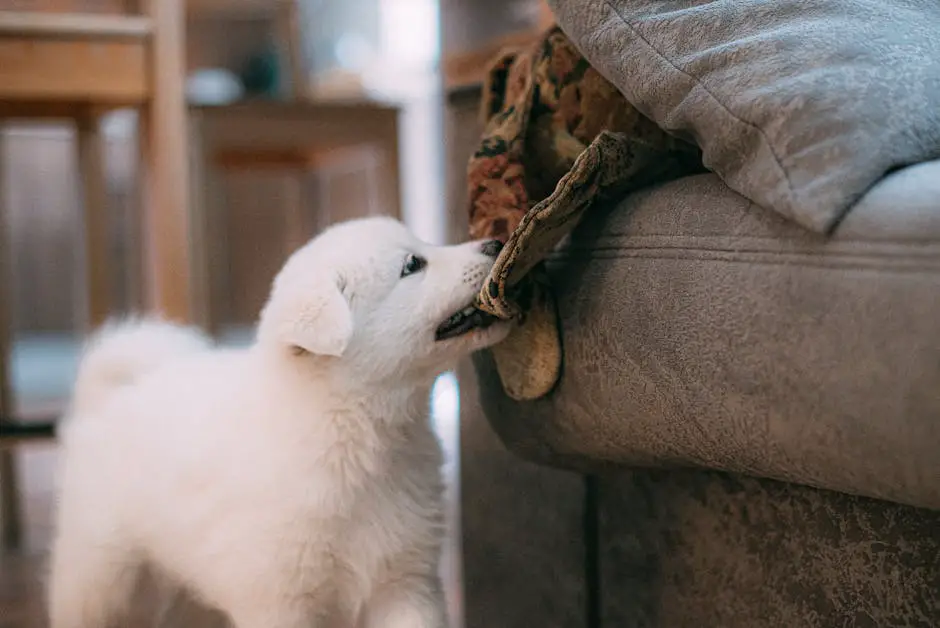
Puppies are essentially furry toddlers with razor-sharp teeth and zero impulse control. Their teething phase, which lasts from about 3 to 6 months of age, drives them to chew on absolutely everything.
- Use exercise pens or baby gates to restrict access to safe areas when you cannot supervise directly
- Provide plenty of appropriate chew toys to redirect the natural urge to gnaw
- Puppy-proof at floor level — remove anything within 2 feet of the ground that could be chewed or swallowed
- Crate train responsibly to provide a safe space when supervision isn’t possible
- Cover all electrical outlets and secure cords flush against walls
- Remove loose carpet edges and rug corners that puppies love to shred and ingest
Adult Dog Considerations
Adult dogs are generally less destructive, but they can reach higher surfaces, open doors, and have learned creative ways to access food and interesting smells.
- Focus on counter-surfing prevention — adult dogs can reach kitchen counters, tables, and shelves that puppies cannot
- Address separation anxiety — anxious adult dogs may chew through doors, walls, or crates, creating injury risks
- Consider breed-specific behaviours: some breeds are more prone to resource guarding, digging, or chewing than others
- Re-evaluate periodically — dogs’ behaviours change with age, health conditions, and environmental changes
Electrical Cord and Cable Management
Electrical cords are one of the most dangerous and commonly overlooked hazards in any home with dogs. A dog chewing through a live wire can suffer severe electrical burns to the mouth and tongue, fluid accumulation in the lungs, cardiac arrhythmia, or death.
Effective strategies for managing cords include:
- Route cords behind furniture and use adhesive cord clips to keep them flush against walls and baseboards
- Invest in cord covers or cable raceways — rigid plastic covers that dogs cannot chew through easily
- Use cord concealers that blend with your walls or floor for a cleaner look and safer environment
- Apply bitter apple spray to exposed cords as a deterrent, though this should not be your only line of defence
- Unplug devices when not in use — a dead cord is a safe cord
- Use surge protectors with cord management features that keep multiple cords organised and contained
- Consider wireless alternatives where possible, such as wireless phone chargers and Bluetooth speakers
Securing Trash and Food
Dogs have an extraordinary sense of smell — up to 100,000 times more sensitive than ours — and your rubbish bin is essentially an irresistible buffet of fascinating scents. Bin raiding is one of the most common causes of gastrointestinal emergencies in dogs.
- Use heavy-duty bins with locking lids in every room where food waste is discarded
- Store kitchen bins inside latched cabinets for dogs who have mastered the art of lid removal
- Never put cooked bones in accessible bins — cooked bones splinter and can perforate the intestines
- Empty bins regularly to reduce temptation and odour
- Consider sensor-activated or step-pedal bins that are more difficult for dogs to open
- Keep all human food stored in sealed containers in closed cupboards or on high shelves
- Never leave grocery bags unattended on the floor, even briefly
Window and Balcony Safety
While “high-rise syndrome” is more commonly associated with cats, dogs can and do fall from windows and balconies, especially when startled by loud noises, chasing birds, or reacting to other animals they spot below.
- Install sturdy window screens that can withstand the weight of your dog leaning against them
- Use window guards or limiters that prevent windows from opening more than a few inches
- Block balcony railings with plexiglass panels or fine mesh if the gaps are wide enough for your dog to squeeze through
- Never leave windows fully open on upper floors when your dog is unsupervised
- Ensure balcony furniture cannot be used as a stepping stool to climb over railings
- Supervise all balcony time until you are confident in your safety measures
Holiday-Specific Hazards
Christmas and Winter Holidays
The festive season brings a surge in pet emergencies. Christmas trees, decorations, and holiday foods create a perfect storm of hazards.
- Secure the Christmas tree to the wall or ceiling to prevent toppling
- Avoid tinsel entirely — when swallowed, it can cause life-threatening intestinal obstruction
- Keep ornaments off lower branches — glass ornaments can shatter and cut paws or mouths
- Prevent access to tree water — it often contains preservatives, bacteria, and fertiliser
- Keep chocolate gifts, mince pies, and Christmas pudding well out of reach — all contain ingredients toxic to dogs
- Watch for poinsettias, holly, and mistletoe — all are toxic if ingested
Easter
- Keep chocolate eggs hidden carefully and account for every egg during hunts — dogs will find forgotten ones
- Avoid lily arrangements in homes with pets
- Keep Easter grass and plastic eggs away from dogs, as both can cause intestinal blockages
Halloween
- Store all sweets and candy out of reach — many contain xylitol or chocolate
- Keep glow sticks away from dogs — the liquid inside causes intense drooling and agitation
- Secure jack-o’-lanterns with candles — curious noses near open flames can result in burns or fires
- Create a quiet safe space away from the front door, as constant knocking and costumed visitors can cause extreme stress and escape attempts
Essential Supplies for a Dog-Safe Home
Having the right supplies on hand makes dog-proofing easier and more effective. Consider this your shopping checklist:
- Baby gates or exercise pens — for restricting access to dangerous areas
- Cabinet and drawer latches — child-proof versions work perfectly for dogs
- Cord covers and cable management solutions — rigid plastic raceways are most effective
- Locking-lid rubbish bins — for every room, especially the kitchen and bathroom
- Bitter apple spray — as a chewing deterrent for furniture legs, cords, and woodwork
- Outlet covers — especially important for puppies and low-riding breeds
- Secure food storage containers — airtight and dog-proof
- Stove knob covers — dogs can accidentally turn on gas or electric hobs
- Window screens and limiters — essential for upper-floor living
- Non-toxic cleaning products — for regular use on floors and surfaces your dog contacts
Emergency Preparedness
Even in the most thoroughly dog-proofed home, accidents can happen. Being prepared for emergencies can mean the difference between a scare and a tragedy.
Critical Contact Numbers
Save these numbers in your phone right now:
- ASPCA Animal Poison Control Center: (888) 426-4435 (a consultation fee applies)
- Pet Poison Helpline: (855) 764-7661 (a consultation fee applies)
- Your regular veterinarian’s number and their after-hours emergency contact
- Your nearest 24-hour emergency veterinary clinic — know the route before you need it
Pet First Aid Kit Essentials
Assemble a dedicated pet first aid kit and keep it accessible:
- Sterile gauze pads and rolls
- Self-adhering bandage wrap
- Hydrogen peroxide (3%) — only use to induce vomiting when directed by a veterinarian or poison control
- Digital thermometer (normal canine temperature is 38-39.2°C / 101-102.5°F)
- Tweezers and blunt-tipped scissors
- Saline eye wash solution
- Disposable gloves
- Styptic powder for nail bleeding
- Your dog’s medical records and a list of current medications
- A muzzle (even friendly dogs may bite when in severe pain)
Important: Never induce vomiting without consulting a veterinary professional first. Some ingested substances, such as caustic chemicals or sharp objects, can cause more damage coming back up.
Frequently Asked Questions
What is the most commonly ingested household toxin for dogs?
Human medications, particularly over-the-counter painkillers like ibuprofen and acetaminophen, are the most commonly ingested household toxins for dogs. The ASPCA reports that human medications account for nearly 20% of all animal poison control calls. Dogs often find dropped pills on the floor or access medications left on nightstands and countertops. Always store medications in closed cabinets and check floors after handling any pills.
How do I dog-proof my home on a tight budget?
You can effectively dog-proof your home without spending a fortune. Start with free measures: close doors to dangerous rooms, keep toilet lids down, pick up small items from floors, and store food and chemicals in existing closed cabinets. Inexpensive additions include rubber bands to secure cabinet doors, pool noodles to cover exposed cords, and repurposed baby gates from second-hand shops. The most important step costs nothing — simply getting down to your dog’s eye level and identifying hazards you might otherwise miss.
At what age can I stop puppy-proofing my home?
You should never completely stop dog-proofing your home, but you can gradually relax some measures as your dog matures and demonstrates trustworthy behaviour. Most dogs move past the intense chewing phase by 12 to 18 months of age. However, some level of dog-proofing should remain permanent — keeping toxic foods and chemicals secured, maintaining cord safety, and using secure bins are lifelong practices regardless of your dog’s age.
What should I do if my dog eats something toxic?
If your dog eats something potentially toxic, stay calm and act quickly. First, remove any remaining toxic material from your dog’s reach. Identify what was ingested, how much, and when. Call the ASPCA Animal Poison Control Center at (888) 426-4435 or the Pet Poison Helpline at (855) 764-7661 immediately. Do not induce vomiting unless specifically instructed to do so by a veterinary professional, as some substances cause more harm when vomited. Take your dog to the nearest emergency vet with any packaging from the ingested substance.
Are essential oils and diffusers safe to use around dogs?
Many essential oils are toxic to dogs, and diffusers can pose risks depending on the type and concentration used. Oils including tea tree, pennyroyal, wintergreen, pine, cinnamon, and clove are particularly dangerous and can cause liver damage, respiratory distress, and neurological symptoms. If you use a diffuser, choose pet-safe oils, use them in well-ventilated areas, ensure your dog can leave the room freely, and never apply essential oils directly to your dog’s skin or fur without veterinary guidance.
Featured Image Source: Pexels