

I put off my dog’s vet checkup once. Just once. My golden retriever, Benny, seemed perfectly fine — eating well, playing fetch, his usual goofy self. I figured I’d reschedule for the following month. That “following month” turned into three, and by the time we finally went in, the vet found a Grade 2 heart murmur that had been developing silently. Benny was fine with treatment, but the guilt stuck with me.
That experience changed how I think about dog vet checkups entirely. They’re not just about getting shots updated or hearing “your dog looks great!” They’re the one time a year (or more) where a trained professional puts hands on your dog and catches things you literally cannot see, smell, or feel at home.
So whether you’ve got a brand new puppy or a senior dog who’s been around the block, here’s exactly what happens during a vet visit, how often you actually need to go, and what I wish someone had told me years ago.
How Often Does Your Dog Really Need a Vet Checkup?
The short answer: at least once a year for adult dogs. But the real answer depends on your dog’s age, breed, and health history.
Here’s how it generally breaks down:
| Life Stage | Age | Recommended Frequency |
|---|---|---|
| Puppy | 0–12 months | Every 3–4 weeks until 16 weeks, then at 6 months and 1 year |
| Adult | 1–7 years | Once a year |
| Senior | 7+ years (or 5+ for giant breeds) | Every 6 months |
| Dogs with chronic conditions | Any age | As directed — often every 3–6 months |
Puppies need the most visits because of their vaccination schedule. You’re looking at roughly 4–5 appointments in that first year alone, between the initial series of shots, deworming, spay/neuter consultation, and general wellness checks.
For healthy adult dogs, annual visits are the standard. But I’d argue that breed matters more than most people realize. My friend’s Cavalier King Charles Spaniel sees a cardiologist once a year on top of her regular vet — because that breed is genetically prone to heart disease. Bulldogs, Dachshunds, German Shepherds — they all have breed-specific vulnerabilities that might warrant extra screening.
And once your dog hits senior status? Twice a year, minimum. Things change fast in older dogs. My current lab mix, Pepper, went from “totally normal bloodwork” to early kidney disease indicators in about eight months. We only caught it because we’d switched to biannual visits.
What Actually Happens During a Dog Vet Checkup
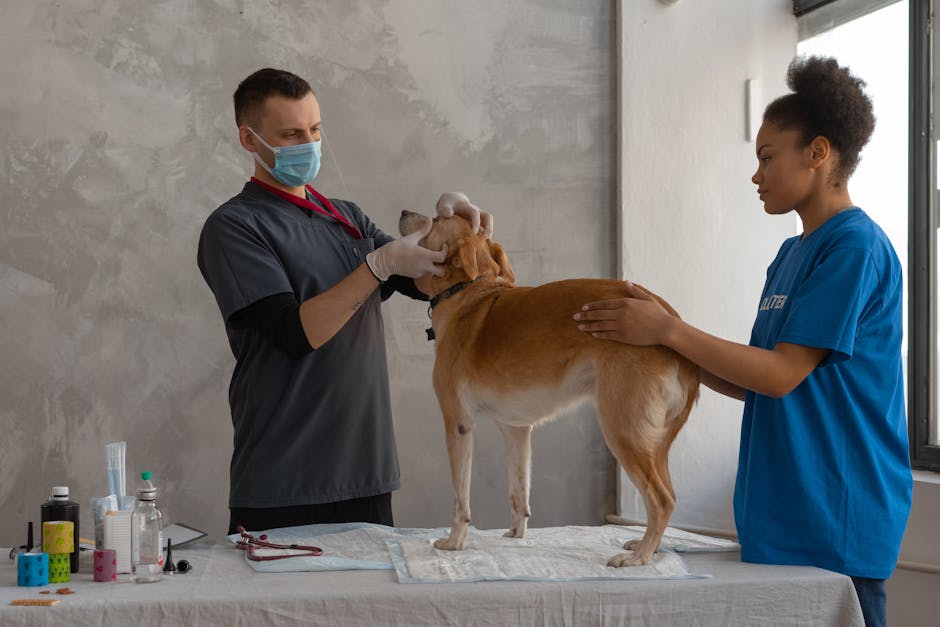
If you’ve ever wondered what the vet is doing when they’re poking and prodding your dog for ten minutes, here’s the breakdown. It’s more thorough than it looks.
The Physical Exam
This is the core of every visit and it usually follows a nose-to-tail approach:
- Eyes: Checking for cloudiness, discharge, signs of infection or cataracts
- Ears: Looking for redness, wax buildup, ear mites, or yeast infections
- Mouth: Examining teeth, gums, and checking for oral masses (dental disease affects over 80% of dogs by age 3 — a stat that still shocks me)
- Skin and coat: Feeling for lumps, bumps, parasites, hot spots, or thinning fur
- Heart and lungs: Listening with a stethoscope for murmurs, arrhythmias, or abnormal lung sounds
- Abdomen: Palpating the belly to check organ size and feel for masses or pain
- Joints and muscles: Flexing legs, checking range of motion, watching your dog walk
- Lymph nodes: Feeling under the jaw, in front of shoulders, and behind knees for swelling
- Weight check: Probably the most important number your vet tracks year to year
The whole physical exam takes maybe 5–10 minutes, but an experienced vet can pick up an incredible amount of information in that time. My vet once caught a small mast cell tumor on Benny’s leg that I’d completely missed under his fur. It was the size of a pea.
Vaccinations
Not every visit involves shots, but your vet will review what’s due. Core vaccines for dogs include:
- Rabies (required by law — typically every 1–3 years depending on your state)
- DHPP (distemper, hepatitis, parainfluenza, parvovirus) — boosted every 1–3 years
- Bordetella (kennel cough) — usually annual, sometimes every 6 months if your dog is in daycare or boarding
- Leptospirosis and Lyme — depends on your region and lifestyle
Your vet should tailor the vaccine schedule to your dog’s actual risk, not just blanket-vaccinate everything. If your dog never goes to boarding or dog parks, you might skip bordetella. If you’re in tick-heavy areas, Lyme becomes more important. Ask questions about what your specific dog actually needs — good vets appreciate it.
Bloodwork and Lab Tests
For puppies and healthy adults, bloodwork might only happen every couple of years or before a surgical procedure. But for senior dogs, annual (or biannual) bloodwork is non-negotiable in my book.
A standard wellness panel usually includes:
- Complete blood count (CBC) — checks red and white blood cells, platelets
- Chemistry panel — liver values, kidney function, blood sugar, electrolytes
- Thyroid screening — especially important for breeds prone to hypothyroidism
- Urinalysis — can catch kidney issues, diabetes, and urinary infections early
This is where the real value of a dog vet checkup shows up. Dogs are masters at hiding illness. By the time a dog looks sick, the problem has often been brewing for months. Bloodwork catches trends before they become crises.
How to Prepare for Your Dog’s Vet Visit
A little prep goes a long way — both for reducing your dog’s stress and making sure you get the most out of the appointment.
Bring a list. Seriously, write down anything you’ve noticed. Changes in appetite, drinking more water than usual, limping after walks, weird lumps, behavioral shifts. I keep a running note on my phone between visits. It sounds neurotic, but I’ve caught real issues this way that I would’ve completely blanked on in the exam room.
Bring a stool sample if asked. Your vet may request this for parasite screening. Collect it the morning of the visit if possible. Glamorous? No. Useful? Absolutely.
Don’t feed your dog right before the visit if bloodwork is expected. A 12-hour fast is standard for accurate results, though your vet will tell you in advance.
Get your dog comfortable with handling. Touch their paws, look in their ears, lift their lips to see their teeth. Do this regularly at home and vet visits become way less stressful. I started this with Pepper as a puppy and she barely flinches during exams now.
And honestly? Bring treats. Most vets are happy for you to reward your dog throughout the visit. It makes a huge difference for anxious dogs — and anxious owners, if I’m being real.
What a Vet Checkup Costs (and How to Budget for It)
Let’s talk money, because I know this is what holds some people back from going.
A routine wellness visit typically runs between $50 and $300, depending on where you live and what’s included. Here’s a rough breakdown:
| Service | Typical Cost |
|---|---|
| Office visit / exam fee | $50–$75 |
| Core vaccines (DHPP, Rabies) | $20–$40 each |
| Fecal exam | $25–$50 |
| Heartworm test | $35–$55 |
| Basic bloodwork panel | $80–$200 |
| Urinalysis | $30–$60 |
So an adult dog’s annual visit with vaccines and a heartworm test might cost $150–$250 total. Add bloodwork for a senior dog and you’re looking at $250–$400.
Is it cheap? No. But compare that to emergency vet bills. I’ve paid $3,200 for an emergency surgery that might have been prevented with earlier detection. Routine vet visits are the cheapest insurance you’ll ever get for your dog.
If cost is a genuine barrier — and I get it, it absolutely can be — look into:
- Wellness plans through your vet (monthly payments that cover annual visits, vaccines, and basic labs)
- Low-cost clinics run by local humane societies
- CareCredit or Scratchpay for financing larger bills
- Pet insurance that covers wellness visits (Embrace and ASPCA plans often do)
Red Flags That Mean You Shouldn’t Wait for the Annual Visit
Sometimes you can’t wait for the scheduled dog vet checkup. Here are the signs that warrant calling your vet sooner:
Go today or tomorrow:
- Sudden lethargy or collapse
- Refusing food for more than 24 hours
- Vomiting or diarrhea that won’t stop
- Difficulty breathing
- Swollen, hard abdomen
- Bleeding that won’t stop
- Seizures
Schedule within the week:
- Gradual weight loss with no diet change
- Increased thirst and urination
- Persistent cough or sneezing
- New lumps or bumps (especially ones that grow quickly)
- Limping that lasts more than a day or two
- Bad breath that’s suddenly worse
- Changes in behavior — hiding, aggression, restlessness
I tend to err on the side of calling. Your vet’s office has a triage nurse for a reason. A quick phone call can save you either unnecessary worry or a delayed diagnosis. I’ve called about things that turned out to be nothing, and I’ve called about things that turned out to be really important. Never once has a vet made me feel silly for asking.
Making Vet Visits Less Stressful
Some dogs treat the vet like a field trip. Others act like they’re being marched to prison. If your dog falls in the second camp, there are things that actually help.
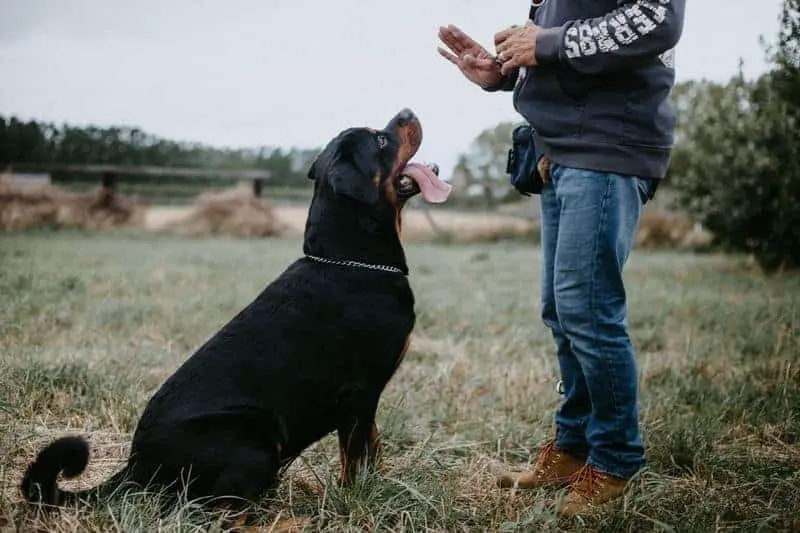
Start young. Bring your puppy to the vet just to say hi, get weighed, and get treats — no needles involved. These “happy visits” build positive associations. Most clinics are happy to accommodate this.
Use calming aids if needed. I’m not talking about heavy sedation, but things like Adaptil pheromone spray on a bandana, or a Thundershirt for anxious dogs. For severe anxiety, talk to your vet about pre-visit medication — a mild sedative like trazodone or gabapentin taken an hour before can make the difference between a traumatic visit and a manageable one.
Stay calm yourself. Dogs read our energy like a book. If you’re tense and apologetic, your dog picks up on it. Be matter-of-fact. Cheerful, even. Pepper responds way better when I act like nothing unusual is happening.
Choose your vet wisely. Not every vet is the right fit for every dog. I switched vets twice before finding one who was genuinely patient with Benny’s nervousness. A Fear Free certified practice can be worth seeking out — they’re trained specifically in low-stress handling techniques.
Frequently Asked Questions
How often should puppies go to the vet?
Puppies need visits every 3–4 weeks from about 8 weeks old until they’re 16 weeks, primarily for their vaccination series. After that, a visit around 6 months (often for spay/neuter) and then at 1 year. That first year is appointment-heavy, but it sets the foundation for everything after.
Do I really need to take my healthy adult dog to the vet every year?
Yes. I know it’s tempting to skip when your dog seems perfectly fine, but so many conditions — from dental disease to organ dysfunction to early-stage cancers — show zero outward symptoms until they’re advanced. Annual checkups catch problems when they’re cheap and treatable, not expensive and advanced. Think of it like your own annual physical, except your dog can’t tell you when something feels off.
What should I ask the vet during a checkup?
Don’t just sit there while the vet does their thing. Ask about your dog’s weight trend, dental health, whether their diet is appropriate, any breed-specific screening they’d recommend, and when the next vaccines are actually due (not all need to be annual). Also ask about parasite prevention — the right heartworm and flea/tick protocol depends on where you live.
Can I do anything between checkups to monitor my dog’s health?
Absolutely. Run your hands over your dog weekly to feel for new lumps. Check their teeth and gums. Monitor their water intake — a sudden increase can signal diabetes or kidney issues. Weigh them monthly if you can (most vet offices let you pop in and use their scale for free). And keep notes on anything that seems different, even if it’s subtle.
At what age is a dog considered senior?
It depends on size. Small breeds (under 20 lbs) aren’t typically considered senior until 10–12 years. Medium breeds hit senior status around 8–10. Large breeds at 7–8. And giant breeds like Great Danes or Mastiffs? They’re senior by 5–6. Once your dog crosses into senior territory, switch to twice-yearly vet visits. The earlier you catch age-related changes, the more options you have.
The Bottom Line
I’ve spent more time in vet waiting rooms than I care to admit over the past fifteen years. Some visits were routine and uneventful. Others literally saved my dogs’ lives. The thing is, you never know which one it’s going to be until you’re there.
A dog vet checkup isn’t just a box to tick off — it’s the single most effective thing you can do to keep your dog healthy long-term. Keep up with the schedule, come prepared with questions, and don’t skip visits just because your dog looks fine. They’re very good at looking fine.
And if cost or anxiety is holding you back, there are real solutions for both. Your dog is counting on you to figure it out. They’re worth it.
Featured Image Source: Pexels