
Why Regular Walks Matter More Than You Think
Walking your dog isn’t just a bathroom break — it’s the single most important thing you do for their physical and mental wellbeing every day. As a certified dog fitness specialist, I’ve seen firsthand how a consistent walking routine transforms dogs from anxious, destructive couch potatoes into calm, confident companions. Let’s break down exactly what your dog needs and how to deliver it.
Physical Health Benefits
Regular walks keep your dog’s cardiovascular system strong, maintain healthy joint mobility, and prevent the obesity that plagues over 50% of domestic dogs. Walking builds lean muscle, supports digestion, and helps regulate blood sugar — especially critical for breeds prone to diabetes. Dogs who walk consistently also have stronger immune systems and fewer veterinary visits overall.
Mental Stimulation and Behavior
A walk is a sensory buffet for your dog. Every fire hydrant, blade of grass, and passing squirrel provides mental enrichment that no toy can replicate. Dogs who get adequate walking time are dramatically less likely to develop destructive behaviors like chewing furniture, excessive barking, or digging. The mental fatigue from processing new scents and environments is just as tiring as the physical exercise itself.
The Bonding Factor
Walking together strengthens the relationship between you and your dog in ways that simply coexisting in a house cannot. You’re working as a team, navigating the world together, and building trust with every outing. Dogs who walk regularly with their owners show higher levels of oxytocin — the bonding hormone — and are more responsive to training cues across the board.
How Much Exercise Does Your Dog Actually Need?
This is the question I get asked most often, and the honest answer is: it depends entirely on your dog. Breed, size, age, and individual health all play a role. Use this table as a starting framework, then adjust based on your dog’s signals.
| Size/Breed Group | Daily Walk Time | Recommended Distance | Ideal Sessions Per Day |
|---|---|---|---|
| Toy Breeds (Chihuahua, Yorkie, Pomeranian) | 20–30 minutes | 0.5–1 mile | 1–2 shorter walks |
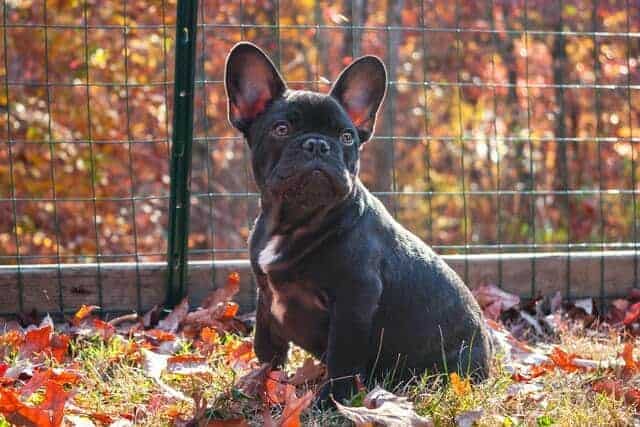
| Small Breeds (Beagle, Corgi, French Bulldog) | 30–45 minutes | 1–2 miles | 2 walks |
| Medium Breeds (Border Collie, Springer Spaniel, Aussie) | 45–75 minutes | 2–4 miles | 2–3 walks |
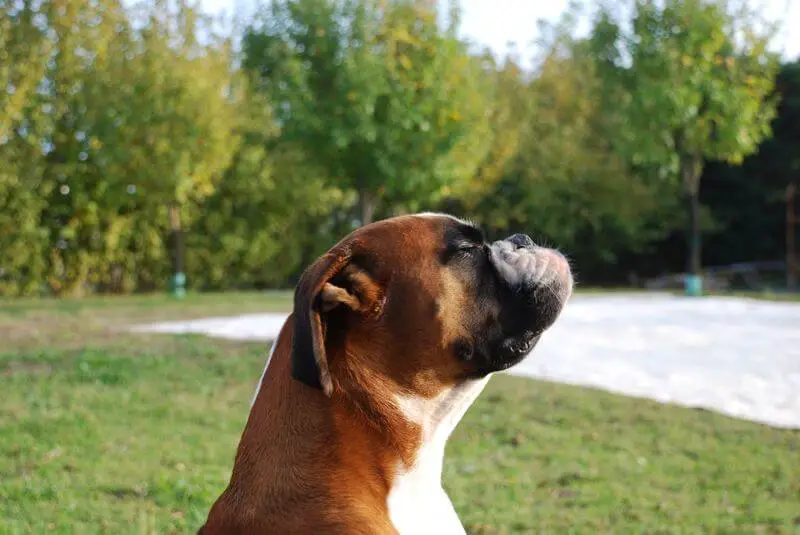
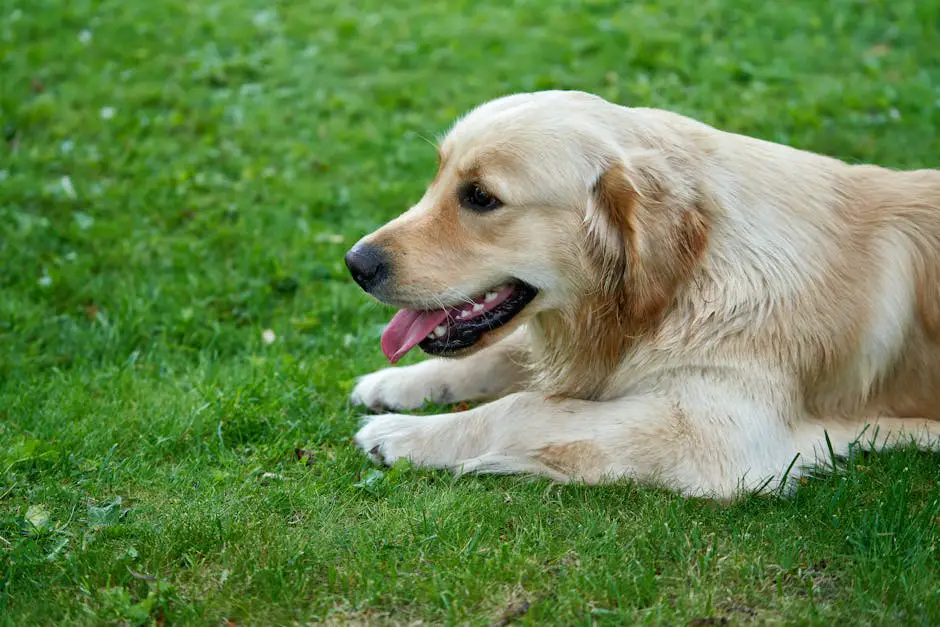
| Large Breeds (Labrador, Golden Retriever, Boxer) | 60–90 minutes | 3–5 miles | 2–3 walks |
| Giant Breeds (Great Dane, Mastiff, Saint Bernard) | 30–45 minutes | 1–2 miles | 2 moderate walks |
| Working/Sporting Breeds (Husky, Vizsla, Weimaraner) | 90–120+ minutes | 4–8 miles | 2–3 walks + activity |
| Brachycephalic Breeds (Pug, Bulldog, Shih Tzu) | 20–30 minutes | 0.5–1 mile | 2–3 short walks |
A critical note on giant breeds: Despite their size, giants like Great Danes and Mastiffs are not endurance athletes. Their joints carry enormous weight, and over-walking can accelerate hip and elbow issues. Keep their walks moderate and steady.
Brachycephalic breeds deserve special attention. Flat-faced dogs overheat quickly and struggle to breathe efficiently during exertion. Multiple short walks in cool conditions are far safer than one long outing. Watch for excessive panting, blue-tinged gums, or stumbling — these are emergency signs.
Walking Frequency by Age: Puppies, Adults, and Seniors
Puppies (Under 12 Months)
The old rule of thumb still holds up well: five minutes of walking per month of age, twice a day. A four-month-old puppy gets two 20-minute walks. This isn’t arbitrary — puppy growth plates haven’t closed yet, and excessive impact on developing joints can cause permanent damage. Focus on short, positive experiences with plenty of sniffing rather than covering distance. Socialization during walks matters far more than mileage at this stage.
Adult Dogs (1–7 Years)
Healthy adult dogs should walk at minimum twice daily, with the total time matching the breed guidelines above. Three walks per day is ideal for most dogs — a shorter morning walk, a longer midday or afternoon walk, and an evening cooldown. Consistency matters more than intensity. A dog who walks 45 minutes every single day will be healthier and happier than one who gets a two-hour hike on weekends and nothing in between.
Senior Dogs (7+ Years)
Older dogs still need daily walks — sometimes more than you’d expect. Stopping walks entirely leads to rapid muscle loss, stiff joints, and cognitive decline. Instead of cutting walks out, shorten the distance and slow the pace. Two to three gentle 15–20 minute walks often work better than one longer session. Pay close attention to how your dog moves during and after walks. Limping, reluctance to continue, or excessive stiffness the next morning means you need to dial back. Talk to your vet about joint supplements and whether anti-inflammatory medication might help keep your senior dog mobile.
Signs You’re Over-Exercising Your Dog
More is not always better. Watch for these warning signals that your dog is getting too much:
- Lagging behind or refusing to continue — your dog is telling you they’ve had enough
- Excessive panting that doesn’t resolve within 10–15 minutes of rest
- Limping during or after walks — this is never normal and needs veterinary attention
- Worn or bleeding paw pads — especially on hot pavement or rough terrain
- Sleeping excessively for more than a day after a walk
- Stiffness or difficulty rising the morning after exercise
- Swollen joints — a sign of inflammation from overuse
Signs Your Dog Needs More Exercise
Under-exercised dogs broadcast their frustration clearly:
- Destructive chewing on furniture, shoes, or household items
- Excessive barking or whining without an obvious trigger
- Hyperactivity and inability to settle in the house
- Weight gain — if you can’t easily feel your dog’s ribs, they need more movement
- Attention-seeking behaviors like nudging, pawing, or jumping
- Restlessness at night — pacing, changing positions, or inability to sleep through
- Pulling aggressively on leash because they’re desperate to burn energy
Walking in Different Weather Conditions
Hot Weather and the Pavement Test
Before every summer walk, perform the seven-second pavement test: place the back of your hand flat on the asphalt and hold it there for seven seconds. If it’s too hot for your hand, it’s too hot for your dog’s paws. Pavement can reach 60°C (140°F) on a 30°C (85°F) day — hot enough to cause burns in under a minute.
Walk early in the morning or after sunset during summer. Bring water for both of you. Stick to grassy or shaded routes. If your dog is panting heavily, drooling excessively, or seems disoriented, get them into shade and cool water immediately — heatstroke kills dogs every year and progresses faster than most owners realize.
Cold Weather Limits
Most dogs handle cold better than heat, but there are limits. Small dogs, thin-coated breeds, and seniors feel the cold quickly. Below 0°C (32°F), limit walks to 15–20 minutes for vulnerable dogs. Below -10°C (14°F), even cold-hardy breeds should have shorter outings. Watch for lifting paws off the ground, shivering, or reluctance to move — all signs your dog is too cold. Booties and insulated coats aren’t fashion accessories for small breeds; they’re genuine protection.
Road salt and de-icing chemicals irritate paw pads and are toxic if licked. Rinse your dog’s paws after every winter walk or use paw wax as a protective barrier.
Rainy Day Walks
Rain won’t hurt your dog. Most dogs who “hate” rain simply haven’t been exposed to it positively. A waterproof jacket keeps your dog more comfortable, and a quick towel-down at the door prevents that wet-dog smell from taking over your house. Rainy walks are actually excellent for mental stimulation — wet conditions amplify scents, giving your dog’s nose an even richer experience.
Loose Leash Walking: The Basics
Pulling on the leash is the number one walking complaint I hear from dog owners, and it’s almost always a training issue rather than a dog issue. Here’s the foundation of loose leash walking:
- Stop when they pull. The moment the leash goes tight, become a tree. Don’t move forward until the leash has slack. Your dog learns that pulling gets them nowhere.
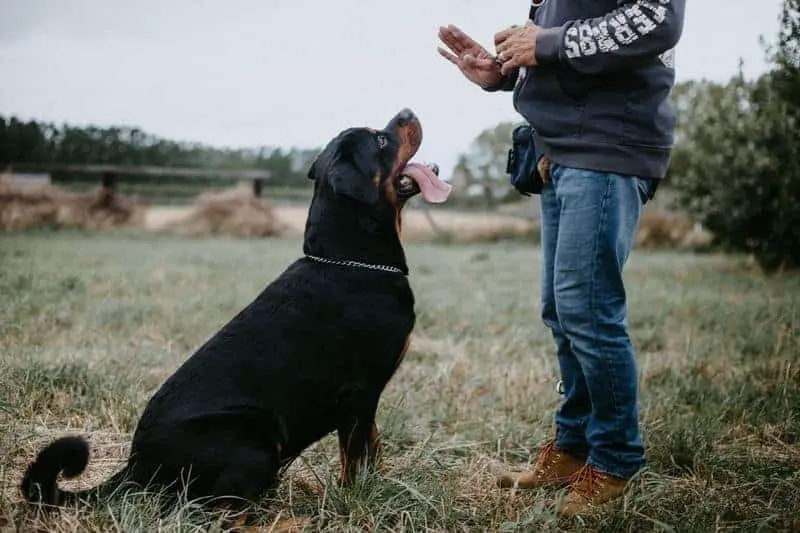
- Reward the position you want. When your dog is walking beside you with a loose leash, mark that behavior with a treat or verbal praise. Make staying near you more rewarding than lunging ahead.
- Change direction unpredictably. When your dog surges forward, turn and walk the opposite way. This teaches them to pay attention to where you’re going rather than dragging you where they want to go.
- Be patient and consistent. Loose leash walking takes weeks of daily practice to become reliable. Every time you let your dog pull and reach their destination, you undo progress. Consistency is non-negotiable.
- Use a front-clip harness during the training phase. It redirects your dog’s momentum toward you when they pull, making the behavior self-correcting.
Best Walking Gear for You and Your Dog
Harnesses
A well-fitted harness is safer and more comfortable than a collar for most dogs. Front-clip harnesses discourage pulling. Back-clip harnesses offer comfort for dogs who already walk well. Avoid any harness that restricts shoulder movement — your dog’s gait should look natural, not restricted. For brachycephalic breeds, a harness is essential since collar pressure on the neck worsens breathing difficulties.
Leashes
A standard 1.5–1.8 meter (5–6 foot) fixed-length leash gives your dog enough room to explore while keeping you in control. Avoid retractable leashes — they teach dogs that pulling creates more length, they offer zero control in emergencies, and the thin cord can cause serious rope-burn injuries. For training, a longer 3-meter training lead gives more freedom in safe areas without the hazards of retractables.
Other Essentials
- Treat pouch: Clip-on pouches keep training rewards accessible without fumbling through pockets
- Waste bags: Always carry more than you think you’ll need — biodegradable options are better for the environment
- Collapsible water bowl: Essential for walks longer than 30 minutes, especially in warm weather
- Reflective gear or LED collar light: Non-negotiable for evening and early morning walks
- Paw wax: Protects against hot pavement in summer and salt in winter
Safety Tips for Every Walk
Traffic Awareness
Always walk facing oncoming traffic when there’s no sidewalk. Keep your dog on the side away from the road. At crossings, ask your dog to sit and wait before crossing — this builds impulse control and keeps them out of the road if you need to stop suddenly. Avoid looking at your phone while walking near traffic; distracted walking with a dog is a recipe for disaster.
Encounters with Other Dogs
Not every dog wants to say hello, and not every off-leash dog approaching yours is friendly. If an unknown dog approaches, stay calm, keep your leash loose (a tight leash increases your dog’s anxiety), and create distance if possible. Never let your leashed dog greet an off-leash dog — the leash creates an unnatural power imbalance that increases the chance of a negative interaction. If you see a reactive dog approaching, calmly cross the street or change direction before the situation escalates.
Wildlife and Environmental Hazards
Teach a reliable “leave it” command before you need it. Discarded food, dead animals, toxic plants, and wildlife can all pose serious threats. In areas with snakes, stick to clear paths and avoid tall grass. During tick season, check your dog thoroughly after every walk — run your hands over their entire body, paying special attention to ears, armpits, and between toes.
Identification
Your dog should wear a collar with an ID tag that includes your current phone number on every single walk, even if they’re microchipped. Microchips are permanent backup, but a visible tag gets your dog home faster. Make sure the collar fits snugly — you should be able to fit two fingers between the collar and your dog’s neck, but no more.
Alternatives When You Can’t Walk
Bad weather, injuries, illness, or packed schedules sometimes make walks impossible. Your dog still needs stimulation. Here’s how to keep them satisfied indoors:
- Puzzle feeders and snuffle mats: Ditch the food bowl entirely and make your dog work for every meal. Twenty minutes of nose work is mentally equivalent to a moderate walk.
- Indoor training sessions: Teach new tricks, practice obedience, or work on impulse control games like “wait” and “leave it.” Short 10-minute sessions are surprisingly tiring for dogs.
- Treadmill walking: Dog-specific treadmills exist, but many dogs can learn to use a human treadmill with proper introduction. Start slow, never tie the leash to the treadmill, and always supervise.
- Hide and seek: Have someone hold your dog while you hide, then call them. This combines mental problem-solving with physical activity and strengthens recall.
- Tug and structured play: A focused game of tug with rules (drop it on command, no teeth on hands) burns energy and reinforces training simultaneously.
- Chew time: Long-lasting chews like frozen stuffed Kongs provide jaw exercise and mental occupation. A frozen Kong can keep most dogs busy for 30–45 minutes.
These alternatives are supplements, not replacements. Get back to regular walks as soon as circumstances allow — nothing substitutes for the complete sensory experience of exploring the outside world.
Frequently Asked Questions
Can I walk my dog once a day and still keep them healthy?
One walk per day is the absolute minimum for a healthy adult dog, and it’s only sufficient if that walk is long enough to meet your breed’s exercise needs. Most dogs genuinely benefit from two or three shorter walks spread throughout the day. A single walk leaves long stretches of inactivity that can lead to restlessness and behavioral issues, particularly in working and sporting breeds.
Is it okay to let my dog sniff everything during walks?
Not only is it okay — it’s essential. Sniffing is your dog’s primary way of processing the world. Studies show that “sniffy walks” where dogs are allowed to follow their nose lower cortisol levels and reduce anxiety. Dedicate at least a portion of every walk to letting your dog lead with their nose. You can alternate between structured heel walking and free sniffing to balance exercise with enrichment.
Should I walk my dog before or after meals?
Walk before meals or wait at least one hour after eating. This is especially important for deep-chested breeds like German Shepherds, Great Danes, and Dobermans who are susceptible to gastric dilatation-volvulus (bloat) — a life-threatening condition where the stomach twists. Vigorous exercise on a full stomach increases the risk significantly. A light walk before breakfast is ideal for most dogs.
My dog refuses to walk — what should I do?
First, rule out medical causes with a vet visit. Pain, vision problems, and neurological issues can all cause walk refusal. If your dog is healthy, the issue is usually fear or lack of exposure. Start with very short, positive outings — just to the end of the driveway and back with high-value treats. Gradually extend the distance as confidence builds. Never drag a reluctant dog; this only confirms their fear that walks are unpleasant.
How do I know if my dog is getting the right amount of exercise?
A well-exercised dog is calm and settled at home, maintains a healthy weight, sleeps well through the night, and doesn’t exhibit destructive behaviors. They should be pleasantly tired after walks but recover within 30 minutes. If your dog can’t settle even after a long walk, they may be over-stimulated rather than under-exercised — try shorter, calmer walks with more sniffing and less intensity. The goal is a dog who’s content, not one who’s exhausted.
Featured Image Source: Pexels