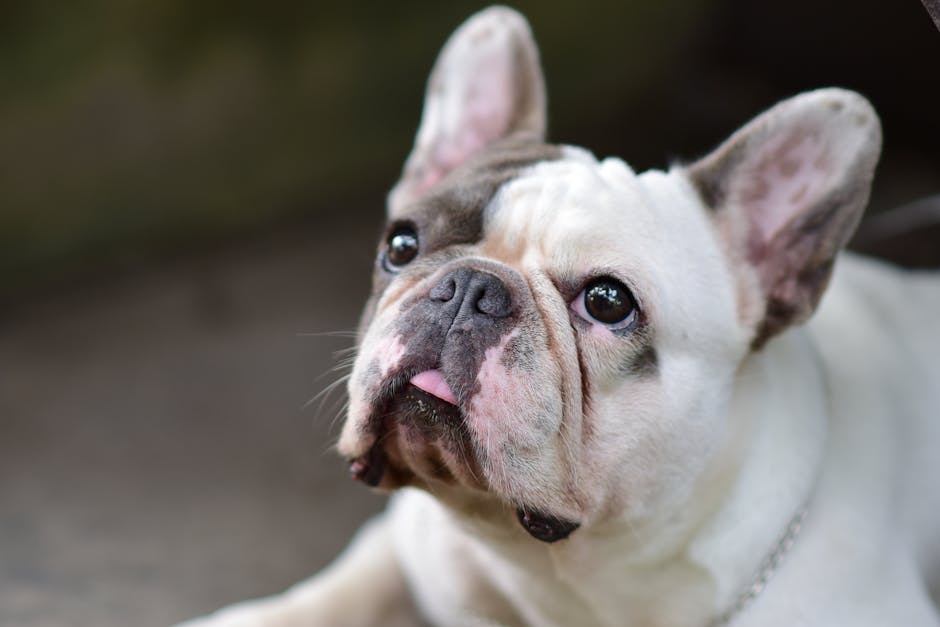

French Bulldog: Quick Facts
| Breed Group | Non-Sporting (AKC) |
| Size | 11–13 inches tall, 16–28 lbs |
| Life Expectancy | 10–12 years |
| Temperament | Affectionate, playful, adaptable, easygoing |
| Exercise Needs | Low to moderate (short walks, limited in heat) |
| Grooming Needs | Low (weekly brushing, regular facial fold cleaning) |
| Good with Kids | Yes — gentle and patient |
| Good with Other Pets | Yes — sociable, rarely aggressive |
French Bulldogs have rocketed to the top of the AKC’s most popular breeds list, and it’s easy to understand why. Those bat ears, that stocky little frame, the clownish personality — Frenchies are irresistible. But behind the adorable squishy face lies a sobering reality: french bulldog breathing problems affect roughly half the breed to some degree, according to research from the Royal Veterinary College.
We’ve spent years working with Frenchie owners, breeders, and veterinary specialists, and if there’s one thing we want every prospective and current owner to understand, it’s this: the flat face that makes French Bulldogs so endearing is the same feature that can compromise their ability to breathe, regulate body temperature, and live comfortably. The good news? With the right knowledge, daily prevention strategies, and early intervention when needed, you can give your Frenchie the best possible quality of life.
This guide covers everything you need to know about french bulldog respiratory care — from understanding why these dogs struggle to breathe, to recognizing warning signs, to making informed decisions about surgery and breeding.
Why French Bulldogs Struggle to Breathe
To understand french bulldog breathing problems, you need to understand what breeders have done to this breed’s skull over the last century. French Bulldogs are brachycephalic, meaning “short-headed.” Their skulls have been selectively compressed to create that flat face, but the soft tissues inside — the palate, tongue, tonsils, and nasal passages — haven’t shrunk to match. Imagine stuffing a standard-sized pillow into a pillowcase two sizes too small. That’s essentially what’s happening inside your Frenchie’s airway.
Brachycephalic Obstructive Airway Syndrome Explained
Frenchie brachycephalic syndrome — formally known as Brachycephalic Obstructive Airway Syndrome (BOAS) — is not a single condition but a combination of anatomical abnormalities that collectively obstruct airflow. Research suggests that approximately 50% of French Bulldogs are affected by BOAS to some degree, with many owners not even realizing their dog’s noisy breathing is abnormal.
BOAS develops because the breed’s shortened skull creates a cascade of problems. The airway is narrower at virtually every point where air needs to flow, from the nostrils right down to the trachea. Over time, the effort required to pull air through these restricted passages can cause secondary changes — the laryngeal tissues can collapse, and the trachea itself may be hypoplastic (abnormally narrow).
In our experience, many owners become so accustomed to their Frenchie’s breathing sounds that they consider constant snorting, snoring, and heavy panting to be “normal for the breed.” While some noise is expected, excessive breathing difficulty is not normal — it’s a medical condition that deserves attention.
Stenotic Nares, Elongated Palate, and Everted Laryngeal Saccules
BOAS typically involves three primary anatomical problems, and most affected French Bulldogs have at least two of them:
- Stenotic nares: The nostrils are abnormally narrow, sometimes appearing as thin slits rather than open circles. This is the first bottleneck in the airway. You can often see this simply by looking at your Frenchie’s nose — if the nostrils barely open when they inhale, they likely have stenotic nares. Around 40–50% of French Bulldogs have moderate to severe narrowing.
- Elongated soft palate: The soft tissue at the back of the mouth extends too far, partially blocking the entrance to the trachea (windpipe). This is the primary cause of that characteristic snoring, gagging, and “reverse sneezing” sound. When a French Bulldog pants or breathes heavily, the elongated palate flaps over the airway opening like a curtain blowing over a window.
- Everted laryngeal saccules: These are small pouches of tissue near the vocal cords that get sucked inward due to the chronic negative pressure created by breathing against the other obstructions. Think of them like blisters caused by the constant effort of pulling air through a restricted space. This is usually a secondary change that develops over months or years of labored breathing.
Some Frenchies also have a hypoplastic trachea — a windpipe that is narrower than normal for their body size. This compounds every other issue and is one reason why some French Bulldogs are more severely affected than others.
Warning Signs Every Frenchie Owner Should Know
Learning to distinguish between normal breed characteristics and genuine respiratory distress is one of the most important skills a Frenchie owner can develop. We recommend all owners familiarize themselves with these signs.
Normal Snoring vs Dangerous Breathing Sounds
Let’s be honest — French Bulldogs are not quiet breathers. Some level of snoring, snuffling, and soft grunting comes with the territory. But there’s a significant difference between mild breed-typical sounds and signs that your Frenchie is struggling.
Generally normal (but worth monitoring):
- Soft snoring during deep sleep
- Occasional snorting when excited or eating quickly
- Brief reverse sneezing episodes (lasting under 30 seconds) that resolve on their own
- Slightly audible breathing during moderate activity
Warning signs that indicate a problem:
- Loud, raspy breathing that’s audible from across the room even at rest
- Breathing that sounds wet, gurgling, or like they’re breathing through a straw
- Frequent gagging, retching, or regurgitation (especially after eating or drinking)
- Snoring so loud it consistently wakes household members
- Noisy breathing that worsens after even short walks
- Visible effort to breathe — exaggerated chest or abdominal movements
- Restless sleep with frequent position changes to find a comfortable breathing position
In our experience, the single most telling indicator is exercise intolerance. If your French Bulldog can’t complete a calm 15-minute walk without stopping to catch their breath, or if they take more than 5–10 minutes to recover from mild activity, their airway is significantly compromised.
When to Rush to the Emergency Vet
Certain breathing situations in French Bulldogs are genuine emergencies. Don’t wait — head to the vet immediately if you observe:
- Blue or purple tongue/gums (cyanosis): This means your dog is not getting enough oxygen. This is a life-threatening emergency.
- Complete collapse or loss of consciousness after exertion or during hot weather.
- Extreme respiratory distress: Wide stance, elbows out, neck extended, open-mouth breathing with visible panic.
- Prolonged episodes of choking or gagging where your Frenchie cannot clear the obstruction.
- Body temperature above 104°F (40°C): This indicates heatstroke, which can be fatal within minutes in brachycephalic breeds. If you don’t have a thermometer, watch for excessive drooling, bright red gums, vomiting, staggering, or glazed eyes.
Important: Do french bulldogs overheat easily? Absolutely — and dangerously so. Unlike most dogs that can cool themselves efficiently through panting, Frenchies’ compromised airways make panting far less effective. Heatstroke can develop in as little as 10–15 minutes on a hot day. This is exactly why most major airlines have banned French Bulldogs and other brachycephalic breeds from flying in cargo holds — the combination of stress, temperature fluctuations, and restricted breathing has proven fatal too many times.
Daily Prevention Strategies
While you can’t change your Frenchie’s anatomy (short of surgery), daily management makes an enormous difference in their comfort and safety. We consider these non-negotiable for responsible French Bulldog ownership.
Temperature and Humidity Management
Temperature control is arguably the most critical aspect of french bulldog respiratory care. Here are the specific thresholds we recommend:
- Comfortable range: 65–75°F (18–24°C) with moderate humidity (30–50%)
- Caution zone: 76–80°F (24–27°C) — limit outdoor time, ensure shade and water access
- Danger zone: Above 80°F (27°C) — minimize outdoor exposure to bathroom breaks only
- Extreme danger: Above 85°F (29°C) with high humidity — keep your Frenchie indoors in air conditioning
Humidity amplifies the risk significantly. A dry 82°F day is more manageable than a humid 78°F day because evaporative cooling (what little panting provides) becomes less effective in humid conditions. We recommend keeping indoor humidity between 30–50%.
Practical cooling strategies:
- Always have air conditioning or at minimum strong fans available during warm months
- Keep a cooling mat in your Frenchie’s favorite resting spot
- Freeze a damp towel and drape it over your dog when coming inside from heat
- Carry a portable water bottle and collapsible bowl on every outing
- Walk on grass rather than pavement (asphalt can be 40–60°F hotter than air temperature)
- Never, ever leave your Frenchie in a parked car — not even for two minutes, not even with windows cracked
Exercise Limits and Safe Activity Guidelines
French Bulldogs need exercise for their physical and mental health, but their respiratory limitations require a thoughtful approach:
- Duration: Limit walks to 15–20 minutes in cool weather, 10 minutes or less in warm weather
- Intensity: Keep the pace slow to moderate. If your Frenchie starts breathing heavily, stop and rest immediately
- Timing: In warm months, exercise only during early morning (before 8 AM) or evening (after 7 PM) when temperatures are lowest
- Recovery: A healthy Frenchie should recover normal breathing within 5 minutes of stopping activity. If recovery regularly takes longer, consult your vet
- Swimming: Most French Bulldogs cannot swim — their heavy front end and short legs make them sink. Never leave a Frenchie near water unsupervised. If you introduce a wading pool, ensure the water is belly-deep at most
Mental stimulation is a great alternative to physical exercise. Puzzle feeders, snuffle mats, short training sessions, and food-dispensing toys provide enrichment without the respiratory strain of vigorous activity.
Weight Management for Better Breathing
This is one area where owners have significant control over their Frenchie’s breathing quality. Even 2–3 extra pounds on a French Bulldog can meaningfully worsen breathing problems. Excess weight means extra tissue around the throat and chest, increasing airway compression and making every breath harder.
- Ideal weight range: Males 20–28 lbs, females 16–24 lbs (varies by frame size — your vet can assess your dog’s body condition score)
- Body condition check: You should be able to feel your Frenchie’s ribs with light pressure. If you have to press firmly through a layer of fat, your dog is overweight
- Feeding guidelines: Most adult French Bulldogs do well on ¾ to 1½ cups of high-quality food per day, split into two meals. Avoid free-feeding
- Treat calories matter: Treats should make up no more than 10% of daily caloric intake. Use small, low-calorie training treats rather than biscuits or dental chews for rewards
We recommend weighing your Frenchie monthly and tracking the trend. A gradual upward creep of even half a pound per month means 6 pounds gained in a year — a significant percentage of their body weight. Talk to your vet about a target weight and calorie plan, especially if your dog has been diagnosed with BOAS.
Harness vs Collar: Why It Matters for Frenchies
This might seem like a small detail, but it’s one of the simplest changes you can make to protect your French Bulldog’s airway: always use a harness, never a collar, for leash walks.
A traditional collar puts direct pressure on the trachea and throat — exactly where your Frenchie’s airway is already compromised. Even gentle leash tension from a collar can compress an already narrow trachea and make breathing more difficult. For a dog that’s already pulling air through restricted passages, any additional external pressure is risky.
We recommend a Y-shaped or front-clip harness that distributes pressure across the chest and shoulders rather than the neck. Look for:
- A front chest attachment point to discourage pulling without choking
- Breathable, padded material around the chest strap (mesh lining helps with heat dissipation)
- Adjustable straps that allow a snug but not tight fit — you should be able to slide two fingers under any strap
- No strap across or near the throat — the neckline should sit above the chest, not on the windpipe
For identification and tags, keep a lightweight flat collar on your Frenchie at home, but always clip the leash to the harness. This simple switch can reduce breathing strain during walks by as much as 40–60% compared to collar attachment.
Surgical Options for Severe Cases
When daily management isn’t enough to keep your Frenchie comfortable, surgery can be genuinely life-changing. We’ve seen dogs go from struggling through basic walks to breathing quietly and playing freely after successful BOAS correction.
BOAS Surgery Success Rates and Recovery
BOAS surgery typically addresses one or more of the anatomical problems simultaneously:
- Widening stenotic nares (rhinoplasty): The surgeon removes a wedge of tissue from each nostril to open the nasal passages. This is the simplest procedure and often the first recommended.
- Soft palate resection (staphylectomy): The excess length of the soft palate is trimmed to stop it from blocking the airway. This is the most impactful procedure for dogs with severe snoring, gagging, and exercise intolerance.
- Removal of everted laryngeal saccules: If secondary collapse has occurred, these tissue pouches are trimmed to clear the airway opening.
The numbers are encouraging: surgery success rates exceed 90% when performed early, before chronic changes like laryngeal collapse become advanced. Studies show that dogs operated on before age two tend to have the best outcomes, though older dogs still benefit significantly.
Most Frenchies go home within 24–48 hours of surgery. The first two weeks of recovery require close monitoring — some swelling is expected, and your dog will need to eat soft food and avoid excitement or exertion. Full recovery typically takes 2–4 weeks, and most owners report noticeable improvement in breathing within the first week.
Key point: Earlier is better. The longer a dog breathes against severe obstruction, the more secondary changes develop. What starts as a palate issue can progress to laryngeal collapse, which is much harder to treat surgically. If your vet recommends BOAS surgery, we strongly encourage not delaying.
Cost and What to Expect
Understanding the financial commitment helps you plan ahead — and is another reason we advocate for pet insurance for every French Bulldog:
- Initial consultation with a specialist: $200–$500 (many cases need referral to a veterinary surgeon or soft-tissue specialist)
- Nares widening only: $500–$1,500
- Soft palate resection only: $1,500–$3,500
- Combined BOAS surgery (nares + palate + saccules): $2,500–$6,000 depending on severity, location, and surgeon
- Post-operative care and follow-ups: $200–$500
Total costs for comprehensive BOAS correction typically fall in the $3,000–$7,000 range. In major metropolitan areas or at university veterinary hospitals, costs can run higher.
Pet insurance note: Many pet insurance plans cover BOAS surgery if the dog was enrolled before symptoms appeared. Given that approximately 50% of French Bulldogs develop BOAS to some degree, we strongly recommend enrolling your Frenchie in a comprehensive pet insurance plan as a puppy — ideally within the first few weeks of bringing them home. Monthly premiums for French Bulldogs typically run $50–$90, which can save you thousands if surgery becomes necessary. Look for plans that specifically don’t exclude brachycephalic conditions, as some budget policies do.
Choosing a Breeder Who Prioritizes Respiratory Health
If you haven’t yet brought your Frenchie home, this section could save you years of worry and thousands in veterinary bills. Not all French Bulldogs are equally affected by breathing problems, and breeding choices play a massive role.
Green flags in a breeder:
- BOAS grading on breeding stock: Responsible breeders in the UK and increasingly in North America have their breeding dogs assessed using the Cambridge BOAS grading scheme or equivalent. Dogs are scored 0 (unaffected) through 3 (severely affected). Only grade 0 and 1 dogs should be bred.
- Moderate facial structure: Look for breeders producing Frenchies with slightly longer muzzles and visibly open nostrils. The trend toward extreme flat faces is the root cause of BOAS severity increasing over time.
- Health testing records: Beyond BOAS, responsible breeders test for patellar luxation, hip dysplasia, hereditary cataracts, and degenerative myelopathy. They should freely share these results.
- Exercise tolerance of parents: Ask whether the parent dogs can walk 20–30 minutes comfortably and breathe quietly at rest. If the breeder’s own dogs have had BOAS surgery, that’s a concern.
- Willingness to discuss health challenges: A good breeder acknowledges the breed’s respiratory vulnerabilities rather than dismissing them as “just the way Frenchies are.”
Red flags to avoid:
- Breeders who advertise “rare colors” (blue, lilac, merle, chocolate) without mentioning health testing — color breeding often prioritizes appearance over health
- Extremely flat-faced puppies marketed as “exotic” or “micro”
- No health guarantees or contracts
- Multiple litters available simultaneously or year-round availability
- Refusal to let you meet the parent dogs or visit the breeding facility
Expect to pay $2,500–$5,000 for a well-bred French Bulldog from a health-conscious breeder. While this is significant, it’s often less than the combined cost of BOAS surgery and ongoing veterinary care for a poorly bred dog with severe respiratory problems. In our experience, the upfront investment in a health-tested puppy almost always pays for itself.
FAQ
How do I know if my French Bulldog’s breathing is normal or a sign of BOAS?
Some level of snoring and snuffling is typical for French Bulldogs, but there are clear lines. If your Frenchie breathes loudly at rest (audible from several feet away), cannot complete a 15-minute walk without stopping to catch their breath, frequently gags or regurgitates, or sleeps restlessly while constantly changing positions, these are signs of significant BOAS. A veterinarian experienced with brachycephalic breeds can perform an assessment — often involving an exercise tolerance test and upper airway examination — to determine the severity.
What are the best french bulldog snoring remedies?
For mild snoring, several management strategies can help. Keeping your Frenchie at an ideal weight reduces tissue pressure on the airway. Elevating their head slightly during sleep (a raised bed or pillow) can improve airflow. Running a humidifier in dry environments keeps nasal passages moist. Ensuring your home stays at 65–75°F prevents heat-related airway swelling. Cleaning facial folds daily prevents infections that can cause additional swelling near the nose. However, if snoring is severe enough to wake household members or if it’s accompanied by breathing pauses, choking, or gagging, these are signs that your Frenchie needs veterinary evaluation rather than home remedies.
Do french bulldogs overheat easily, and at what temperature should I worry?
Yes — French Bulldogs are one of the most heat-sensitive dog breeds. Because their compromised airways make panting inefficient, they cannot cool themselves the way longer-muzzled breeds can. Start taking precautions at 76°F (24°C), limit outdoor time significantly above 80°F (27°C), and keep your Frenchie indoors in air conditioning above 85°F (29°C), especially in humid conditions. Heatstroke can develop in as little as 10–15 minutes during strenuous activity in warm weather. Always carry water on walks, stick to shaded routes, and walk only during the coolest parts of the day in summer months.
How much does French Bulldog BOAS surgery cost?
The cost varies depending on which procedures are needed and your location. Nares widening alone runs $500–$1,500. Soft palate resection costs $1,500–$3,500. A comprehensive BOAS correction addressing nares, palate, and everted saccules typically costs $2,500–$6,000, plus $200–$500 for post-operative follow-ups. Total costs of $3,000–$7,000 are common. Pet insurance can cover a substantial portion if your dog was enrolled before symptoms developed. With success rates above 90% when performed early, many owners and veterinary specialists consider it one of the most worthwhile surgeries in veterinary medicine.
At what age should BOAS surgery be done?
Most veterinary surgeons recommend BOAS correction between 1 and 2 years of age if the dog is significantly affected. By this age, the anatomy is fully developed, and surgery can be planned accurately. However, waiting too long increases the risk of secondary changes like laryngeal collapse, which is harder to reverse. In severe cases — puppies struggling to eat, exercise, or sleep — nares widening can be performed as early as 4–6 months, sometimes combined with spay or neuter surgery to minimize anesthesia events. The key takeaway: if your vet identifies moderate to severe BOAS, don’t delay consultation with a surgical specialist.
Can French Bulldogs fly on airplanes?
Most major airlines have banned French Bulldogs and other brachycephalic breeds from traveling in cargo holds due to an unacceptably high rate of in-flight deaths — the combination of altitude pressure, temperature fluctuations, stress, and restricted breathing proved fatal too often. Some airlines allow small Frenchies in cabin under the seat in an approved carrier, but this varies by airline and route. Even in-cabin travel carries risks — the recycled air, lower cabin pressure, and stress can trigger respiratory episodes. If you must fly with your Frenchie, consult your veterinarian first, travel in the cabin only, choose direct flights, and avoid summer travel. Many Frenchie owners opt for driving for longer trips or use pet transport services with climate-controlled ground vehicles.
Should I get pet insurance for my French Bulldog?
We strongly recommend it. French Bulldogs are one of the most expensive breeds to insure, with premiums typically running $50–$90 per month, but the potential payoff is enormous. Between BOAS surgery ($3,000–$7,000), spinal issues (French Bulldogs are prone to IVDD), allergies, eye problems, and other breed-specific conditions, lifetime veterinary costs for a Frenchie can easily exceed $20,000–$30,000. Enroll as early as possible — ideally as a puppy before any symptoms develop — because pre-existing conditions are excluded by most policies. Look specifically for plans that do not exclude brachycephalic-related conditions and that offer unlimited annual coverage.
Featured Image Source: Pexels