

How to Socialize a Puppy: Everything You Need to Know
Bringing home a new puppy is one of life’s greatest joys — and one of its biggest responsibilities. If there’s a single thing you can do during your puppy’s first few months that will shape their entire future, it’s socialization. A well-socialized puppy grows into a confident, relaxed, and adaptable adult dog. A poorly socialized one? That’s the dog who lunges at strangers, trembles during thunderstorms, or can’t handle a routine vet visit without a muzzle.
I’ve been training puppies for over fifteen years, and I can tell you with absolute certainty: how you socialize a puppy matters more than any obedience command you’ll ever teach. Sit and stay are easy to learn later. Confidence and emotional resilience? Those have a deadline.
This guide walks you through exactly how to socialize a puppy — step by step, week by week — so your dog grows up ready for anything life throws their way.
What Puppy Socialization Actually Means
Here’s the most common misconception I encounter: people think socialization means letting their puppy play with other dogs. That’s a tiny fraction of the picture.
Socialization is the process of exposing your puppy to a wide range of experiences — people, animals, environments, sounds, surfaces, objects, and handling — in a way that creates positive or neutral associations. The goal isn’t just exposure. It’s quality exposure that teaches your puppy the world is safe and interesting, not scary.
True socialization includes:
- People — men, women, children, people in hats, uniforms, wheelchairs, and sunglasses
- Animals — other dogs of various sizes, cats, livestock, wildlife at a distance
- Environments — urban streets, parks, parking lots, pet stores, cafes, the vet’s office
- Sounds — traffic, fireworks, thunder, vacuum cleaners, doorbells, babies crying
- Surfaces — grass, gravel, metal grates, tile, sand, wet pavement, wobbly boards
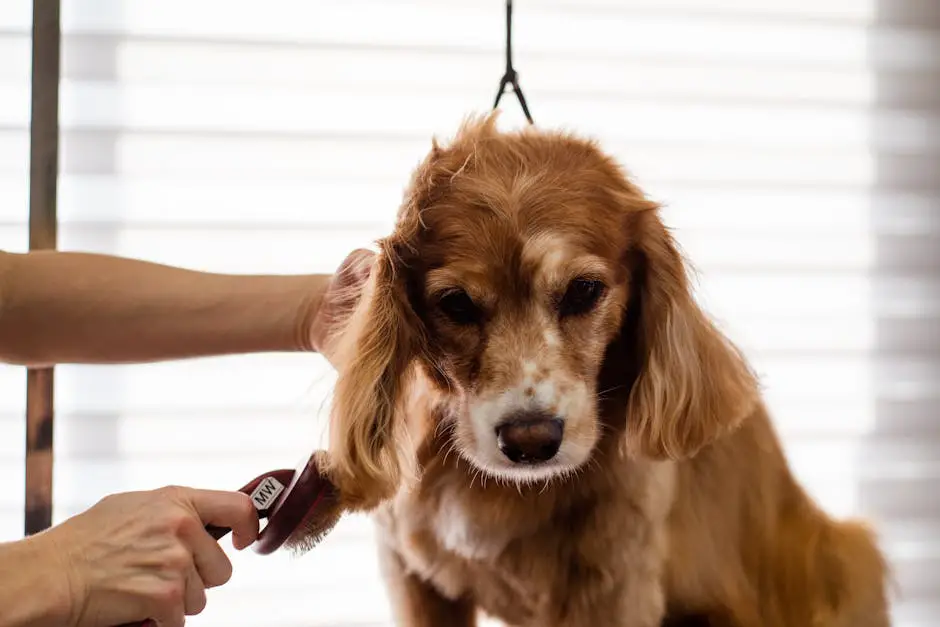
- Handling — having ears checked, paws touched, nails trimmed, being lifted, restrained gently
When I say socialization, I mean all of this — not just a trip to the dog park.
The Critical Socialization Window: Weeks 3 Through 14
Puppies go through a critical socialization period between roughly 3 and 14 weeks of age. During this window, their brains are wired to absorb new experiences and file them as “normal.” After this window starts closing, unfamiliar things increasingly trigger suspicion or fear rather than curiosity.
This doesn’t mean your puppy becomes unsociable after 14 weeks. It means the ease and speed at which they accept new experiences drops dramatically. Think of it like learning a language — children pick up fluency effortlessly, while adults have to work much harder for the same result.
Here’s what happens during the key developmental stages:
- Weeks 3–5: Puppies begin interacting with littermates and mother. This is where they learn basic canine communication. This period happens with the breeder.
- Weeks 5–7: Curiosity peaks. Puppies approach new things willingly. Still typically with the breeder.
- Weeks 8–10: Most puppies come home. This is your prime socialization launch window. Fear responses start developing but are still manageable.
- Weeks 10–12: A natural “fear period” often occurs. Handle with care — a single bad experience can leave a lasting impression.
- Weeks 12–14: The socialization window begins narrowing. Continue exposures but watch for stress signals.
The takeaway: You have a narrow window, and every single day counts. But quality always beats quantity — ten calm, positive exposures outweigh a hundred overwhelming ones.
Week-by-Week Puppy Socialization Plan
Here’s a structured plan you can follow from the day your puppy comes home. Adjust based on your puppy’s vaccination schedule — consult your vet about what’s safe before your pup is fully vaccinated.
Weeks 8–9: Home Base and Family
Your puppy just left everything they knew. Focus on building trust and introducing your household calmly.
- Let your puppy explore each room of the house at their own pace
- Introduce all household members one at a time — no crowding
- Play recordings of common sounds at low volume (thunder, traffic, doorbells)
- Handle paws, ears, mouth, and tail gently during quiet moments
- Carry your puppy outside to observe the street, neighbors, and passing cars
- Introduce different floor surfaces: tile, carpet, hardwood, a towel, a plastic bag laid flat
Weeks 10–11: Expanding the Circle (Carefully)
This often coincides with a fear period. Keep experiences positive and don’t force anything.
- Invite 2–3 calm visitors to meet your puppy, one at a time
- Carry your puppy to a pet-friendly store for brief visits (carry them if not fully vaccinated)
- Introduce a crate, playpen, and car rides
- Practice gentle restraint exercises (pretend vet exams)
- Expose to household appliances: vacuum, blender, washing machine — from a distance first
- Let your puppy meet a well-vaccinated, calm adult dog in a controlled setting
Weeks 12–14: Broadening the World
Vaccination status permitting, start introducing more varied environments.
- Short walks in low-traffic areas
- Visit the vet’s office for a “happy visit” — treats, no procedures
- Encounter people wearing hats, sunglasses, backpacks, high-visibility vests
- Experience different surfaces: gravel, sand, metal grates, wet grass
- Observe children playing (at a distance if your puppy seems unsure)
- Enroll in a puppy socialization class
Weeks 14–16: Reinforcement and Confidence Building
The critical window is closing, but the work isn’t done. Continue building on foundations.
- Visit busier environments — outdoor markets, café patios, busier parks
- Practice calm behavior around other dogs on leash
- Introduce umbrellas, strollers, bicycles, skateboards
- Increase handling intensity — brush teeth, trim a single nail, clean ears
- Arrange supervised play sessions with puppies of similar size and energy
Weekly Socialization Checklist
Use this table to track your puppy’s progress. Aim to check off each category every week, even if it’s just a brief, calm exposure.
| Category | Week 8–9 | Week 10–11 | Week 12–13 | Week 14–16 |
|---|---|---|---|---|
| New People | Family members, 1–2 visitors | 3–5 new people, different ages | People with hats, uniforms, beards | Crowds at a distance, delivery people |
| Other Animals | Observe from window/yard | 1 calm vaccinated dog | Puppy class dogs, cats if possible | Multiple dogs, varied breeds and sizes |
| Environments | Every room in the house, garden | Pet store (carried), car rides | Quiet streets, vet office, friend’s house | Café patios, parks, busier areas |
| Sounds | Household appliances (low volume) | Sound recordings, doorbell, phone | Traffic, construction at a distance | Firework recordings, live music at distance |
| Surfaces | Carpet, tile, towel, plastic | Grass, concrete, wobble board | Gravel, sand, metal grate, wet ground | Stairs, bridges, uneven terrain |
| Handling | Paws, ears, mouth, gentle hold | Brush, pretend nail trim, belly exam | Tooth brushing, ear cleaning practice | Full mock vet exam, grooming tools |
Creating Positive Associations
Exposure alone isn’t enough. If your puppy has a frightening experience during socialization, you’ve done more harm than good. The secret to effective socialization is pairing every new experience with something your puppy loves.
Here’s the formula I teach every client:
- Introduce the new thing at a distance or low intensity — don’t shove your puppy toward a stranger or blast the vacuum in their face
- Feed high-value treats while the stimulus is present — real chicken, cheese, or freeze-dried liver work brilliantly
- Let your puppy choose to approach — never drag, push, or force them toward something they’re unsure about
- Keep sessions short — 5 to 10 minutes of calm, positive exposure beats an hour of overwhelming stimulation
- End on a high note — if your puppy starts showing stress signals, increase distance or remove the stimulus and try again later
The goal is for your puppy to think: “When I see something new, good things happen.” That association is what builds a confident adult dog.
Socialization Dos and Don’ts
Do:
- Start immediately when your puppy comes home — every day matters
- Go at your puppy’s pace — watch their body language and respect their comfort level
- Use high-value treats to pair new experiences with positive outcomes
- Vary your exposures — don’t just repeat the same walk to the same park
- Include handling exercises daily — this pays off enormously at the vet and groomer
- Keep a log — track what your puppy has been exposed to so you can identify gaps
- Make it a family effort — everyone in the household should participate
Don’t:
- Force interactions — holding your puppy in place while a stranger pets them teaches them they can’t escape, which builds anxiety
- Flood your puppy — taking an 8-week-old to a busy street festival is a recipe for fear, not confidence
- Ignore fear signals — whale eyes, tucked tail, lip licking, yawning, freezing, and hiding are all signs your puppy needs space
- Skip socialization because of vaccines — carry your puppy to safe environments; the risk of behavioral problems from poor socialization is far greater than the infection risk from a controlled outing
- Rely solely on dog parks — uncontrolled environments with unknown dogs can create negative experiences fast
- Use punishment — scolding a puppy for being scared makes the fear worse, not better
Puppy Classes vs. DIY Socialization
I’m a strong advocate for puppy socialization classes, but they aren’t a magic solution on their own.
Benefits of Puppy Classes
- Controlled, supervised environment with size-matched playgroups
- Expert guidance from a professional trainer who can read body language
- Structured exposure to other puppies, people, and novel objects
- Accountability and a regular schedule
- Early detection of behavioral red flags
Limitations of Puppy Classes
- They’re usually once a week for an hour — that’s not enough socialization on its own
- Quality varies enormously — avoid any class that allows rough play or uses aversive methods
- They primarily focus on dog-to-dog interaction, which is just one piece of the puzzle
My recommendation: Enroll in a well-run puppy class AND do daily socialization at home and in your community. The class provides professional guidance and structured dog play. Your daily efforts cover everything else — people, sounds, surfaces, environments, and handling.
When choosing a class, look for trainers who use positive reinforcement only, separate puppies by size or temperament, intervene when play gets too rough, and include structured exposure exercises alongside free play.
How to Socialize a Puppy After 14 Weeks
If you’ve adopted an older puppy or missed the critical window, don’t panic. It’s not too late. It will take more time, patience, and deliberate effort, but dogs remain capable of learning and adapting throughout their lives.
Here’s how to approach late socialization:
- Assess where your puppy is now — make a list of things they’re comfortable with and things that trigger fear or avoidance
- Start with the mildest version of each trigger — if your dog is afraid of men, start with a calm man sitting quietly at a distance, not one approaching head-on
- Use systematic desensitization — gradually decrease the distance or increase the intensity over days or weeks, always staying below your dog’s fear threshold
- Counter-condition aggressively — pair every exposure with truly irresistible treats. The scary thing predicts steak? Your dog will start looking forward to it.
- Don’t rush — what a young puppy might accept in one session could take an older dog weeks
- Consider professional help — a certified trainer or veterinary behaviorist can create a customized plan and identify when medication might help
I’ve worked with plenty of under-socialized adolescent and adult dogs who went on to live full, happy lives. It takes work, but it’s absolutely achievable.
Common Socialization Mistakes
After training hundreds of puppies, I see the same mistakes repeatedly. Avoid these and you’ll be ahead of most puppy owners.
- Waiting until vaccinations are complete. This is the most damaging mistake. The American Veterinary Society of Animal Behavior recommends socialization begin before the vaccine series is finished. Carry your puppy to safe locations, attend well-managed puppy classes, and invite vaccinated dogs to your home. The behavioral fallout from isolation far outweighs the managed disease risk.
- Confusing socialization with socializing. Socialization isn’t about your puppy making friends. It’s about learning to exist calmly in a world full of novelty. A puppy who can walk past another dog without reacting is better socialized than one who drags you toward every dog they see.
- Only socializing with dogs. If your puppy meets fifty dogs but never encounters a child, a wheelchair, or a rainstorm, you’ve left critical gaps.
- Overwhelming your puppy. More is not always better. Five positive, controlled exposures per day beats twenty chaotic ones.
- Stopping too soon. Socialization doesn’t end at 14 weeks. Continue providing new, positive experiences throughout adolescence and into adulthood. Dogs who stop getting exposure can regress.
- Ignoring subtle stress signals. Not every scared puppy cowers and shakes. Watch for subtle signs: turning away, sniffing the ground excessively, refusing treats, or becoming suddenly hyperactive.
Signs of Good vs. Poor Socialization
How do you know if your socialization efforts are working? Here’s what to look for as your puppy grows.
Signs of Good Socialization
- Your puppy approaches new things with curiosity rather than fear
- They recover quickly from mild startles — a brief pause, then back to normal
- They can relax in new environments after a few minutes of exploration
- They’re comfortable being handled by strangers (vet, groomer)
- They can walk past other dogs without lunging, barking, or hiding
- Loud sounds cause mild interest, not panic
- They seek you out for reassurance when unsure, then re-engage with the world
Signs of Poor Socialization
- Cowering, trembling, or freezing in new situations
- Aggression toward unfamiliar people or dogs (growling, lunging, snapping)
- Inability to settle in environments outside the home
- Extreme sound sensitivity — bolting or shutting down during storms, fireworks, or loud noises
- Resistance to handling — biting during nail trims, vet exams, or grooming
- Over-arousal around other dogs — obsessive pulling, whining, or inability to disengage
- Generalized anxiety — panting, pacing, or destructive behavior in mildly novel situations
If you’re noticing signs of poor socialization, contact a certified professional dog trainer or veterinary behaviorist. Early intervention makes a significant difference.
Frequently Asked Questions
Can I socialize my puppy before they’re fully vaccinated?
Yes, and you absolutely should. The American Veterinary Society of Animal Behavior states that puppies can begin socialization classes as early as 7–8 weeks of age, as long as they’ve had their first set of vaccines and deworming. Avoid high-risk areas like dog parks or places with unknown dogs, but carry your puppy to controlled environments, invite vaccinated dogs to your home, and attend well-managed puppy classes. The risk of behavioral problems from inadequate socialization is far greater than the managed risk of disease from safe outings.
How many new experiences should my puppy have per day?
Aim for 3 to 5 brief, positive exposures per day during the critical socialization period. These don’t need to be dramatic outings — hearing the blender, walking on a new surface, or meeting one new person all count. Quality matters more than quantity. If your puppy seems overwhelmed or tired, dial it back. One excellent experience beats five mediocre ones.
My puppy seems scared of everything. What should I do?
First, don’t force them into situations that frighten them. Increase distance from the scary thing, use high-value treats, and go at your puppy’s pace. Some puppies are naturally more cautious — that’s temperament, not failure. If your puppy is afraid of men, start with a calm man sitting twenty feet away while you feed treats. Over sessions, gradually decrease the distance. If fear is severe or worsening despite careful work, consult a veterinary behaviorist. Some puppies benefit from short-term anti-anxiety medication alongside behavioral modification.
Is it possible to over-socialize a puppy?
Not in the sense of too many experiences, but definitely in terms of too much too fast. Over-stimulation is a real concern. A puppy dragged to three different events in one day will likely shut down or develop negative associations. Watch for signs of stress — yawning, lip licking, whale eyes, tucked tail, or sudden hyperactivity. If you see these, end the session and give your puppy time to decompress. Socialization should always feel like a positive adventure, never an endurance test.
Can I socialize an adult dog who missed the puppy window?
Absolutely. It takes more time and patience, but adult dogs can still learn to accept and even enjoy new experiences. The process involves systematic desensitization and counter-conditioning — gradually introducing triggers at sub-threshold levels while pairing them with high-value rewards. Work with a qualified professional trainer, especially if your dog shows aggression or severe fear. Progress may be measured in weeks or months rather than days, but many under-socialized adult dogs go on to live full, enriching lives with the right support.
Your Puppy’s Future Starts Now
Socialization isn’t a chore to check off a list — it’s the single most impactful investment you can make in your puppy’s future. Every positive experience you provide during those first critical weeks builds a foundation of confidence and resilience that lasts a lifetime.
You don’t need to be perfect. You don’t need to expose your puppy to every possible scenario before they turn 14 weeks old. What you need is consistency, patience, and a commitment to making new experiences feel safe and rewarding.
Start today. Grab some treats, pick one new experience from the checklist, and go at your puppy’s pace. That calm, confident adult dog you’re dreaming of? You’re building them right now, one positive experience at a time.
Featured Image Source: Pexels