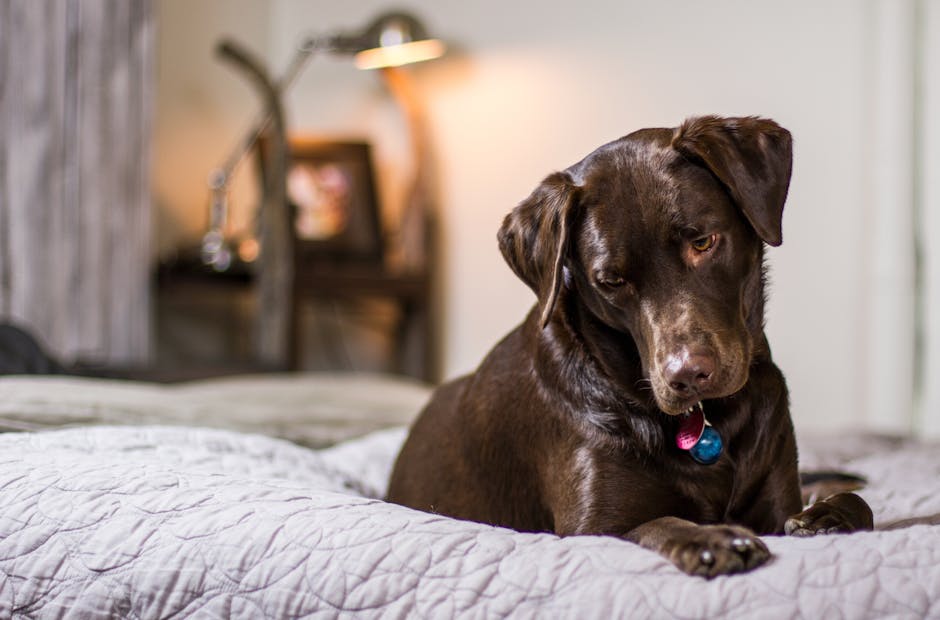

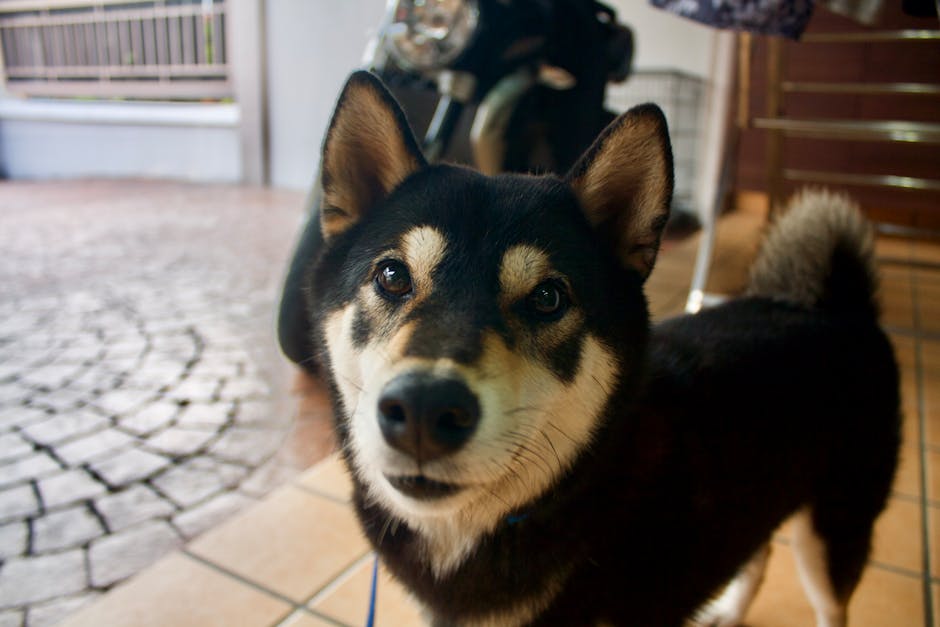

I switched my Golden Retriever, Duke, to raw food about six years ago. It wasn’t pretty at first — I’m talking mucusy stools, a coat that somehow got worse before it got better, and a dog who looked at me like I’d lost my mind when I put a chicken quarter in his bowl instead of kibble. But three weeks in? His coat gleamed. His energy leveled out. The chronic ear infections that had plagued him for two years just… stopped.
Here’s the thing most raw feeding guides won’t tell you: the transition is where people mess up. Not the feeding itself. I’ve watched friends dump a full raw meal in front of their dog on day one and then panic when the poor thing has explosive diarrhea by dinner. That’s not a failure of raw feeding — it’s a failure of transition.
So if you’re wondering how to transition your dog to raw food diet without the chaos, you’re in the right place. I’ve done this with my own dogs, helped half a dozen friends through it, and learned what works through plenty of trial and error.
Why a Gradual Transition Matters
Your dog’s digestive system has spent months or years processing one type of food. Kibble and raw food require completely different enzymatic processes to break down. Throwing a raw meal at a kibble-fed gut is like asking someone who’s eaten nothing but fast food to suddenly digest a plate of sashimi. It can be done, but the results aren’t fun for anyone involved.
What Happens to Your Dog’s Gut During the Switch
Your dog’s stomach pH, gut bacteria, and digestive enzyme production all need to adjust. Kibble-fed dogs typically have a higher stomach pH (less acidic) because processed food doesn’t require the same acid levels to break down. Raw meat and bone need a much lower pH — around 1-2 on the scale — to digest safely and efficiently.
During the transition, the gut microbiome literally reshapes itself. Beneficial bacteria that thrive on raw protein and fat begin to multiply, while bacteria that fed on starches and fillers decline. This bacterial die-off is actually what causes many of those “detox” symptoms people freak out about in the first week or two.
The pancreas also adjusts its enzyme production. Dogs switching from kibble need time to ramp up protease (for protein) and lipase (for fat) production. Rush this, and you get undigested food passing through — which means loose stools, gas, and one unhappy dog.
Signs You’re Moving Too Fast
Pay attention. Your dog will tell you if the transition pace isn’t working.
- Persistent diarrhea lasting more than 48 hours — loose stool for a day is normal, but if it doesn’t firm up, slow down
- Vomiting whole food pieces — this means the stomach can’t handle the volume or type of raw food yet
- Complete food refusal — some pickiness is normal, but flat-out refusing meals for more than a day signals something’s off
- Lethargy or visible discomfort — a little sluggishness during adjustment is one thing, but a dog who won’t get off the couch needs attention
When I transitioned my Border Collie, Maisie, she handled it like a champ — zero issues. Duke, on the other hand, needed me to stretch the timeline to three weeks instead of two. Every dog is different. Don’t stick to a rigid schedule if your dog is telling you otherwise.
Pre-Transition Checklist
Before you put a single piece of raw chicken in your dog’s bowl, you’ve got homework to do. Skipping this step is how people end up overwhelmed, under-prepared, and blaming raw feeding for problems they created.
Vet Consultation and Blood Work Baseline
Get blood work done before you start. Full panel — CBC, metabolic panel, thyroid if your dog is over five. This gives you a baseline to compare against in three to six months.
Not every vet will support this decision. Many vets are trained primarily in commercial pet food nutrition, and some will push back hard on raw feeding. That’s fine. You don’t need their blessing — you need their data. If your vet refuses to run baseline blood work because they disagree with your feeding choice, find one who will.
You also want to rule out any existing conditions that might complicate the transition. Dogs with pancreatitis, compromised immune systems, or certain GI conditions may need a modified approach or closer monitoring.
Choosing Your Raw Feeding Model (BARF vs Prey Model)
Two main approaches, and they’re more different than people think.
| Feature | BARF Model | Prey Model |
|---|---|---|
| Full name | Biologically Appropriate Raw Food | Whole Prey Model |
| Composition | 80% muscle meat, 10% bone, 5% liver, 5% other organs | Mimics whole prey animal ratios |
| Includes fruits/veg | Yes — 10-20% of diet | No plant matter at all |
| Supplements | Often includes fish oil, kelp, eggs | Minimal supplementation |
| Best for beginners | Yes — more forgiving and flexible | Steeper learning curve |
| Cost per day (medium dog) | £2.50-£4.00 | £3.00-£5.00 |
I started with BARF and still use it. The inclusion of some vegetables and supplements gives you a wider margin for nutritional error, which matters a lot when you’re learning. Prey model purists will disagree with me. That’s fine.
For your first raw transition, I strongly recommend the BARF model. You can always move toward prey model later once you’re confident in your sourcing and balancing skills.
Equipment and Safe Handling Supplies
You need more than a dog bowl. Here’s what I consider non-negotiable:
A dedicated cutting board for raw dog food (not the one you use for your own meals). A kitchen scale — eyeballing portions is how you end up with a fat dog or a skinny one. Stainless steel bowls that go in the dishwasher after every meal. A chest freezer if you’re buying in bulk, which you should be because the cost savings are significant. And food-safe containers for portioning and thawing.
Latex or nitrile gloves aren’t mandatory but I use them. And always wash your hands after handling raw food. Basic food hygiene — the same stuff you’d do handling raw chicken for your own dinner.
The 14-Day Raw Food Transition Schedule
This is the schedule I’ve used successfully with my own dogs and recommended to friends. It works for most healthy adult dogs. Puppies, seniors, and dogs with health conditions may need a longer timeline — I’ll cover that later.
Start with one protein only. Chicken is the standard starter because it’s mild, easy to digest, and cheap. Don’t get creative with exotic proteins until your dog has been eating raw for at least a month.
Days 1-3: 25% Raw, 75% Current Food
Replace one quarter of your dog’s normal meal with raw. I feed the raw portion first, then top with kibble. Some people say to never mix raw and kibble because they “digest at different rates.” Honestly? I’ve done it both ways and seen no difference in my dogs. The mixed approach makes the transition smoother because the kibble acts as a familiar comfort food.
What to feed: Boneless chicken breast or thigh, minced or cut into chunks appropriate for your dog’s size. No bone yet. Keep it simple.
Portion guide: If your dog normally eats 400g of kibble per day, you’re doing roughly 100g of raw chicken and 300g of kibble. Adjust based on your dog’s actual calorie needs.
Watch the stools. They might soften slightly. That’s fine.
Days 4-7: 50/50 Split
Now you’re at half and half. This is where the gut really starts working harder, and it’s the phase where most issues show up if they’re going to.
What to feed: Continue with boneless chicken. On day 6 or 7, if stools are firm and your dog is eating enthusiastically, you can introduce your first bone-in meal — a chicken wing or neck for small dogs, a chicken quarter for medium to large dogs.
Bone is important. It firms up stools (sometimes dramatically — don’t panic if you see white, crumbly poop, that just means slightly too much bone). And it provides essential calcium.
Feed raw and kibble in separate meals if possible. Morning raw, evening kibble, or vice versa. This gets the gut used to handling full raw meals on its own.
Days 8-10: 75% Raw, 25% Current Food
Three quarters raw now. Your dog’s stomach acid should be significantly more acidic than it was on day one, and the gut bacteria should be well into their shift.
What to feed: Chicken with bone-in meals every other day. You can start introducing a second protein here — turkey is my go-to because it’s still poultry and gentle on the gut. Don’t jump to red meat yet.
The kibble portion is small enough now that you can mix it in or give it as a separate snack. Some dogs start refusing the kibble at this stage. If they do, great — they’re ready to move on.
Days 11-14: Full Raw Meals
Drop the kibble entirely. Your dog is now eating 100% raw.
What to feed: Rotate between chicken and turkey. Include bone-in meals 3-4 times per week. By day 14, you can introduce a small amount of liver — about 5% of the meal. Start tiny. Liver is rich and too much too soon causes loose stools faster than anything else I’ve seen.
Meal frequency: Adult dogs do well on two meals a day during transition. Once fully transitioned and stable (usually by week 4-6), some owners move to once daily. I keep mine on twice daily because Duke inhales food and I’d rather split it up.
Here’s your transition at a glance:
| Day | Raw % | Kibble % | Proteins | Notes |
|---|---|---|---|---|
| 1-3 | 25% | 75% | Boneless chicken only | Monitor stool closely |
| 4-7 | 50% | 50% | Chicken, introduce bone-in | Separate meals if possible |
| 8-10 | 75% | 25% | Chicken + turkey | Bone-in every other day |
| 11-14 | 100% | 0% | Chicken, turkey, introduce liver | Start liver at 5% of meal |
Common Detox Symptoms vs Warning Signs
This section matters. A lot. Because the difference between “normal adjustment” and “something is wrong” sends people running back to kibble when they didn’t need to, or keeps them waiting when they should be at the vet.
Normal Adjustment Signs (Loose Stool, Mucus)
In the first one to two weeks, expect some combination of these. They’re annoying but not dangerous:
Mucus-coated stools. This one alarms people most. It looks awful — slimy, sometimes with a jelly-like coating. It’s just the gut lining shedding old cells and rebuilding. My Duke had this for about five days. It passed on its own.
Slightly loose stools. Not diarrhea — just softer than normal. Should firm up within 48 hours of each transition phase. If stools are loose but your dog is eating, drinking, and acting normal, stay the course.
Increased shedding. The coat often gets worse before it gets better. Old coat pushes out to make way for new growth. I actually noticed Duke’s shedding doubled around day 10, then dropped to almost nothing by week four.
Runny eyes or mild discharge. Some dogs get a brief period of watery eyes. It clears up on its own.
Drinking less water. Raw food contains 60-70% moisture compared to kibble’s 10%. Your dog genuinely needs less water. Don’t force it — just keep fresh water available.
Red Flags That Need Vet Attention
Stop the transition and call your vet if you see any of these:
- Bloody stool — bright red or dark tarry black, either one
- Vomiting more than twice in 24 hours — especially if your dog can’t keep water down
- Diarrhea lasting more than 3 days without improvement
- Swollen abdomen or signs of pain when you touch their belly
- Lethargy combined with food refusal lasting more than 24 hours
- Bone fragments in stool — this means your dog isn’t digesting bone properly and you need to reassess
Don’t be a hero. I’ve seen people in raw feeding groups online tell panicked owners that bloody stool is “just detox.” It’s not. Detox is runny eyes and mucus. Blood is a medical issue. Full stop.
Balancing Nutrients in the First Month
The first month isn’t about perfect balance. It’s about getting your dog stable on raw food without digestive drama. Nutritional fine-tuning comes in month two and beyond.
Calcium-to-Phosphorus Ratio Basics
This is the most important ratio in raw feeding, and the one most beginners get wrong. The target calcium-to-phosphorus ratio is between 1:1 and 1.4:1. Muscle meat is high in phosphorus and low in calcium. Bone is high in calcium. So you need bone-in meals to balance things out.
Roughly 10% edible bone in the overall diet hits the right ratio for most dogs. That translates to:
- Chicken necks — about 36% bone
- Chicken wings — about 46% bone
- Chicken quarters — about 27% bone
- Turkey necks — about 42% bone
So a chicken quarter, which is roughly one-quarter bone, is almost a perfectly balanced meal on its own. This is why chicken quarters are the raw feeding workhorse — cheap, balanced, and appropriately sized for medium to large dogs.
If your dog’s stools are too soft, add more bone. Too hard and crumbly? Reduce bone. Your dog’s poop is honestly the best feedback tool you have.
Adding Organ Meat Gradually
Organs are where the vitamins live. Liver provides vitamin A, D, and B vitamins in massive concentrations. Kidney provides selenium and B12. Heart — while technically a muscle meat — is loaded with taurine and CoQ10.
The BARF model calls for 5% liver and 5% other organs. But here’s the mistake I see constantly: people add the full 10% organ meat from day one. Liver especially will wreck your dog’s stomach if you introduce too much too fast.
My approach during the first month:
- Week 2: Introduce liver at 2-3% of the meal, twice per week
- Week 3: Increase to 5% liver, add kidney or spleen at 2-3%
- Week 4: Full 5% liver + 5% other organs
Feed liver and other organs on different days at first. And if stools go loose after adding organ, cut the amount in half and try again in a few days. Patience here pays off.
Special Considerations by Dog Size
A raw food transition schedule for dogs isn’t one-size-fits-all. Size changes everything — from portion sizes to bone choices to how fast you can move through the transition.
Small Breeds Under 20 Pounds
Small dogs have faster metabolisms and smaller stomachs, which means two things. First, they’re often more sensitive to dietary changes — a Chihuahua’s gut has way less room for error than a Labrador’s. Second, they burn through food faster, so consistent feeding matters more.
Portion size: Small breeds generally eat 2-3% of their body weight daily. A 10-pound dog needs roughly 90-135g of food per day, split across two or three meals.
Bone safety: This is where small breeds need extra attention. Chicken necks and wings are the right size. Never give a small dog a weight-bearing bone from a large animal — they can crack teeth on beef marrow bones. Stick to poultry and rabbit bones.
Consider extending the transition to 21 days instead of 14. Smaller dogs seem to benefit from the extra time, and the portions are tiny enough that slower transitions don’t create waste.
Large and Giant Breeds
Big dogs are generally easier to transition. Their guts are more robust, they’re less picky, and portion math is simpler. But they come with their own considerations.
Portion size: Large breeds (50-90 pounds) typically eat 2-2.5% of body weight daily. Giant breeds over 100 pounds often do well on 1.5-2%. My 75-pound Golden eats about 750-800g daily.
Cost reality: This is where raw feeding gets expensive. A large dog eating 800g per day at roughly £3-4 per kilo runs £2.40-£3.20 daily — that’s £72-£96 per month. Giant breeds can hit £120+ monthly. Buying in bulk from raw feeding suppliers or local butchers drops this significantly. I spend about £65 per month on Duke by buying in 10-15kg batches.
| Dog Size | Weight Range | Daily Amount | Approx Monthly Cost |
|---|---|---|---|
| Small | Under 20 lbs (9kg) | 90-135g | £25-£40 |
| Medium | 20-50 lbs (9-23kg) | 200-500g | £40-£65 |
| Large | 50-90 lbs (23-41kg) | 500-900g | £65-£100 |
| Giant | Over 90 lbs (41kg+) | 900g-1.5kg | £100-£140 |
Joint support: Large and giant breed puppies need careful calcium monitoring. Too much calcium during growth can cause skeletal problems. If you’re switching a dog to raw diet that’s a large breed puppy, work with a veterinary nutritionist. This isn’t optional — it’s genuinely important for their long-term joint health.
Frequently Asked Questions
Can I feed raw and kibble at the same time permanently?
You can, and some people do. It’s not my preference — I think most dogs do best on fully raw — but a half-raw, half-kibble approach is better than full kibble. The “different digestion rates” argument against mixing has no solid scientific backing. If your budget only allows partial raw, that’s still a win.
My dog won’t eat the raw food. What should I try?
Start by lightly searing the outside of the meat. Just a quick pass in a hot pan — 10 seconds per side. The warmth and smell often triggers interest. You can also try mixing in a tiny bit of something smelly like sardines or tripe. Green tripe is basically doggy crack. If your dog still won’t touch it after three days of trying, go back to kibble for a week and try again with a different protein.
How do I handle raw food when travelling?
Honestly, this is raw feeding’s biggest hassle. For short trips (under 3 days), I pack pre-portioned meals in an insulated cooler bag with ice packs. For longer trips, I use a high-quality commercial raw food like Nutriment or Natural Instinct that comes in sealed tubs. Or I just feed high-quality wet food for the trip and switch back to raw when I get home. It’s not ideal but it’s practical, and a week of wet food won’t undo months of raw feeding benefits.
Is switching to raw safe for puppies?
Yes, but with caveats. Puppies over 12 weeks can transition to raw. The process is the same 14-day schedule, but portions need to be calculated for growth — typically 5-8% of body weight for young puppies, tapering to 2-3% as they approach adult size. Large breed puppies absolutely need nutritional guidance from someone experienced with raw feeding to get calcium levels right. This is one area where I’d say don’t wing it.
How do I know if the raw diet is working?
Give it at least 6-8 weeks before judging. The real markers of success are: firmer, smaller, less smelly stools. A shinier coat with less shedding. Better energy levels — not hyper, just more consistent. Cleaner teeth over time. Fewer ear infections and skin issues. And frankly, most dogs just seem happier. Duke’s whole demeanor shifted. He went from a dog who ate because food was there to a dog who genuinely looked forward to mealtimes.
Making the switch to raw feeding is one of the best decisions I’ve made for my dogs. But it does require patience, preparation, and a willingness to learn as you go. Follow the 14-day dog raw diet starter guide I’ve laid out, watch your dog’s signals, and don’t be afraid to slow down if things aren’t going smoothly. Your dog’s gut will thank you — even if the first week or two suggest otherwise.
Featured Image Source: Pexels