

My Golden Retriever, Duke, started limping at age four. Four. Not ten, not twelve — four years old. The vet confirmed hip dysplasia, and I remember sitting in that parking lot feeling completely gutted. That was eleven years ago, and Duke lived to be thirteen with a quality of life that honestly surprised everyone, including his vet.
Joint supplements were a big part of that story. Not the whole story — weight management, swimming, and smart exercise played their roles too — but supplements gave Duke noticeable relief within about six weeks of starting them. I’ve since helped three friends navigate the same diagnosis with their dogs, and I’ve learned a lot about what actually works versus what’s just clever marketing.
Here’s the thing about joint supplements for dogs with hip dysplasia: they won’t fix the structural problem. No pill or chew rebuilds a malformed hip socket. But the right supplements can slow cartilage breakdown, dial down inflammation, and genuinely improve your dog’s comfort and mobility. That matters. That matters a lot when you’re watching your dog struggle to get up from a nap.
How Joint Supplements Help Dogs with Hip Dysplasia
What Hip Dysplasia Does to the Joint
Hip dysplasia is a developmental condition where the ball and socket of the hip joint don’t fit together properly. Instead of gliding smoothly, the joint grinds. That grinding wears down cartilage — the rubbery cushion between bones — faster than the body can repair it.
Over time, the body responds with inflammation, which causes pain and stiffness. Then it tries to stabilize the loose joint by building bone spurs (osteoarthritis), which just makes things worse. It’s a frustrating cycle. The joint looseness leads to cartilage damage, which triggers inflammation, which accelerates more damage.
About 15-20% of large breed dogs develop hip dysplasia. German Shepherds, Labradors, Golden Retrievers, Rottweilers, Great Danes — the breeds we love most seem to get hit hardest. Genetics load the gun, but factors like rapid growth, excess weight during puppyhood, and over-exercise on developing joints pull the trigger.
How Supplements Support Cartilage and Reduce Inflammation
Joint supplements work through two main pathways. First, they provide raw building blocks — like glucosamine and chondroitin — that cartilage cells need to repair and maintain themselves. Think of it like giving construction workers better materials. The workers (chondrocytes) are already there trying to fix things. Supplements just make sure they’re not running low on supplies.
Second, certain ingredients actively fight inflammation. Omega-3 fatty acids, green-lipped mussel, and turmeric all have documented anti-inflammatory effects. Less inflammation means less pain and less collateral damage to surrounding cartilage.
The key takeaway: supplements work best when started early, before significant cartilage loss has occurred. If your dog was just diagnosed, starting now gives you the best shot at slowing progression. If your dog is older with advanced arthritis, supplements can still help with comfort — just set realistic expectations.
Key Ingredients to Look For
Glucosamine and Chondroitin
These two are the foundation. Glucosamine is an amino sugar that serves as a building block for cartilage repair and maintenance. Chondroitin sulfate helps cartilage retain water (which keeps it springy and shock-absorbent) and inhibits enzymes that break cartilage down.
One thing most people get wrong: glucosamine HCl is better absorbed than glucosamine sulfate. A lot of cheaper supplements use the sulfate form because it costs less, but your dog’s body has to work harder to use it. Look at labels carefully.
Research-backed daily doses for large dogs (50+ lbs):
– Glucosamine HCl: 1,500 mg
– Chondroitin sulfate: 1,200 mg
Smaller dogs need proportionally less. Most studies show it takes 4-8 weeks to see noticeable improvements. Don’t give up after two weeks — that’s the most common mistake I see.
MSM (Methylsulfonylmethane)
MSM is a sulfur compound that supports connective tissue and has mild anti-inflammatory properties. It’s rarely used alone for joint support but shows up in a lot of combination formulas. The sulfur component is actually important — sulfur is needed for collagen and cartilage production.
Typical dosing runs around 1,000-2,000 mg daily for large dogs. It’s generally well-tolerated, though some dogs get mildly loose stools when starting out.
Omega-3 Fatty Acids (EPA/DHA)
This is where I get passionate. EPA (eicosapentaenoic acid) is genuinely powerful for joint inflammation. Multiple veterinary studies have shown that dogs with osteoarthritis who receive adequate EPA show measurable improvement in weight-bearing and mobility.
EPA works by competing with arachidonic acid in the inflammation pathway. In plain terms: it helps your dog’s body produce fewer inflammatory compounds. DHA supports this but EPA is the star player for joints specifically.
You want fish oil with a high EPA-to-DHA ratio. The total omega-3 dose matters more than the total fish oil dose — read the supplement facts panel, not just the front label.
Green-Lipped Mussel Extract
Green-lipped mussel (Perna canaliculus) from New Zealand is fascinating. It contains a unique combination of omega-3 fatty acids — including some types not found in fish oil — along with glycosaminoglycans (the same family as glucosamine and chondroitin).
Studies have shown it reduces inflammation and joint pain in dogs. It’s one of the few supplements where multiple ingredients work synergistically rather than just being thrown together to look impressive on a label. I started adding this to Duke’s regimen about three years in, and his vet actually commented on improved mobility at his next checkup.
1. Glucosamine HCl + Chondroitin Sulfate Combos
This is where most people should start. A quality glucosamine-chondroitin combination is the most well-studied joint supplement approach for dogs, and it’s the one most veterinarians will recommend first.
What to look for:
– Glucosamine HCl (not sulfate) as the primary form
– Chondroitin sulfate from a reputable source (bovine or shark cartilage)
– Dosages that actually match research levels (many products underdose)
– NASC (National Animal Supplement Council) quality seal
The NASC seal matters more than you’d think. The pet supplement industry isn’t regulated like pharmaceuticals. NASC member companies submit to independent audits, adverse event reporting, and quality testing. It’s not a guarantee of effectiveness, but it’s a guarantee that what’s on the label is actually in the product.
Best for: Dogs newly diagnosed with hip dysplasia or mild to moderate joint stiffness. This is your baseline — the foundation you build on.
One frustration: these combos typically come in large tablets or capsules for big dogs. If your dog is picky, look for soft chew formulations. They cost a bit more per dose but compliance matters. A supplement your dog won’t eat is worthless.
2. Green-Lipped Mussel Supplements
I’m a big fan of green-lipped mussel, partly because the evidence keeps getting stronger and partly because Duke did noticeably better after we added it.
Green-lipped mussel supplements come in three main forms: powders, capsules, and as an ingredient in multi-ingredient chews. The powder form tends to deliver higher concentrations. Look for products that use freeze-dried mussel rather than heat-processed — heat degrades the beneficial fatty acids.
Typical dosing:
| Dog Weight | Daily Dose (powder) |
|---|---|
| Under 25 lbs | 250-500 mg |
| 25-50 lbs | 500-750 mg |
| 50-100 lbs | 750-1,000 mg |
| Over 100 lbs | 1,000-1,500 mg |
Best for: Dogs who need additional anti-inflammatory support beyond glucosamine/chondroitin. Also a solid standalone option for dogs with seafood-friendly palates. Most dogs actually love the taste.
Watch out for: Dogs with shellfish allergies. It’s rare but it happens. Start with a small dose and watch for any allergic reactions — itching, facial swelling, or GI upset — in the first 48 hours.
3. Fish Oil (High EPA) Supplements
If your dysplastic dog isn’t getting fish oil, start today. I’m genuinely that direct about it.
The anti-inflammatory benefits of EPA are well-documented in both human and veterinary medicine. For joint support specifically, you want a fish oil that delivers at least 300 mg of EPA per 1,000 mg of fish oil. Many bargain fish oils have low EPA concentrations — you end up giving your dog a lot of fat calories for not much anti-inflammatory benefit.
Dosing guideline: Aim for roughly 75-100 mg of combined EPA+DHA per kilogram of body weight. For a 70-pound (32 kg) dog, that’s about 2,400-3,200 mg of EPA+DHA daily. Yes, that’s usually several capsules — or use a pump liquid form, which is way easier.
Quality indicators:
– Third-party tested for heavy metals and PCBs
– Sourced from small fish (anchovies, sardines) rather than large predator fish
– Stored in dark bottles or individual blister packs to prevent oxidation
– Doesn’t smell rancid. Seriously — give it a sniff. Bad fish oil does more harm than good.
Best for: Every dog with hip dysplasia, honestly. Fish oil complements every other supplement on this list and supports heart, skin, coat, and brain health too. It’s the easiest recommendation I make.
4. MSM-Based Joint Formulas
MSM doesn’t get as much spotlight as glucosamine, but it pulls its weight in combination formulas. It’s especially useful for dogs dealing with both joint stiffness and muscle soreness — which is common with hip dysplasia because dogs compensate for hip pain by shifting their weight, straining other muscles.
The sulfur in MSM is a building block for collagen, keratin, and cartilage. Some researchers also believe MSM improves cell permeability, helping other nutrients get into joint cells more effectively. That’s still being studied, but the theory is interesting.
Best for: Dogs with hip dysplasia who also show muscle stiffness, are older, or aren’t responding enough to glucosamine/chondroitin alone. MSM is almost always used alongside other ingredients rather than solo.
A note on taste: Pure MSM is bitter. Really bitter. Capsules or flavored chews are the way to go unless your dog will eat anything. My friend’s Lab would eat literal rocks, so powder worked fine for her. Duke? Not a chance.
5. Turmeric/Curcumin Supplements
Turmeric has become trendy in the dog supplement world, and honestly? The science backs up the hype — with one major caveat.
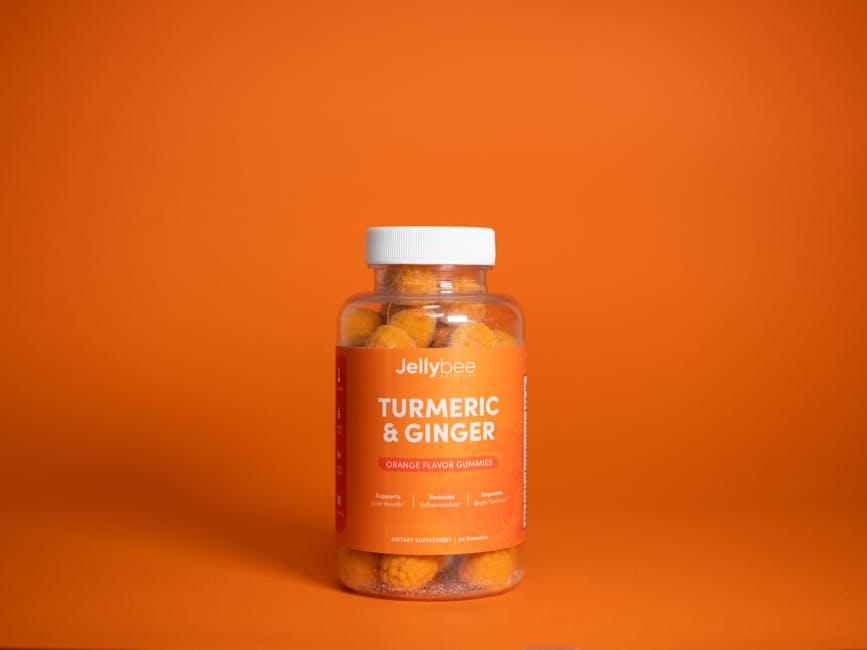
Curcumin, the active compound in turmeric, has strong anti-inflammatory and antioxidant properties. Multiple studies show it can reduce joint pain and inflammation. The problem is bioavailability. Plain turmeric powder passes straight through your dog without being absorbed in any meaningful amount.
You need a formulation that includes piperine (black pepper extract) or uses a lipid-based delivery system. This increases absorption by 2,000% or more. Without it, you’re wasting your money. This is the single most important thing to know about turmeric supplements.
Typical effective dose: 15-20 mg of curcumin per pound of body weight, using an enhanced-absorption formula. Start low and increase gradually — some dogs get GI upset with turmeric.
Best for: Dogs who can’t tolerate NSAIDs or as an additional anti-inflammatory layer. Not a standalone solution for hip dysplasia, but a genuinely useful addition.
Skip it if: Your dog is on blood thinners or has gallbladder issues. Curcumin can affect blood clotting and bile production.
6. Hyaluronic Acid Supplements
Hyaluronic acid (HA) is a key component of synovial fluid — the lubricant inside joints. In dysplastic hips, the synovial fluid often becomes thinner and less effective. Supplemental HA aims to improve joint lubrication from the inside out.
Veterinary joint injections of HA have solid evidence behind them. Oral HA supplements are newer and the evidence is still building. Some studies show benefits, others are inconclusive. I’d call this a promising-but-not-proven supplement.
Typical oral dose: 20-40 mg daily for large dogs.
The oral forms available for dogs include liquids, capsules, and chews. Molecular weight matters here — low molecular weight HA is better absorbed orally. Some products specify this on the label, many don’t.
Best for: Dogs with moderate to advanced hip dysplasia where joint lubrication has degraded significantly. Worth trying if your dog is already on glucosamine/chondroitin and fish oil but still seems stiff, especially first thing in the morning.
7. Multi-Ingredient Joint Support Chews
These are the Swiss Army knives of the dog supplement world. A good multi-ingredient chew combines glucosamine, chondroitin, MSM, and usually some mix of omega-3s, green-lipped mussel, turmeric, or hyaluronic acid into a single daily treat.
The obvious advantage: convenience. One chew versus four or five separate supplements. For most dog owners, compliance skyrockets when it’s just one tasty chew at dinner time.
The downside? You’re trusting the manufacturer to include effective doses of each ingredient. And many don’t. I’ve seen products that list six impressive-sounding ingredients but include each one at a fraction of the researched dose. Always check the actual milligrams per chew against the dosages I’ve listed above. If the label doesn’t clearly state amounts for each ingredient, that’s a red flag.
What separates good multi-ingredient chews from bad ones:
| Feature | Good Sign | Red Flag |
|---|---|---|
| Ingredient amounts | Listed per chew in mg | “Proprietary blend” with no breakdown |
| Glucosamine form | HCl specified | Just says “glucosamine” |
| NASC seal | Present | Absent |
| Dosing by weight | Tiered dosing chart | One-size-fits-all |
| EPA/DHA content | Specific mg listed | Just says “fish oil” |
Best for: Dogs who need broad-spectrum joint support and owners who want simplicity. If your dog has moderate hip dysplasia and you want one product instead of a medicine cabinet, this is the category.
How to Choose the Right Supplement for Your Dog
By Dog Size and Severity
Not every dog with hip dysplasia needs the same approach. Here’s how I think about it:
Mild dysplasia (occasional stiffness, still active): Start with a quality glucosamine/chondroitin combo plus fish oil. That’s it. Don’t overthink it.
Moderate dysplasia (regular stiffness, reluctance on stairs or jumping): Glucosamine/chondroitin, fish oil, and add green-lipped mussel or a well-dosed multi-ingredient chew. Consider turmeric if your vet agrees.
Severe dysplasia (chronic lameness, significant pain): Everything above, plus talk to your vet about prescription options that work alongside supplements. Hyaluronic acid — potentially injectable rather than oral — becomes worth considering here.
For small dogs under 25 pounds, finding properly dosed supplements can be tricky. Many products are formulated for medium to large dogs. Look for brands that offer specific small-breed formulations rather than just cutting a large-breed chew in half.
Dosage Guidelines
| Ingredient | Small Dog (<25 lbs) | Medium Dog (25-50 lbs) | Large Dog (50-100 lbs) | Giant Breed (100+ lbs) |
|---|---|---|---|---|
| Glucosamine HCl | 250-500 mg | 500-1,000 mg | 1,000-1,500 mg | 1,500-2,000 mg |
| Chondroitin | 200-400 mg | 400-800 mg | 800-1,200 mg | 1,200-1,500 mg |
| EPA+DHA | 500-1,000 mg | 1,000-2,000 mg | 2,000-3,000 mg | 3,000-4,000 mg |
| MSM | 250-500 mg | 500-1,000 mg | 1,000-1,500 mg | 1,500-2,000 mg |
Always start at the lower end and increase over 2-3 weeks. And run these by your vet — especially if your dog takes any medications. Glucosamine can affect blood sugar in diabetic dogs, and fish oil can interact with blood thinners.
Complementary Treatments
Supplements are one piece of the puzzle. Some of the most impactful things you can do for a dysplastic dog don’t come in a bottle.
Weight management is number one. I cannot stress this enough. Every extra pound your dog carries puts roughly four additional pounds of force on their hip joints. A dog that’s ten pounds overweight is slamming their hips with forty extra pounds of force with every step. The single most impactful non-surgical intervention for hip dysplasia is maintaining lean body weight.
Duke stayed lean his entire life. I measured his food, limited treats, and ignored those sad Golden Retriever eyes at dinner. His vet said that alone probably added years of comfortable mobility.
Physical therapy and controlled exercise:
– Swimming is the gold standard. It builds muscle without stressing joints. If you can find a canine hydrotherapy center near you, it’s worth the investment.
– Leash walks on flat, soft surfaces (grass, dirt trails) over hard pavement
– Avoid fetch, frisbee, and any exercise involving sudden stops, turns, or jumping
– Gentle range-of-motion exercises — your vet or a canine rehabilitation therapist can show you how
Environmental modifications:
– Orthopedic beds with memory foam (seriously, this makes a visible difference in morning stiffness)
– Ramps instead of stairs for getting in/out of cars or onto furniture
– Non-slip rugs on hardwood or tile floors — slipping is painful and scary for dysplastic dogs
– Raised food and water bowls so they don’t have to bend down as far
Veterinary treatments to discuss:
– Adequan injections (polysulfated glycosaminoglycan — a proven joint protectant)
– Laser therapy for pain and inflammation
– NSAIDs for pain management during flare-ups
– Surgery options for severe cases (FHO, TPO, or total hip replacement)
Frequently Asked Questions
How long does it take for joint supplements to work on a dog with hip dysplasia?
Most owners notice improvement in 4-8 weeks with consistent daily dosing. Some dogs respond faster, especially with fish oil and green-lipped mussel, where anti-inflammatory effects can kick in within 2-3 weeks. Glucosamine and chondroitin tend to take the full 6-8 weeks because they’re rebuilding cartilage matrix rather than just fighting inflammation. Don’t judge a supplement until you’ve given it at least two months.
Can I give my dog human glucosamine supplements?
Technically yes, but I don’t recommend it. Human supplements may contain xylitol (toxic to dogs), artificial sweeteners, or dosage levels that aren’t appropriate. Dog-specific formulations are dosed correctly, usually flavored for palatability, and free of ingredients that could harm your dog. The cost difference isn’t significant enough to risk it.
Should I give joint supplements to puppies at risk for hip dysplasia?
Talk to your vet, but generally: don’t start full joint supplement protocols in puppies under one year. Their joints are still developing and you don’t want to interfere with that process. What you can do is feed a large-breed puppy formula with appropriate calcium and phosphorus ratios, keep them lean, and avoid over-exercising on hard surfaces. Some vets okay a low dose of fish oil for puppies, which supports overall development.
Do natural joint support options for dogs actually work, or is it just marketing?
Some genuinely work and have real science behind them. Glucosamine/chondroitin, fish oil (EPA), and green-lipped mussel all have multiple published studies showing benefits in dogs with osteoarthritis. Others — like collagen supplements and certain herbal blends — have thinner evidence. The key is choosing ingredients with actual research behind them, at researched doses, from companies that submit to quality testing. Natural doesn’t automatically mean effective, but it doesn’t mean ineffective either.
Can I combine multiple joint supplements for dogs with hip dysplasia?
Yes, and that’s often the best approach. Glucosamine/chondroitin works on cartilage structure while fish oil fights inflammation — they target different pathways. Most vets are comfortable with a combination of glucosamine/chondroitin, fish oil, and one or two additional ingredients like green-lipped mussel or MSM. Just avoid doubling up on the same ingredient from multiple products. Add up total daily milligrams across all supplements and make sure you’re not over-dosing anything.
Are there any side effects from dog hip dysplasia supplements?
Side effects are uncommon but possible. The most frequent issue is mild digestive upset — soft stools, gas, or decreased appetite — especially when starting a new supplement. This usually resolves within a week if you start at a half dose and build up. Fish oil in high doses can cause loose stools and fishy breath. Glucosamine may affect blood sugar in diabetic dogs. And turmeric can cause GI upset or interact with certain medications. Always introduce one new supplement at a time so you can identify the source if any issues pop up.
Living with a dysplastic dog isn’t easy, but it’s manageable. Duke’s diagnosis at four felt like a death sentence at the time. It wasn’t. With the right combination of joint supplements, weight management, appropriate exercise, and veterinary care, he had nine more years of tail wags, beach walks, and couch cuddles. Start with a solid glucosamine/chondroitin foundation, add fish oil, and build from there based on your dog’s response. Work with your vet. Be patient with the process. And know that you’re doing something genuinely meaningful for your dog’s comfort and quality of life.
Featured Image Source: Pexels