
My second dog, a stubborn-as-hell Beagle named Copper, taught me something humbling. I thought I was a decent dog owner. I’d raised a Golden Retriever who was basically a furry angel. Then Copper arrived and decided that every rule in our house was merely a suggestion.
He’d bolt through doors, steal food off counters, ignore me when I called him — and look genuinely confused when I got frustrated. A trainer friend watched us interact one afternoon and said something that stung: “He doesn’t respect you because you haven’t given him a reason to.”
That’s when she introduced me to NILIF dog training — the Nothing in Life is Free method. And honestly? It changed everything. Not overnight, not without effort, but fundamentally.
What NILIF Dog Training Actually Means
The Nothing in Life is Free method is simpler than it sounds. Your dog wants things — food, walks, playtime, attention, access to the couch. Instead of handing those things over freely, you ask for a behavior first. Sit before dinner. Wait before going through a door. Down-stay before getting a belly rub.
That’s it. That’s the whole concept.
But don’t mistake simplicity for weakness. NILIF works because it mirrors how dogs naturally understand social structure. In any group of dogs, resources aren’t just freely available — they’re earned through social cues and deference. You’re not being mean. You’re speaking a language your dog already understands.
Some trainers call it “Say Please” training or “Learn to Earn.” Same idea, different branding. The core principle stays the same: good things come to dogs who offer polite behavior.
What I love about this method is that it’s not punishment-based. You’re never yelling, jerking a leash, or intimidating your dog. You’re just… waiting. Your dog wants dinner? Cool. Sit first. They don’t sit? No drama. You just walk away and try again in a minute. The dog figures it out fast.
Why This Method Works So Well
I’ve tried a lot of training approaches over the years. Clicker training, purely positive reinforcement, even (I’m not proud of this) some old-school dominance stuff early on before I knew better. NILIF stands out because it addresses the root cause of most behavior problems: a dog that doesn’t understand boundaries or structure.
It Builds Respect Without Fear
This is the big one. Dogs trained with NILIF learn that humans control the good stuff — not through intimidation, but through a simple transactional relationship. You want something? Show me you can be polite. It builds genuine respect rather than fearful compliance.
With Copper, the shift was visible within about two weeks. He went from ignoring me to actively watching me, looking for cues. Not because he was scared. Because he figured out that paying attention to me was the fastest route to getting what he wanted.
It Works for Every Breed and Temperament
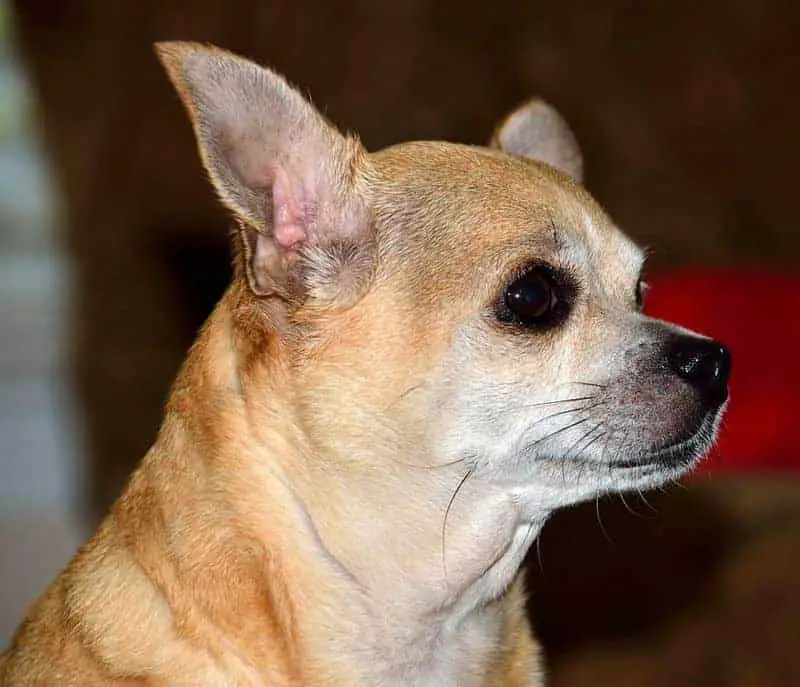
I’ve recommended NILIF to owners of everything from Chihuahuas to Great Danes. Dominant dogs respond well because it establishes clear leadership. Anxious dogs respond well because structure reduces uncertainty — they stop having to make decisions and can relax. Even laid-back dogs benefit because it keeps their minds engaged.
It Prevents Problems Before They Start
Most people seek out training methods after things go wrong. NILIF is one of the few approaches that works just as well as prevention. Start it with a puppy from day one, and you’re building habits that sidestep resource guarding, door bolting, demand barking, and a dozen other issues.
How to Start NILIF Training Today
Here’s the practical breakdown. You don’t need treats (though they help initially), you don’t need special equipment, and you don’t need to set aside training sessions. NILIF becomes your lifestyle with your dog.
The Foundation Commands
Your dog needs to know a few basics before NILIF makes sense:
- Sit — the workhorse command, used before almost everything
- Down — for longer waits
- Wait/Stay — for door manners and impulse control
- Leave it — for dropped food, squirrels, other dogs
- Look at me — for redirecting attention
If your dog doesn’t know these yet, spend a week or two teaching them with standard positive reinforcement before layering in NILIF. Trying to require a behavior the dog hasn’t learned yet isn’t NILIF — it’s just confusing.
Daily Situations to Apply It
| Situation | What to Ask For | Why It Matters |
|---|---|---|
| Mealtime | Sit and wait until released | Prevents food aggression, builds patience |
| Going outside | Sit at the door, wait for “okay” | Stops door bolting, teaches impulse control |
| Petting/attention | Sit or down, no jumping | Eliminates demand behavior |
| Leash on for walks | Stand still or sit | Reduces overexcitement |
| Getting on furniture | Wait for invitation | Establishes that access is a privilege |
| Playtime with toys | Drop or give before throwing again | Teaches sharing, prevents resource guarding |
| Getting in/out of car | Wait for release cue | Safety — a dog bolting from a car is dangerous |
The beauty here is that you’re not adding training time to your day. You’re embedding training into moments that already happen. Your dog eats twice a day, goes outside multiple times, wants attention constantly — those are all training opportunities.
The Key Rules
Be consistent. This is where most people fail. You can’t require a sit before dinner on Monday and then just plop the bowl down on Tuesday because you’re tired. If you start NILIF, everyone in the household has to follow through. Every time.
Don’t repeat commands. Say “sit” once. If the dog doesn’t do it, walk away with the resource. Come back in 30 seconds and try again. Repeating “sit, sit, SIT” teaches your dog that the first two don’t count.
Keep it positive. If your dog doesn’t comply, the consequence is simply that they don’t get the thing they wanted — yet. No scolding. No punishment. Just a calm removal of the opportunity, followed by another chance.
Common Mistakes People Make With NILIF
I made most of these myself, so no judgment.
Asking for too much too soon. In the beginning, a simple sit is plenty. Don’t require a five-minute down-stay before dinner during week one. Build duration gradually.
Forgetting the release cue. This one bit me hard. You ask for a sit before going through the door — great. But if you never say “okay” or “free,” your dog doesn’t know when the waiting ends. They’ll either break the command on their own (and learn they can) or get stressed trying to hold it forever.
Being inconsistent between family members. If you require a sit before petting but your partner scoops the dog up for cuddles whenever, you’re undermining the whole system. Have a family meeting. Seriously. I had to literally write our NILIF rules on the fridge.
Turning it into a power trip. NILIF should feel calm and natural, not like you’re lording authority over your dog. If you catch yourself getting frustrated or making your dog perform tricks just to prove a point, take a step back. The goal is structure, not domination.
NILIF for Dogs With Specific Behavior Issues
Resource Guarding
This is where I’ve seen NILIF make the most dramatic difference. A dog that growls over their food bowl is often a dog that doesn’t trust the system — they feel like they have to protect resources because nobody’s established order.
With NILIF, mealtime becomes predictable. Sit. Wait. Bowl goes down. Release cue. The dog learns that cooperating is what produces the food, not defending it. I watched Copper go from tense and stiff-bodied at mealtime to genuinely relaxed within about three weeks.
Important caveat: If your dog’s resource guarding is severe — hard stares, snapping, biting — don’t DIY this. Work with a certified behaviorist. NILIF alone won’t fix deep-seated guarding, and pushing a guarder too fast can escalate things.
Demand Barking
You know the dog that barks at you until you throw the ball? Or whines nonstop for dinner? NILIF is the antidote. The barking gets ignored completely. The second the dog offers a quiet behavior — even just a moment of silence — you engage.
This requires patience. The first few days might actually be louder as your dog tries harder with the old strategy. Behaviorists call this an “extinction burst.” Push through it. It gets better.
Leash Reactivity
NILIF alone won’t fix a dog that lunges at other dogs on walks, but it creates the foundation of attention and impulse control that makes leash training effective. A dog already practicing “look at me” and “wait” at home transfers those skills to the walk much faster than a dog learning them for the first time in a high-distraction environment.
When NILIF Isn’t Enough
I want to be honest here because I see too many training articles that promise one method fixes everything.
NILIF dog training is a lifestyle framework, not a cure-all. It’s outstanding for building general manners, establishing leadership, and preventing behavior problems. But it has limits.
Severe anxiety disorders need veterinary support — sometimes medication, definitely a certified behaviorist, not just a sit-before-dinner protocol.
Aggression with bite history is above NILIF’s pay grade. Get professional help. Not a YouTube video. Not a Reddit thread. An actual certified applied animal behaviorist (CAAB) or veterinary behaviorist (DACVB).
Fear-based behaviors require careful desensitization and counter-conditioning. NILIF can complement those approaches but shouldn’t replace them.
The dogs that benefit most from NILIF? The ones who are basically good but pushy. The counter-surfers. The door-bolters. The dogs who love you but don’t listen. The ones who think they run the household. That was Copper to a T.
Getting Your Whole Family On Board
This might be the hardest part. Getting a dog to comply with NILIF is honestly the easy bit — dogs are wired to understand this kind of exchange. Getting your spouse, kids, and visiting relatives to follow through? That’s the real challenge.
Here’s what worked for us:
Make a simple rules chart. Ours had three columns: Situation, What Dog Must Do, Release Word. Stuck it on the fridge. Even my kids (8 and 11 at the time) could follow it.
Start with just meals and doors. Don’t overwhelm everyone with 15 new rules on day one. Master two situations first, then add more.
Celebrate the dog’s wins together. When Copper started waiting at the door without being asked, my daughter was the first one to notice. That kind of shared pride keeps everyone motivated.
Accept imperfection. Your mother-in-law is going to slip the dog a treat without asking for a sit. It’s fine. Consistency from the core household members matters most. The occasional lapse from a visitor won’t undo your progress.
Frequently Asked Questions
Is NILIF dog training the same as dominance theory?
No, and this distinction matters. Old-school dominance theory was about physical intimidation — alpha rolls, leash corrections, making the dog “submit.” NILIF has nothing to do with that. There’s no physical correction, no intimidation. You’re simply requiring polite behavior before giving the dog what it wants. Think of it less as “I’m the boss” and more as “good manners get you good things.”
At what age should I start NILIF with my puppy?
You can start basic NILIF as soon as your puppy knows one command — usually around 8-10 weeks for a simple sit. Keep expectations age-appropriate. A 10-week-old puppy sitting for two seconds before you put the food bowl down is perfect. You’re not looking for a rock-solid stay from a baby dog. The earlier you start, the more natural it feels to them.
Will NILIF make my dog less affectionate?
This is the most common concern I hear, and the answer is a definite no. If anything, my dogs have become more affectionate since starting NILIF because our relationship has more clarity. They’re not anxious about boundaries. They’re not testing limits constantly. They’re relaxed, which means they actually enjoy cuddle time more — they’re not trying to get something from you, they’re just being with you.
How long does it take to see results?
Most owners notice changes within one to two weeks. The first thing you’ll see is your dog offering behaviors without being asked — sitting at the door before you even reach for the leash, for example. That’s the lightbulb moment. Full habit change takes more like four to six weeks of consistency. Copper’s big turnaround happened around week three, when he started making eye contact with me before doing things instead of just barreling ahead.
Can I still give my dog free affection sometimes?
Absolutely. NILIF doesn’t mean your dog has to perform a trick every single time you want to pet them. The structure matters most around high-value resources — food, walks, access to furniture, going outside. Casual petting while you’re watching TV together? That’s just being a good dog owner. The goal is a dog who understands that the big stuff comes with expectations, not a dog who can’t relax on the couch with you.
Wrapping Up
Copper is ten now. He’s still stubborn — Beagles gonna Beagle — but he’s a genuinely good dog. He waits at doors, doesn’t steal food (most of the time), and looks to me for guidance instead of making his own questionable decisions.
NILIF didn’t turn him into a robot. It gave him clarity. And honestly, it gave me clarity too. I stopped getting frustrated because I had a system. He stopped acting out because he understood the system.
If your dog is running the show at your house — and you know who you are, because you’re reading this article at midnight while your dog takes up 80% of the bed — give NILIF a real shot. Two weeks of consistency. That’s all I’m asking. I think you’ll be surprised.
Featured Image Source: Pexels