
Most people don’t realize that Standard, Miniature, and Toy Poodles are all the same breed. Same DNA, same curly coat, same ridiculous intelligence. The only real difference? Size. But that size difference changes everything — from how much exercise they need to what health problems they’ll face to whether they’ll thrive in your apartment or need a backyard.
I’ve helped three different friends pick poodles over the years, and each time the conversation started the same way: “I want a poodle, but which one?” It’s a fair question. The standard vs miniature vs toy poodle differences go way beyond just inches and pounds. A Standard Poodle is basically a mid-size athletic dog. A Toy? That’s a purse-sized companion with a completely different energy. Choosing wrong means years of frustration for both you and the dog.
So let’s break it all down — size, temperament, health, grooming, lifespan — so you can figure out which poodle actually fits your life.
Three Sizes, One Breed — How Poodles Were Bred Down
The Standard Poodle came first. Way first. These dogs were bred in Germany as water retrievers, and that iconic poodle clip everyone makes fun of? It was functional. Hunters shaved the body to reduce drag in water but left fur around the joints and chest to protect vital organs from cold. Pretty clever, actually.
From those athletic water dogs, breeders in France started selecting for smaller specimens. Miniature Poodles found their niche as truffle hunters — small enough to navigate dense undergrowth without damaging the valuable fungus underneath. They kept all the intelligence and trainability of the Standard but in a more compact package.
Toy Poodles came last, bred purely as companions for European aristocracy. By the 18th century, they were fixtures in French courts and wealthy households. No hunting, no retrieving — just companionship. And that breeding purpose shows up in their temperament to this day.
Here’s what’s interesting: despite centuries of selective breeding for size, the AKC considers all three the same breed. They compete under one standard. A Toy Poodle and a Standard Poodle are more genetically similar than, say, a Labrador and a Golden Retriever. That shared genetics means shared intelligence — Stanley Coren ranked Poodles as the 2nd smartest dog breed, and that applies across all three sizes.
Size and Weight Specifications
Before we get into the details, here’s the quick comparison:
| Standard | Miniature | Toy | |
|---|---|---|---|
| Height | Over 15 inches | 10–15 inches | Under 10 inches |
| Weight | 40–70 lbs | 10–15 lbs | 4–6 lbs |
| AKC Group | Non-Sporting | Non-Sporting | Toy |
| Lifespan | 12–15 years | 14–16 years | 14–18 years |
Standard Poodle (Over 15 Inches)
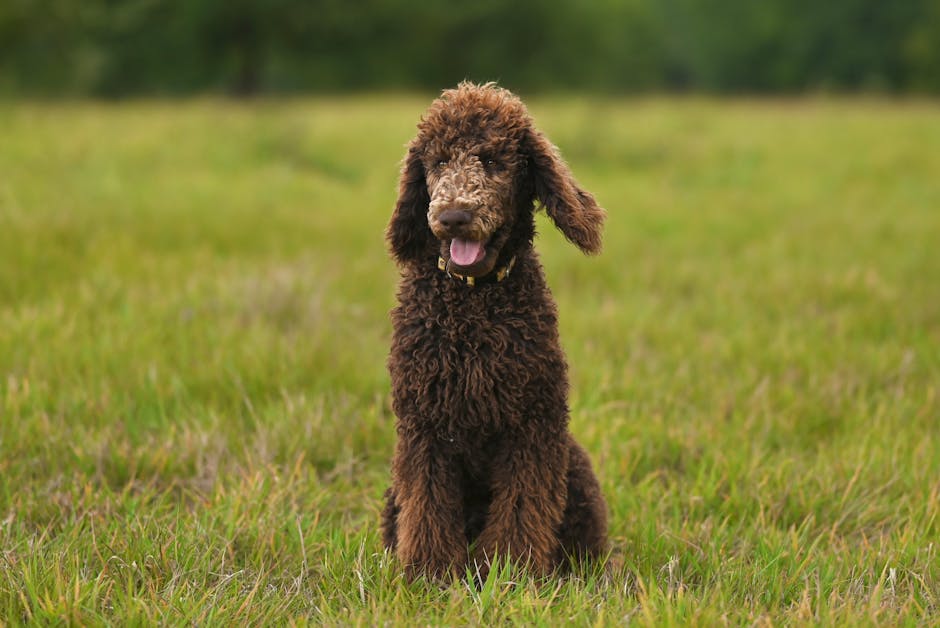
Most Standards stand between 20 and 23 inches at the shoulder, though the breed standard only requires “over 15 inches.” Males typically hit 60–70 pounds; females run closer to 40–50. These are legit medium-to-large dogs. My friend’s Standard, a red male named Remy, stands 24 inches tall and weighs 65 pounds. He’s bigger than a lot of Labs.
They’re athletic, too. Standards were built to swim and retrieve all day. They’ve got deep chests, long legs, and a muscular build hidden under all that curly fur. Don’t let the fancy haircuts fool you — these are working dogs.
Miniature Poodle (10–15 Inches)
The Miniature sits in that sweet spot between 10 and 15 inches, weighing 10 to 15 pounds. They’re small but not fragile. Think of them as the Goldilocks poodle — not so big that they need a huge space, not so small that you’re worried about stepping on them.
Minis tend to be sturdier than they look. They’ve got proportionally more muscle mass than Toys and can handle rougher play. If you’ve got older kids who want a dog they can actually romp with, a Mini can take it.
Toy Poodle (Under 10 Inches)
Under 10 inches and 4 to 6 pounds. That’s tiny. We’re talking about a dog that fits in a large handbag, and yes, people do carry them around like that. A Toy Poodle is roughly the size of a Chihuahua but with about ten times the brainpower.
Their small size makes them genuinely portable. Traveling, apartment living, visiting relatives — a Toy goes everywhere easily. But that size comes with fragility. A Toy Poodle can break a leg jumping off a couch. I’m not exaggerating. It happens.
Temperament Differences by Size
Energy Levels and Exercise Needs
This is where the poodle size comparison gets really important. Standards need serious exercise. We’re talking 60–90 minutes a day of real activity — not just a casual stroll around the block. Swimming, running, fetch, agility courses. Remy goes on 5-mile runs with his owner and still has energy for an evening game of fetch. Skip a day and he’ll rearrange the living room furniture out of boredom.
Miniatures need about 45–60 minutes daily. They’re active but manageable. A couple of good walks plus some playtime and they’re content. They adapt well to your schedule — if you want to go on a long hike, they’re game. If it’s a rainy Tuesday and you only manage a 30-minute walk, they’ll survive.
Toys need the least exercise — 20 to 30 minutes of activity plus some indoor play. But here’s the catch: they still need mental stimulation. A bored Toy Poodle is a destructive Toy Poodle. Puzzle toys, training sessions, and interactive games matter just as much as walks.
Trainability Across All Three Sizes
All three sizes are absurdly trainable. That 2nd-place intelligence ranking shows up immediately when you start working with them. Poodles learn new commands in under 5 repetitions and obey first commands 95% of the time. For context, the average dog takes 25–40 repetitions.
But there are subtle differences. Standards tend to be the most eager to please. They’ve got that retriever background — they want to work with you. Training a Standard feels collaborative.
Minis are smart and willing but can be slightly more independent. They’ll learn the trick, decide if it’s worth doing, and then comply. Usually. My friend’s Mini, Gigi, knows a solid 30 commands but has a very clear “I don’t feel like it” face she deploys about 20% of the time.
Toys can be the trickiest to train — not because they’re less intelligent but because owners often skip the training. Small dog syndrome is real, and it’s 100% the owner’s fault. When you don’t enforce boundaries because the dog is cute and tiny, you end up with a yappy, anxious, poorly behaved pet. Train your Toy Poodle like it’s a German Shepherd and you’ll get a brilliant little companion.
Personality Quirks Unique to Each Size
Standards are the clowns of the poodle world. Goofy, playful, and genuinely funny. They’ll make you laugh daily. They also tend to be the calmest and most stable, temperamentally. Good with kids, good with other dogs, good with strangers once introduced.
Minis are the velcro dogs. They bond intensely with their people and can develop separation anxiety if you’re not careful. They’re alert, watchful, and make surprisingly good watchdogs for their size. Every Mini I’ve known has been a bit of a busybody — they need to know what’s happening in every room at all times.
Toys can lean toward nervousness and anxiety if not properly socialized. They’re also the most likely to be “one-person dogs,” bonding deeply with a single owner and being aloof or skittish with everyone else. That said, a well-socialized Toy with a confident owner is an absolute delight — affectionate, clever, and hilariously full of personality for such a small package.
Health Concerns by Size Variety
Each size has its own set of genetic vulnerabilities. This matters when you’re choosing a breeder and budgeting for vet care.
Standard Poodle: Bloat and Addison’s Disease
Bloat (gastric dilatation-volvulus) is the big scary one. Standards have deep chests, which puts them at higher risk for this life-threatening condition where the stomach twists on itself. It can kill a dog in hours. Preventive gastropexy during spay/neuter is worth discussing with your vet.
Addison’s disease (hypoadrenocorticism) hits Standards disproportionately hard. It’s manageable with medication but requires lifelong treatment. Symptoms include lethargy, vomiting, and collapse — they mimic so many other conditions that Addison’s is often called “the great pretender.”
Other concerns: hip dysplasia (get OFA hip certifications from your breeder), sebaceous adenitis (a skin condition), and progressive retinal atrophy. Budget around $200–400 annually for breed-specific health monitoring.
Miniature Poodle: Eye and Joint Issues
Progressive retinal atrophy (PRA) is the headliner for Minis. It causes gradual blindness and has no cure. The good news? There’s a genetic test for it. Any reputable Mini Poodle breeder should have CERF eye certifications for both parents. If they don’t, walk away.
Legg-Calvé-Perthes disease (degeneration of the hip joint) and luxating patella also show up in Miniatures. Both are orthopedic issues that may require surgery in severe cases.
Epilepsy occurs more frequently in Minis than in the other sizes. It’s usually manageable with medication, but it’s something to know about upfront.
Toy Poodle: Dental Problems and Luxating Patella
Those tiny jaws create big dental problems. Toy Poodles are prone to overcrowded teeth, early tooth loss, and periodontal disease. Budget for professional dental cleanings — at least annually, probably twice a year. Home brushing isn’t optional; it’s mandatory.
Luxating patella (kneecap dislocation) is extremely common in Toys. Grades range from 1 to 4, with grades 3 and 4 typically requiring surgical correction. Ask your breeder about patella checks on the parents.
Tracheal collapse is another Toy concern, especially as they age. If your Toy Poodle starts making a honking cough, get to the vet. And use a harness instead of a collar — always.
Grooming Requirements (Spoiler: All High Maintenance)
I’m going to be blunt: if you’re not prepared for serious grooming commitment, don’t get any poodle. All three sizes have the same coat type — continuously growing, curly hair that doesn’t shed but mats like crazy if neglected.
Here’s what you’re signing up for:
- Professional grooming every 4–6 weeks: $50–$90 per session depending on your area and the size of the dog. Standards cost more simply because there’s more dog.
- Daily brushing or at minimum every other day. Skip a week and you’ll be dealing with mats that have to be cut out.
- Regular ear cleaning. Poodles grow hair inside their ear canals, which traps moisture and causes infections. This needs attention weekly.
- Home maintenance between grooming appointments — face trims, paw pad trims, sanitary clips.
The upside? That non-shedding coat is a genuine blessing for allergy sufferers. No dog is truly hypoallergenic, but poodles come about as close as it gets. You won’t find tumbleweeds of fur under your couch. You will, however, find a line item in your monthly budget for grooming that rivals your own haircut costs.
A friend of mine learned to groom her Standard at home to save money. She invested about $400 in clippers, a grooming table, and a forced-air dryer. After a rocky learning curve — Remy had some questionable haircuts that first year — she now does a perfectly decent job. But it takes her about two hours per session. So you’re trading money for time.
Best Living Situations for Each Size
Standard Poodles do best in houses with yards. They can adapt to apartment living if — and this is a big if — you’re committed to substantial daily exercise. A Standard cooped up in a one-bedroom with two 15-minute walks a day will destroy your apartment and lose its mind. They need space to move.
Standards also tend to be the best choice for families with young children. They’re big enough not to be injured by clumsy toddlers and typically have the patience and stable temperament for family chaos.
Miniature Poodles are the most adaptable. House, apartment, condo, townhouse — they adjust. They do well with singles, couples, and families with older kids (say, age 6 and up). If you work from home, a Mini is an outstanding companion. If you’re gone 8–10 hours a day, you’ll need a dog walker or doggy daycare.
Toy Poodles are ideal for apartments and small spaces. They’re perfect for seniors, single professionals, and couples without young children. I can’t stress this enough: Toys and toddlers don’t mix. A 4-pound dog and a 30-pound child who doesn’t understand “gentle” is a recipe for a broken leg or worse.
Toys also travel well. They fit under airline seats, they’re welcome at more hotels, and they’re easy to manage in the car. If you travel frequently and want to bring your dog, a Toy has practical advantages the other sizes simply don’t.
Lifespan Comparison
One of the most interesting standard vs miniature vs toy poodle differences is lifespan. Smaller dogs consistently live longer, and poodles follow this rule perfectly:
| Size | Average Lifespan | Record Ages |
|---|---|---|
| Standard | 12–15 years | Some reach 16–17 |
| Miniature | 14–16 years | Occasionally 17–18 |
| Toy | 14–18 years | Some documented past 20 |
That’s a meaningful gap. Choosing a Toy over a Standard could mean 3–5 extra years with your dog. For some people, that’s a deciding factor.
The reason is straightforward biology: larger dogs age faster at a cellular level. Their bodies work harder to maintain more mass, and organ systems wear out sooner. It’s the same pattern you see across all breeds — Great Danes average 7–10 years while Chihuahuas regularly hit 15–20.
What extends any poodle’s life: regular vet checkups, appropriate exercise, good nutrition, dental care, and genetic health testing. What shortens it: obesity, skipped vet visits, and buying from breeders who don’t health test.
Frequently Asked Questions
Which poodle size is best for first-time owners?
Miniature. They’re the sweet spot — smart enough to train easily, small enough to manage, sturdy enough to handle minor mistakes, and adaptable to most living situations. Standards require more experience with exercise management, and Toys need an owner who won’t baby them into behavioral problems.
Do different poodle sizes get along with each other?
Generally yes, but supervise size mismatches. A Standard playing with a Toy can accidentally injure the smaller dog just through normal play behavior. I’ve seen a Standard accidentally body-check a Toy and send it tumbling. No malice — just physics. Minis and Toys pair better together.
Are Miniature Poodles calmer than Standard Poodles?
It depends on what you mean by “calmer.” Standards have a more even, relaxed temperament overall — they’re less reactive and less prone to anxiety. But they need more physical activity, so if that exercise need isn’t met, they become restless and destructive. A well-exercised Standard is actually the calmest poodle in the house. A couch-potato Mini might seem calmer day-to-day simply because their exercise threshold is lower.
How much does it cost to own each poodle size annually?
Rough estimates: Standards run $2,000–$3,500/year (higher food costs, larger medication doses, more expensive grooming). Minis cost $1,500–$2,500/year. Toys run $1,200–$2,000/year. These numbers include food, routine vet care, grooming, and basic supplies — but not emergencies. Set aside an emergency fund or get pet insurance regardless of size.
Can Toy Poodles do agility and dog sports?
Absolutely. Toy Poodles are phenomenal at agility, rally obedience, and trick competitions. They’re fast, nimble, and love the mental challenge. There are size-specific divisions in most competitions, so your Toy won’t be running the same jump heights as a Standard. My personal favorite thing to watch at dog shows is a Toy Poodle absolutely flying through a mini agility course. They take it so seriously.
Is the miniature poodle vs toy poodle difference just about size?
Mostly, yes — but size creates real practical differences. Toys are more fragile, more prone to dental issues and tracheal collapse, and can be harder to housetrain (tiny bladder). Minis are sturdier, have fewer size-related health issues, and tolerate rougher handling from kids. Temperamentally, both can be wonderful — the differences are more about individual dogs and training than inherent traits tied to the few inches between them.
Picking between poodle sizes ultimately comes down to your lifestyle, not just your preference. Be honest about how much space you have, how active you are, and how much grooming commitment you can handle. All three sizes share the same brilliant mind and loyal heart — you’re really just choosing the package it comes in. And honestly? You can’t go wrong with any of them. Poodles are that good.
Featured Image Source: Pexels