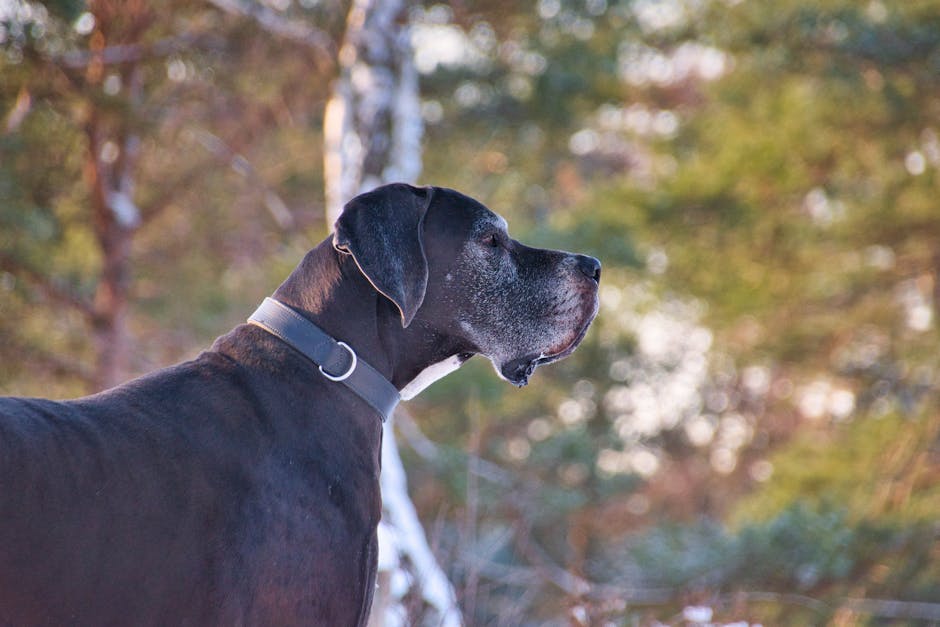



Your dog is staring at you. Dinner’s on the table, you’ve just sat down, and — there it is. That sharp, insistent bark. Not a “someone’s at the door” bark. Not a “I’m scared” bark. It’s the “I want what you have and I want it NOW” bark. And if you’ve been living with this, you already know it can make you dread mealtimes, phone calls, and basically any moment you’re not actively entertaining your dog.
Here’s what frustrates me about most barking advice online: it all boils down to “just ignore it.” As if that’s simple. As if your dog won’t escalate to ear-splitting volume for twenty minutes straight while your neighbor bangs on the wall. I’ve been through demand barking with two of my own dogs — my Border Collie was an absolute master at it — and I can tell you that ignoring alone is not a complete strategy. It’s one piece. You need to give your dog something better to do instead.
That’s what this guide is actually about. Not just surviving the barking, but replacing it with behaviors that work for both of you. Realistic timelines, specific scenarios, and methods that professional behaviorists actually endorse.
What Is Demand Barking (And Why Ignoring Alone Doesn’t Work)
Demand barking is an operant behavior. That’s a fancy way of saying your dog learned it works. At some point — maybe when they were a puppy, maybe last Tuesday — they barked and got what they wanted. Food. Attention. A door opened. A ball thrown. The barking got reinforced, so they kept doing it. Simple as that.
This is different from reactive barking, fear-based barking, or alert barking. Demand barking is deliberate. Calculated, even. Your dog is making a choice: “If I bark, good things happen.” And honestly? They’re not wrong. We taught them that.
The standard advice to “just ignore it” comes from extinction — the behavioral principle that if you stop reinforcing a behavior, it eventually dies out. And that’s technically true. But there are two massive problems with relying on extinction alone.
First, it takes forever if you’re not also teaching an alternative. Your dog doesn’t know what you do want them to do. They just know the thing that used to work stopped working, which is confusing and frustrating for them. Second — and this is the big one — extinction bursts will test every ounce of patience you have.
Demand Barking vs Alert Barking vs Anxiety Barking
Before you start any training protocol, make sure you’re actually dealing with demand barking. Treating the wrong type can make things worse.
| Type | Trigger | Body Language | Stops When… |
|---|---|---|---|
| Demand barking | Wants something specific (food, play, attention) | Stiff posture, direct eye contact, may paw at you | They get what they want (or give up) |
| Alert barking | Noise, visitor, something unusual | Oriented toward stimulus, ears forward, may run to window | Stimulus leaves or they’re redirected |
| Anxiety barking | Separation, confinement, fear trigger | Panting, pacing, whale eyes, tucked tail | Stressor is removed; doesn’t respond well to ignoring |
Demand barking has a very specific look. Your dog is focused on you, not on a noise or a door. They’re making eye contact. Often there’s a pause between barks — they’re checking to see if it’s working. My Golden used to bark twice, stare at me for three seconds, then bark twice more. Like clockwork.
If your dog’s barking comes with panting, drooling, destructive behavior, or happens when you leave the house, that’s likely anxiety — and you need a different approach entirely. Please talk to your vet or a certified behaviorist.
Why ‘Extinction Bursts’ Make Ignoring Feel Impossible
Here’s the part nobody warns you about. When you start ignoring demand barking, it gets worse before it gets better. Way worse. This is called an extinction burst, and it’s completely normal — but it’s also the exact moment most people cave.
Think of it like a vending machine. You put your dollar in, press the button, nothing comes out. Do you walk away? No. You press the button harder. You press it ten times. You might smack the machine. That escalation is an extinction burst.
Your dog does the same thing. The barking that used to work isn’t working anymore, so they try harder. Louder. Longer. Maybe they add jumping or pawing. And if you give in during this burst — even once — you’ve just taught your dog that more intense barking is what works now. You’ve made the problem worse.
This is exactly why ignoring alone isn’t enough. You need to pair it with something proactive.
The DRI Method — Teaching an Incompatible Behavior
DRI stands for Differential Reinforcement of Incompatible behavior. It’s endorsed by the American Veterinary Society of Animal Behavior, and it’s genuinely the most effective approach I’ve used for how to stop demand barking.
The concept is straightforward: you teach your dog a behavior that physically can’t happen at the same time as barking. A dog holding a toy in their mouth can’t bark. A dog lying on a mat with their chin down isn’t standing at the table barking at you. You reward the incompatible behavior heavily, and the barking becomes unnecessary.
Step 1: Identify the Trigger Situation
Spend a few days paying attention. When does the demand barking happen? Be specific. Not just “dinnertime” but “when I open the fridge” or “when I sit down at the table with my plate.” Not just “when I’m busy” but “when I pick up my phone and stop paying attention to her.”
Write these down. Seriously. You need to know the exact triggers so you can get ahead of them.
Common triggers:
– You preparing or eating food
– Phone calls or video meetings
– You sitting down to work at your computer
– Getting ready for a walk (grabbing the leash, putting on shoes)
– When you come through the front door
– When another family member gets attention
Step 2: Choose a Replacement Behavior (Go to Mat, Hold a Toy)
Pick something your dog can do instead of barking. The best options are:
Go to mat/place. This is my number one recommendation. You teach your dog that when a trigger happens, they go to their bed or mat and settle there. It works because a dog lying calmly on a mat is doing something completely incompatible with standing next to you barking.
Hold a toy. Some dogs — especially retrievers — take to this naturally. My Golden loved this one. When she started to demand bark, I’d redirect to “get your toy,” and she’d grab her stuffed duck and parade around with it. Can’t bark with a mouth full of duck.
Chin rest. For dogs who are close to you when they bark (like under your desk), teaching a chin rest on your knee or on their bed gives them a calm default behavior.
Train the replacement behavior separately first, away from the trigger situation. Don’t try to teach “go to mat” for the first time when you’re eating dinner and your dog is already barking. That’s setting everyone up to fail.
Step 3: Reinforce the Replacement Before the Bark Starts
This is where timing matters. You need to cue the replacement behavior before the barking starts. If you wait until your dog is already barking and then ask for the replacement, you risk the dog learning the sequence: bark → get sent to mat → get treats. That’s not what we want.
So if dinnertime is the trigger, send your dog to their mat before you sit down. Reward them for being on the mat. Keep rewarding at intervals — every 30 seconds at first, then gradually stretch it out. The goal is that being on the mat during dinner becomes more rewarding than barking at the table ever was.
With my Border Collie, I started with treating every 15 seconds on the mat during dinner. After a week, I was at every 2 minutes. After three weeks, he’d just go there automatically when I started plating food. No cue needed.
Scenario-Based Protocols
Generic advice only gets you so far. Here’s how to handle the specific situations where demand barking drives people up the wall.
Barking at Mealtimes While You Eat
This is probably the most common scenario. Your dog barks for attention at dinner — relentlessly.
Protocol: Teach a solid “place” command first (takes about a week of separate training). Then, five minutes before dinner, give your dog a stuffed Kong or lick mat on their place. Sit down to eat. If they stay on place, calmly drop a treat every minute or so. If they leave the mat and bark, turn completely away — no eye contact, no words. The second they’re quiet and return to the mat, mark and reward.
The lick mat is doing double duty here. It keeps them busy and the licking motion is naturally calming. I use these every single night now and it transformed our mealtimes.
Barking When You’re on the Phone or Working
If your dog barks when you’re on the phone, they’ve learned that phone calls mean your attention is divided — and barking gets it back.
Protocol: Practice with fake phone calls first. Pick up your phone, hold it to your ear, and immediately ask your dog for their replacement behavior. Reward. Hang up. Repeat ten times. Then start extending the “call” length. When your dog can handle you talking on the phone for 2-3 minutes without barking, start using real calls.
Keep a treat pouch near your desk or wherever you take calls. Toss a treat to your dog’s mat when they’re being quiet during calls. They’ll learn that quiet during phone time = good things.
Barking at the Door When You Come Home
Your dog goes ballistic when you walk in. It feels like excitement, but it’s still demand barking — they’re demanding your attention and greeting.
Protocol: This one requires the hardest discipline from you. Walk in the door. If your dog barks, stand still. Don’t look at them, don’t talk, don’t touch. The instant there’s a pause in barking — even half a second — calmly say hello and pet them. If the barking starts again, freeze.
You can speed this up by scattering a few treats on the floor as you walk in (before the barking starts). Dog’s nose goes down, barking stops, and you’ve redirected to a calmer behavior. Over time, your dog starts checking the floor when you come in instead of bark-screaming at you.
Barking for Walks or Playtime
Your dog sees the leash and loses their mind. Or brings you a ball and barks until you throw it.
Protocol: Put the leash back. Sit down. Wait for quiet. Pick up the leash again. If barking starts, leash goes away. Repeat. Most dogs figure this out within 3-5 repetitions because the consequence is immediate and clear — barking makes the thing they want go away.
For ball-obsessed dogs (looking at you, every Border Collie ever): don’t throw the ball when they bark. Ask for a sit. Ball gets thrown when they’re sitting quietly. My Border Collie used to fire off staccato barks while holding the ball in his mouth — impressive, honestly — but it only took about four days of “sit to get the throw” before he started auto-sitting.
Management Tools That Help During Training
Training takes time. You need ways to manage the barking while you’re working on the long-term fix.
Enrichment Feeders and Lick Mats
These are not optional in my house anymore. They’re essential management tools.
- Lick mats smeared with peanut butter, yogurt, or pumpkin puree — the repetitive licking triggers calming endorphins
- Stuffed Kongs frozen overnight — these can keep a dog busy for 20-40 minutes
- Snuffle mats for scattering kibble — engages their nose and brain
- Puzzle feeders for dogs who demolish Kongs in five minutes (you know who you are)
I rotate between three or four options so they don’t get stale. The key is giving these proactively — before the demand barking starts — not as a reaction to barking. Handing your dog a Kong after they bark at you for ten minutes teaches them that barking eventually produces a Kong.
Tethering and Baby Gates for Space Management
Sometimes physical management is the kindest option while you’re training.
A baby gate that keeps your dog out of the kitchen during cooking removes the opportunity for demand barking at the stove. A tether station (a leash attached to a heavy piece of furniture with a comfy bed) near your desk gives your dog a defined spot during work calls.
These aren’t permanent solutions. They’re training aids. Use them to prevent rehearsal of the barking behavior while you build up the replacement behavior.
Timeline — How Long Until Demand Barking Stops
Real talk: this isn’t a weekend project. Here’s what a realistic timeline looks like.
Week 1: Train the replacement behavior separately. Practice “go to mat” or “hold toy” in low-distraction settings. 5-10 minutes, twice daily. Use management tools (gates, Kongs) to prevent demand barking during trigger situations.
Week 2: Start introducing the replacement behavior in trigger situations. Expect some demand barking still — you’re asking your dog to do something new in a context where they have a strong habit. Reinforce heavily. Treat every 15-30 seconds on the mat.
Weeks 3-4: You should see significant improvement. Your dog starts offering the replacement behavior without being asked. You can stretch reinforcement intervals to every 2-3 minutes. Extinction bursts may still happen occasionally — especially if someone in the household accidentally reinforces the barking.
Weeks 5-8: The new behavior becomes habitual. You’re reinforcing intermittently now. Occasional barking might pop up during high-excitement moments, but it’s no longer the default.
The honest caveat: If everyone in the household isn’t on the same page, this takes much longer. One person rewarding the bark undoes a lot of work. Get everyone on board before you start.
Dogs who’ve been demand barking for years will take longer than puppies who just started. My Border Collie’s dinnertime barking — which had been happening for two years before I got serious about it — took a solid six weeks. My Golden’s door-greeting barking resolved in about ten days. Every dog is different.
Frequently Asked Questions
Is demand barking a sign of a badly trained dog?
No. It’s a sign of a smart dog who figured out that barking works. Demand barking is actually a normal learning process — your dog tried something, it got reinforced, so they kept doing it. The training issue isn’t with the dog. It’s that we accidentally taught them barking pays off.
Can I use a bark collar to stop demand barking?
I’d strongly advise against it. Bark collars (citronella, vibration, or shock) suppress the symptom without addressing the underlying motivation. Your dog still wants the thing — they just can’t express it. This can lead to frustration, anxiety, and the behavior popping up in other ways. DRI is more effective long-term and doesn’t risk fallout.
My dog only demand barks with me, not my partner. Why?
Because you’ve been the one reinforcing it. Dogs are excellent at learning who gives in and who doesn’t. Your partner probably ignored the barking more consistently — or never started rewarding it in the first place. This is actually good news: it proves your dog can be quiet. They just need consistent rules from you too.
What if I’ve been accidentally reinforcing demand barking for years?
It’s not too late. Longer-established habits take more time to change, but the process is the same. Start with the DRI method, be consistent, and expect 6-8 weeks instead of 2-4. The extinction burst in the first week might be more intense with a deeply ingrained habit, but push through it. I’ve seen senior dogs with years of demand barking learn new patterns. It absolutely can be done.
How do I know if my approach to stop demand barking is working?
Track the frequency. Seriously — keep a simple tally for a few days before you start, then check weekly. You should see the number of barking episodes drop, the duration of each episode shorten, and your dog offering the replacement behavior more quickly. If you’re not seeing any change after two full weeks of consistent effort, reassess your triggers and make sure everyone in the household is following the same rules.
Demand barking is one of those problems that feels huge when you’re in the middle of it — when your dog is barking through every dinner and every phone call and you’re wondering if this is just your life now. But it’s one of the most fixable behavior issues out there. Give your dog a clear alternative, reinforce it generously, manage the environment while they’re learning, and be patient through the rough patches. You’ll get there.
Featured Image Source: Pexels