


My Dogs Have Taught Me Expensive Lessons About Flea and Tick Prevention
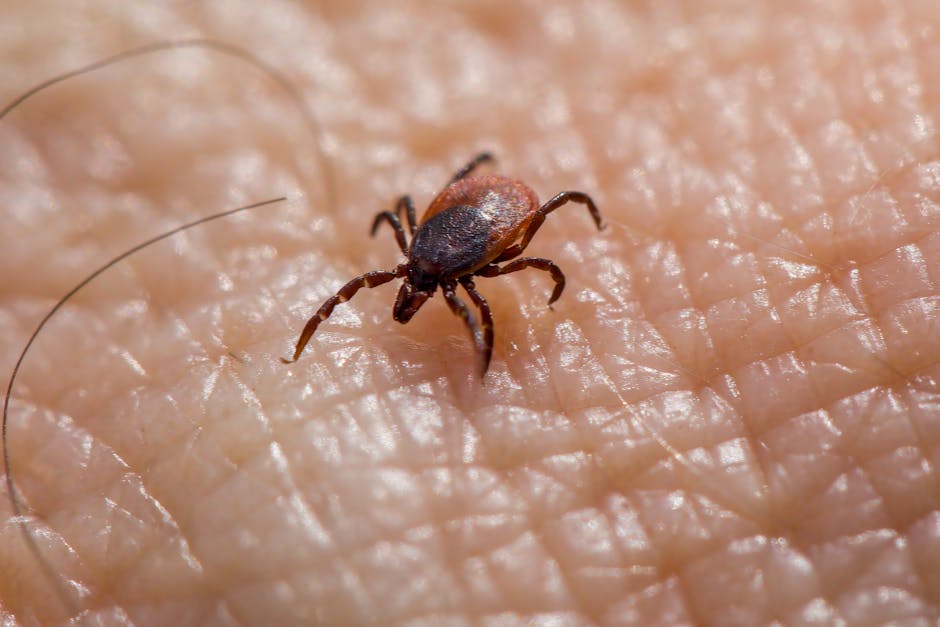
Last spring, I pulled ticks off my Golden Retriever after a single afternoon hike on the Cascade Creek trail. Lost count around fifteen — could’ve been more. We’d been using a budget flea collar I grabbed at the grocery store because “they’re all basically the same, right?”
They’re not.
Two weeks later, Bailey tested positive for anaplasmosis. I spent the next month giving her daily antibiotics while she limped around the house looking miserable. It was raining that whole week, which somehow made it worse — watching her hobble to the back door through grey drizzle, tail barely wagging.
That experience sent me down a research rabbit hole. I’ve now tried pretty much every major flea and tick preventative on the market across my three dogs over the past few years. Some worked brilliantly. Others were a complete waste of money. And a few taught me things I wish I’d known before handing over my credit card.
Understanding Your Options (The Quick Version)
You’ve got five main categories: oral chewables, long-acting injectables, topical spot-ons, collars, and natural alternatives. They all claim to solve your problem. They don’t all actually do it.
| Type | How It Works | Duration | Best For |
|---|---|---|---|
| Oral Chewables | Drug circulates in bloodstream, kills parasites when they bite | 1-3 months | Dogs who swim a lot, picky about topicals |
| Long-Acting Injectables | Single vet-administered injection provides year-round protection | 12 months | Forgetful owners, maximum convenience |
| Topical Spot-Ons | Spreads across skin via oil glands | 1 month | Budget-conscious, cats in household |
| Collars | Slow-release chemicals across coat | 5-8 months | Low-maintenance owners |
| Natural Options | Repels (doesn’t kill) through scent | Hours | Supplement only, never standalone |
The oral chewables and injectables require a prescription. Everything else you can buy yourself. Skip the vet anxiety though — most clinics charge $60-75 for a basic exam these days (mine’s gone up twice in three years), and you’ll spend more than that treating a single flea infestation.
Important Safety Information: The Isoxazoline Class Warning
Before going into specific products, you need to know this: NexGard, Simparica Trio, Bravecto, and Credelio all belong to the isoxazoline drug class. The FDA originally issued a safety communication back in 2018 requiring manufacturers to include warnings about potential neurological adverse events — muscle tremors, ataxia (loss of coordination), and seizures. Updated label requirements have rolled through since then as more post-market data has come in.
These side effects are rare, and the FDA still considers these products safe and effective for most dogs. But if your dog has a history of seizures or neurological problems, talk to your vet before starting any isoxazoline product. The warning applies to every oral flea and tick chewable I recommend below.
My Top Pick: NexGard PLUS
If you can only buy one product, NexGard PLUS is what I’d choose for most dogs.
It covers fleas, five types of ticks, heartworm, roundworms, and hookworms. One beef-flavoured chew, once a month, done. My dogs think they’re getting a treat. No wrestling anyone into position for a topical, no checking that a collar’s still fitted properly, no anything. Just hand it over and walk away.
The active ingredient (afoxolaner) starts killing fleas within four hours. I noticed a dramatic difference after Bailey’s first dose — the constant scratching stopped, and I wasn’t finding ticks hitchhiking home anymore. The original FDA trial pegged voluntary acceptance at over 95%, and that tracks with my experience across three dogs. All three of mine eat it without drama. Compare that to the twice-monthly wrestling match I used to have with topicals — pinning down a 70-pound Golden who’s convinced you’re trying to poison her.
It’s not cheap. Last time I refilled at Chewy I paid $34 for the 33-60lb size, and prices have crept up steadily — figure $30-40 per month depending on dog size. But factor in what you’d pay for separate heartworm prevention and intestinal worm treatment, and the maths actually works out. I ran the numbers once. Came out about $5 cheaper per month than buying everything separately.
NexGard PLUS doesn’t prevent Lyme disease though. If you’re in a Lyme-heavy area (Northeast, Upper Midwest), Simparica Trio might be worth the switch — it specifically targets the black-legged ticks that carry Lyme and has FDA approval for Lyme prevention.
What about Bravecto Quantum? If you absolutely hate monthly dosing and want set-it-and-forget-it protection, the 12-month injectable (see below) is worth a look. But it doesn’t cover heartworm or intestinal parasites, so you’d need separate prevention for those. For most owners, NexGard PLUS’s all-in-one monthly approach stays more practical.
Minimum requirements: 8 weeks old, at least 4 pounds.
Simparica Trio: The Lyme Disease Fighter
This is what I switched Bailey to after her tick-borne illness scare. Simparica Trio covers Lyme disease prevention specifically, plus everything NexGard PLUS does minus one hookworm species. If you live anywhere with deer ticks, the Lyme protection matters more than the hookworm coverage ever will.
Recent updates make this even more compelling. In April 2025, Simparica Trio became the first oral preventative with FDA approval for flea tapeworm (Dipylidium caninum) prevention — a genuinely useful addition, since tapeworms are transmitted through flea ingestion. Coverage was also expanded for Asian longhorned ticks, the invasive species spreading across the eastern US that can carry serious disease. Zoetis cites efficacy in the high-90s on this one; check the current label if you want the exact figure, as numbers shift with each post-market update.
The liver flavour doesn’t appeal to my dogs quite as much as NexGard’s beef, but they still eat it. And here’s something that matters for small dog owners: the minimum weight is just 2.8 pounds versus NexGard PLUS’s 4-pound requirement. Got a tiny Yorkie or Chihuahua who hasn’t hit 4 pounds yet? This is your option.
By Zoetis’s own count, Simparica Trio has now been dispensed to tens of millions of dogs since launch — a lot of real-world safety data on top of the clinical trials.
Bravecto: For the Forgetful
Two very different products share the Bravecto name now, and they solve different problems.
Bravecto Chewable (12 Weeks)
The original chew still exists — one dose lasts 12 weeks. Four doses a year. That’s it.
It doesn’t cover heartworm or intestinal worms, so you’ll need separate prevention for those. The topical version goes down to 4.4 pounds and 6 months of age if your dog won’t take chewables.
Bravecto Quantum Injectable (12 Months)
This is the bigger shift. FDA approved in July 2025 and expanded in March 2026, Bravecto Quantum is the first and only 12-month flea and tick injectable. One vet visit per year. That’s it.
What it covers:
- Fleas: 12 months protection
- Most ticks (American dog tick, black-legged tick, brown dog tick): 12 months
- Lone star ticks: 8 months
- Asian longhorned tick and Gulf Coast tick: added in March 2026 label expansion
The catch: It’s administered by your vet, so you can’t just order it online. And like the chewable, it doesn’t cover heartworm or intestinal parasites — you’ll still need separate prevention for those.
Who’s it for? If you’ve ever missed a monthly dose (or three), this removes human error from the equation entirely. One annual vet visit handles your flea and tick protection for the year. For busy owners or dogs who are difficult to medicate, this is genuinely transformative.
Credelio and Credelio Quattro: The Underrated Options
I didn’t include Credelio in earlier versions of this guide, and that was an oversight.
Credelio (Monthly)
Standard monthly flea and tick chewable. What makes it notable:
- Minimum weight of just 3.3 pounds — lower than NexGard PLUS or Bravecto
- Studies suggest it may act faster against Lone Star ticks than NexGard or Simparica Trio
- Same isoxazoline class as the others, so the same MDR1 considerations apply
Credelio Quattro (Monthly)
This is where it gets interesting. Credelio Quattro covers six parasite types in one chew:
- Fleas
- Ticks
- Heartworm
- Roundworms
- Hookworms
- Tapeworms (the only monthly chewable besides updated Simparica Trio to cover these)
In October 2025, it also received Emergency Use Authorisation for New World screwworm — not something most US dog owners need to worry about, but notable if you’re near the Texas-Mexico border or travel internationally with your dog.
If your dog has had tapeworm issues or you want the broadest parasite coverage in a single monthly chew, Credelio Quattro deserves serious consideration.
Topicals: Frontline Plus vs. K9 Advantix II
Some dogs refuse oral medications. Some owners prefer not to give them. Fair enough.
Frontline Plus is the safer choice if you have cats. Its active ingredients (fipronil and methoprene) won’t harm cats who groom or cuddle with your treated dog. It’s also safe for pregnant and nursing dogs, which most other products aren’t. The tradeoff: Frontline kills after parasites bite — it doesn’t repel them.
K9 Advantix II repels AND kills. Ticks experience what’s called “hot foot effect” — they get agitated, can’t attach, and fall off before biting. Real advantage in heavily infested areas. But it contains permethrin, which is toxic to cats. If your cat and dog are snuggle buddies, skip this one entirely. I mean it. Permethrin can kill cats.
Both need reapplication every 30 days. Both lose effectiveness with frequent swimming or bathing. If your dog’s in the water more than once a month, go oral instead.
| Feature | Frontline Plus | K9 Advantix II |
|---|---|---|
| Kills Fleas | ✓ | ✓ |
| Kills Ticks | ✓ | ✓ |
| Repels Before Bite | ✗ | ✓ |
| Mosquitoes | ✗ | ✓ |
| Cat-Safe | ✓ | ✗ |
| Pregnant/Nursing | ✓ | ✗ |
The Seresto Collar Reality Check
Everyone knows someone who swears by Seresto. Eight months of protection! No pills! No messy liquids!
And look, it does work. I used it on my older dog who was already on three other medications and didn’t need more pills in her routine. For eight months, she stayed flea-free. The collar is water-resistant, odourless, and I forgot it was even there most days.
But you need to know what’s happened since I first wrote this guide.
In July 2023, the EPA mandated new warning labels on Seresto collars following a Congressional investigation that documented over 100,000 incident reports and more than 2,500 reported pet deaths associated with the product. A $15 million class action settlement followed — affected owners could claim up to $13 per collar, or up to $300 plus veterinary costs if their pet died.
Despite Congressional pressure, no recall was issued. The EPA determined the collar could remain on the market with enhanced warnings.
My take: The incident reports represent a small fraction of the tens of millions of collars sold, and many reported issues may have other causes. But the sheer volume of complaints — and the fact that regulatory agencies took them seriously enough to mandate label changes and allow a class action — means I can’t recommend Seresto with the same confidence I once did.
If you still want to use it:
- Buy only from authorised retailers (Chewy, PetSmart, your vet) — counterfeits are a real problem
- Monitor your dog closely for the first few days
- Remove immediately if you notice skin irritation, lethargy, vomiting, or neurological symptoms
- Keep the receipt and lot number in case you need to file a claim
If your dog swims regularly or gets bathed more than once a month, that 8-month protection drops to 5 months for fleas anyway. At that point, you might as well use a monthly product with a cleaner safety profile.
In areas with heavy tick pressure, some vets recommend using Seresto as a backup layer alongside an oral preventative rather than standalone. Lower, continuous dosing means it might not hit hard enough on its own when you’re dealing with serious tick populations.
What I’d Skip: Hartz UltraGuard
I know it’s tempting. Hartz collars cost like $8 at Walmart. You see them right there at checkout.
Don’t.
The active ingredients are less effective, the duration is shorter, and I’ve seen too many reports of skin irritation and zero actual flea control. If you’re on a tight budget, PetArmor Plus (generic Frontline) runs about $20-25 for a 3-month supply. That’s the budget option worth considering.
For Collie and Aussie Owners: The MDR1 Factor
This is important. About 70% of Collies and 50% of Australian Shepherds carry the MDR1 gene mutation, which affects how their bodies process certain medications. Before you panic — the isoxazoline class flea and tick preventatives (NexGard, Simparica Trio, Bravecto, Credelio) are considered safe even for dogs carrying two copies of MDR1. That’s been clearly established in the FDA labels for each product.
The MDR1 issue mostly comes up with other drugs — high-dose ivermectin, certain chemotherapy agents, loperamide (Imodium). Not with the isoxazolines. Still, if your herding breed has never been tested, the cheek swab from Washington State University’s Veterinary Clinical Pharmacology Lab runs about $70 and gives you peace of mind for life. Worth it before the first time your vet recommends anything off the standard list.
Other breeds in the MDR1 risk group include Border Collies, Long-haired Whippets, Silken Windhounds, Shelties, and any mix with herding-breed ancestry. If your rescue mutt has the eyebrow-raising tendency to herd your kids around the garden, it’s worth a test.
Natural Alternatives: Don’t Use These as Your Only Defence
I get the appeal. Essential oils, diatomaceous earth, apple cider vinegar sprays — they sound gentler, they’re cheaper, and they don’t involve giving your dog a prescription drug every month.
I tried them. I really did. After Bailey’s anaplasmosis, I went through a phase of researching every “natural” option I could find. Cedarwood collars. Garlic supplements (please don’t — garlic is toxic to dogs in meaningful amounts). A homemade vinegar-and-essential-oil spray that made my house smell like a hippie festival for two weeks.
Here’s what I learned: most of these can deter parasites short-term. None of them kill ticks before they transmit disease. And a tick attached for 24-48 hours can pass Lyme, anaplasmosis, ehrlichiosis, or babesiosis whether your dog smells like lavender or not.
If you want to layer a natural product on top of a real preventative, fine. Wondercide and Vet’s Best sprays are decent for daily use between hikes. But please don’t rely on them as your only line of defence. The cost of a single tick-borne illness diagnosis — let alone the treatment — dwarfs years of proper preventative care.
So What Should You Actually Buy?
If I had to write the whole thing on a napkin:
- Most dogs, most situations: NexGard PLUS. Monthly. All-in-one. Done.
- Lyme-country dogs: Simparica Trio. Worth the slight premium for the deer-tick protection.
- You forget medication routinely: Bravecto Quantum injectable. One vet visit a year and you’re sorted.
- Cats in the house, dog won’t take orals: Frontline Plus topical.
- Tight budget, low parasite pressure: PetArmor Plus. Skip the cheap Walmart collars.
Whatever you choose, choose something. The cost of prevention is always lower than the cost of treatment — and the cost to your dog of going through a tick-borne illness is the part you really don’t want to find out about firsthand.