

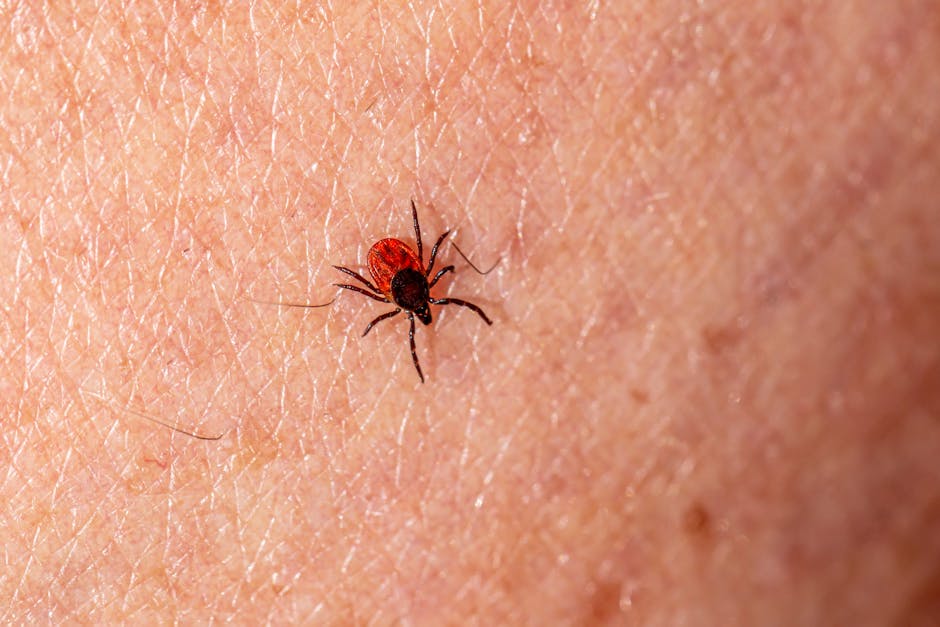

Why Tick Prevention Matters More Than You Think
I’ll be honest — I used to be lazy about tick prevention. A monthly topical here, a missed dose there. Then my Aussie mix came down with ehrlichiosis after a camping trip in Virginia, and I spent the next six weeks watching him lose weight, struggle to eat, and rack up $2,400 in vet bills. That experience changed everything about how I approach parasite prevention.
Ticks aren’t just gross. They’re tiny disease vectors that can turn a healthy dog into a very sick one in a matter of days. And the really frustrating part? Prevention costs a fraction of treatment — we’re talking $6 to $50 per month versus hundreds or thousands when things go wrong.
Tick-Borne Diseases on the Rise: Lyme, Ehrlichiosis, Anaplasmosis
The numbers aren’t encouraging. According to the Companion Animal Parasite Council’s 2026 forecasts, tick-borne disease risk continues climbing, particularly in eastern Ohio, Kentucky, Tennessee, Virginia, and North Carolina. Lyme disease cases in the U.S. have more than doubled since 2000, with some estimates now exceeding 476,000 annual cases in humans — and dogs face the same expanding tick populations.
The big three you need to know:
Lyme disease — The headliner. Caused by Borrelia burgdorferi, transmitted by deer ticks. Can cause joint pain, lethargy, fever, and in severe cases, kidney damage. Early treatment with doxycycline runs around $100-$200, but if it progresses to kidney disease? You’re looking at $1,500-$3,000+ in diagnostics, hospitalization, and ongoing management.
Ehrlichiosis — This one hit my dog. Spread by the brown dog tick and lone star tick, it attacks white blood cells. Dogs can seem fine at first, then suddenly crash with fever, weight loss, bleeding disorders, and anemia. Treatment requires a 28-day course of doxycycline, and severe cases need blood transfusions and hospitalization.
Anaplasmosis — Similar symptoms to ehrlichiosis, often found in the same regions as Lyme. The good news is it responds well to antibiotics if caught early. The bad news is “early” is a narrow window.
Treatment Cost for Tick-Borne Illness ($800–$3,000+) vs Prevention ($6–$50/Month)
Let me put this in perspective with real numbers:
| Scenario | Cost Range |
|---|---|
| Year of prescription prevention (Simparica Trio) | $550-600 |
| Year of Seresto collars | ~$75 |
| Year of generic topical (PetArmor Plus) | ~$120 |
| Lyme disease — caught early | $100-300 |
| Lyme disease — advanced with kidney involvement | $1,500-3,000+ |
| Ehrlichiosis requiring blood transfusion | $1,000-2,500 |
| Anaplasmosis with hospitalization | $800-2,000 |
Even the most expensive prevention (prescription oral chewables) costs less than a single moderate tick-borne illness treatment. And I haven’t even factored in the suffering part — watching your dog feel terrible for weeks while you wonder if you could’ve prevented it.
Which Breeds and Lifestyles Face the Highest Risk
Not all dogs face equal tick exposure. Before you spend money on the most expensive prevention, consider your actual risk level.
High-risk dogs:
- Hunting dogs and field trial competitors
- Dogs who hike, camp, or spend time in wooded or grassy areas
- Dogs in the Northeast, upper Midwest, or expanding tick zones
- Dogs with thick double coats where ticks hide easily (Huskies, Samoyeds, Golden Retrievers)
Lower-risk dogs:
- Mostly indoor, apartment-dwelling dogs with minimal outdoor time
- Dogs in arid desert climates with low tick populations
- Dogs who stick to paved urban environments
A Beagle who hunts upland birds in Pennsylvania four months a year needs different protection than a Chihuahua who takes two walks daily around a Brooklyn block. Match your prevention to your reality.
Prescription Tick Preventatives: The Gold Standard
When it comes to killing ticks quickly and reliably, prescription oral chewables are the most effective option available. They’re also the most expensive. Whether that trade-off makes sense depends on your dog’s risk profile and your budget.
Oral Chewables (NexGard, Simparica Trio, Bravecto) — How They Work, Cost Table
All three belong to a drug class called isoxazolines. They work systemically — your dog takes a chewable, the active ingredient enters the bloodstream, and when a tick bites, it ingests the drug and dies. Most ticks are killed within 24-48 hours of attachment, which is before disease transmission typically occurs (that usually takes 36-48 hours).
| Product | Active Ingredient | Dosing Frequency | Approx. Cost per Dose (50-lb dog) | Annual Cost |
|---|---|---|---|---|
| NexGard | Afoxolaner | Monthly | $18-26 | $216-312 |
| Simparica | Sarolaner | Monthly | $18-25 | $216-300 |
| Simparica Trio | Sarolaner + moxidectin + pyrantel | Monthly | $42-50 | $504-600 |
| Bravecto | Fluralaner | Every 12 weeks | $55-65/dose | $220-260 |
Simparica Trio costs more because it’s a combination product — you’re getting tick/flea prevention plus heartworm prevention plus intestinal parasite control in one chew. If you’d otherwise buy those separately, the math might actually work in your favor.
Bravecto’s 12-week duration is appealing if you (like me) forget the monthly doses. Four chews a year is easier to remember than twelve.
When Prescription Options Are Worth the Premium Price
I don’t think everyone needs to spend $500+ annually on tick prevention. But for some dogs, it’s the right call.
Prescription makes sense when:
- Your dog swims regularly. Oral products don’t wash off like topicals or lose effectiveness in water.
- You have a thick-coated breed. Getting topicals down to the skin on a Malamute is an exercise in frustration. Chewables bypass that entirely.
- Your dog is in a high Lyme/ehrlichiosis area and spends significant time in tick habitat.
- You’ve had a dog contract a tick-borne illness before and want maximum protection.
- You’re terrible at remembering monthly applications (Bravecto’s 12-week schedule helps).
Prescription probably isn’t necessary when:
- Your dog has minimal outdoor exposure in low-risk areas.
- Budget is tight and you can commit to consistent OTC application.
- Your dog is already on separate heartworm prevention and you’d be doubling up.
Side Effects and Safety Considerations by Breed
Here’s where I have to be real with you: the isoxazoline class has generated FDA warnings about neurological side effects. Reports include tremors, ataxia (unsteadiness), and seizures — even in some dogs without prior seizure history.
The actual incidence appears low. One survey found seizure-related adverse events in 3.2% of Simparica reports and 6.9% of Bravecto reports submitted to the FDA. Those are reports, not confirmed cases, and the total number of doses given dwarfs the adverse event reports.
But if your dog has any history of seizures or neurological issues, talk to your vet before starting isoxazolines. Some vets avoid them entirely in seizure-prone dogs.
Breeds with potential concerns:
Dogs carrying the MDR1 gene mutation — common in Collies, Australian Shepherds, Shetland Sheepdogs, Longhaired Whippets, and White Swiss Shepherds — can have increased drug sensitivity. There’s debate about whether this applies to isoxazolines specifically, but if your dog is a herding breed, mention it to your vet and consider testing for MDR1 status.
Over-the-Counter Tick Prevention: Best Value Options
If prescription prices make you wince, OTC options offer genuine protection at a fraction of the cost. The trade-offs are application hassle, potential wash-off with water dogs, and slightly slower kill times. For many dogs, these trade-offs are completely acceptable.
Flea & Tick Collars (Seresto: ~$6.25/Month Over 8 Months)
The Seresto collar changed the collar game. Older flea collars were basically scented accessories that did nothing. Seresto actually works.
How it works: Releases two active ingredients (imidacloprid and flumethrin) gradually over 8 months. The compounds spread across your dog’s skin through natural oils.
Cost breakdown: At around $50-75 for large dogs and 8 months of protection, you’re looking at roughly $6.25-9.40 per month. That’s cheaper than any other effective option.
Pros:
- Set it and forget it (sort of — you should check it’s still on periodically)
- No messy application
- Works continuously, no peaks and valleys like monthly treatments
- Water-resistant — remains effective through swimming and bathing
Cons:
- Some dogs manage to lose them, especially in dense brush
- Can cause local skin irritation at the collar site
- You need to replace more often if your dog swims frequently
- Rare reports of serious reactions, though these appear uncommon
My take: For moderate-risk dogs, especially those who aren’t swimming constantly, Seresto is hard to beat on value. I’ve used them on my lower-risk dogs and they’ve worked well.
Topical Treatments (Frontline Plus vs PetArmor Plus — Same Ingredients, Different Price)
Here’s something the pet industry doesn’t advertise: generic topicals contain the exact same active ingredients as name brands.
Frontline Plus contains fipronil (9.8%) and S-methoprene (8.8%). PetArmor Plus? Same thing — fipronil (9.8%) and S-methoprene (8.8%). Identical.
| Product | Active Ingredients | 6-Month Supply (Large Dog) | Cost Per Month |
|---|---|---|---|
| Frontline Plus | Fipronil 9.8%, S-methoprene 8.8% | $75-95 | $12.50-15.80 |
| PetArmor Plus | Fipronil 9.8%, S-methoprene 8.8% | $35-50 | $5.80-8.30 |
That’s roughly $60-90 per year you can save just by buying the generic. Same protection, different packaging.
Application tips: Part the fur down to the skin at the base of the skull (where they can’t lick it off), apply the entire tube directly to skin. Don’t bathe your dog for 24-48 hours before or after application.
Downsides of topicals:
- Greasy application spot for a day or two
- Effectiveness drops with frequent swimming or bathing
- You have to actually get it on skin, which is harder than it sounds with thick-coated breeds
- Kids and other pets shouldn’t touch the application site until dry
OTC Oral Options
This category is thinner than the prescription side. Most effective oral tick preventatives require a prescription. What’s available OTC tends to focus on fleas or has limited tick claims.
Capstar (nitenpyram) kills adult fleas within hours but provides no tick protection and no residual activity — it’s gone from the system within 24 hours. Useful for acute infestations, not prevention.
Some combination products claim tick repellency but lack the robust data of prescription isoxazolines or even Seresto collars. If you’re specifically concerned about ticks, I’d stick with Seresto or topicals for OTC options.
Cost Savings: How Generic Brands Save ~$180/Year vs Name-Brand Topicals
Let’s run the math for a 50-pound dog using topicals year-round:
Name-brand (Frontline Plus): $12.50-15.80/month × 12 = $150-190/year
Generic (PetArmor Plus): $5.80-8.30/month × 12 = $70-100/year
Annual savings: $80-90
Over a dog’s lifetime (say 12 years), that’s $960-$1,080 back in your pocket. Same protection. And honestly, I’ve never met a vet who thought the name brand worked better.
Natural and Holistic Tick Prevention: What the Science Says
This is where I’m going to upset some people, but you deserve the truth: natural tick prevention products lack the efficacy data of conventional treatments. Some may offer minor repellent effects. None have been proven to protect dogs the way prescription or established OTC products do.
Plant-Based Repellents (Vet’s Best, Essential Oil Sprays)
Products like Vet’s Best Flea + Tick Spray use peppermint oil, clove oil, or similar plant-based ingredients. They smell nice. Some dogs tolerate them well.
But do they actually repel ticks?
A UK study found that dogs sprayed with a turmeric oil solution were slightly less likely to have ticks after walks compared to dogs sprayed with orange oil or nothing. “Slightly less likely” isn’t “protected.”
Another study found essential oils at 16% concentration could inhibit tick egg-laying and kill tick larvae in lab conditions. Lab conditions aren’t a Virginia forest in June.
What plant-based products might do:
- Provide mild, short-duration repellency
- Make your dog smell pleasant
- Offer a layer you can combine with other methods
What they won’t reliably do:
- Kill attached ticks
- Provide lasting protection
- Replace proven preventatives in high-risk areas
The Honest Truth: No Published Efficacy Data for Natural Products
Here’s the regulatory difference you need to understand: pharmaceutical tick preventatives go through EPA registration and/or FDA approval. They submit efficacy studies showing the product actually works.
Natural products often register as “minimum risk pesticides” under FIFRA 25(b), which exempts them from EPA efficacy review. They can make claims without the same burden of proof.
This doesn’t mean they’re all useless. But it means when a natural spray says it “repels ticks,” there may be no published study proving that claim. Consumer Reports investigated and found “no guarantee that unregulated natural remedies work as claimed.”
If you want to use natural products, consider them as a supplement to conventional prevention, not a replacement — especially if you’re in a high-risk area.
Home Remedies Debunked: Diatomaceous Earth, Apple Cider Vinegar
Time to address the Pinterest favorites.
Apple cider vinegar: The theory is that ticks don’t like the taste or smell. Reality? There’s no evidence vinegar keeps ticks from biting. Even if it provided some repellency, it doesn’t kill ticks — so any tick that ignores the vinegar can still transmit disease. PetMD lists it among “flea and tick treatments that don’t work.”
Diatomaceous earth (DE): This powdered fossilized algae can indeed damage flea exoskeletons in the environment. But you shouldn’t apply it directly to your dog — it can cause lung irritation if inhaled and GI upset if ingested. More importantly, it doesn’t provide tick protection on a living, moving dog.
Save your apple cider vinegar for salad dressing.
Head-to-Head Cost Comparison Table
Enough theory. Here’s what you’ll actually spend.
Cost Per Month for a 50-lb Dog (All Categories)
| Prevention Method | Product Example | Monthly Cost | Notes |
|---|---|---|---|
| Prescription oral (monthly) | NexGard | $18-26 | Rx required |
| Prescription oral (monthly, combo) | Simparica Trio | $42-50 | Includes heartworm |
| Prescription oral (12-week) | Bravecto | $18-22 (equivalent) | Convenient dosing |
| OTC collar | Seresto | $6.25-9.40 | 8-month duration |
| OTC topical (name brand) | Frontline Plus | $12.50-15.80 | Monthly application |
| OTC topical (generic) | PetArmor Plus | $5.80-8.30 | Same ingredients as Frontline |
| Natural spray | Vet’s Best | $4-8 | Limited efficacy data |
Annual Cost Projections: Year-Round vs Seasonal-Only Treatment
If you’re in Florida or Texas, you need year-round prevention. Ticks don’t take winters off where it doesn’t freeze.
But if you’re in Minnesota or Maine? You might reasonably scale back to March through November (8-9 months). Here’s how the math changes:
| Product | Year-Round (12 months) | Seasonal (8 months) | Savings |
|---|---|---|---|
| NexGard | $216-312 | $144-208 | $72-104 |
| Simparica Trio | $504-600 | $336-400 | $168-200 |
| Seresto | $75-113 (1-1.5 collars) | $50-75 (1 collar) | $25-38 |
| PetArmor Plus | $70-100 | $46-66 | $24-34 |
Word of caution: Climate change is extending tick season in many regions. When in doubt, start earlier and end later than you think necessary.
Does Pet Insurance Cover Tick Prevention? (Wellness Plans That Do)
Standard pet insurance policies don’t cover preventative medications — they’re designed for accidents and illnesses, not routine care.
But wellness plans (sometimes called “preventive care riders”) do. These are add-ons to regular pet insurance that reimburse you for routine expenses including flea/tick prevention.
Providers offering wellness plans with parasite prevention coverage:
- Embrace
- Pumpkin
- MetLife
- Lemonade
- Liberty Mutual
Most wellness plans have annual benefit limits between $250-500. A $250 limit would cover most generic topical and collar costs. A $500 limit could cover prescription oral chewables.
Wellness plans typically cost $10-30/month. Whether they make financial sense depends on what other preventive care you use (dental cleanings, vaccines, annual exams). Run the numbers for your situation.
How to Choose the Right Prevention for Your Dog
After reading all of this, you might feel overwhelmed. Let me simplify it.
Decision Matrix: By Lifestyle (Couch Potato vs Trail Dog vs Water Dog)
The couch potato (mostly indoor, brief potty breaks, minimal outdoor adventure):
→ Seresto collar or generic topical. You don’t need to pay premium prices for low-risk exposure.
The trail dog (regular hikes, camping, hunting, field time):
→ Prescription oral chewable. The faster kill time and systemic protection are worth it when ticks are a constant presence.
The water dog (swims multiple times weekly, frequent baths):
→ Prescription oral chewable or Bravecto specifically. Topicals lose effectiveness with water exposure. Seresto maintains water resistance but should be replaced more frequently with heavy swimmers.
The occasional adventurer (mostly urban but occasional hiking/camping):
→ Seresto collar year-round, potentially adding a prescription oral during peak exposure months.
By Breed Size and Sensitivity
Small dogs have some advantages — smaller doses cost less, and tick checks are easier. But they’re also at higher risk for severe disease outcomes because their smaller blood volume means infections hit harder.
Large and giant breeds cost more to protect (bigger doses), but I’ve found they also pick up more ticks simply because more surface area contacts the ground.
Brachycephalic breeds (Bulldogs, Pugs, Frenchies): Some owners report increased sensitivity to medications. No specific data singles out isoxazolines as problematic, but if your flat-faced dog reacts poorly to other medications, discuss with your vet.
Herding breeds with potential MDR1 mutation: Testing is available. If your Collie or Aussie tests positive for MDR1 mutation, work with your vet to choose the safest option — this doesn’t mean avoiding all prevention, just selecting carefully.
Combining Methods: Collar + Oral for High-Risk Dogs
In very high-risk scenarios — think hunting dogs in the Mid-Atlantic during peak season — some owners combine methods. A Seresto collar for continuous baseline protection plus a prescription oral during the worst months.
Is this overkill for most dogs? Yes. But if you’ve watched a dog suffer through ehrlichiosis like I have, you understand the appeal of belt-and-suspenders protection.
If you’re combining: Talk to your vet first. You want to avoid unnecessary chemical load while ensuring you’re not doubling up on the same mechanism of action.
Tick Checks and Removal: Your Second Line of Defense
No prevention is 100%. Ticks are persistent little parasites. Even dogs on perfect prevention protocols can have live ticks briefly attached before the medication kills them. That’s why tick checks matter.
How to Do a Proper Tick Check After Outdoor Activities
I do this every time my dogs come in from woods or tall grass. It takes 3-5 minutes and catches ticks before they’ve been attached long enough to transmit disease.
The systematic approach:
-
Start with the head. Run your fingers around ears (inside and out), under the chin, around eyes, and through the muzzle fur. Ticks love ears.
-
Work down the neck and chest. Feel for any bumps that shouldn’t be there.
-
Check the armpits and groin. These warm, hidden areas are tick favorites. You need to physically part the fur and look.
-
Run your hands down each leg. Don’t forget between the toes — ticks crawl into toe webbing more often than you’d expect.
-
Feel along the spine and flanks. Quick passes with your palms, then fingertip checks over any suspicious bumps.
-
Lift the tail and check underneath. Another warm spot ticks gravitate toward.
A lint roller immediately after coming inside can catch unattached ticks still crawling through the coat. Not a replacement for a hands-on check, but a helpful addition.
Safe Tick Removal Technique
Found one? Don’t panic. Don’t grab it with your bare fingers. Definitely don’t try burning it off with a match (seriously, this doesn’t work and you’ll hurt your dog).
What you need:
- Fine-point tweezers or a tick removal tool (I like the Tick Twister — it’s like $10 and works better than tweezers)
- Rubbing alcohol
- A small container or ziplock bag
The process:
-
Grasp the tick as close to your dog’s skin as possible. You want to grab the head/mouthparts, not the body.
-
Pull upward with steady, even pressure. No twisting, no jerking. Slow and straight.
-
Check that the mouthparts came out with the body. If they didn’t, don’t dig around — a small fragment usually works itself out or can be addressed by your vet.
-
Clean the bite site with rubbing alcohol or antiseptic.
-
Drop the tick in rubbing alcohol to kill it. Some people save the tick in a sealed bag in case their dog later shows symptoms — it can help with diagnosis.
What not to do:
- Don’t coat the tick in petroleum jelly or nail polish hoping it’ll “back out”
- Don’t use heat (matches, lighters)
- Don’t squeeze the tick’s body — this can inject saliva and pathogens into your dog
If you find an engorged tick (the big bloated gray ones that have been feeding for days), your vet might recommend a follow-up appointment to discuss whether testing makes sense.
FAQ — Tick Prevention Costs and Effectiveness
How much should I realistically budget for tick prevention annually?
For a medium-sized dog (30-60 lbs), expect $70-150 for OTC options (Seresto or generic topical) or $200-600 for prescription oral chewables. If you’re on a tight budget, a Seresto collar at ~$75/year offers genuine protection. Generic topicals like PetArmor Plus run around $70-100/year.
Is Seresto really as good as prescription options?
It’s effective, but there are differences. Prescription oral chewables typically kill ticks faster (within 24 hours of attachment versus the 48-hour window for collars to distribute medication). For most dogs, this difference doesn’t matter clinically. For very high-risk dogs in endemic Lyme areas, the faster kill time of orals might provide an extra safety margin.
Why do some topicals cost twice as much as others with the same ingredients?
Brand recognition and marketing. Frontline Plus and PetArmor Plus contain identical active ingredients at identical concentrations. You’re paying for the name. Generic manufacturers can legally produce the same formulation once patents expire, and they typically sell at 40-50% less.
Do I need to treat year-round?
In the Southeast, Gulf Coast, and Southwest — yes. Ticks remain active in mild winters. In the Northeast and upper Midwest, you might scale back to March-November, but I’d err toward longer coverage. Climate patterns are shifting, and ticks are active earlier and later than they used to be.
Can I use natural products alongside conventional prevention?
Yes. Many owners use essential oil sprays before hikes as an extra layer on top of oral or topical prevention. Just ensure any essential oil products are formulated for dogs — some oils safe for humans are toxic to dogs.
What’s the minimum I can get away with?
If your dog rarely leaves your backyard in a low-tick area, you might skip prevention entirely — though I wouldn’t recommend it. At minimum, a Seresto collar during warm months provides meaningful protection at around $50-75 per year. Anything less is gambling, and the stakes are your dog’s health.
Final Recommendations
After years of trial, error, and one expensive lesson with ehrlichiosis, here’s my bottom-line advice:
Best overall value: Seresto collar (~$6.25-9/month). Eight months of protection, water-resistant, no monthly applications to remember. For moderate-risk dogs, it’s hard to beat.
Best for high-risk dogs: Simparica Trio ($42-50/month). Yes, it’s expensive. But you’re getting tick prevention, flea prevention, heartworm prevention, and intestinal parasite control in one monthly chew. If you’d buy those separately anyway, the math works out. Plus, the systemic protection means swimming and bathing don’t affect efficacy.
Best budget option: PetArmor Plus generic topical (~$6-8/month). Same proven ingredients as Frontline Plus at nearly half the price. Just commit to consistent monthly application.
Skip: Essential oil products as your primary prevention in tick-endemic areas. Use them as a supplement if you like, but don’t rely on them alone.
Whatever you choose, choose something. Treatment for tick-borne disease runs $800-3,000+, involves weeks of antibiotics and vet visits, and puts your dog through misery. A few dollars a month is cheap insurance against that outcome.
And do those tick checks. Every time. It takes five minutes and it might save your dog’s life.
Featured Image Source: Pexels