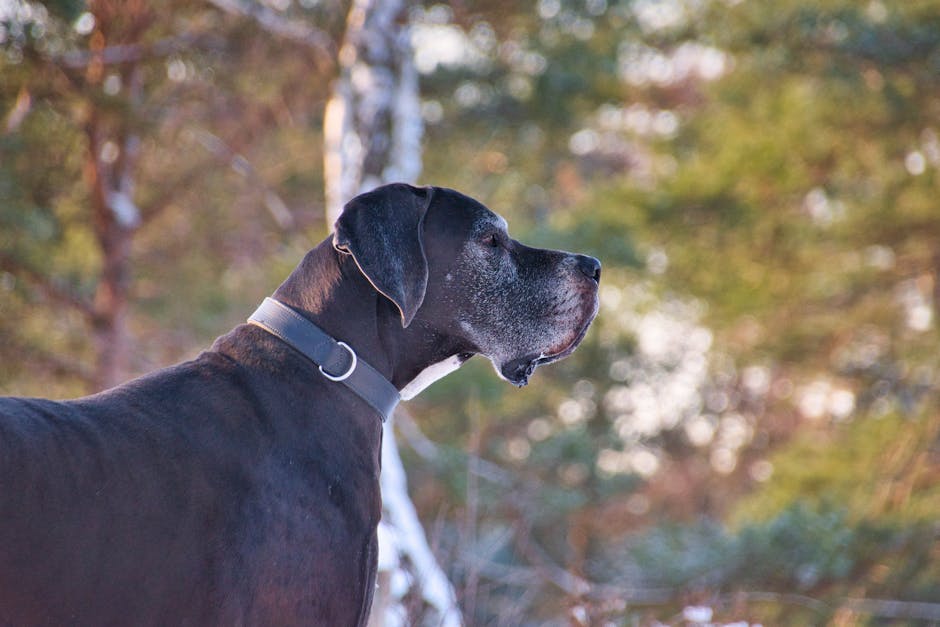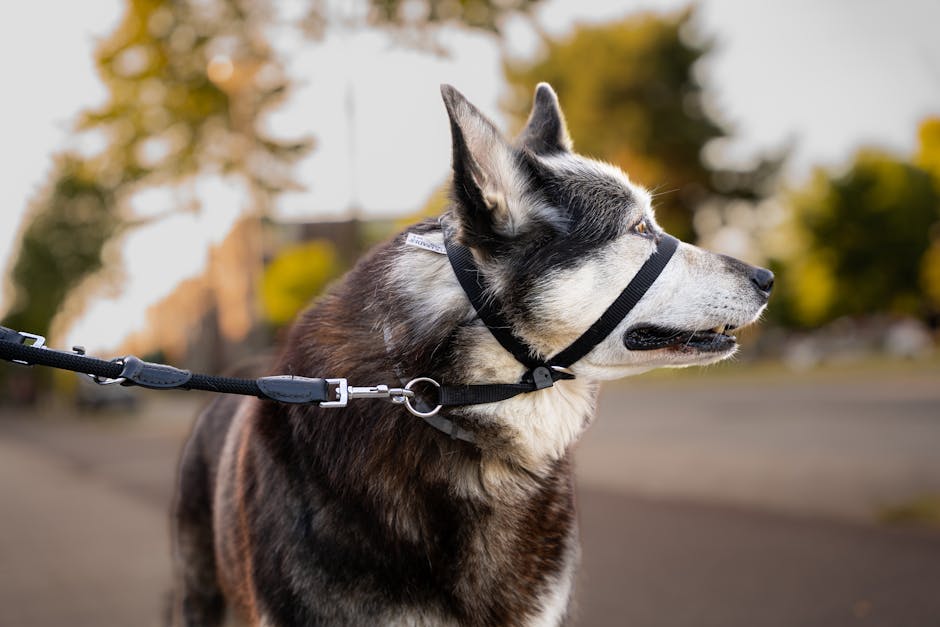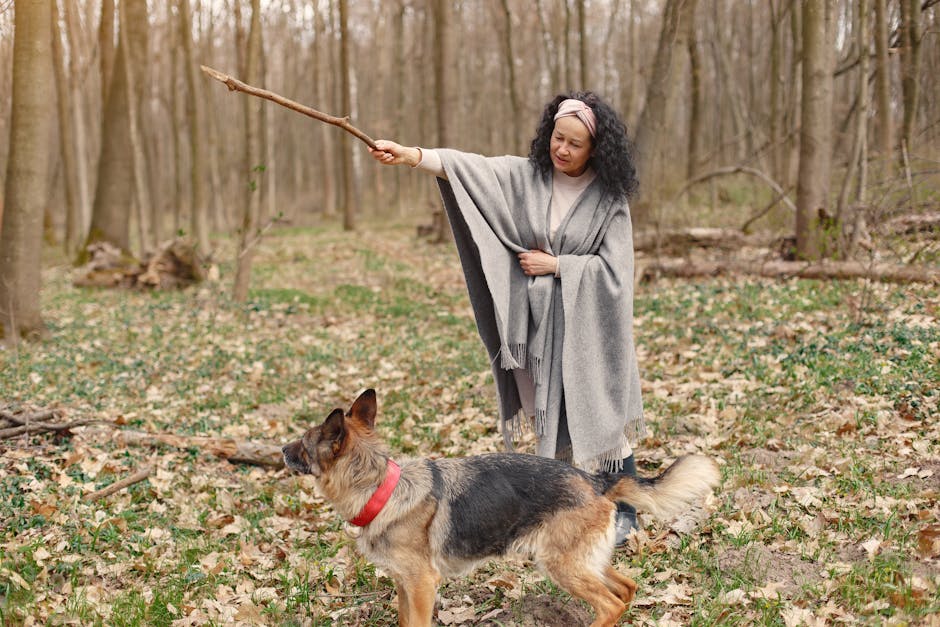


If you’ve ever stood in your backyard screaming your dog’s name while they sniff a patch of grass like it contains the secrets of the universe — you’re not alone. Recall is the single most important command any dog can learn, and it’s also the one that certain breeds seem genetically programmed to ignore.
I’ve spent years working with dogs who have excellent hearing and zero interest in using it. My friend’s Beagle, Chester, once looked directly at her, wagged his tail, and then turned around and followed a rabbit trail into the neighbor’s yard. He wasn’t confused. He heard her perfectly. He just had better things to do.
Here’s the thing most training guides won’t tell you: the standard recall advice doesn’t work for every breed. A Golden Retriever lives to please you. A Beagle lives to please his nose. Training both the same way is like teaching a fish and a monkey to climb a tree — one of them is going to have a bad time. This guide is specifically for the dogs that make you question your life choices when you call them at the dog park.
Why Some Dog Breeds Resist Recall Training
Before we get into the how, you need to understand the why. This isn’t about your dog being dumb or defiant. Stanley Coren’s research on canine intelligence distinguishes between obedience intelligence (willingness to follow commands) and adaptive intelligence (problem-solving ability). Many “stubborn” breeds score high on adaptive intelligence — they’re smart enough to weigh whether coming to you is worth it.
That’s a critical mindset shift. Your dog isn’t failing at recall. They’re succeeding at cost-benefit analysis.
Scent-Driven Breeds (Beagles, Basset Hounds, Bloodhounds)
Scent hounds were bred for one job: follow a smell until the end of time. A Beagle’s nose contains roughly 220 million scent receptors compared to our measly 5 million. When they lock onto a trail, their brain essentially goes into overdrive — the olfactory cortex takes over and higher-level decision-making (like “should I go back to my human?”) drops way down the priority list.
This isn’t stubbornness. It’s biology.
I watched a Bloodhound trainer at a seminar demonstrate this perfectly. She put her dog in a stay, dragged a scent trail across a field, then called the dog. The Bloodhound’s body physically pulled toward the trail — his muscles tensed, his nose dropped — before he managed to redirect and come to her. She’d been working on recall for two years. Two years, and it still required visible effort from the dog.
The takeaway: Scent hounds need recall training that accounts for nose-brain hijacking. You’re not competing with distraction — you’re competing with 3,000 years of selective breeding.
Independent Thinkers (Huskies, Shiba Inus, Afghan Hounds)
These breeds were developed to work away from humans, often making decisions on their own. Huskies ran sled routes and needed to override their musher’s commands if the ice was thin. Shiba Inus hunted independently in the brushy mountains of Japan. Afghan Hounds coursed game across vast terrain where no handler could direct them.
The AKC ranks many of these breeds near the bottom for obedience, but that ranking measures willingness to comply — not intelligence. A Shiba Inu understands “come” perfectly well by the third repetition. They just don’t see why your request should override their current plan.
| Breed | Obedience Ranking (Coren) | Repetitions to Learn New Command | Compliance Rate |
|---|---|---|---|
| Border Collie | #1 | 5 or fewer | 95%+ |
| Golden Retriever | #4 | 5 or fewer | 95%+ |
| Siberian Husky | #77 | 25-40 | 50% |
| Shiba Inu | #93 | 40-80 | 30% |
| Afghan Hound | #79 | 80-100 | 25% |
Look at that compliance rate column. A Shiba Inu will obey a known command about 30% of the time on the first ask. That’s not a training failure — that’s the breed working as designed.
Prey-Driven Breeds (Greyhounds, Whippets, Jack Russells)
Prey drive is different from scent drive, and it requires different strategies. When a Greyhound spots a squirrel, the chase instinct fires like a rocket. There’s no slow buildup — it’s zero to full sprint in seconds. The neurological trigger is visual movement, and once it activates, your dog is essentially running on autopilot.
Jack Russells add another layer: they were bred to go into burrows after foxes. That takes an absurd level of tenacity and disregard for personal safety. A Jack Russell who sees something move isn’t just chasing — they’re hunting with the intensity of a dog three times their size.
But here’s the good news. Prey-driven dogs have something you can work with: they love the chase itself. That makes them incredibly toy-motivated, and a squeaky toy or flirt pole can compete with real prey in ways that a treat never will.
The Long-Line Method for Reliable Recall
This is the foundation. If you only do one thing from this article, make it this. The long-line method is endorsed by CCPDT-certified trainers and it works because it removes the possibility of failure while building the habit of success.
Equipment You Need (30-Foot Line, High-Value Treats)
Don’t overcomplicate this.
- A 30-foot long line. Not a retractable leash — those teach dogs to pull against tension. Get a biothane or lightweight nylon line. I like biothane because it doesn’t absorb water or tangle in grass. Expect to pay $20-35.
- A back-clip harness. Never attach a long line to a collar. A dog hitting the end of 30 feet of line at speed can injure their neck. A harness distributes the force across the chest.
- High-value treats. And I mean high value. Not kibble. Not milk bones. I’m talking freeze-dried liver, string cheese, hot dog pieces, or whatever makes your specific dog lose their mind. For my friend’s Beagle, the magic treat was microwaved deli turkey. Nothing else even came close.
- A distinct recall word. If you’ve already poisoned “come” by repeating it 400 times with no follow-through, pick a new word. “Here,” “front,” or even something silly like “biscuit.” The word doesn’t matter — the association does.
Step-by-Step Long-Line Recall Protocol
Week 1-2: Indoor foundation. Start inside with zero distractions. Say your recall word once — just once — in a happy, upbeat tone. When your dog looks at you, mark it (“yes!”) and deliver the best treat you have. Do this 10-15 times per session, 2-3 sessions per day. You’re building a Pavlovian response: recall word = incredible things happen.
Week 3-4: Backyard on the long line. Move outside to a fenced area. Let your dog wander to the end of the line, getting engaged with sniffing or exploring. Call your recall word once. If they come — massive party. Treats, praise, excitement. If they don’t come within 3 seconds, gently guide them toward you with the line. Not a yank. A steady, gentle pressure. The moment they turn toward you, release the pressure and reward.
The critical rule: never call more than once. One call, then line guidance. Every time you repeat the command without follow-through, you teach your dog that the word is optional.
Week 5-8: Increasing distractions. Gradually add distractions. Practice near other dogs (at a distance), around food smells, in new environments. Always on the long line. The line is your safety net. It guarantees that every recall attempt ends in success — either voluntary or assisted.
Week 9-12: Variable reinforcement. Start randomizing your rewards. Sometimes they get the amazing treat. Sometimes just praise. Sometimes they get released back to play (this is huge — more on that below). Variable reinforcement builds stronger habits than predictable rewards. It’s the same psychology behind slot machines.
After 12 weeks: You can begin testing off-leash in enclosed areas. But for scent hounds and independent breeds? Honestly, I’d keep the long line as a permanent safety tool in unfenced areas. There’s no shame in it. A dog on a long line who comes 95% of the time is safer than an off-leash dog who comes 70% of the time.
The ‘Premack Principle’ for Stubborn Dogs
This is the secret weapon most dog owners have never heard of, and it’s absolute gold for stubborn breeds.
The Premack Principle is a behavioral science concept that states: a high-probability behavior can reinforce a low-probability behavior. In plain English — you can use what your dog wants to do as the reward for doing what you want.
Using What They Want as the Reward
Think about it from your dog’s perspective. Your Beagle wants to sniff that fascinating smell. Your Husky wants to run. Your Jack Russell wants to chase that squirrel. Traditional training says: “Come to me, and I’ll give you a treat instead of the thing you actually want.”
The Premack approach says: “Come to me, and I’ll let you go back to the thing you want.”
This changes everything.
Here’s how it works in practice. Your Beagle is deeply invested in a smell. You call them. They come to you. Instead of a treat (which they barely care about compared to that smell), you say “go sniff!” and release them back to the scent trail. You’ve just made recall the gateway to the good stuff rather than the end of it.
For scent hounds: The reward is permission to keep sniffing.
For sighthounds: The reward is permission to run or chase a toy.
For independent breeds: The reward is freedom — being released to go explore again.
Real-World Practice Scenarios
The Park Scenario. Your Husky is happily running around a fenced dog park. You call them. They come. You clip the leash on, say “good boy,” give a treat — and immediately unclip them again. Repeat 5-6 times during a park visit. Coming to you no longer predicts the end of fun. Eventually, one of those times, you clip the leash and actually leave. But by then, the dog has learned that recall usually means more freedom, not less.
The Sniff Walk. You’re on a trail with your Basset Hound on a long line. They hit a scent and go rigid. You let them sniff for 10-15 seconds, then call them. They come (or you guide them). Reward: “Go sniff!” and let them find a new smell. You’re teaching them that checking in with you is the path to sniffing, not the end of it.
The Chase Redirect. Your Jack Russell spots a squirrel. You call them before they hit full chase mode (timing matters — you have maybe a 2-second window). They come to you. Reward: you pull out a flirt pole or squeaky toy and play a high-energy chase game with them. The message? “Coming to me starts an even better chase.”
Common Recall Mistakes That Backfire With Stubborn Breeds
These mistakes annoy any dog. With stubborn breeds, they’re relationship-destroyers.
Repeating the Command (Poisoning the Cue)
“Buster, come! Come! COME! Buster! BUSTER COME HERE! BUSTER!”
Sound familiar? Every time you repeat the recall command without enforcing it, you teach your dog that “come” is background noise. With a Labrador, you might get away with this because they want to come anyway. With a Shiba Inu, you’ve just taught them that “come” means “keep doing what you’re doing because nothing happens.”
The fix is simple but hard: Say it once. If the dog doesn’t respond within 3 seconds, go get them or use the long line. Every. Single. Time. This is exhausting at first. It’s also the only way to build a reliable cue with an independent breed.
If your current recall word is already poisoned — and be honest with yourself about this — start fresh with a new word. It’s faster to build a new association than to rehabilitate a broken one.
Calling Them Only to End Fun
Your dog is playing off-leash. You call them. You leash them up and go home.
Your dog is sniffing in the yard. You call them. You bring them inside.
Your dog is playing with another dog. You call them. Playtime is over.
See the pattern? You’ve trained your dog that “come” means “fun is ending.” Of course they don’t want to come. Would you run toward someone who only called you to give you bad news?
The fix: Call your dog and then let them go again at least 4 times for every 1 time you actually end the activity. Build a history where recall predicts more good things, not fewer.
Breed-Specific Recall Strategies
Generic advice only gets you so far. Here’s what actually works for specific breed groups.
Scent Hounds — Trail Games as Recall Motivators
Use their nose for you instead of fighting against it. Set up scent trails that lead back to you. Hide treats in a line that curves in your direction. Play “find me” games where you hide and let them track you down — then throw a massive party when they arrive.
One technique that works brilliantly with Beagles: carry a small container of something pungent (sardines, liverwurst, tripe). When you call them, hold it up and let the breeze carry the scent. You’re not competing with their nose — you’re recruiting it.
For established recall, practice “scent interrupts.” Let them sniff a trail, call them, reward with a treat that’s smellier than whatever they were tracking. Freeze-dried tripe outranks most natural ground smells. It’s disgusting. It works.
Northern Breeds — Fence First, Train Second
I’m going to be blunt about this: Huskies and Malamutes should not be off-leash in unfenced areas. Period. I don’t care how good their recall is in the backyard. These breeds have an escape drive that’s deeply hardwired, and even well-trained individuals can bolt if the motivation is strong enough.
I’ve known experienced Husky owners — people who’ve had the breed for 20+ years — who still don’t trust off-leash recall in open spaces. That’s not pessimism. That’s wisdom.
Train recall aggressively, yes. Use it in fenced areas. Build it as strong as you can. But also invest in:
- 6-foot fencing (they can scale 4-foot fences easily)
- A GPS tracker collar (the Fi or Halo collars are worth every penny)
- A solid long-line routine for walks and hikes
- Martingale collars or properly fitted harnesses they can’t back out of
Think of recall training for Northern breeds as your second line of defense, not your first. Your first line is physical containment.
Terriers — Short Sessions With High Excitement
Terriers have the attention span of a caffeinated squirrel and the energy of a small explosion. Long, methodical training sessions bore them into defiance. Instead:
- Keep sessions to 3-5 minutes. Seriously. Five minutes of focused recall practice is worth more than 30 minutes of frustrated repetition.
- Use toys more than treats. A squeaky ball on a rope that you can whip around creates more excitement than any treat. Terriers want action, not snacks.
- Make yourself unpredictable. Run away from them when you call — their chase instinct kicks in and they come flying. Drop to the ground and act excited. Be weird. Terriers love weird.
- End before they’re done. Stop training while they still want more. This keeps enthusiasm high for next time.
And for Jack Russells specifically: channel the prey drive into a reliable recall by always having a tug toy accessible. My neighbor’s JRT has 90%+ recall because every time he comes, he gets a 15-second tug game. The recall word has become his favorite sound because it means his favorite activity.
When to Use a Professional Trainer
DIY training works for most dogs with patience and consistency. But consider hiring a CCPDT or IAABC-certified trainer if:
- Your dog has been practicing poor recall for years (deeply ingrained habits need professional intervention)
- There’s a safety issue — your dog has bolted into traffic or has no recall near roads
- You’ve been consistent with the long-line method for 8+ weeks with zero improvement
- Your dog shows fear or aggression when called (this is a different problem entirely)
- You have a multi-dog household where one dog’s bad recall is undermining the others
Look for trainers who use positive reinforcement methods. Any trainer who suggests e-collars or leash corrections for recall with stubborn breeds is going to make the problem worse. You can’t punish a dog into wanting to come to you — you can only punish them into fearing what happens if they don’t, and fear-based recall breaks down under pressure.
Expect to pay $75-150 per private session, or $200-400 for a group recall class. Worth every penny if it means your dog’s safety.
Frequently Asked Questions
How long does it take to train a stubborn dog breed to come when called?
Expect 8-16 weeks of consistent daily practice for a solid foundation, with ongoing reinforcement after that. Scent hounds and independent breeds often take closer to the 16-week end. And “solid” doesn’t mean perfect — a realistic goal for a Beagle is 80-85% reliability in moderate distractions. That’s genuinely excellent for the breed. A Border Collie might hit 98%, but comparing the two isn’t fair to either dog.
My beagle won’t come when called no matter what I try. What am I doing wrong?
First, make sure you haven’t poisoned the cue by repeating it endlessly. Switch to a new recall word and start the long-line protocol from scratch. Second, check your reward value — if you’re using kibble while competing with ground smells, you’re bringing a knife to a gunfight. Try freeze-dried liver, tripe, or warm deli meat. Third, you may be calling only when fun ends. Practice the Premack approach: recall, then release back to sniffing. If you’ve tried all of this consistently for 8+ weeks, bring in a certified trainer — some Beagles need professional help building the initial recall association.
Can you ever fully trust an off-leash recall with an independent breed?
Honestly? For most independent and scent-driven breeds, I’d say trust but verify. Keep a long line available. Use fenced areas for true off-leash play. A Husky or Shiba Inu with “perfect” recall in training class can still blow you off when a deer runs across the trail. The stakes — a lost dog, a dog hit by a car — are too high to bet on 100% compliance from a breed that was literally designed to think for itself. Build the best recall you can, but layer in management tools as backup.
What’s the best recall treat for scent hounds?
Whatever has the strongest smell. My top picks: freeze-dried beef tripe (absolutely revolting, universally adored), sardines packed in water, microwaved hot dog pieces (warming them releases more scent), and string cheese. The key is that the treat needs to compete with environmental smells, so bland treats are useless. Buy small quantities of several options and test which one makes your specific dog go completely bonkers. That’s your recall treat — keep it exclusively for recall practice so it stays special.
Is it ever too late to train recall with a stubborn breed?
No, but it gets harder with age because you’re working against established habits, not a blank slate. An older dog who’s spent years ignoring “come” has a deeply reinforced pattern of self-rewarding behavior (ignoring you led to continuing fun activities). The long-line method still works — you just need more patience and consistency. Start with the new-word approach, keep sessions short, and use truly exceptional rewards. I’ve seen 8-year-old Basset Hounds develop decent recall in about 6 months. It took longer than a puppy, but it happened.
Training recall with a stubborn breed is a marathon, not a sprint. You’ll have days where everything clicks and days where your dog looks at you like you’re speaking Mandarin. That’s normal. The breeds we’ve talked about weren’t built to hang on your every word — they were built to hunt, run, and think independently. Respecting that while still building a reliable recall is the whole game.
Stick with the long-line method. Use the Premack Principle to make yourself the gateway to fun instead of the end of it. And most importantly — be patient with your dog and with yourself. A Beagle who comes 8 times out of 10 in a distracting environment is a genuinely well-trained dog. Celebrate that.
Featured Image Source: Pexels