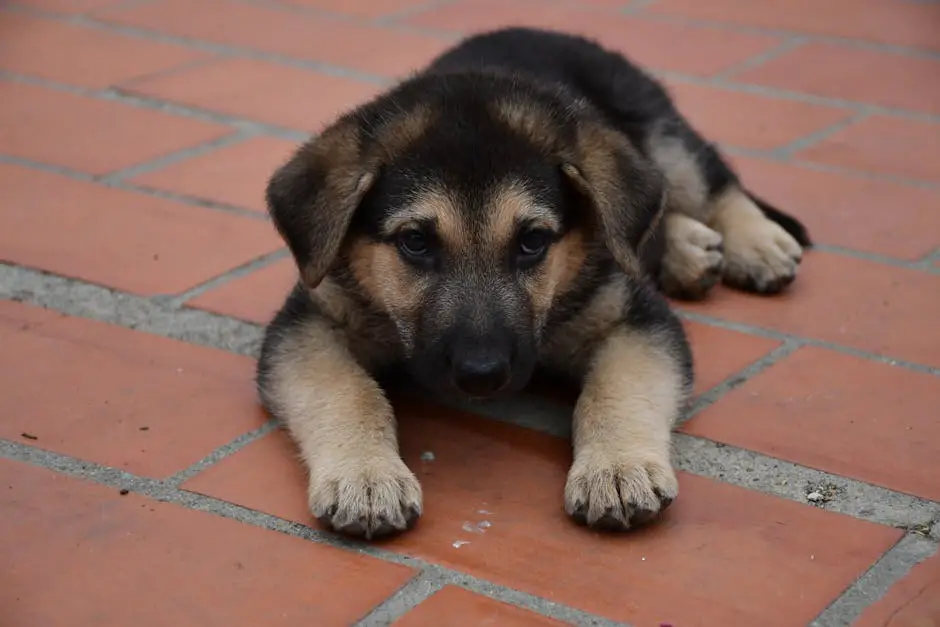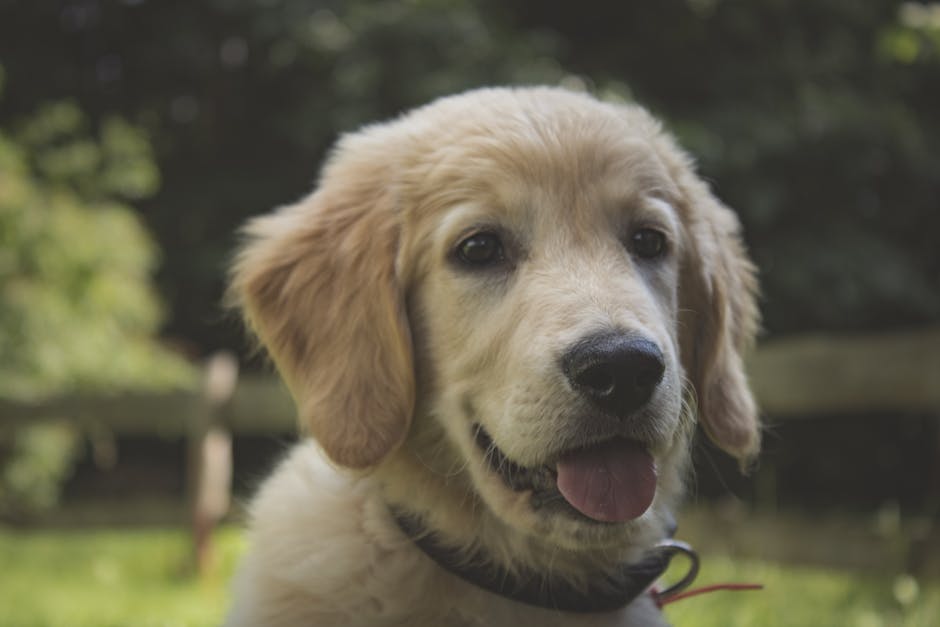

I’m going to be upfront about something: I believed the “old dogs can’t learn new tricks” nonsense for years. Then my 9-year-old Labrador, Biscuit, learned to ring a bell to go outside in about four days. Four days. Meanwhile, my friend’s 5-month-old puppy still hadn’t figured out that shoes aren’t food.
The truth is, training an older dog isn’t just possible — it’s often easier than training a puppy. Senior dogs have longer attention spans, they’re past the “everything is a chew toy” phase, and most of them genuinely want to make you happy. They’ve been reading your moods for years. They know when you’re pleased and when you’re frustrated, and that emotional intelligence is a massive advantage in training.
But I won’t pretend it’s identical to working with a young dog. There are real differences — physical limitations, ingrained habits, sometimes cognitive changes — that you need to respect. I’ve trained three senior dogs over the years, and each one taught me something different about patience, adaptation, and meeting a dog where they are instead of where you wish they were.
Why Bother Training a Senior Dog?
This is the question I get more than any other. “She’s 10 — why start now?”
Because mental stimulation is literally medicine for aging dogs. A 2019 study in Animal Cognition found that dogs who regularly learned new tasks showed slower cognitive decline than dogs who didn’t. Think of it like crossword puzzles for humans — keeping the brain active matters.
But beyond the science, there are practical reasons. Maybe your senior dog has developed some annoying habits. Counter surfing. Demand barking. Pulling on the leash because nobody bothered to fix it when they were young. (Guilty. I let Biscuit pull for his first three years and then spent twice as long un-training it.)
Or maybe you’ve adopted an older rescue who never had formal training. These dogs aren’t broken — they just never got the memo. I fostered a 7-year-old Beagle named Gus who’d spent his whole life in a backyard. He didn’t know “sit.” He didn’t know his name, honestly. Within three weeks, he had six solid commands and the proudest little face you’ve ever seen.
Training also strengthens your bond. When a senior dog figures something out and looks up at you with that “did I do it right?” expression — there’s nothing better.
Understanding Your Senior Dog’s Limitations
Before you start, you need an honest assessment of what your dog can physically handle. This isn’t pessimism; it’s kindness.
Joint issues are the big one. Arthritis affects roughly 80% of dogs over age 8. If your dog has stiff hips or sore knees, asking for repeated sits and downs on a hard floor is cruel, not training. I use a thick yoga mat for training sessions with older dogs. It costs $15 and makes a huge difference.
Vision and hearing changes matter too. My friend’s 12-year-old Shepherd mix had gone partially deaf — she spent weeks thinking he was being stubborn before her vet pointed out he literally couldn’t hear her commands. Once she switched to hand signals, he picked things up fast.
Here’s a quick reality check:
| Physical Factor | What to Watch For | Training Adjustment |
|---|---|---|
| Arthritis/joint pain | Slow to stand, reluctance to sit | Shorter sessions, soft surfaces, skip “down” if painful |
| Hearing loss | Not responding to verbal cues | Use hand signals, visual markers |
| Vision decline | Bumping into things, hesitation | Keep training area consistent, use scent cues |
| Lower stamina | Tiring quickly, panting | 5-10 minute sessions max, more frequent breaks |
| Cognitive decline | Confusion, forgetting known commands | Simpler tasks, extra patience, celebrate small wins |
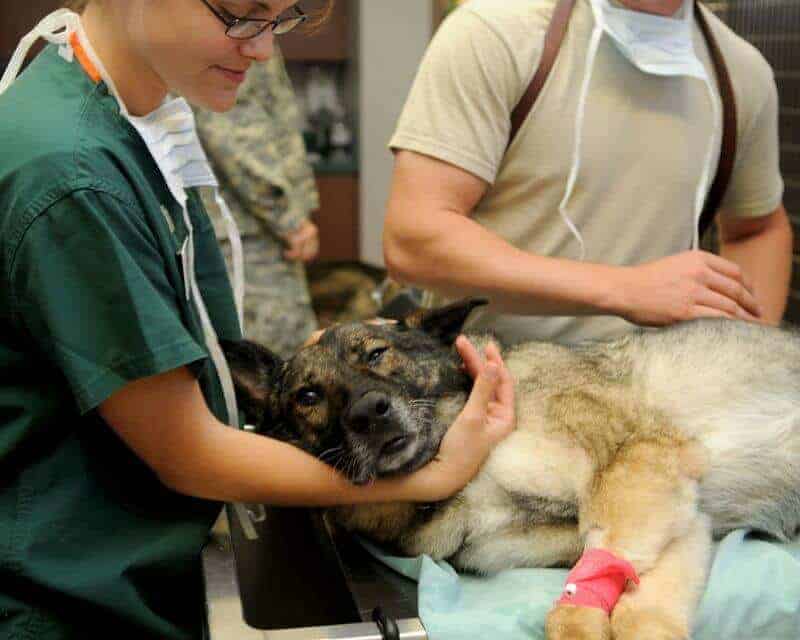
Get a vet check before starting any training program. I’m serious. What looks like stubbornness might be pain. What seems like disobedience might be confusion. Rule out medical issues first.
The Golden Rules of Senior Dog Training
Training an older dog requires a slightly different mindset than puppy training. Here’s what actually works.
Keep Sessions Short
Five to ten minutes. That’s it. I know it doesn’t sound like much, but senior dogs fatigue faster — both mentally and physically. Three 5-minute sessions spread through the day beats one 30-minute session every time. Biscuit would start yawning and looking away around the 8-minute mark, which was his polite way of saying “I’m done, lady.”
Use High-Value Rewards
Forget those rock-hard training biscuits. For senior dogs, you need the good stuff. Small pieces of boiled chicken, string cheese, freeze-dried liver treats. My go-to is Zuke’s Mini Naturals — they’re tiny, soft (easier on old teeth), and every dog I’ve met goes nuts for them.
One thing: watch the calorie count. Senior dogs are already prone to weight gain, so keep treats small. I’m talking pea-sized pieces. The dog doesn’t care if the treat is the size of a marble or a golf ball — the act of getting a reward is what matters.
Positive Reinforcement Only
This should go without saying, but I’ll say it anyway: never use punishment-based methods on a senior dog. No prong collars. No yelling. No leash corrections. These methods are questionable at any age, but for an older dog who might be dealing with pain, anxiety, or confusion, they’re genuinely harmful.
If a dog doesn’t do what you’ve asked, the training plan needs to change. Not the dog.
Be Patient With Unlearning
Here’s the hard part. If your senior dog has been doing something a certain way for 8 years, it’s going to take more than a weekend to change it. Habits are neural pathways, and well-worn ones don’t disappear overnight.
When I was un-training Biscuit’s leash pulling, there were days where I thought we’d made zero progress. Then suddenly, in week three, something clicked. He walked beside me for an entire block without pulling. Then two blocks. Then the whole walk. The progress isn’t linear — it’s more like a staircase with some really long flat parts.
Practical Commands Every Senior Dog Can Learn
You don’t need to teach your old dog backflips. Focus on commands that actually improve their quality of life — and yours.
“Wait” or “Stay” — Incredibly useful for safety. Keeping a senior dog from bolting out the front door or rushing into the street is about more than obedience; it could save their life. Start with 3-second stays and build from there.
“Leave it” — Senior dogs on medications sometimes drop pills, and you need them to ignore what’s on the floor. Also great for walks when they find something disgusting. Which is always.
“Touch” (nose to hand) — This one’s a sleeper hit. It’s easy to teach, builds confidence, and doubles as a recall tool. Hold out your palm, reward when the dog touches their nose to it. Most senior dogs get this within a couple of sessions.
“Place” or “Go to your bed” — Teaching a dog to settle on a specific spot is life-changing when you have guests over or you’re eating dinner. It gives them a job to do, which senior dogs actually appreciate.
Loose leash walking — Not technically a command, but a skill worth building at any age. Use the “be a tree” method: when the dog pulls, stop moving completely. When the leash slackens, walk again. It’s boring. It works.
Dealing With Cognitive Decline
This is the part nobody wants to talk about, but it matters. Canine Cognitive Dysfunction (CCD) affects an estimated 28% of dogs aged 11-12 and over 60% of dogs over 15. It’s essentially doggy dementia.
Signs include disorientation, changes in sleep patterns, house-training regression, staring at walls, and getting “stuck” in corners. If your senior dog suddenly forgets commands they’ve known for years, please see your vet before assuming it’s a training problem.
For dogs with mild cognitive decline, training is actually one of the best things you can do. Simple puzzle toys, scent work (hide treats in muffin tins under tennis balls), and reinforcing basic commands all keep the brain engaged.
I adjusted my approach with my oldest dog, a 14-year-old Cocker Spaniel named Penny. We stopped learning new things and focused on gentle scent games instead. I’d hide a treat somewhere in the living room and let her sniff it out. She loved it. The tail never stopped wagging.
Some supplements may help too — I’ve had good results with Purina Pro Plan Bright Mind and Nordic Naturals Omega-3 Pet. But talk to your vet first. Don’t just grab something off Amazon because a blog told you to. (Yes, I know I’m a blog. Talk to your vet anyway.)
Common Mistakes People Make
I’ve made most of these myself, so no judgment.
Moving too fast. You get excited when your dog nails “sit” and immediately try to chain three commands together. Slow down. Let each skill solidify before adding complexity.
Training when the dog is tired or sore. Senior dogs have good days and bad days. If your dog seems stiff after their morning walk, skip the training session. There’s always tomorrow.
Comparing to younger dogs. Your senior rescue isn’t going to learn at the same pace as your neighbor’s 6-month-old Golden Retriever. That’s fine. It’s not a competition.
Inconsistency. This is the biggest one. If “off the couch” means “off the couch” on Monday but you let them snuggle up on Tuesday because it’s raining, you haven’t trained anything. You’ve just confused your dog. Pick your rules and stick with them. Every person in the household needs to be on the same page.
Skipping the warm-up. I always start with something my dog already knows well — an easy win. It gets them in “training mode” and builds confidence before we tackle anything new. For Biscuit, it was always “shake.” He could shake in his sleep. It got his tail going, and then we’d move on to the harder stuff.
Tools and Resources That Actually Help
Not everything marketed for dog training is worth your money. Here’s what I’ve found genuinely useful for training senior dogs specifically:
- A treat pouch (I like the PetSafe Sport). Having treats accessible means better timing on rewards, and timing is everything.
- A non-slip mat for indoor training. Any yoga mat or rubber-backed bath mat works.
- Kong Classic or West Paw Toppl for mental stimulation between sessions. Stuff them with peanut butter (xylitol-free!) and freeze overnight.
- Nina Ottosson puzzle toys — start with Level 1. These are fantastic for cognitive enrichment.
- A clicker if your dog can hear well. The precision of clicker training speeds up learning noticeably. I use the Karen Pryor i-Click because it’s quieter than box clickers — less startling for nervous seniors.
Skip the e-collars, spray bottles, and anything that promises to “fix” your dog in one session. If it sounds too good to be true, it is.
Frequently Asked Questions
What’s the oldest age a dog can still learn new things?
There’s no hard cutoff. I’ve seen 14-year-old dogs learn new commands. As long as your dog is alert, responsive, and not in significant pain, they can learn. The speed of learning might slow down, and you might need to adjust your methods, but the ability doesn’t just vanish at a certain birthday.
How long does it take to train a senior dog?
It depends on the dog, the command, and their history. A simple command like “touch” might take two or three sessions. Breaking a deeply ingrained habit like counter surfing could take weeks or months of consistent work. The average new command takes a senior dog about 2-3 weeks of daily practice to really solidify, compared to maybe 1-2 weeks for a younger dog.
Should I use a professional trainer for my senior dog?
If you’re dealing with serious behavioral issues — aggression, severe anxiety, reactivity — yes, absolutely. Look for a Certified Professional Dog Trainer (CPDT-KA) who uses positive reinforcement methods. For basic obedience and new tricks, you can absolutely do it yourself. But a good trainer can also help you identify physical limitations you might miss.
Can rescue dogs who were never trained learn at an older age?
One hundred percent yes. Some of the most rewarding training experiences I’ve had were with older rescues who’d never been taught anything. They’re often incredibly eager to please once they figure out the game. Gus, my Beagle foster, had zero training background and picked things up faster than some puppies I’ve worked with. Patience is key, but don’t underestimate a senior rescue.
My senior dog seems to forget commands they used to know. What’s happening?
Could be a few things. Hearing loss is common and easily mistaken for disobedience. Pain can cause a dog to refuse commands — if sitting hurts their hips, they’ll stop sitting. And yes, cognitive decline is possible in dogs over 10. Start with a vet visit to rule out physical causes, then adjust your training approach based on what you find.
The Bottom Line
Training an older dog isn’t about perfection. It’s not about Instagram-worthy tricks or competitive obedience scores. It’s about connection, mental health, and making your senior dog’s remaining years richer and more engaging.
The dog sleeping on your couch right now? They still want to learn. They still want to work with you. They still light up when they figure something out and earn that treat.
So grab some chicken, find a soft spot on the floor, and give your old dog five minutes of your time. You might be surprised at what they — and you — are capable of.
Featured Image Source: Pexels