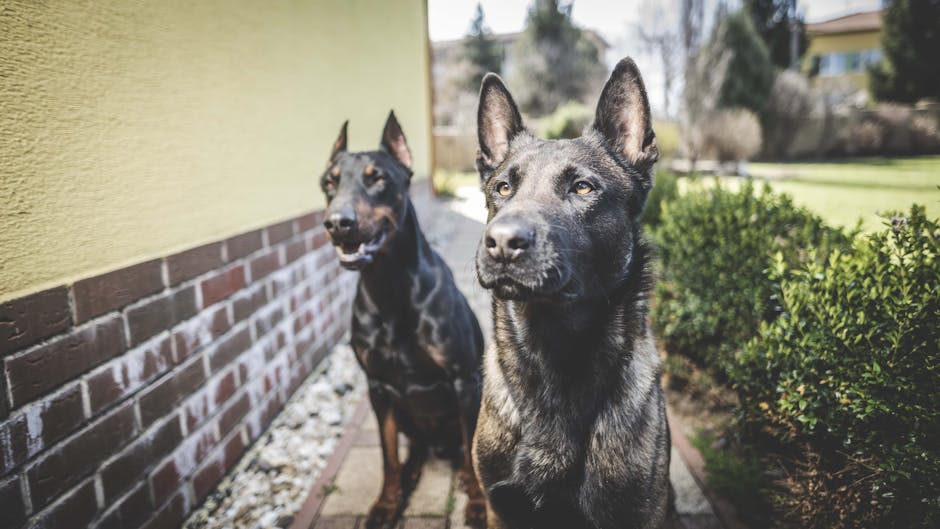

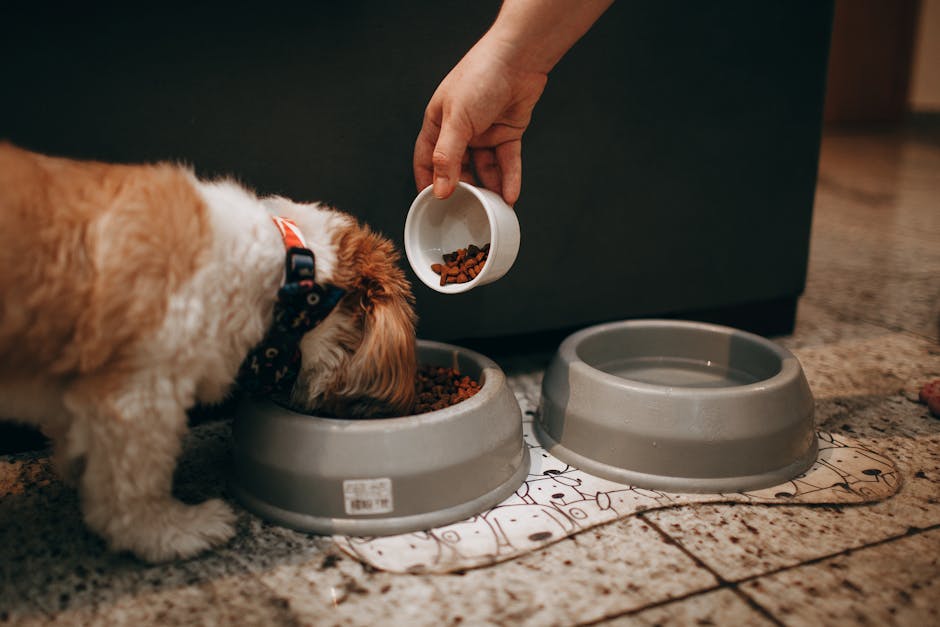

When my friend’s Labrador, Duke, was diagnosed with chronic hepatitis two years ago, the first thing she asked me was, “What do I feed him now?” It’s a question that sends most dog owners into a spiral — and honestly, the answer isn’t as straightforward as most vet websites make it seem.
Liver disease is the fifth leading cause of non-accidental death in dogs. That’s a sobering stat. And yet the dietary advice floating around online ranges from uselessly vague to flat-out wrong. I’ve spent months digging into veterinary nutrition research, talking to specialists, and helping Duke’s owner navigate this. So let me break down what to feed a dog with liver disease — the real, specific stuff that actually matters.
Here’s what I wish someone had told us from day one: it’s not just about “gentle” food. It’s about copper levels, protein quality, zinc ratios, and understanding why the kibble sitting in your pantry might be actively making things worse.
How Liver Disease Changes Your Dog’s Nutritional Needs
The Liver’s Role in Digestion and Detoxification
Think of the liver as your dog’s chemical processing plant. It filters toxins from the blood, produces bile for fat digestion, stores vitamins, metabolizes proteins, and regulates blood sugar. It handles something like 500 different functions. When it’s compromised, the whole system starts backing up.
A damaged liver can’t process ammonia efficiently — that’s the byproduct of protein metabolism. It struggles to store copper and other minerals properly. Fat digestion goes sideways because bile production drops. And the liver’s ability to detoxify everyday substances? Significantly reduced.
This is why you can’t just throw any “sensitive stomach” formula at a dog with liver problems and call it a day.
Why Standard Dog Food Can Make Things Worse
Here’s something that genuinely frustrated me when I learned it. Most commercial dog foods contain copper levels between 15-25 mg/kg of dry matter. A dog with liver disease — especially copper-associated hepatopathy — needs less than 5 mg/kg.
That’s a massive gap.
Standard kibble is formulated for healthy dogs whose livers can regulate copper storage normally. Pour that into a bowl for a dog with compromised liver function and you’re essentially asking a broken filtration system to handle three to five times the copper load it can manage.
And it’s not just copper. Many premium dog foods are packed with rich organ meats, high fat content, and protein levels north of 30%. All things a healthy dog thrives on. All things that can push a sick liver past its limits.
Dietary Principles for Liver Disease
Moderate, High-Quality Protein (Not Low Protein)
This is where outdated advice still causes real harm. For years, the standard recommendation was to severely restrict protein. Vets would say “low protein diet” and owners would cut protein to almost nothing.
Bad idea.
Dogs with liver disease need moderate protein — around 14-16% on a dry matter basis — but the quality matters enormously. The liver still needs amino acids to repair itself. Starve it of protein and you actually accelerate muscle wasting and slow down recovery.
The trick is choosing proteins that produce less ammonia during digestion. Eggs are brilliant for this — they have the highest biological value of any protein source, meaning your dog’s body uses them efficiently with minimal waste. Cottage cheese and white fish are also excellent. Red meats and organ meats? Those are the ones to pull back on.
| Protein Source | Biological Value | Ammonia Production | Copper Content |
|---|---|---|---|
| Eggs | 100 (highest) | Very Low | Low (0.5 mg/kg) |
| Cottage Cheese | 84 | Low | Very Low (0.1 mg/kg) |
| White Fish (cod, tilapia) | 76 | Low | Low (0.6 mg/kg) |
| Chicken Breast | 79 | Moderate | Moderate (3.4 mg/kg) |
| Beef | 80 | High | High (7.8 mg/kg) |
| Lamb | 73 | High | Very High (9.5 mg/kg) |
| Beef Liver | 80 | Very High | Extremely High (130+ mg/kg) |
Look at those copper numbers for beef liver. Over 130 mg/kg. That’s why organ meats are completely off the table for dogs with liver disease.
Low Copper Foods and Why It Matters
Copper accumulation is one of the main drivers of liver damage in dogs — and for certain breeds, it’s the primary cause. Even in dogs where copper isn’t the root issue, reducing copper intake takes pressure off an already struggling organ.
Your target: less than 5 mg/kg of dry matter in total diet.
This means reading labels obsessively. Many dog foods add copper sulfate or copper proteinate as a supplement. You want to avoid added copper entirely if possible. Some manufacturers have started producing low-copper formulas, but they’re still not common enough.
Water matters too. If you’re on well water or your municipal supply runs through copper pipes, get it tested. I’ve seen cases where the water source alone was contributing significant copper to a dog’s daily intake.
Increased Zinc and Vitamin E
Zinc is copper’s natural antagonist. It blocks copper absorption in the gut, which is exactly what you want. Aim for zinc levels above 120 mg/kg of dry matter in your dog’s food. Many liver-support diets already hit this target, but if you’re cooking at home, you may need to supplement.
Zinc gluconate or zinc acetate are the preferred forms — they’re better absorbed than zinc oxide.
Vitamin E serves as an antioxidant that helps protect liver cells from further damage. It’s one of the few supplements with solid veterinary evidence behind it. A typical dose runs 10-15 IU per kilogram of body weight daily, but check with your vet on the exact amount.
Easily Digestible Carbohydrate Sources
A damaged liver needs easy energy sources that don’t require heavy processing. Complex carbs fit the bill perfectly.
The best options:
– White rice — gentle, low fiber, easy to digest
– Oatmeal — provides soluble fiber that helps bind toxins in the gut
– Sweet potato — nutrient-dense, moderate glycemic index
– Pasta — plain, cooked well, surprisingly good for liver patients
Avoid high-fiber grains like brown rice or whole wheat. I know, it feels counterintuitive. But a compromised liver doesn’t need the extra work of processing all that fiber. Save the brown rice for your healthy dogs.
Best Commercial Dog Foods for Liver Support
Not everyone can cook for their dog daily. I get it. These veterinary diets are specifically formulated for dogs with liver problems and they take the guesswork out of copper levels and protein balance.
Hill’s Prescription Diet l/d
This is the gold standard and the one Duke ended up on. Hill’s l/d (Liver Diet) has been around for decades and it’s specifically designed for hepatic support.
What makes it work: restricted copper, moderate high-quality protein, added L-carnitine for fat metabolism, and elevated antioxidant levels. The protein sits right around 15% dry matter — that sweet spot for liver patients. Copper is kept well below 5 mg/kg.
Downsides? It’s not cheap. And some dogs find it bland — Duke needed warm water mixed in for the first week before he’d eat it reliably. But it works. His liver values improved noticeably within three months.
Royal Canin Hepatic
Royal Canin’s hepatic formula takes a slightly different approach. It’s lower in copper than Hill’s, uses highly digestible proteins, and includes a proprietary antioxidant blend. The fat content is carefully controlled to reduce the workload on bile production.
I’ve known dogs who refused Hill’s but took to Royal Canin without fuss. Flavor preference varies — just like with people. The important thing is that both formulas hit the right nutritional targets.
One thing I appreciate about Royal Canin Hepatic is their transparency about mineral content. The guaranteed analysis actually lists copper levels, which not every prescription diet does.
Purina Pro Plan Veterinary HA
The HA stands for Hypoallergenic, and while it’s not liver-specific, vets sometimes recommend it for liver patients with concurrent food sensitivities. The protein source is hydrolyzed soy, which produces minimal ammonia and essentially no copper load.
It’s a niche choice. I wouldn’t pick it as a first option for straightforward liver disease, but if your dog has allergies on top of liver issues — and honestly, that combination isn’t rare — it’s worth discussing with your vet.
All three of these require a veterinary prescription. Don’t try to buy them off random websites without your vet’s involvement. The dosing and transition protocol matters.
Homemade Liver-Friendly Meals
Some dogs do better on home-cooked food. And some owners — myself included — just feel better knowing exactly what’s going into the bowl. If you go this route, work with a veterinary nutritionist to make sure the diet is complete. These recipes are starting points, not permanent standalone diets.
White Fish and White Rice Recipe
This is my go-to recommendation for dogs transitioning off commercial food or recovering from an acute liver episode.
Ingredients (for a 30 lb dog, one day’s food):
– 200g cod or tilapia, baked or poached (no oil, no seasoning)
– 300g cooked white rice
– 1 tablespoon coconut oil
– 1 hard-boiled egg, chopped
– Small handful of steamed green beans
Cook the fish until it flakes easily. Mix everything together and let it cool to room temperature. Split into two meals.
This comes out to roughly 14% protein on a dry matter basis with very low copper. The coconut oil provides medium-chain triglycerides that the liver can process more easily than regular fats. And the egg bumps up the amino acid profile without adding significant copper.
Eggs and Oatmeal Recipe
Perfect for days when you’re short on time or your dog needs something extra gentle.
Ingredients (for a 30 lb dog, one day’s food):
– 3 scrambled eggs (cooked in a tiny amount of coconut oil)
– 250g cooked oatmeal (plain, no sugar or milk)
– 100g cottage cheese
– Steamed zucchini, diced
This one is even simpler and dogs absolutely love it. The combination of eggs and cottage cheese provides exceptional-quality protein with rock-bottom copper levels. Oatmeal brings soluble fiber that helps with toxin binding.
I made this for a friend’s Westie post-surgery and the little guy practically inhaled it. Two bowls. Gone in under a minute.
Foods to Strictly Avoid
High-Copper Ingredients (Organ Meats, Salmon, Lamb)
This needs to be non-negotiable. If your dog has liver disease, these foods are off the menu. Period.
The worst offenders:
– Beef liver and other organ meats — copper levels above 130 mg/kg
– Lamb — 9.5 mg/kg, nearly double that of chicken
– Salmon — 7.2 mg/kg, plus high fat content
– Shellfish — shrimp and crab are copper bombs
– Duck — higher copper than most poultry
– Soy-based treats — often contain copper sulfate additives
I see so many “healthy” dog food brands marketing liver and organ meat blends as premium nutrition. And for healthy dogs, they’re fine. But for a dog with hepatic issues, you might as well be feeding them poison. That sounds dramatic. It’s not.
Also watch out for supplements that contain copper. Some multivitamins marketed for dogs include copper — always check the label.
High-Fat Treats and Table Scraps
Fat requires bile to digest. Bile is produced by the liver. See the problem?
High-fat foods force the liver to work harder, and a damaged liver simply can’t keep up. This means:
- No bacon, sausage, or fatty meat scraps
- No cheese (except small amounts of cottage cheese)
- No peanut butter — I know, this one hurts
- No commercial treats with more than 10% fat content
- No fried anything. Obviously.
And honestly? Table scraps in general are a bad idea. You can’t control the copper, fat, and sodium content of human food well enough to keep it safe for a dog with liver disease. Stick to their prescribed diet.
Breeds Predisposed to Copper Storage Disease
Bedlington Terriers, Dobermans, Labradors
Copper storage disease — technically called copper-associated hepatotoxicosis — is genetic in several breeds. If you own one of these breeds, this section is especially important.
Bedlington Terriers have it worst. Up to 66% of the breed carries the gene mutation (COMMD1) that prevents normal copper excretion. Without dietary intervention, copper accumulates relentlessly in their liver cells. Many Bedlington owners start low-copper diets preventatively, even before any liver values go abnormal. Smart move.
Doberman Pinschers are the second most affected breed. Studies suggest around 50% of Dobermans in some populations show abnormal hepatic copper levels at necropsy. The disease tends to progress silently — by the time you see symptoms, significant damage is already done.
Labrador Retrievers — and this hit close to home with Duke — have an increasing incidence of copper-associated hepatitis. Research from Utrecht University found that hepatic copper levels in Labs have risen significantly over the past few decades, potentially linked to increased copper in commercial dog foods.
Other at-risk breeds:
– West Highland White Terriers
– Skye Terriers
– Dalmatians
– Cocker Spaniels (both American and English)
If you have any of these breeds, get baseline liver values checked annually starting at age 3. Early detection is everything. A simple blood panel showing elevated ALT and ALP can catch this before it becomes a crisis.
Supplements That Support Liver Function
Let me be blunt: supplements aren’t a substitute for proper diet. But alongside the right liver disease diet for dogs, certain supplements have genuine evidence behind them.
SAMe (S-Adenosylmethionine)
SAMe is the single most recommended liver supplement in veterinary medicine, and for good reason. It’s a naturally occurring molecule that supports glutathione production — your dog’s primary liver antioxidant.
Typical dosing: 18-20 mg per kilogram of body weight, once daily on an empty stomach.
For a 30 lb dog, that’s roughly 250-270 mg daily. The empty stomach part matters — food reduces absorption by about 70%.
Denamarin is the most commonly prescribed brand (it combines SAMe with silybin, a milk thistle extract). The enteric coating protects SAMe from stomach acid breakdown. Generic SAMe supplements exist and they’re cheaper, but the absorption isn’t always as reliable.
I’ve seen real results with SAMe. Duke’s ALT values dropped from 380 to 165 within eight weeks of starting Denamarin alongside his diet change. That’s not a cure — but it’s meaningful improvement.
Milk Thistle (Silymarin) Dosing
Milk thistle has been used for liver support in humans for centuries, and the veterinary evidence is growing. Silymarin — the active compound — acts as an antioxidant, anti-inflammatory, and may help stimulate liver cell regeneration.
Dosing guidelines:
| Dog Weight | Daily Silymarin Dose | Typical Capsule Size |
|---|---|---|
| Under 25 lbs | 50-100 mg | 1 small cap |
| 25-50 lbs | 100-200 mg | 1-2 caps |
| 50-75 lbs | 200-300 mg | 2-3 caps |
| Over 75 lbs | 300-400 mg | 3-4 caps |
Give it with food — unlike SAMe, silymarin absorbs better with a small amount of fat. Which is ironic given the low-fat diet thing, but the tiny amount of fat in their regular meal is enough.
One important note: buy standardized milk thistle extract that specifies the silymarin percentage (look for 70-80% standardization). Random bulk milk thistle powder from Amazon is not the same thing. You genuinely don’t know what you’re getting.
Other supplements worth discussing with your vet:
– Vitamin E (10-15 IU/kg daily) — antioxidant protection
– Ursodiol (ursodeoxycholic acid) — prescription, improves bile flow
– B-complex vitamins — liver disease depletes B vitamin stores
– L-carnitine — supports fat metabolism when the liver can’t keep up
Frequently Asked Questions
Can dogs with liver disease eat chicken?
Yes, but stick to boneless, skinless chicken breast. It has moderate copper levels (3.4 mg/kg) — not the lowest option, but acceptable in rotation with lower-copper proteins like eggs and white fish. Avoid dark meat, which has higher fat and mineral content.
How much protein should a dog with liver disease eat?
Aim for 14-16% protein on a dry matter basis. This is moderate — not low. The old advice to severely restrict protein is outdated and potentially harmful. Quality matters more than quantity. Choose high biological value proteins like eggs, cottage cheese, and white fish that produce minimal ammonia during digestion.
Is grain-free food better for dogs with liver disease?
Not necessarily. Grain-free doesn’t mean low-copper or liver-friendly. Some grain-free foods use legumes and sweet potatoes that are perfectly fine, but others substitute organ meats and exotic proteins that can be high in copper. Read the actual nutritional breakdown instead of relying on marketing labels.
How quickly will diet changes improve my dog’s liver values?
Most dogs show measurable improvement in liver enzymes within 4-8 weeks of a proper dietary switch. But this varies enormously depending on the underlying cause, severity, and whether you’re also supplementing with SAMe and milk thistle. Some dogs stabilize quickly. Others need months. Regular blood work every 6-8 weeks lets you track progress.
Can liver disease in dogs be reversed with diet alone?
It depends on the cause and stage. Early-stage copper-associated hepatitis can sometimes be managed — even reversed — with strict low copper dog food and chelation therapy. But cirrhosis (end-stage scarring) is permanent. Diet can slow progression and improve quality of life dramatically even when it can’t cure the underlying condition. Start early. That’s the single most important factor.
Living with a dog who has liver disease is a daily commitment to getting the details right. But it’s manageable. Duke is two years into his diagnosis now and doing well — his coat looks good, his energy is solid, and his liver values have stabilized in a range his vet is happy with.
The biggest thing I’ve learned? Don’t wait for symptoms to get obvious before acting on diet. If your vet flags elevated liver enzymes — even mildly — start making changes now. Switch to a liver-appropriate food, cut the copper, add SAMe, and recheck in six weeks. The earlier you intervene, the better the outcome. Every time.
Featured Image Source: Pexels