

Whippet at a Glance
| Attribute | Details |
|---|---|
| Breed Group | Hound (Sighthound) |
| Height | 44-51 cm (17-20 inches) |
| Weight | 9-19 kg (20-42 lbs) |
| Life Expectancy | 12-15 years |
| Temperament | Gentle, affectionate, playful, quiet |
| Exercise Needs | Medium |
| Grooming Needs | Low |
| Good with Kids | Yes |
| Good with Other Pets | Somewhat (prey drive concerns with small animals) |
I’ll be honest — I didn’t expect to fall for whippets the way I did. Growing up, I always thought of them as “just skinny greyhounds” and couldn’t understand the appeal. Then my neighbour got one, and within a month I was researching breeders. There’s something about watching a dog hit 35mph across a field, then curl up on your lap like a cat five minutes later. That contradiction is the whole breed, really.
History and Origins of the Whippet
The whippet’s story starts in the coal mining towns of Northern England during the late 18th and 19th centuries. Working-class families wanted a dog that could catch rabbits for the pot but didn’t eat as much as a full-sized greyhound. So they bred smaller, faster dogs — likely crossing greyhounds with terriers for that extra spark of tenacity.
“The poor man’s racehorse,” they called them. And that nickname stuck because these dogs literally were raced — not on fancy tracks, but in fields and alleyways. Miners would bet a day’s wages watching their whippets chase a waving rag down a straight course. The fastest dog won. Simple as that.
The breed was officially recognised by the Kennel Club in 1891. What started as a working man’s racing dog has become one of the most popular breeds in the UK, especially for city dwellers. The irony isn’t lost on me — dogs bred to catch dinner in Victorian slums now live in £2 million London flats.
Physical Characteristics of the Whippet Breed
Whippets are the middle child of the sighthound family. Bigger than an Italian Greyhound, smaller than a Greyhound. The sweet middle ground for people who want that elegant sighthound silhouette without needing a sofa the length of a bus.
According to KC breed standards, males stand 47-51 cm at the withers, females 44-47 cm. But what strikes you isn’t the height — it’s the shape. That deep chest housing oversized lungs and heart. The tucked waist that makes first-time owners panic about whether their dog is eating enough. (They are. That’s just how whippets look.)
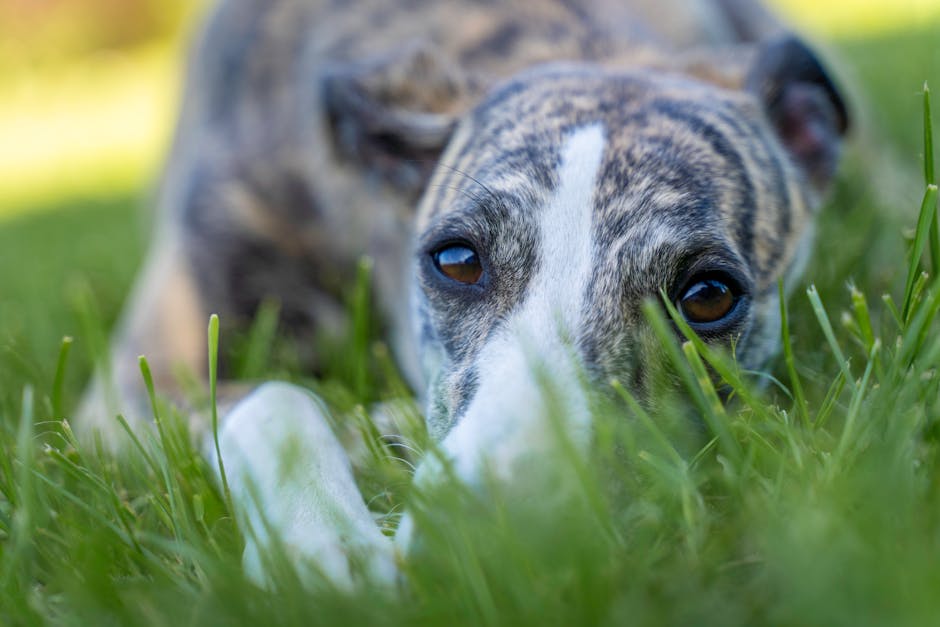
Their coats come in virtually any colour. Brindle, fawn, black, blue, white, red, cream — plus endless combinations. I’ve seen whippets that look like they’re wearing tuxedos and others that could pass for small deer.
One thing that surprises people: the muscle. Run your hand along a whippet’s back legs and you’ll feel springs coiled tight. These aren’t fragile dogs. They’re athletes compressed into a deceptively delicate frame.
Whippet Temperament and Personality
This is where whippets shine. And also where I have to be blunt with some people.
Whippets are velcro dogs. They want to be touching you. Sitting on you. Following you to the bathroom. If you want an independent dog that entertains itself while you work, look elsewhere. A whippet will spend eight hours staring at you with mournful eyes until you finish your laptop time.
They’re quiet. Remarkably quiet. My friend’s whippet barked exactly twice in the first year she owned him — once at a fox, once at a suspicious balloon. This makes them brilliant for flats and terraced houses. Your neighbours won’t hate you.
The temperament’s gentle too. Almost catlike in how they carry themselves. They’re not going to bowl over toddlers or drag you down the street (usually — more on prey drive later). With family, they’re patient, affectionate, occasionally clownish. My neighbour’s whippet does this thing where she shoves her head under blankets and waits for someone to find her. Like a very pointy shark.
Are Whippets Good with Children?
Yes, with caveats. They’re great with calm kids who understand that a 12kg dog has feelings. They’re less great with grabby toddlers who pull ears and tails. A whippet won’t typically snap — they’ll just become anxious and withdrawn. Not ideal for anyone.
They do best with children old enough to respect boundaries. Say seven and up, though temperament varies.
The Prey Drive Question
Here’s the honest bit. Whippets were bred to chase and catch small animals. That instinct doesn’t disappear because they live in a flat now.
Most whippets can learn to coexist with the family cat, especially if raised together. But a strange cat in the garden? A squirrel? A rabbit? That switch flips and your gentle couch ornament becomes a missile with teeth. I’ve seen it happen. It’s startling.
This means careful management with small pets. Hamsters, guinea pigs, rabbits — keep them completely separate. And never assume the prey drive is fully “trained out.” It’s hard-wired.
Living with a Whippet: What to Expect
The joke about whippets is that they’re “40mph couch potatoes.” It’s funny because it’s true. These dogs exist in two modes: explosive sprinting and absolute stillness. There’s no middle ground.
Exercise Requirements
A healthy adult whippet needs 60-90 minutes of exercise daily. But here’s the thing — not all exercise is created equal for this breed. A slow plod around the block doesn’t cut it. They need to run. Properly run.
Find a secure field. Let them off lead. Watch them tear around in huge loops at speeds that make other dog owners stare. Ten minutes of flat-out sprinting does more for a whippet than two hours of lead walking.
That said, they’re not hyperactive. After their run, they’ll sleep for hours. I’m talking 18-20 hours of sleep daily is normal for adult whippets. They’re the cats of the dog world in this regard.
Can’t find secure off-lead areas? Look into lure coursing or racing clubs. Whippets love chasing things — it’s literally what they’re built for. Organised events give them an outlet that doesn’t involve your neighbour’s cat.
The Cold Weather Problem
I need to mention this because first-time owners constantly ask. Whippets get cold. Really cold.
That sleek coat provides almost zero insulation. Single digits Celsius and they’re shivering. Below freezing and they flat-out refuse to go outside — mine would look at the garden, look at me, and reverse back to her bed.
You’ll need coats. Multiple coats. A lightweight fleece for autumn walks, a proper insulated jacket for winter, maybe a onesie for indoors if your heating’s rubbish. Yes, they look ridiculous. No, you don’t have a choice.
Budget £50-100 for cold weather gear. More if you want the fancy brands.
Can Whippets Live in Flats?
Absolutely. They’re one of the best breeds for flat living, provided you meet their exercise needs. Low barking, low energy indoors, compact-ish size. They’ll happily curl up on a single sofa cushion for most of the day.
The only issue is stairs. Those long legs can make steep flights awkward, and some whippets develop a fear of open-backed steps. Ground floor or lift access makes life easier.
Whippet Health Issues and Lifespan
Good news first: whippets are a generally healthy breed. Selective breeding for racing performance meant sick dogs didn’t win races, so problematic genes got weeded out. Most whippets live 12-15 years with relatively few issues.
But “generally healthy” isn’t “bulletproof.”
Common Health Conditions in Whippets
Heart conditions — Specifically mitral valve disease and arrhythmias. Reputable breeders cardiac test their dogs. Ask for results.
Eye problems — Progressive Retinal Atrophy (PRA) and cataracts occur in the breed. DNA testing is available for PRA. Again, ask breeders.
Anaesthetic sensitivity — This is the big one. Sighthounds metabolise anaesthesia differently than other breeds. A standard dose for a Labrador could kill a whippet. Make absolutely certain your vet knows this. Write it on their file in red ink. I’m not exaggerating — this has killed dogs whose owners assumed vets would automatically adjust dosing.
Skin injuries — That thin coat and skin means cuts and scrapes happen easily. A whippet will run full speed into brambles without hesitation. Keep antiseptic and vet wrap in your first aid kit.
Bald Thigh Syndrome — Thinning fur on the thighs. Cosmetic only, but worth mentioning.
Health Screening
A responsible whippet breeder should provide:
- Cardiac evaluation
- CERF eye examination
- DNA testing for BFJE (Bully Whippet Syndrome)
- DNA testing for PRA
Don’t skip this. A £200 saving on a poorly-bred puppy becomes a £5,000 vet bill later.
Grooming and Coat Care
Three words: Practically zero maintenance.
Whippets have short, smooth coats that barely shed (comparatively — they do still shed). A weekly brush with a rubber curry comb removes loose hair. Bath them when they roll in something disgusting, which for most whippets is thankfully rare.
No professional grooming needed. No clipping, no trimming, no complicated maintenance routine.
You will need to:
- Clip nails every 2-3 weeks (those rabbit feet grow fast)
- Check ears weekly
- Brush teeth regularly — dental disease is common in small-to-medium breeds
The short coat has a downside: no weather protection. Rain goes straight to skin. Cold goes straight to bone. But for actual grooming effort? Whippets are as easy as dogs get.
Feeding Your Whippet: Diet and Nutrition
Whippets have fast metabolisms and visible ribs. These two facts combine to make new owners think they’re starving their dog. You’re probably not.
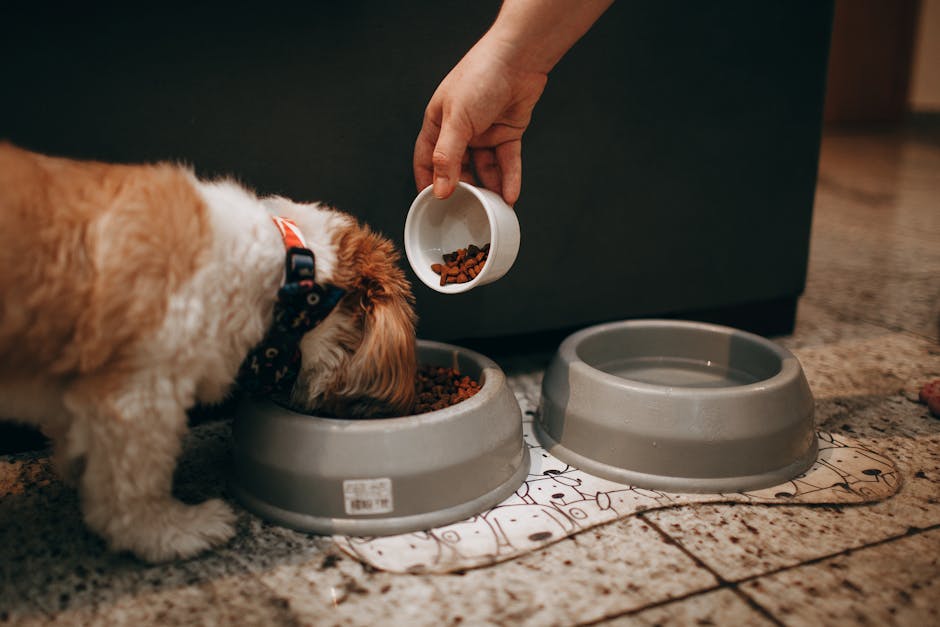
An adult whippet typically eats 1-1.5 cups of high-quality kibble daily, split into two meals. Puppies need more frequent feeding — three to four times daily until about six months.
Look for foods with:
- High-quality protein source as the first ingredient
- Moderate fat content (12-18%)
- No fillers like corn and wheat gluten
I feed raw, but that’s a personal choice and comes with its own learning curve. Quality kibble works fine. Orijen, Acana, Canagan — the usual suspects for grain-free options. Or quality grain-inclusive like Royal Canin or Purina Pro Plan.
The “Is My Whippet Too Thin?” Panic
You should see the last two to three ribs on a healthy whippet. Hip bones visible from above. Tuck-up clearly defined.
First-time owners panic. Strangers comment. Your mum insists the dog is wasting away.
Ignore them. A whippet at correct weight looks thin to people used to seeing overweight Labs. An overweight whippet, on the other hand, faces joint problems, reduced lifespan, and can’t run properly.
If you’re worried, ask your vet. But know that most “concerningly thin” whippets are actually perfectly healthy.
Training a Whippet: Tips for Success
Here’s where expectations need adjusting. Whippets aren’t retrievers. They’re not going to fetch your slippers and heel perfectly just to please you.
They’re sighthounds. Bred for independent hunting decisions, not following human commands. This doesn’t make them unintelligent — they’re extremely smart. It makes them selective about which requests are worth their time.
What Works
Positive reinforcement, always. Whippets are sensitive. Harsh corrections make them shut down or become anxious. Keep training upbeat and reward-based.
Short sessions. Ten minutes maximum. Their attention span for repetitive exercises is limited.
High-value treats. Kibble won’t cut it. Cheese, chicken, hot dogs — whatever makes their eyes go wide.
Consistency. They’ll test boundaries. If jumping on the sofa is sometimes allowed, they’ll assume it’s always allowed.
What Doesn’t Work
Recall when prey is present. Be realistic. A whippet in full chase mode cannot hear your voice. Use a long line in areas with wildlife. Accept this limitation.
Punishment-based methods. You’ll break their trust and get nothing back.
Expecting Labrador-like obedience. Set yourself up for disappointment.
Socialisation
Start early and go steady. Whippets can be nervous dogs if under-socialised. Introduce them to different environments, people, dogs, and surfaces during puppyhood. But watch for overwhelm — flooding a sensitive puppy with stimuli backfires.
Whippet vs Greyhound: Key Differences
I get asked this constantly. They look similar. They’re both sighthounds. So why choose one over the other?
Size — Greyhounds stand 68-76 cm and weigh 27-40 kg. Whippets are significantly smaller at 44-51 cm and 9-19 kg. This matters for flat-dwellers and people without cars capable of transporting a dog the size of a small pony.
Exercise — Greyhounds are actually lazier. Retired racing greyhounds especially are happy with two 20-minute walks. Whippets need more actual running.
Availability — Hundreds of ex-racing greyhounds need homes at any given time. Whippets from breeders have waiting lists. Rescuing a greyhound is easier, cheaper, and arguably more ethical.
Lifespan — Whippets typically live 2-3 years longer than greyhounds.
Space — Greyhounds need bigger beds, bigger cars, more space generally. A whippet fits on your lap. A greyhound doesn’t, though they’ll try.
If you want the sighthound experience and have average-sized home and car, a whippet makes sense. If you’ve got space and want a genuine couch giant, consider a retired greyhound.
Cost of Ownership
Let’s talk money. Dogs are expensive. Whippets are no exception.
Purchase Price
A well-bred whippet puppy from health-tested parents costs £1,500-2,500. Championship bloodlines or show potential goes higher — £3,000+.
Can you find whippets cheaper? Yes. Should you? Probably not. Backyard breeders and puppy farms skip health testing. You’ll pay the difference in vet bills, guaranteed.
Rescue whippets cost £200-400 through breed-specific rescues. They’re rarer than rescue greyhounds but they exist.
Annual Costs
Food: £400-600
Insurance: £300-600 (sighthounds can be pricier to insure)
Vet basics (vaccines, flea/worm): £150-200
Coats and beds: £100-200 initially, less ongoing
Miscellaneous (treats, toys, leads): £100-200
First year total: £3,000-4,500 including purchase
Ongoing years: £1,000-1,500
Insurance
Get it. Whippet leg injuries from running can hit £2,000-4,000 for surgery. A heart condition requiring ongoing medication adds up fast. Lifetime policies cost more monthly but cover chronic conditions — worth it for this breed.
Is a Whippet Right for You?
Be honest with yourself here.
A Whippet Might Be Perfect If You:
- Can provide daily off-lead running in a secure area
- Want a quiet, affectionate companion
- Don’t mind a dog that follows you everywhere
- Live in a flat or small house (actually fine for this breed)
- Have older children who respect animals
- Accept that recall will never be 100%
- Can commit to 12-15 years
A Whippet Probably Isn’t For You If You:
- Have small pets (rabbits, guinea pigs, cats you don’t trust it with)
- Want a dog that obeys commands instantly
- Can’t access secure off-lead areas
- Live somewhere very cold without indoor heating
- Want an independent dog happy to be left alone
- Have very young grabby children
- Want a guard dog (they’ll lick burglars)
Finding a Whippet: Breeders and Rescue
Choosing a Breeder
Start with the Kennel Club’s Assured Breeder scheme. Not perfect, but a baseline.
Questions to ask:
- What health tests have the parents had? (Ask for certificates)
- Can I meet the mother with the puppies?
- What’s the temperament of the parents?
- Do you take dogs back if circumstances change?
- How many litters does the mother have yearly? (One is plenty)
Red flags:
- Won’t let you visit
- Puppies available immediately with no waiting list
- No health test documentation
- Multiple breeds available
- Meets you in a car park
Rescue Options
Try the Whippet Club of Great Britain or regional sighthound rescues. Greyhound trusts sometimes have whippets too.
Rescued whippets are often adults — you skip the puppy chaos but might inherit behavioural quirks. Still worth considering. My second whippet came from rescue at age four and she was brilliant from day one.
Frequently Asked Questions
Do whippets bark much?
Barely at all. They’re one of the quietest breeds. Some whippets go months without barking. Perfect for flats, annoying if you want any kind of alert dog.
Can whippets be left alone?
For a few hours, yes. Most do okay with four to five hours alone once adult. Longer than that and separation anxiety becomes an issue. They’re pack animals who’d rather be with you.
Are whippets easy to house train?
Generally yes. They’re clean dogs who don’t like soiling their space. Crate training helps. Most are reliable by 4-5 months, which is faster than many breeds.
Why does my whippet shake?
Either cold, excited, or anxious. Often cold. Get them a jumper. If it’s happening constantly indoors at normal temperature, see a vet.
How fast can whippets run?
Top speed around 35-40 mph. They’re the fastest accelerating dog breed and among the fastest overall. Watching them sprint never gets old.
Do whippets need coats?
Yes. Below 10°C they’ll appreciate one. Below 5°C it’s essential. Get a decent fleece-lined option. They’ll sulk, but they need it.
Featured Image Source: Pexels