
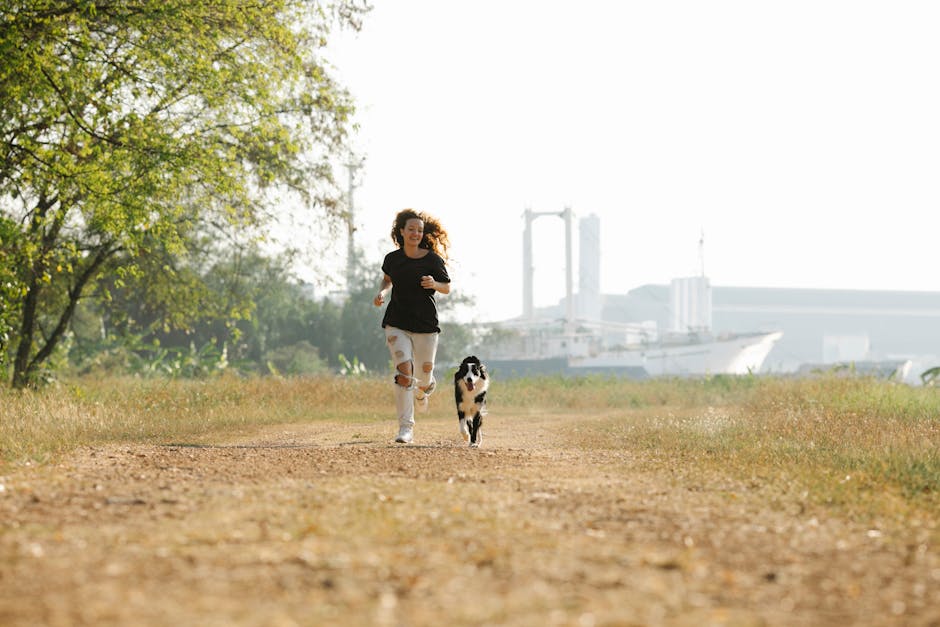

Finding the right running partner can make or break your training. I learned this the hard way when I adopted a gorgeous Basset Hound in my mid-twenties, convinced his soulful eyes and calm demeanour meant he’d be the perfect companion for my morning 5Ks. Spoiler: he wasn’t. Three months of dragging poor Harold around the block taught me that breed matters — probably more than any other factor when you’re choosing a dog to share an active lifestyle.
After fifteen years and four dogs (including two genuinely brilliant running companions), I’ve figured out what actually works. This isn’t about finding the “fastest” dog. It’s about finding one whose energy, build, and temperament match your running style. Because there’s a world of difference between someone training for ultras and someone who jogs a casual 3K a few times a week.
Why Running Matters When Choosing a Breed
Here’s what nobody tells you: most “high energy” dogs don’t actually make great running partners. A Jack Russell has endless energy but short legs and gets bored with repetitive straight-line running. A Husky can run forever — in -10°C — but will overheat and suffer on a mild British summer day.
Running requires a specific combination of traits. You need a dog with the right physical build (deep chest, long legs, efficient gait), appropriate coat for your climate, joints that can handle repeated impact, and — this is the one people forget — a temperament suited to running with you rather than constantly stopping to investigate every interesting smell.
What Makes a Good Running Companion
Physical traits that matter: Deep chest for lung capacity. Long, lean legs. Webbed feet are actually a plus for grip. Double coats can be problematic in warmer months. And pay attention to the muzzle — anything short and squishy (brachycephalic breeds) is out.
Temperament counts more than you’d think. The best running dogs are biddable — they want to work with you, not pursue their own agenda. Scent hounds, for all their endurance, will try to follow every rabbit trail. Herding breeds tend to stay focused on you. Gun dogs were literally bred to work alongside humans for hours.
Endurance vs speed. Some dogs are sprinters, some are marathon runners. Greyhounds can hit 45 mph but are done after 400 metres. A Vizsla can hold a comfortable pace for 15+ miles. Know what you need.
Best Breeds for Long-Distance Runners
Vizsla
If I could only recommend one breed for serious runners, it’s this one. My Vizsla, Copper, has been my training partner for six years now, and I genuinely believe he’s made me a better runner.
Vizslas were bred as Hungarian hunting dogs, working all day in the field. That translates to seemingly endless stamina and an almost uncanny ability to match your pace. When I’m doing tempo runs, Copper pushes harder. On recovery days, he settles into an easy trot without any fuss. It’s like he reads my training plan.
What sets them apart is the combination of physical ability and emotional attunement. They’re sometimes called “velcro dogs” because they want to be right next to you, always. For running, this is perfect — no pulling ahead, no lagging behind, no getting distracted by squirrels mid-stride. Just smooth, synchronised movement.
The reality check: Vizslas are intense. They need 60-90 minutes of hard exercise minimum, and they’ll be anxious and destructive without it. If you’re training for a marathon and running 50+ miles a week, brilliant. If you run sporadically, this dog will make your life difficult.
They also have zero body fat and thin coats, so they feel the cold. Mine wears a coat for winter runs, and we’ve had some judgmental looks from other dog owners about that.
Weimaraner
Similar vibe to the Vizsla but bigger and more independent. They’ve got that same hunting dog heritage and athletic build — all long legs and deep chest.
Weimaraners can handle longer distances than almost any other breed. I know a woman who does 100-mile ultras with her Weim, Phantom, pacing her for training runs up to 30 miles. But they’re also more stubborn. Where a Vizsla aims to please, a Weimaraner will sometimes decide they’re done running and that’s that.
Better for experienced dog owners. Not a first-dog choice.
German Shorthaired Pointer
The GSP is probably the most versatile athlete on this list. Running, swimming, hiking, agility — they excel at everything.
Compared to Vizslas, they’re slightly stockier and can handle rougher terrain better. Their coat is also a bit more weather-resistant. But they have higher prey drive, which can be an issue if you run anywhere with wildlife.
Quick specs: Can comfortably run 10-15 miles, handles heat better than most breeds on this list, needs a confident handler.
Rhodesian Ridgeback
Originally bred to hunt lions in Africa. That tells you something about their stamina and heat tolerance.
Ridgebacks are built for distance running in warm climates — if you’re in the UK, that’s less relevant, but they won’t collapse in a heatwave like some breeds will. They’re also more laid-back at home than the other dogs in this section, which is nice if you want a dog that has an “off switch.”
The downside? They’re big (40-50kg), and big dogs are harder on joints over time. You might get fewer years of serious running with a Ridgeback than with a lighter breed.
Best Breeds for Trail and Off-Road Running
Trail running is a different beast. You need agility, sure-footedness, and a dog who can handle uneven terrain without getting spooked or injured.
Australian Shepherd
Aussies are incredible trail dogs. They’re nimble, they watch where they’re putting their feet, and their herding instinct means they naturally stay close and aware of your position.
My neighbour runs with her Aussie in the Peak District, scrambling over rocks and through streams, and that dog handles terrain I’d hesitate to walk on. They seem to genuinely enjoy the mental challenge of technical trails.
Caveat: Aussies herd. This means they might try to herd other runners, cyclists, or — memorably, in my neighbour’s case — a group of fell runners during a race. Good recall training is non-negotiable.

Border Collie
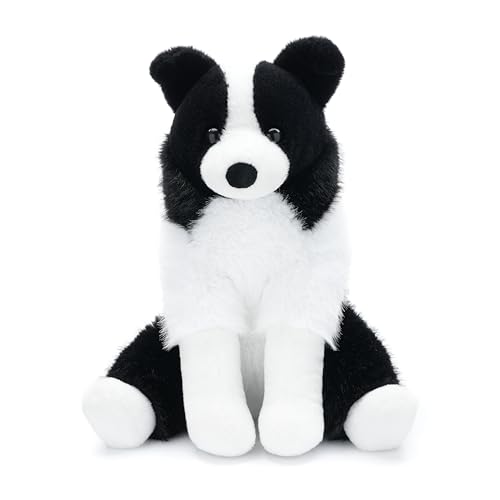
The smartest dogs you’ll ever meet, and possibly the most athletic. A fit Border Collie can run all day, then look at you like “is that it?”
They’re smaller than Aussies (typically 15-20kg vs 20-30kg), which makes them less durable for extremely long distances but more agile on technical terrain.
The intelligence is double-edged. They need mental stimulation alongside physical exercise. Running alone won’t cut it — a bored Border Collie is a destructive Border Collie.
Belgian Malinois
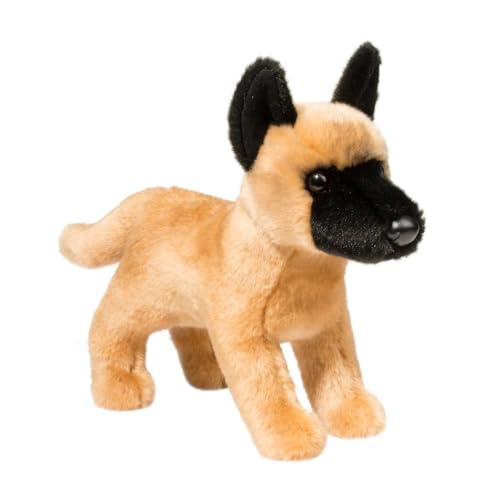
I’ll be honest: most people shouldn’t get a Malinois. They’re military and police dogs for a reason. But if you’re an experienced handler who runs seriously — like, ultra distances on technical trails — a Malinois might be the ultimate partner.
They’re essentially Border Collies with more drive, more intensity, and more demands. Amazing athletes. Also potentially overwhelming for anyone who isn’t prepared for the level of training and engagement they require.
Best Breeds for Casual Joggers
Not everyone wants to run marathons. If you’re doing 3-5K a few times a week at a conversational pace, you don’t need an elite canine athlete. You need a dog who enjoys getting out but won’t destroy your house if you skip a day.
Labrador Retriever
Labs are the reliable family saloon of running dogs. They won’t win any races, but they’ll cheerfully trot alongside you for years, ask very little, and be fine if your running goes through phases.
Watch their weight, though. Labs are prone to obesity, and an overweight Lab is hard on joints. Keep them lean and they’ll run happily into their senior years.
Golden Retriever
Similar to Labs but with more coat to manage. That fluff can be a problem in summer — they overheat faster than Labs.
Lovely temperament, eager to please, good for families. Just maybe not your first choice if you run in July.
Standard Poodle
Hear me out. Poodles are seriously athletic dogs hiding under a ridiculous haircut. Originally bred as water retrievers, they’ve got the build and stamina for solid running.
The non-shedding coat is genuinely useful if you live in a flat or have allergies. And they’re smart without being neurotic like some herding breeds.
Mine’s a bit posh, admittedly. But she kept up with Copper on a 10-mile run last month, so.
Breeds to Avoid for Running
Brachycephalic breeds (flat faces): French Bulldogs, English Bulldogs, Pugs, Boston Terriers. They physically cannot breathe efficiently enough for sustained cardio. Running can literally kill them. Hard no.
Giant breeds: Great Danes, Saint Bernards, Mastiffs. Too much weight on joints, prone to orthopaedic problems, relatively short lifespans. A gentle walk is their speed.
Toy breeds: Chihuahuas, Pomeranians, Yorkshire Terriers. Legs too short, can’t keep up, risk of injury.
Scent hounds: Basset Hounds, Bloodhounds, Beagles. The nose rules their brain. You’ll spend more time waiting for them to finish sniffing than actually running.
Age and Health Considerations
This bit’s serious, so pay attention.
Puppies should NOT run. Growth plates don’t close until 12-18 months depending on breed (larger breeds take longer). Running a puppy on pavement can cause permanent joint damage. My vet’s rule of thumb: no structured running until at least 12 months for medium breeds, 18 months for large breeds. Stick to play and short walks until then.
Get a vet check before starting. Hip dysplasia, elbow dysplasia, and heart conditions can all be present without obvious symptoms. A pre-running health check is worth the £50-100.
Watch for signs of overexertion. Heavy panting that doesn’t resolve within a few minutes of rest. Lagging behind consistently. Lying down and refusing to move. Limping. Dogs will often push through pain to stay with you — it’s your job to notice when they’re struggling.
Older dogs need modified routines. Copper’s slowing down at six. We do more off-lead trail running where he can set his own pace, and fewer long road runs. Listen to your dog. They’ll tell you when they’re done.
Building Your Dog’s Running Endurance
Start slower than you think necessary. Seriously.
Even a breed built for running needs conditioning. They haven’t been running long distances — their muscles, joints, and cardiovascular system need gradual adaptation just like yours did when you started.
Week 1-2: 1-2 miles at an easy jog, every other day maximum.
Week 3-4: Build to 3-4 miles, still easy pace.
After that: Add no more than 10% distance per week. Same principle as human training.
Pay attention to paw pads — they toughen up over time but can crack or blister early on, especially on hot pavement. Speaking of which: touch the pavement with the back of your hand. If it’s too hot to hold for 5 seconds, it’s too hot for paws.
Gear You’ll Actually Use
I’ve tried a lot of running gear over the years. Most of it’s unnecessary. But a few things genuinely help:
A proper hands-free lead. Forget holding a standard lead — you need both arms for balance and rhythm. I use a waist belt with a bungee lead that absorbs the shock if your dog suddenly stops or lunges. Ruffwear makes good ones.
Collapsible water bowl. Those silicone fold-flat ones take up zero space. I always carry one for runs over 5K.
High-visibility gear for early morning or evening runs. Both for you and the dog — they make reflective collars and lead attachments.
Poo bags. Obviously. But the little clip-on dispensers that attach to your lead are genuinely useful. Nothing worse than carrying a full bag for 3 miles because you forgot supplies.
Skip the booties unless you’re running in extreme conditions (very hot pavement, ice, serious salt). Most dogs hate them and will adapt their natural pads to your typical running surface.
FAQ
Can any healthy dog learn to run long distances?
No. Some breeds are physically incapable of efficient sustained running — short muzzles restrict breathing, short legs mean they have to work three times as hard, giant breeds put too much stress on joints. Breed matters. A fit French Bulldog still shouldn’t run more than a few hundred metres.
How do I know if my dog is enjoying running or just tolerating it?
Body language. A dog who enjoys running has loose, relaxed movement, tail at a natural position (not tucked), ears forward or relaxed. They’ll look at you periodically with what I can only describe as a happy expression. A dog who’s tolerating it will lag behind, stop frequently, or seem stiff and hesitant. Copper does a little bounce at the door when I put on running shoes — that’s genuine enthusiasm.
Is it better to run with my dog on or off lead?
Depends entirely on your dog’s recall, the environment, and local laws. In the UK, most trails allow off-lead if your dog is under control. I run Copper off-lead on trails (perfect recall, ignores wildlife) but on-lead on roads (safety). An off-lead dog can set their own pace, which is often better for them.
If you’re serious about running with a dog, get a Vizsla. I’m biased, obviously — six years of training with Copper has made me evangelical about the breed. But there’s a reason they top every “best running dogs” list. The combination of athletic ability, trainability, and genuine desire to work alongside you is unmatched. Just be ready for a dog who needs you to keep up your end of the bargain. They’re not a “maybe I’ll run today” breed. They’re an “I will lose my mind if we don’t run today” breed. For the right person, that’s perfect motivation.
Featured Image Source: Pexels