

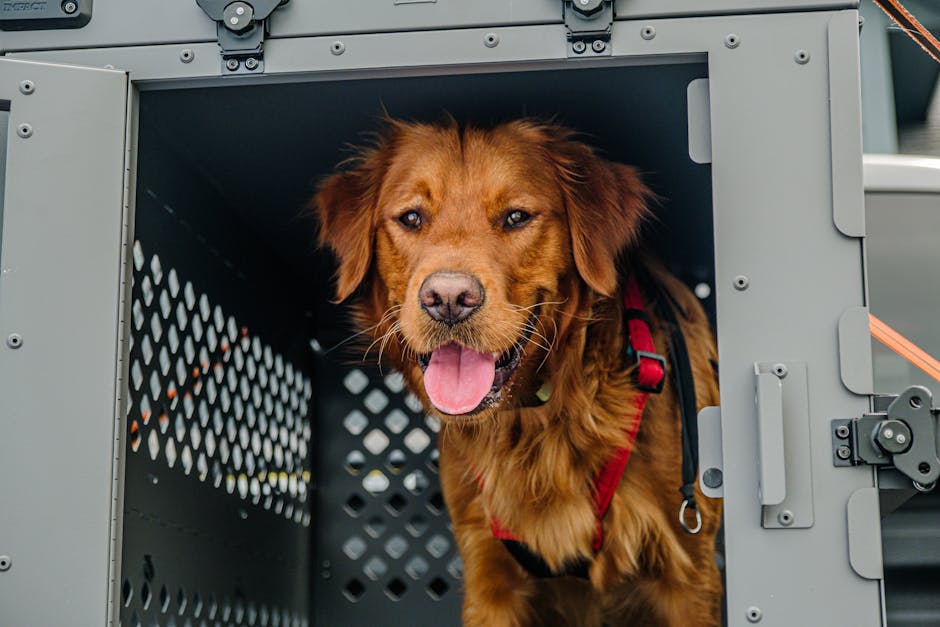

My spaniel and I have crossed the Channel six times since Brexit. The first trip nearly ended in disaster — I’d assumed the EU pet passport we got in 2018 still worked and only discovered it didn’t when a very apologetic vet told me, three days before we were due to leave. That frantic scramble cost me an extra £180 in rush fees and nearly a holiday.
The rules changed again in April 2026. If you’re planning to take your dog to France, Spain, or anywhere else in Europe this summer, here’s what actually matters — and where people keep getting caught out.
What Changed in April 2026
On 22 April 2026, the EU stopped recognising pet passports issued to GB residents. Full stop. It doesn’t matter if yours was issued in France or Germany or anywhere else in Europe — if you live in Great Britain, that passport is now just an expensive souvenir.
The replacement is an Animal Health Certificate (AHC). Unlike the old passport, you need a fresh one for every single trip. Drive to Brittany in June, come back, then head to the Alps in August? That’s two certificates, two vet appointments, roughly £200-400 in fees.
Why the change? The EU considers the UK a “third country” now and requires the same paperwork they’d want from someone bringing a dog from the US or Australia. Brexit consequences arriving five years late, essentially.
Step-by-Step: Getting Your Dog Ready for EU Travel
Step 1: Microchip
Your dog must be microchipped before anything else happens. This isn’t optional — it’s been UK law since 2016 anyway — but the timing matters. The chip has to be in place before or on the same day as the rabies vaccination, or the jab doesn’t count for travel purposes.
Most dogs are already chipped as puppies. Just check yours is registered and the details are current.
Step 2: Rabies Vaccination
Here’s where the 21-day wait catches people. Your dog needs a rabies jab, then you wait exactly 21 days before you can travel. Day one is the day after the vaccination — so if the vet gives the jab on 1st June, the earliest you can enter France is 23rd June.
I’ve seen people mess this up by booking their vaccination appointment too late and then having to delay their ferry. Build in buffer time. Rabies vaccines cost around £75-155 depending on your vet, with the average sitting around £112.
Step 3: Book Your Official Veterinarian Appointment
Not every vet can issue an AHC. You need an Official Veterinarian (OV) — someone who’s done additional APHA training and has government authorisation. Many practices only have one or two OVs, and during summer they’re booked solid weeks in advance.
Start calling around at least a month before travel. Ask specifically: “Do you have an Official Veterinarian who can issue Animal Health Certificates, and what’s your availability?”
Costs vary wildly. I’ve seen quotes from £80 at specialists who do volume to over £250 at London practices. The average is somewhere around £150-200. For a second dog, many vets charge a reduced rate — typically £30-50 extra rather than double.
Step 4: The 10-Day Window
Your AHC must be issued within 10 days of entering the EU. Not 10 working days. Not 10 days of travel. Ten calendar days before your paw touches French soil.
Book too early and the certificate expires before you leave. Book too late and you might not get an appointment. I aim for 5-7 days before departure — close enough to be valid with a small buffer if something goes wrong.
Once you’re in the EU, the certificate remains valid for four months of onward travel (or until your dog’s rabies vaccination expires, whichever comes first). So you can visit multiple countries on one trip without additional paperwork.
Step 5: Tapeworm Treatment (For Specific Countries)
This one catches a lot of people out because it only applies to certain destinations: Finland, Ireland, Malta, Northern Ireland, and Norway.
If you’re visiting any of these, your dog needs tapeworm treatment containing praziquantel or epsiprantel within 1-5 days before arrival. Not before departure from the UK — before arrival at that specific country. The vet records the exact date and time on your AHC.
Standard flea-and-worm treatments like Advocate or Frontline don’t count. You need a specific tapeworm tablet.
Heading to France, Spain, Portugal, or Italy? You can skip this step entirely.
Cost Breakdown
Budget roughly £300-450 for the full paperwork process:
- Rabies vaccination: £75-155 (average £112)
- Animal Health Certificate: £80-250 (average £150-200)
- Tapeworm treatment (if needed): £15-30
Add this to every EU trip. It stings, but it’s the new reality.
Animal Health Certificate vs Pet Passport: Key Differences
| Old EU Pet Passport | New AHC | |
|---|---|---|
| Valid for | Multiple trips (years) | Single trip |
| Who issues it | Any vet | Official Veterinarian only |
| Issued when | Any time | Within 10 days of EU entry |
| Cost | ~£60 once | £80-250 per trip |
| Use for return | Same document | Same AHC (4 months) |
The pet passport was brilliant — get it once, use it for years, just keep rabies boosters current. The AHC is the opposite: same admin, same vet visits, same fees, every single time.
If you lose your AHC while abroad, you’ll need to find an Official Veterinarian in the EU country you’re visiting to issue a new one. This is expensive, stressful, and involves explaining UK pet travel rules to vets who may never have dealt with them. Guard that certificate like your actual passport.
Transport Options for Dogs Crossing the Channel
Eurotunnel Le Shuttle
This is my default and I’d recommend it for most dogs. The crossing takes 35 minutes, your dog stays in the car with you, and there are proper exercise areas at both Folkestone and Calais terminals.
The pet fee is around £23 each way. Check in at the pet reception desk at least an hour before your booked departure — they’ll scan your dog’s microchip and verify your AHC. Follow the paw prints painted on the ground; they make it idiot-proof.
During the crossing, you can get out and stand by your car, but your dog must stay inside with windows cracked for ventilation. No walking dogs in the carriage.
Ferries
More options here, and each company does things slightly differently.
P&O Ferries (Dover-Calais): Dogs stay in your car or you can book the Pet Lounge for £12 — a dedicated space with an exercise area, WiFi, and hot drinks. The crossing’s about 90 minutes. Pet fee is £15 each way.
DFDS (various routes): Dogs remain in vehicles on most crossings, with kennels available on the Newhaven-Dieppe route. Pet fees from £15-30 depending on the route.
Brittany Ferries (longer routes to Spain, western France): They have pet-friendly cabins on several ships — Galicia, Salamanca, Pont-Aven, and Normandie. Worth it for overnight crossings. One quirk: they require dogs to be muzzled when moving between car and cabin or visiting exercise areas. Costs from £35 one-way.
Book pet-friendly cabins early. They sell out months ahead during summer.
Flying
This is where things get complicated. UK regulations require dogs entering Britain to travel as cargo — not cabin baggage, not checked luggage, but manifest cargo with specialist handlers. It’s expensive (£500-2000+ depending on size and route) and stressful for most dogs.
Flying out of the UK is slightly easier. Airlines including Air France, Lufthansa, KLM, and TAP Air Portugal allow small dogs (under 8kg including carrier) in the cabin on departures from UK airports. But you’ll still need cargo for the return leg.
Flat-faced breeds — pugs, bulldogs, French bulldogs, Boston terriers — face additional restrictions or outright bans on most airlines due to breathing difficulties at altitude.
For most people, driving via Eurotunnel or ferry is simpler, cheaper, and far less stressful for the dog.
Pet Travel Insurance: What UK Policies Cover
I didn’t bother with travel insurance for my dog’s first EU trip. Then she ate something dodgy in a French campsite and needed an emergency vet visit. €340 later, I reconsidered.
Most standard UK pet insurance policies include some overseas cover, but the details vary massively:
- Around 64% of policies cover overseas vet fees for 90 days or more
- About 18% offer no overseas cover whatsoever
- The rest fall somewhere in between
What to Look For
Overseas vet treatment: The main one. Make sure your policy covers emergency treatment abroad, not just UK vets.
Duration: Some policies cover 30 days, some 90, some 180. Match this to your actual travel habits.
Vet fee limit: Does your usual £4,000 annual limit apply abroad, or is there a separate (often lower) cap for overseas treatment?
Lost documents: Some policies cover the cost of replacing a lost AHC while abroad. Given the hassle involved, this is worth having.
Quarantine costs: If something goes wrong with paperwork, your dog could face quarantine. Better policies cover this.
Provider Comparison
ManyPets: Their Complete Care plan offers 90 days worldwide cover with a £20,000 vet fee limit — one of the highest around. They also cover pre-existing conditions after two years, which is unusual.
Sainsbury’s: Their policies include holiday cover as standard. Solid, traditional offering from a brand most people trust.
petGuard: Offers cover for trips up to 60 days, with unlimited trips per year — good if you travel frequently but never for extended periods.
Read the actual policy documents. “Overseas cover included” can mean very different things.
Country-Specific Requirements
Standard EU Countries (France, Spain, Portugal, Italy, Germany, etc.)
AHC + microchip + valid rabies vaccination. That’s it. No additional treatments or paperwork.
Finland, Ireland, Malta, Norway, Northern Ireland
Everything above, plus mandatory tapeworm treatment within 1-5 days of arrival. The treatment must contain praziquantel and be recorded on your AHC with the exact date and time.
If you’re travelling between these countries (say, Ireland to Northern Ireland), you don’t need additional tapeworm treatment. The requirement only applies when entering from outside the group.
Non-EU Countries
Switzerland follows EU rules. For anywhere else — Turkey, Morocco, the Balkans — check specific requirements well in advance. Many have their own import permits and health testing requirements that take months to arrange.
What to Pack for Your Dog’s Trip
Documents (keep in a waterproof folder):
- Animal Health Certificate
- Vaccination records
- Pet insurance details and emergency contact number
- Photo of your dog with you (helps if they get lost)
Food: Bring enough of their usual food for the trip. Stomach upsets from sudden diet changes are common and unpleasant for everyone. French supermarkets stock dog food, obviously, but probably not the exact brand yours is used to.
Travel crate or car harness: Required by law in many EU countries. In France, dogs must be secured while driving — loose in the boot doesn’t count.
Collapsible water bowl and bottled water for the first day or two. Tap water varies and some dogs react badly.
Any regular medications, plus a written note from your vet listing what they’re for. Carrying unlabelled drugs across borders can raise eyebrows.
Returning to the UK with Your Dog
Good news: returning is simpler than leaving. Your AHC remains valid for the return journey for up to four months from when you entered the EU.
However, if you’re returning from anywhere except Ireland, Finland, Norway, Malta, or Northern Ireland, your dog needs tapeworm treatment within 1-5 days before arriving back in the UK. This is the UK’s rule, not the EU’s — we require it because we don’t have certain tapeworm species established here and want to keep it that way.
The treatment must contain praziquantel. Get it done at a vet in whichever EU country you’re leaving from, and make sure they record it on your AHC.
At the UK border (port or Eurotunnel), officials will check your AHC and scan your dog’s microchip. If you’re returning from an EU country (not Ireland/Finland/Norway/Malta), they’ll also check the tapeworm treatment is correctly recorded.
What if your AHC expires while abroad? You’ll need to find an Official Veterinarian in the EU to issue a new health certificate for your return. This is rare but not impossible — the British Embassy can sometimes help locate appropriate vets.
Common Mistakes to Avoid
Waiting 21 days after rabies vaccination: The single most common mistake. People book their rabies jab a week before travel and then can’t go. The 21-day wait is non-negotiable. Plan around it.
Getting the AHC timing wrong: Too early and it expires before you leave. Too late and you can’t get an appointment. Aim for 5-7 days before departure.
Assuming tapeworm treatment is universal: It’s only required for specific countries. Don’t pay for unnecessary treatments, but don’t skip it for Ireland or Finland either.
Thinking the old pet passport still works: It doesn’t. Not since April 2026. Not even if it’s got years left on it. Not even if your French neighbour says their British friend used one last month. It doesn’t work.
Forgetting about the return tapeworm requirement: Even if you didn’t need tapeworm treatment to enter France, you probably need it to re-enter the UK. The exception is if you’re coming directly from Ireland, Finland, Norway, Malta, or Northern Ireland.
Frequently Asked Questions
Can I still use my EU pet passport if it was issued before Brexit?
No. As of April 2026, EU pet passports issued to GB residents are no longer valid for EU entry, regardless of when they were issued. You need an Animal Health Certificate.
How far in advance should I book my AHC appointment?
At least 3-4 weeks before travel, especially during summer. OV appointments get booked up fast.
What happens if my dog bites someone abroad?
Honestly? This terrifies me more than the paperwork. Quarantine rules vary by country, and some have mandatory euthanasia for biting dogs regardless of circumstances. Keep your dog leashed and muzzled where required. Travel insurance won’t save you from local dangerous dog laws.
Can I bring more than one dog?
Yes, up to five pets per vehicle for personal (non-commercial) travel. Each needs their own AHC documentation. Some vets offer discounts for multiple animals at the same appointment.
Do puppies need rabies vaccination too?
Yes, and they must be at least 12 weeks old to receive it. Add the 21-day wait, and puppies can’t travel to the EU until they’re at least 15 weeks old. Most vets recommend waiting until they’ve completed their primary vaccination course anyway.
The admin is annoying. The costs add up. But once you’ve done it once, the process becomes routine — slightly tedious rather than genuinely difficult. Book early, double-check your dates, and keep all your documents together.
My spaniel has now explored beaches in Brittany, hiked the Pyrenees, and charmed her way into several French restaurants that technically don’t allow dogs. Worth every penny of paperwork.
Featured Image Source: Pexels