

Why Sunburn Catches UK Dog Owners Off Guard
I’ll admit it — I didn’t think sunburn was something I needed to worry about for my dogs. We’re in Britain, after all. Grey skies, drizzle, the occasional burst of warmth that sends everyone scrambling to find their sandals. But then came the summer of 2026, and my white Bull Terrier mix came back from an afternoon in the garden with a pink, tender nose that made her wince when I touched it.
She’d got sunburnt. In Manchester. In June.
Turns out I’d made the same mistake most UK dog owners make: assuming our weather offers some kind of built-in protection. It doesn’t. UV rays penetrate cloud cover — up to 80% of them on overcast days. And certain dogs, because of their coat colour, skin pigmentation, or breed characteristics, are sitting ducks for sun damage.
How Dogs Burn Differently
Dogs don’t sunburn quite like we do. Their fur provides some protection, but it’s patchy at best. The real vulnerability comes from areas with thin or no hair coverage, combined with skin that lacks melanin.
Pink skin burns. Dark skin doesn’t — or at least, not easily. That’s the simple version. Dogs with white or light coats often have pink skin underneath, particularly on their nose, around their eyes, inside their ears, and across their belly. These areas can burn within 30 minutes of direct sun exposure.
And here’s something most people don’t realise: the damage is cumulative. Repeated sun exposure doesn’t just cause immediate discomfort. It builds up over years, increasing the risk of skin cancers — particularly squamous cell carcinoma.
Which Breeds Face the Highest Risk?
Hairless Breeds Need Constant Protection
This one’s obvious when you think about it. Chinese Cresteds and Xoloitzcuintlis (Mexican Hairless Dogs) have minimal coat coverage. Their skin is completely exposed to UV radiation.
If you’ve got a hairless breed, sun protection isn’t optional — it’s daily management. These dogs need sunscreen on every outing, even quick trips to the garden. They’re also more prone to developing pigmentation irregularities and skin damage over time.
White and Light-Coated Dogs
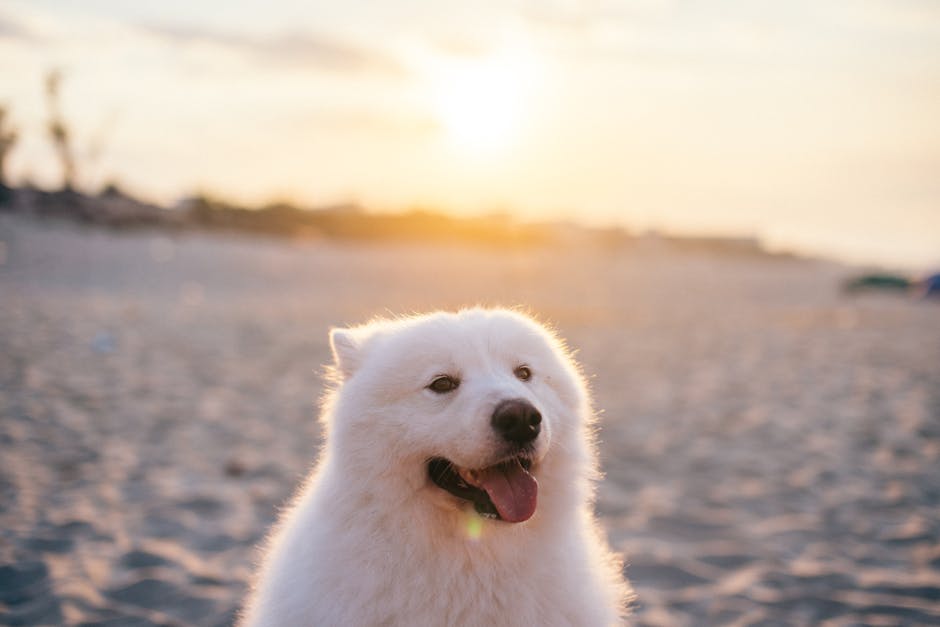
Dalmatians, white Bull Terriers, white Boxers, white or cream Whippets, West Highland White Terriers, Samoyeds — the list goes on. Any dog with predominantly white colouring often has pink skin that burns readily.
My friend’s Dalmatian developed chronic sunburn on his ear tips. She didn’t connect the dots for months because the redness seemed mild. By the time she took him to the vet, he’d developed precancerous changes that required ongoing monitoring.
Bull Terriers deserve special mention. The all-white variety has a genetic predisposition to skin issues anyway, and sun damage compounds those problems. If you’ve got one, you probably already know you’re looking at a higher-maintenance dog in summer.
Brachycephalic Breeds With Exposed Skin
Bulldogs, Boxers, Pugs, Boston Terriers — their flat faces mean more skin exposure around the muzzle. The wrinkles and folds don’t offer much protection, and the areas around their eyes and nose burn easily.
I’ve seen white-faced Boxers with what looks like a permanent suntan across their muzzle. That’s not a tan. That’s accumulated sun damage.
Double-Merle Dogs
This is one most people haven’t heard of. Double-merle dogs — the result of breeding two merle-patterned dogs together — often have large patches of white with pink skin, sometimes combined with vision or hearing issues. They’re at significantly elevated risk of sunburn and associated skin cancers.
If you’ve got a mostly-white Australian Shepherd or Border Collie with blue eyes, check whether they’re a double-merle. Your vet can advise on their specific protection needs.
The Vulnerable Spots
Not all body parts are equally at risk. Concentrate your protection efforts on:
Nose and muzzle. The nose leather can burn badly, particularly on dogs with pink or partially pink noses. Once burned, it becomes more sensitive to future damage.
Ear tips. Thin skin, minimal fur coverage on the inner ear, and direct sun exposure make ears a common burn site. White-eared dogs are especially vulnerable.
Belly and inner thighs. Less obvious because the dog has to be lying on their back, but reflective surfaces (patios, light-coloured decking, even grass) bounce UV rays upward. Dogs who sunbathe on their backs are asking for trouble.
Around the eyes. The skin here is thin and often lightly furred. Dogs with light faces frequently develop pigmentation changes around their eyes from sun exposure.
UK-Specific Concerns You Should Know
We might not have Mediterranean summers, but our UV levels can spike surprisingly high. Between 11am and 4pm from late April through September, UV exposure can reach levels that cause burns within 15-20 minutes for high-risk dogs.
A few things make the UK situation tricky:
British dogs aren’t acclimatised the way dogs in consistently sunny climates are. That first proper sunny week of spring? Your dog’s skin hasn’t built any tolerance.
Reflective surfaces amplify exposure. Concrete, water, light-coloured sand at the beach — they all bounce UV rays back up at your dog. A walk along a seafront promenade exposes your dog to more UV than the same duration in a grassy park.
Our weather’s unpredictable. You leave the house under clouds, the sun comes out, and suddenly your dog’s had two hours of direct exposure you didn’t plan for.
And honestly, heatwaves are becoming more common. The extreme temperatures we saw in recent summers aren’t anomalies anymore. Dogs who were fine 10 years ago now face conditions their breed wasn’t designed for.
Choosing a Pet-Safe Sunscreen
Not all sunscreen is safe for dogs. This matters — they’ll lick it off, and some ingredients are toxic.
What to look for:
SPF 15 minimum, though SPF 30 is better for high-risk areas. Make sure it’s labelled for pets or check the ingredients carefully.
Ingredients to avoid:
Zinc oxide and PABA (para-aminobenzoic acid) are the big ones. Both are toxic to dogs if ingested. Octyl salicylate and homosalate can also cause problems.
UK products that work:
Petscreen SPF23 is widely available and formulated specifically for animals. It’s what I use on my dogs’ noses and ear tips.
Filtabac is another option — it’s designed for horses but safe for dogs, and you can get it from most equestrian suppliers. Some people swear by it.
For a budget option, unscented mineral sunscreens designed for babies — titanium dioxide based, without zinc oxide — can work in a pinch. But pet-specific formulas are safer because they account for licking.
Apply 20 minutes before sun exposure. Reapply every 2 hours, or immediately after swimming or if your dog’s been rolling about.
Protective Clothing and Shade
Sunscreen isn’t always practical. Try applying it to a wriggling dog who’s desperate to get outside. Good luck.
UV-protective dog clothing fills the gap. Lightweight shirts designed for dogs with UV-blocking fabric work brilliantly for covering the back and belly. They look a bit daft, but they work.
For walks, plan around shade. Stick to wooded paths during peak hours. If you’re at the beach, bring a pop-up shade tent. Dogs don’t regulate their temperature through shade-seeking as instinctively as we’d like them to — they’ll lie in full sun because the warm feels good, not realising the damage building up.
At home, create shaded areas in your garden. If your dog’s a sunbather, you might need to limit their unsupervised garden time during peak UV hours.
Spotting Sunburn and When to See a Vet
Mild sunburn looks like pink or reddened skin, particularly on the nose, ears, or belly. The area might feel warm. Your dog might be reluctant for you to touch it.
More severe burns cause peeling, blistering, or crusty patches. The skin might look raw. If you see this, get to a vet. Sunburn can progress to infection if the skin barrier’s compromised.
Chronic signs to watch for: thickened skin on the nose or ear tips, persistent redness that doesn’t resolve, scaly patches, or any lumps and bumps. These warrant a vet check because they can indicate precancerous or cancerous changes.
Don’t mess about with home remedies for severe burns. Cool water compresses can help mild cases, but broken skin or blistering needs professional treatment.
The Long-Term Risk: Skin Cancer
This is why sunburn matters beyond the immediate discomfort.
Squamous cell carcinoma is the big concern. It develops in sun-damaged skin over time, most commonly on the nose, ear tips, and belly. White cats get it notoriously, but white dogs do too.
Early signs include sores that don’t heal, crusty patches, or raised lumps. Treatment options depend on location and how advanced it is. Ear tips might need partial amputation. Nose tumours are harder to manage.
I’m not saying this to frighten you, but to emphasise that sun protection isn’t fussy pet-parenting. It’s genuine health management.
Breed-Specific Summer Routines
For hairless breeds: Daily sunscreen application, UV clothing for any outdoor time longer than a quick toilet break, limited exposure during peak hours year-round.
For white Bull Terriers, Dalmatians, and similar: Sunscreen on nose and ears from April through September. Avoid midday walks. Regular skin checks, especially on ears and muzzle.
For brachycephalic breeds: Focus on the muzzle area. Consider a light-coloured cooling coat that also provides UV protection — it helps with both heat management and sun damage.
For double-merle dogs: Treat them like hairless breeds. Full-body protection. Regular vet checks for skin changes. These dogs often have other health considerations too, so build sun protection into your existing management routine.
Frequently Asked Questions
Can dogs really get sunburnt in the UK?
Yes. I’ve seen it more times than I can count.
Should I use human sunscreen on my dog?
Only if it’s free of zinc oxide, PABA, and fragrances. Baby sunscreens with titanium dioxide are the safest human option. But honestly, just get a pet-specific one — it’s not expensive, and you won’t have to second-guess the ingredients.
How often should I reapply sunscreen?
Every two hours, or immediately after swimming. Dogs sweat through their paws, not their skin, so sweat isn’t the issue — but licking, water, and rubbing against things all remove sunscreen faster than you’d expect.
My dog has dark fur but pink skin on their belly — are they at risk?
Absolutely. Coat colour doesn’t always correlate with skin colour. If the skin’s pink, it can burn. Check underneath that dark fur.
Is there any breed that’s completely safe from sunburn?
Dogs with dark skin and dense, dark coats have significant natural protection. But “significant” isn’t “complete.” Shaved areas, thin coat patches, and the nose can still burn on any dog.
One Last Thing
Sun protection for dogs isn’t complicated once you’ve got the basics down. Identify your dog’s risk level, stock some pet-safe sunscreen, plan walks around peak UV hours, and keep an eye on any skin changes.
What I wish someone had told me years ago: don’t wait for a sunburn to take this seriously. Prevention’s far easier than treating damage — and far cheaper than managing the skin problems that develop later.
Featured Image Source: Pexels