

Why Your Flat-Faced Dog Needs You to Read This Before June
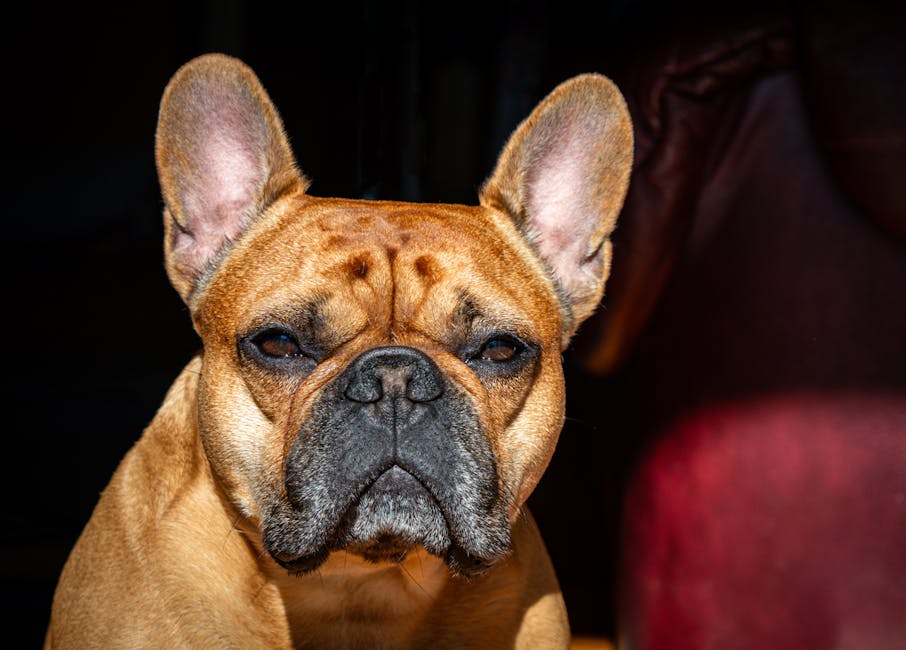
Last summer, I watched my neighbour rush her French Bulldog to the emergency vet. It was 23°C — hardly what most of us would call “hot.” She’d taken him for a twenty-minute afternoon walk, same as always. He collapsed on the pavement two streets from home.
He survived. Barely. The vet bill came to over £1,400, and Bruno spent three days on IV fluids with suspected organ damage. My neighbour had no idea that the temperature threshold for her Frenchie was dramatically lower than for other dogs. Neither did I, at the time.
Here’s what the research actually shows: flat-faced breeds aren’t just “a bit more sensitive” to heat. They’re in a completely different risk category. A Bulldog is fourteen times more likely to develop heatstroke than a Labrador. Your Pug? Six times more likely. And it can happen at temperatures most of us consider pleasant walking weather.
The Biology Working Against Your Dog
Your flat-faced dog pants constantly in warm weather — you’ve noticed this. What you might not realise is that the panting isn’t working properly.
Dogs cool themselves almost entirely through panting. Air moves over the moist surfaces of the tongue and respiratory tract, heat transfers to the moisture, and it evaporates away. The problem? This system relies on having adequate airway space. French Bulldogs, Pugs, and English Bulldogs have airways that are sometimes 50% narrower than they should be for their body size.
So your dog pants harder. The muscles driving that panting generate heat. That heat needs to be dissipated. The dog pants harder still. You can see where this is going.
The Royal Veterinary College’s VetCompass study analysed over 900,000 dogs in the UK and found that brachycephalic dogs had more than four times the odds of heat-related illness compared to dogs with normal-length muzzles. Even more concerning: flat-faced dogs are three times more likely to die if they do develop heatstroke.
That “Critical Temperature” Nobody Mentions
Most dog owners think heatstroke becomes a risk when it’s properly hot out — say, 28°C or above. For your Labrador or Spaniel, that’s roughly accurate.
For flat-faced breeds, danger begins around 21°C.
I’ll say that again, because it bears repeating: a temperature that feels comfortable for humans, where you might not even bother with a jacket, can trigger heatstroke in your Frenchie. The median temperature on days when UK dogs developed heat-related illness was just 16.9°C across all breeds — and flat-faced dogs were massively overrepresented in those cases.
Which Breeds Are Actually at Highest Risk?
The VetCompass researchers compared heatstroke risk to Labrador Retrievers as a baseline. Here’s what they found:
The extreme-risk group:
- Chow Chow: 17 times higher risk
- English Bulldog: 14 times higher risk
- French Bulldog: 6 times higher risk
- Dogue de Bordeaux: 5 times higher risk
The high-risk group:
- Pug: 3 times higher risk
- Cavalier King Charles Spaniel: 3 times higher risk
- Greyhound: 4 times higher risk (their thin coats and lack of body fat play a role here)
But breed isn’t the only factor. Dogs carrying extra weight had 1.4 times higher odds of heatstroke — and let’s be honest, keeping flat-faced breeds at a healthy weight is a constant battle given their limited exercise tolerance. Dogs over two years old were also at increased risk, possibly because younger dogs haven’t yet developed the respiratory damage that accumulates over time.
Spotting Heatstroke Before It’s Too Late
This is where I get preachy, but I don’t care: if you own a flat-faced dog, you need to become obsessive about recognising the early signs. By the time a dog collapses, organ damage may already be occurring.
Watch for:
- Panting that’s louder and more laboured than usual (not just faster — listen to the sound)
- Drooling that’s thicker or stickier than normal
- Gums that look brighter red than usual
- Any confusion or stumbling
- Lying down and refusing to move
What most people get wrong: they assume the dog is just “tired from the heat” and will recover with a rest and some water. This is not how heatstroke works. If your dog’s body temperature has risen above 40°C, cellular damage is happening. One in seven dogs with heatstroke dies.
Emergency First Aid (Print This Out)
If you suspect heatstroke, forget everything you’ve heard about “gradual cooling” or concerns about shocking the system. Current veterinary advice is clear: cool first, transport second.
Do this immediately:
- Move your dog to shade or ideally an air-conditioned space
- Pour cool water over them — tap water is fine, you don’t need ice water. Douse them thoroughly, focusing on the neck, armpits, and groin
- Keep air moving over them (fan, car AC, whatever you have)
- Offer water to drink if they’re alert enough to swallow safely
- Call your vet while you’re doing this, or have someone else call
Don’t drape wet towels over your dog and leave them there. This traps heat against the body — it’s outdated advice that’s still floating around.
Research shows dogs cooled before arrival at the vet are 2.5 times more likely to survive. Those minutes matter enormously.
Emergency vet consultations run £150-300 in most of the UK (more in London), and that’s before any treatment. If your dog needs IV fluids, monitoring, or intensive care, expect a bill well into four figures. Pet insurance typically covers this, but not everyone has it.
Prevention Strategies That Actually Work
Here’s the unsexy truth: the most effective prevention strategy is also the most boring one. Adjust your walking schedule.
Walking Times (The Non-Negotiable Part)
For flat-faced breeds in summer, safe walking windows are roughly:
- Before 8am
- After 8pm
That’s it. I know this is inconvenient. I know you have a job. But the alternative is a dog in organ failure, and I promise the early mornings become routine after a week or two.
On days above 24°C, consider skipping the walk entirely. Yes, entirely. More on that below.
Your Home Environment
Flat-faced dogs need to be kept cool, not just “not hot.” Some practical adjustments:
If you don’t have air conditioning (most of us don’t), fans matter more than you’d think. Moving air helps evaporation even if it’s not actually cooling the air. Position a fan where your dog tends to lie.
Close curtains on sun-facing windows during the day. This makes more difference than people expect.
Avoid conservatories. This seems obvious, but they’re often the sunniest, most inviting-looking room in the house, and dogs don’t understand that they’re essentially greenhouses. Same goes for south-facing rooms with large windows.
Keep multiple water stations around the house. Dogs won’t always walk across the house to drink when they’re hot — they’ll just stay put and get hotter.
Never, Ever, The Car
You know this one. But I’m including it because every summer, dogs die in cars belonging to people who “just popped into the shop for two minutes.”
At 22°C outside, the inside of a car can reach 47°C within an hour. For a flat-faced dog with compromised airways, even fifteen minutes can be fatal. Don’t leave them, not even with windows cracked, not even in the shade, not even for two minutes.
Cooling Products: What’s Worth Buying
Right, let’s talk gear. I’ve tested most of these with my own dogs over the years.
Cooling Vests
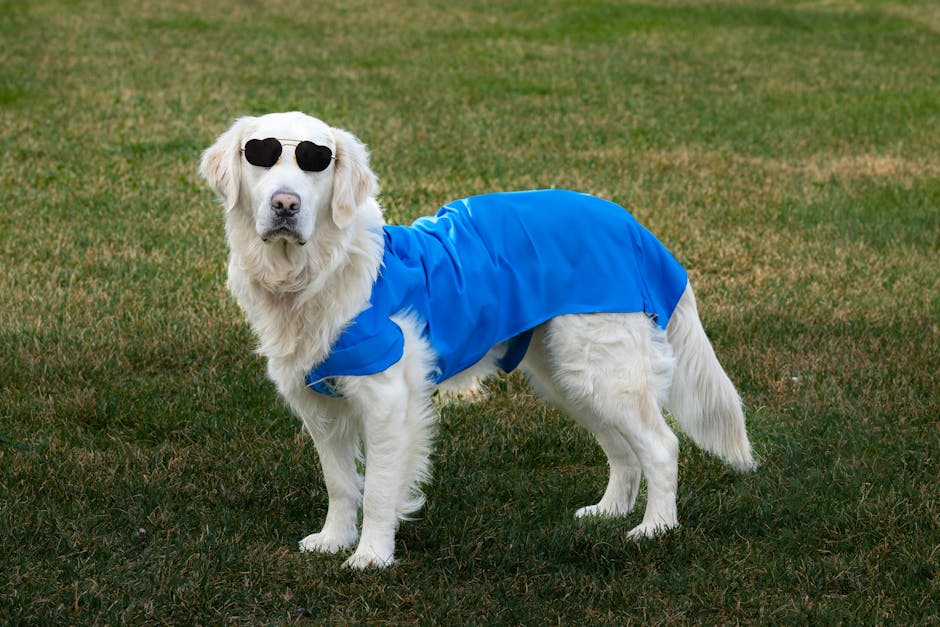
The Ruffwear Swamp Cooler is genuinely excellent. In testing, it dropped surface temperature by over 35°C in three minutes. The three-layer design with UPF 50+ outer fabric actually works as advertised. It stays effective for 2-6 hours depending on conditions, though you’ll need to re-wet it periodically.
The Kurgo Core is lighter and more flexible, which might suit smaller flat-faced breeds better. It’s a bit flimsier in construction and doesn’t cool quite as long — maybe 45 minutes to an hour on a hot day before it needs re-wetting. But it’s also less expensive.
One thing to know: if a cooling vest dries out completely while still on your dog, it stops cooling and starts insulating. Set a phone timer to check and re-wet every 20-30 minutes if you’re using one in hot conditions.
Also, if your dog wears a harness under the vest, you’re reducing contact with the skin and potentially making things worse. Something to think about.
Cooling Mats
Most cooling mats use pressure-activated gel — they’re the same technology, despite the confusing marketing terminology. The gel absorbs body heat when your dog lies on it, creating a cooling effect for up to three hours before it needs to “recharge” (your dog just needs to get off it for 15-20 minutes).
The Green Pet Shop mat is probably the most popular option. It works reasonably well, stays 5-10 degrees cooler than room temperature, and doesn’t require refrigeration.
For dogs prone to chewing, consider water-based mats instead — if punctured, they only leak water rather than gel. The cooling effect doesn’t last as long, but at least you’re not dealing with a toxic mess.
The Budget Option That Works Surprisingly Well
Fill a paddling pool with a few inches of cool water. Not deep enough to swim, just enough to stand in. Most flat-faced dogs love it, and it’s dramatically more effective than any mat or vest. You can get a basic kids’ paddling pool for under £15.
For indoor cooling, frozen Kongs stuffed with peanut butter or frozen fruit give your dog something to work on while also bringing their core temperature down slightly. Not a substitute for proper environmental cooling, but a nice supplement.
When to Skip the Walk Entirely
This is the advice nobody wants to hear. Sometimes the answer is simply: don’t take your dog outside today.
Decision Guidelines
Below 20°C: Normal walks should be fine for most flat-faced breeds, though keep them shorter than you would for other dogs and watch for heavy panting.
20-24°C: Early morning and evening walks only. Keep them brief — fifteen minutes maximum. Stick to shaded routes.
Above 24°C: For Bulldogs, Frenchies, and Pugs, consider skipping outdoor exercise entirely. The risk isn’t worth it.
Above 28°C: Do not take your flat-faced dog outside for exercise. Period.
Humidity matters too. High humidity makes panting less effective because moisture doesn’t evaporate as readily. On muggy days, lower your temperature thresholds by a few degrees.
Keeping Them Stimulated Indoors
A tired dog is a happy dog, but you don’t need physical exercise to achieve that. Twenty minutes of sniffing work is mentally as tiring as an hour-long walk, according to canine cognition research.
Scent work at home: Hide treats around the house and let your dog find them. Start easy — visible hiding spots — then make it harder as they learn the game.
Frozen enrichment: Stuff a Kong with wet dog food, banana, and a bit of peanut butter, then freeze overnight. This keeps them occupied for 20-30 minutes and involves zero heat-generating activity.
Puzzle feeders: Rather than putting kibble in a bowl, scatter it across a snuffle mat or through a puzzle toy. Makes mealtime into mental exercise.
Indoor training: Teach a new trick. Flat-faced breeds are often smarter than people give them credit for, and a ten-minute training session will tire them out without raising their body temperature.
The shell game: Three cups, one treat hidden underneath. Stupidly simple, oddly engaging for dogs.
If you’re really desperate and have a dog-friendly shop nearby (many garden centres allow dogs), a slow wander through air-conditioned retail counts as enrichment without the heatstroke risk.
A Word About Shaving
Don’t.
I know it seems logical — less fur equals cooler dog. But dogs’ coats actually help regulate temperature in both directions, and shaving can lead to sunburn and skin damage. This goes double for double-coated breeds.
What you can do: keep the coat well-groomed and mat-free so air can circulate through it properly. A good brushing removes dead undercoat and improves airflow significantly.
Summer Can Be Fine. Really.
This whole article probably sounds terrifying. I get that. But the point isn’t to scare you into giving up your flat-faced dog — it’s to help you understand what they need so you can both enjoy summer safely.
Thousands of Frenchies, Pugs, and Bulldogs live happily through UK summers. Their owners just know to walk early, keep the house cool, skip the midday adventures, and pay close attention when temperatures climb.
The dogs who end up in emergency vets are usually owned by people who didn’t know the risks, or knew but figured it would be fine just this once. Now you know. So you’ll be fine.
Frequently Asked Questions
Can I shave my flat-faced dog to keep them cooler?
No. Their coat actually helps regulate body temperature. Keep it well-brushed instead.
Are cooling vests safe for brachycephalic breeds?
Yes, but you need to re-wet them regularly. A dry cooling vest traps heat against the body and makes things worse. Set a timer every 20-30 minutes during hot weather.
What temperature is too hot to walk my Frenchie?
I use 24°C as my hard limit — above that, we skip the walk entirely. Between 20-24°C, early morning or late evening only, kept brief.
My dog doesn’t seem bothered by the heat — should I still be careful?
Absolutely. Dogs don’t always show obvious distress until they’re already in trouble. Flat-faced breeds in particular often push themselves past safe limits because they’re excited to be out walking. By the time they’re showing signs of distress, the situation may already be serious.
Can flat-faced dogs ever go swimming to cool down?
Some can, cautiously. But many brachycephalic breeds aren’t strong swimmers due to their body shape and breathing difficulties. Never leave them unsupervised near water, and a shallow paddling pool is usually safer than actual swimming. Start with water they can stand in and see how they do.
Featured Image Source: Pexels