

Why This Matters More Than You’d Think
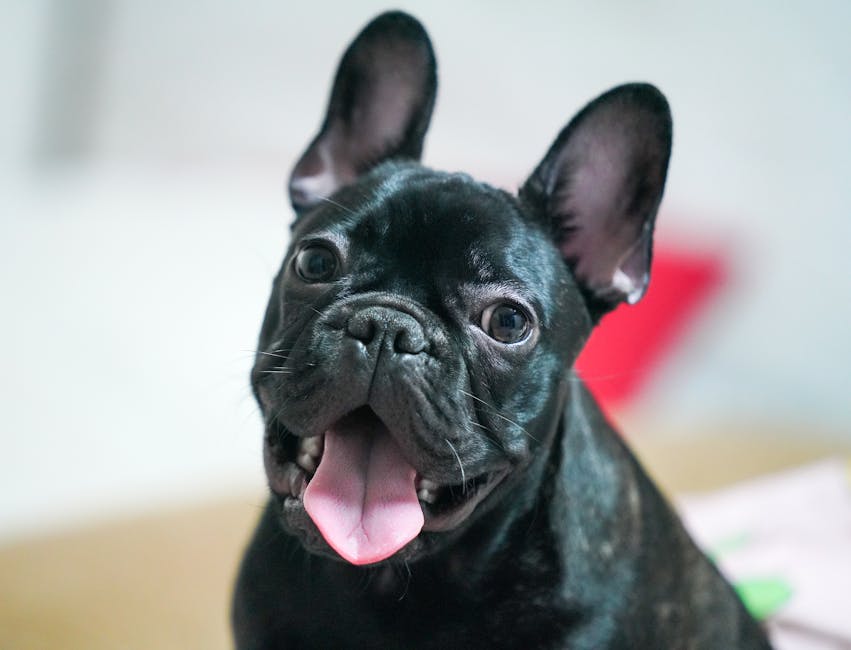
Last July, I watched my neighbour’s French Bulldog collapse in their back garden. Forty minutes outside on a day that didn’t even feel that hot—maybe 27°C—and suddenly they’re rushing to the emergency vet. The dog pulled through, but it shook me. I’d always been careful with my own dogs during summer, but that incident made me realise how quickly things can go wrong, especially with certain breeds.
I’ve tested probably a dozen cooling products over the past three summers. Some were brilliant. Others were genuinely useless—expensive, bulky, and my dogs refused to go near them. What follows is what actually worked, based on real use with real dogs (currently a seven-year-old Golden Retriever and a three-year-old Beagle mix), not just spec sheets and marketing claims.
How Dogs Actually Stay Cool (And Why They Struggle)
Dogs can’t sweat through their skin like we do. They’ve only got sweat glands in their paw pads, which does basically nothing for temperature regulation. Instead, they pant—rapidly circulating air across the moist surfaces of their tongue and respiratory tract to release heat.
The problem? Panting only works well when the air is cooler than their body temperature and humidity is relatively low. Once temperatures climb and humidity rises, panting becomes less effective. And for brachycephalic breeds—your Bulldogs, Pugs, French Bulldogs—their shortened airways make panting four times less efficient than in dogs with normal muzzles. They can overheat even when it’s only moderately warm outside.
Double-coated breeds like Huskies, Chow Chows, and Golden Retrievers face a different challenge. That dense undercoat insulates them—great in winter, potentially dangerous in summer if loose fur builds up and restricts airflow. And no, shaving them isn’t the answer. It actually makes things worse by removing the coat’s ability to protect against both heat and sunburn.
The Different Types of Cooling Products
Quick breakdown before we get into specific picks:
Pressure-activated gel mats are the most popular option. Your dog lies down, body weight activates the cooling gel, no refrigeration required. They work for 2-4 hours before needing time to recharge. Best for indoor use or shaded outdoor spots.
Water-filled mats cool faster and more intensely—fill them with cold tap water, and they’ll drop temperature quickly. The trade-off: they’re heavy, feel like waterbeds (which some dogs hate), and you need somewhere to fill and drain them.
Elevated cooling beds work through air circulation. Mesh fabric stretched over a frame keeps dogs off hot ground and lets air flow underneath. Simple concept, surprisingly effective.
Evaporative cooling vests are the outdoor activity option. Soak them, wring them out, and the evaporation pulls heat away from your dog’s body. They work brilliantly in dry heat, less well when it’s humid.
Cooling bandanas and collars are lightweight alternatives. They target the neck where superficial blood vessels run close to the skin. Less coverage than vests, but some dogs tolerate them better.
Gel Cooling Mats: My Top Pick and the Alternatives
The Green Pet Shop Cool Pet Pad
This is the one I keep buying. After testing gel mats from six different brands, I keep coming back to Green Pet Shop’s version. There’s nothing flashy about it—no bells and whistles, just a well-made pressure-activated gel pad that actually delivers on its promises.
The cooling lasts legitimately 2-3 hours. I’ve timed it. My Golden will plant himself on this thing during summer afternoons and stay there, which is the real test. When he gets up, the gel needs about 15-20 minutes of non-use to recharge. It doesn’t need to go in the fridge, doesn’t need water, doesn’t need batteries. You just… put it down, and it works.
After 18 months of regular use, mine has developed some wrinkling where the gel has naturally dehydrated a bit. It still functions fine, but I’ll probably replace it this summer. That’s the one legitimate downside—longevity isn’t forever, though I’ve heard the newer versions address this with improved gel formulation.
One thing I appreciate: it doesn’t slide around. On hardwood, on tile, even on carpet, it stays put. Small detail, but it matters when you’ve got a 35kg dog flopping onto it.
Other Gel Mats Worth Considering
| Product | Cooling Duration | Best For | Notes |
|---|---|---|---|
| Arf Pets Self-Cooling Mat | 3 hours | Budget alternative | Uses the same patented technology as Green Pet Shop (they’re licensed). Nearly identical performance, sometimes cheaper |
| Pecute Dog Cooling Mat | 4 hours | Extra-large dogs | Comes in XXL (140 x 90cm). Good option if Green Pet Shop sizes don’t fit your giant breed |
The K&H Cool Bed III is a water-filled option I can’t fully recommend. Yes, it cools faster than gel mats when filled with cold water. But it’s awkward to set up, heavy to move, and my Beagle absolutely refused to lie on what felt like a waterbed. Some dogs don’t mind the sensation. Mine acted like I was asking her to swim.
Cooling Vests: If Your Dog’s Actually Active in Summer
For walks, hikes, or any outdoor activity beyond lounging in a shaded garden, you want a cooling vest, not a mat.
Ruffwear Swamp Cooler
This is the premium option, and I’ll be honest—I resisted buying it for two years because of the price. Then I finally caved, and I wish I hadn’t waited.
The three-layer construction isn’t marketing nonsense. The outer layer is UPF 50+, reflecting heat and protecting from sun. The middle layer holds water. The inner layer wicks moisture away from fur. In testing reported by Treeline Review, it dropped surface temperature over 80 degrees Fahrenheit in just three minutes—from 172°F to 91.5°F.
My experience matches that. I can take my Golden on morning walks in July—something I wouldn’t attempt without it. You soak the vest, wring out the excess, and it provides genuine cooling for about 45 minutes to an hour depending on conditions. When it starts drying out, I just pour water over it and keep going.
The fit is excellent. The coverage extends over the back and sides where a lot of heat builds up. And after three years of use, mine still works perfectly. The material quality is genuinely impressive.

The Budget Alternative
The Kurgo Core Cooling Vest costs about half what the Ruffwear does. The material is softer and more flexible, which some dogs prefer. In lab testing it didn’t cool quite as dramatically as the Swamp Cooler, but in real-world use? The difference is less noticeable than the specs suggest.
It stays wet longer than the Ruffwear in my experience—maybe an hour versus 45 minutes. The coverage isn’t as extensive, but for shorter walks or less intense activity, it’s perfectly adequate. If you’re not sure whether your dog will tolerate wearing a vest at all, start here before spending Ruffwear money.
The RC Pets Zephyr
I’ve seen this one recommended a lot. It’s lightweight, comes in fun patterns, and stays comfortable when wet. For smaller dogs or cats, it’s a solid choice—one owner reported her Great Dane could stay outside in 30°C+ weather without excessive panting.
But for medium to large dogs doing actual activity? I’d still go Ruffwear or Kurgo. The Zephyr is more of a “take the edge off” product than serious cooling gear.
Cooling Beds: Elevated vs Gel-Infused
Two completely different approaches here.
Coolaroo Elevated Pet Bed
For under £50, this is genuinely impressive. The concept is dead simple—a breathable mesh fabric stretched over a steel frame, elevating your dog off hot ground so air circulates underneath.
It works. My dogs use theirs constantly on the patio. The mesh resists mold and mildew, doesn’t hold odours, and you can literally hose it down to clean it. Assembly is a bit annoying (budget 20-30 minutes, the instructions are vague), but you only do that once.
The main complaint I’ve seen—and experienced—is durability with heavier dogs or diggers. The fabric can sag over time with a large dog, and aggressive chewers can tear it. But at this price point, you can replace the whole thing yearly and still come out ahead of buying a premium elevated bed. For outdoor use especially, it’s hard to beat.
Furhaven Cooling Gel Dog Bed
This combines orthopedic foam with gel-infused memory foam. The idea is that you get joint support plus cooling in one product. For older dogs or dogs with arthritis who also run hot, that’s appealing.
The cooling effect is real but subtle—it wicks away body heat rather than actively cooling. Users report dogs choosing it over hardwood floors, which is the best endorsement. The durability is questionable though. Multiple reviews mention fabric deteriorating within 6 months, even with dogs who aren’t destructive. For the price, I’d expect better longevity.
What About K&H’s Cooling Elevated Bed?
K&H makes a “Coolin’ Pet Cot” that supposedly incorporates cooling technology into the mesh. Some versions require you to add water for the cooling agent to activate, which isn’t always clear in product descriptions. I’ve seen enough complaints about durability and unclear instructions that I’d stick with either the basic Coolaroo or an actual gel mat instead of trying to get both in one product.
Choosing the Right Product for Your Dog
Don’t overcomplicate this.
For indoor cooling: A gel mat is your simplest, most effective option. Green Pet Shop or Arf Pets, sized appropriately for your dog, placed in their favourite resting spot.
For outdoor lounging: Elevated bed like Coolaroo. Gets them off hot surfaces, promotes airflow, holds up to the elements.
For walks and activity: Evaporative vest. Ruffwear if budget allows, Kurgo if you want to save some money.
For quick trips or dogs who won’t wear vests: Cooling bandana around the neck.
Size matters more than you’d think. A mat that’s too small means your dog’s legs and head hang off onto the hot floor, defeating the purpose. When in doubt, size up.
One more thing: evaporative products work poorly in humidity. If you live somewhere with muggy summers, gel mats and elevated beds will outperform cooling vests. The evaporation process that makes vests work gets hampered when the air is already saturated with moisture.
Breeds That Need This Most
Some dogs genuinely need cooling products. For others, it’s nice to have.
Brachycephalic breeds—Bulldogs, French Bulldogs, Pugs, Boston Terriers, Shih Tzus—are in the “genuinely need” category. Their compressed airways make them up to four times more likely to develop heat stroke. If you have one of these breeds, cooling products aren’t optional summer accessories. They’re safety equipment.
Double-coated breeds—Huskies, Malamutes, Chow Chows, Golden Retrievers, Samoyeds—retain heat in that dense fur. Regular brushing to remove loose undercoat helps, but adding a cooling mat or elevated bed makes a real difference.
Senior dogs and overweight dogs don’t regulate temperature as efficiently as young, fit dogs. They tire faster, pant harder, and recover slower. Invest in cooling even if they’ve never seemed to need it before.
Using Cooling Products Safely
A cooling mat is an aid, not a solution. Your dog still needs access to fresh water, shade, and limited activity during peak heat.
Watch for signs that your dog is overheating despite cooling products: heavy panting that doesn’t slow down, drooling thicker than normal, bright red tongue or gums, weakness or stumbling, vomiting or diarrhoea. If you see these, move to a cooler area immediately and get to a vet. Heat stroke is a genuine emergency.
For gel mats specifically: keep an eye out for chewing. Non-toxic doesn’t mean safe to swallow. If you’ve got a dog who destroys everything, an elevated bed is a safer choice than a gel-filled mat.
Quick Summer Safety Notes
Walk timing: Early morning or late evening. Not just for your dog’s paw pads (though that matters—pavement at 35°C air temperature can hit over 60°C surface temperature)—but because that’s when overheating risk is lowest.
The pavement test: Put the back of your hand on the ground for 7 seconds. Can’t hold it there? Your dog can’t walk on it safely.
Hydration: Obvious but worth repeating. Bring water on walks. A collapsible bowl weighs nothing and fits in any pocket.
Car danger: Never, ever leave a dog in a parked car in summer. Not even with windows cracked. Not even for five minutes. Cars become ovens terrifyingly fast.
FAQ
Do cooling mats actually work or is it marketing?
They work. The gel genuinely absorbs body heat—you can feel it cooling when you put your hand on it. The limitation is duration (2-4 hours) and that they work best in shade or air conditioning. Direct sun heats up the mat itself.
Can puppies use cooling products?
Gel mats aren’t ideal for puppies who chew everything—puncture risk. Elevated beds work fine. Cooling vests can work but puppies often hate wearing things. Wait until they’re a bit older if possible.
Why don’t cooling vests work when it’s humid?
They rely on evaporation to pull heat away. When humidity is high, water evaporates slowly or not at all. It’s the same reason you feel hotter on humid days even at the same temperature.
My dog won’t lie on the cooling mat. Now what?
Some dogs are suspicious of new textures. Place it where they normally rest, put a thin towel over it initially so the texture is familiar, and let them discover it’s comfortable. Treats help. If they still won’t use it, try an elevated bed instead—many dogs take to those more naturally.
Bottom Line
For most dogs, I’d start with a Green Pet Shop cooling mat for indoor use. It works, it lasts, it requires zero fuss. If your dog spends time outside, add a Coolaroo elevated bed—it’s cheap enough that you won’t cry when it eventually needs replacing.
If you’re active with your dog in summer, the Ruffwear Swamp Cooler vest is worth every penny. It genuinely lets you do things you otherwise couldn’t during hot months.
And if you’ve got a flat-faced breed or a senior dog? Don’t wait for a scare to invest in cooling products. They need them more than you might realise.
Featured Image Source: Pexels