

Growing up, my family’s Golden Retriever would bolt for the nearest pond like his life depended on it. Didn’t matter if it was February. Didn’t matter if the “pond” was actually a muddy puddle. Water was water, and he needed to be in it immediately.
After fifteen years of dog ownership across multiple breeds, I’ve learned that this water obsession isn’t universal. Some dogs are built for swimming — webbed feet, water-resistant coats, tails that work like rudders. Others? They’ll sink like furry rocks if you’re not careful.
This guide covers both camps. We’ll go through the breeds that genuinely thrive in water, the ones that should stay on shore, and — because summer’s here — the gear that’ll keep your water-loving pup safe and cool.
Why Some Dogs Were Born to Swim
It comes down to anatomy. Water-loving breeds share specific traits that developed over centuries of selective breeding:
Webbed feet act like natural flippers, pushing more water with each stroke. Double-layer coats trap air for buoyancy and repel water instead of absorbing it. And those thick, muscular otter-like tails? They’re rudders, providing steering and stability.
These weren’t accidents. Portuguese fishermen needed dogs who could retrieve nets and carry messages between boats. Newfoundland sailors needed dogs strong enough to haul drowning men to shore. The retrievers? Bred specifically to plunge into icy marshes and bring back fallen waterfowl.
Your Bulldog’s ancestors, meanwhile, were bred to fight bulls. Swimming wasn’t on the job description.
The Retriever Family: These Dogs Invented Water Obsession
Labrador Retriever
Labs don’t just like water. They’re engineered for it.
That thick, tapering “otter tail” works as a powerful rudder. Their paws have extensive webbing between the toes. And their coat — it’s a marvel of evolution. Two layers: a soft, insulating undercoat and a short, dense outer coat that repels water so effectively that a Lab can swim in near-freezing water and barely get wet to the skin.
Originally from Newfoundland (confusingly, not Labrador), these dogs worked alongside fishermen, hauling in nets and retrieving escaped fish. They’d spend hours in frigid Atlantic waters. Modern Labs retain every bit of that capability.
I’ve watched Labs swim for an hour straight, fetching the same tennis ball, showing zero signs of fatigue. Then they shake off, look at you with that goofy grin, and seem genuinely confused about why you want to stop.
One warning: Their enthusiasm can be dangerous. Labs will swim past exhaustion if you let them. They don’t self-regulate. Watch for slowing strokes or a lower body position in the water — that means they’re getting tired even if they’re still fetching.
Breed-specific nutrition: Royal Canin Labrador Retriever Adult is formulated specifically for this breed’s needs — the donut-shaped kibble helps fast eaters slow down, and the precise calorie content helps maintain a healthy weight (Labs are notorious food enthusiasts).
Golden Retriever
Similar swimming abilities to Labs, but Goldens tend to be more deliberate about it. Where a Lab launches himself like a torpedo, a Golden often wades in gracefully, coat flowing behind like some kind of canine mermaid.
Their feathered coat is water-resistant but does hold more water than a Lab’s sleek coat. Expect a more dramatic post-swim shake.
Breed-specific nutrition: Royal Canin Golden Retriever Adult supports skin and coat health with targeted nutrients — particularly useful for a breed that spends so much time in water.
Chesapeake Bay Retriever
The cold-water specialists. Their coat contains natural oils that repel icy water more effectively than almost any other breed. Developed in Maryland to retrieve ducks in frigid Chesapeake Bay conditions — waves, current, temperatures that would make other dogs turn around.
More independent than Labs. A Chessie will decide whether your thrown ball is worth retrieving, thankyouverymuch.
Breed-specific nutrition: Royal Canin doesn’t make a Chesapeake-specific formula, but their Large Breed Adult works well for this 55-80 pound breed with high activity levels.
Nova Scotia Duck Tolling Retriever
Smallest of the retrievers but don’t underestimate them. The webbing on their feet is exceptional, and their agility in water makes them surprisingly effective swimmers despite their compact size. They’re also vocal — expect excited barking when water’s involved.
Breed-specific nutrition: At 35-50 pounds, Tollers do well on Royal Canin Medium Breed Adult, which supports the energy needs of athletic medium-sized dogs.
True Water Dogs: Swimming Is Literally in the Name
Portuguese Water Dog
These dogs worked the Portuguese coast for centuries, and I mean worked. They herded fish into nets, retrieved broken tackle, and swam messages between boats. Their webbed feet are among the most developed of any breed, and that curly, waterproof coat dries remarkably fast.
The “lion clip” haircut you sometimes see? That’s functional, not just aesthetic. Fishermen shaved the hindquarters to reduce drag while leaving fur on the chest to protect vital organs in cold water.
If you want a dog who’ll happily swim for hours and then come home and not destroy your furniture, the PWD is worth considering. They’re high-energy but manageable.
Irish Water Spaniel
The oldest spaniel breed, and probably the weirdest-looking. That distinctive “rat tail” — smooth and tapered — isn’t a grooming choice. It’s a rudder.
Their tight, crisp curls repel water better than most water dogs. And at 55-65 pounds, they’ve got the mass to handle rough water that would push smaller water dogs around.
Barbet
The French call them “mud dogs,” which tells you everything about their preferred environment. Barbets have been pulling waterfowl out of French marshes since the 16th century. Their thick, curly coat forms natural cords that insulate against cold water.
Rarer than the other breeds on this list, but if you find a reputable breeder, they make exceptional water companions.
The Working Giants
Newfoundland
These dogs save lives. Literally.
Newfoundlands have been documented rescuing drowning people since the 18th century. They’ve got the size (100-150 pounds), the swimming ability, and — this is the part that gets me — the instinct to tow struggling swimmers to shore. Some Newfie owners report that their dogs will “rescue” them even when they’re swimming perfectly fine, grabbing an arm and pulling them toward shallow water.
Their coat is fully waterproof, their webbed paws are massive, and they have a unique swimming stroke that’s more of a breaststroke than the typical dog paddle.
The catch: All that fur means serious grooming commitment. And a wet Newfoundland shaking off in your living room is… an experience.
Standard Poodle
Yes, really. Under that fancy haircut is one of the best water dogs ever bred.
“Poodle” comes from the German pudeln, meaning “to splash in water.” They were originally duck retrievers, and that curly coat — the one groomers sculpt into ridiculous shapes — was bred for water resistance and buoyancy. The pom-poms on show Poodles? Originally left on joints and vital organs for warmth while everything else was shaved for faster swimming.
A Standard Poodle with a simple clip is an athletic, enthusiastic swimmer. Don’t let the AKC show dogs fool you.
Otterhound
Rarer than Giant Pandas. I’m not exaggerating — fewer than 1,000 exist worldwide.
Bred to hunt otters (obviously), they’ve got webbed feet and a rough, oily double coat that can handle hours of swimming in cold British rivers. Their deep, baying bark carries across water, and they’ve got the stamina to pursue prey for miles.
You’ll probably never meet one. But if you do, know that you’re looking at one of the most exceptional swimming dogs ever bred.
Spaniels and Setters Worth Mentioning
Boykin Spaniel: South Carolina’s state dog, bred specifically for turkey hunting and waterfowl retrieval in the swamps of the American South. Compact enough to fit in small boats, excellent swimmers.
English Setter: Their flowing coat is actually water-friendly when maintained properly. Graceful swimmers, though they lack the obsessive water drive of retrievers.
American Water Spaniel: Wisconsin’s state dog (Wisconsin really loves its dogs). Developed for marsh hunting in the Great Lakes region. Smaller than most water dogs at 25-45 pounds but punches above its weight class in swimming ability.
Surprising Swimmers
A few breeds that don’t look like water dogs but can hold their own:
German Shepherds are strong swimmers when properly introduced to water. Their athletic build and powerful legs make them capable — they just don’t have the instinctive love of water that retrievers do. Takes more training.
Border Collies will swim if there’s a job involved. Throw a ball in the water? They’ll get it. Their athletic ability translates well to swimming, though their coat isn’t particularly water-resistant.
Vizslas surprised me. These Hungarian pointers are lean and muscular, and many develop genuine enthusiasm for water. Their short coat dries quickly, which is nice.
Breeds That Should Avoid Deep Water
This section matters. Some dogs can drown in swimming pools because their bodies simply aren’t built for swimming.
Brachycephalic Breeds (Flat Faces)
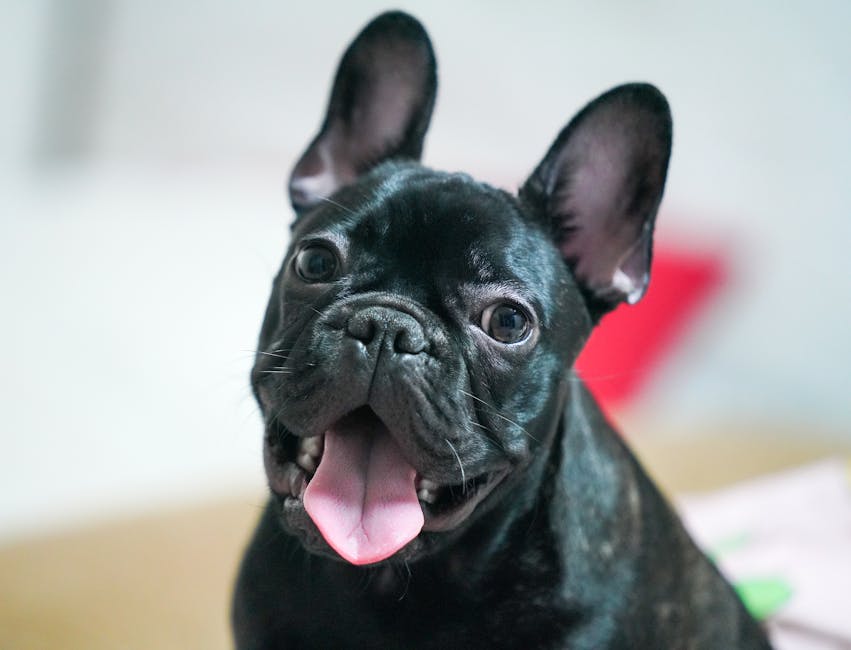
Bulldogs, Pugs, French Bulldogs, Boston Terriers: Their shortened airways make breathing difficult on land. In water? It’s dangerous. They have to tilt their heads so far back to keep their nose above water that their rear ends sink. Heavy front ends don’t help.
Supervised wading in shallow water is fine. Deep water is a genuine drowning risk.
Low-to-Ground Dogs
Dachshunds, Corgis, Basset Hounds: Their short legs can’t generate enough power to keep them afloat effectively, and their long spines are vulnerable to the twisting motion of swimming.
Dogs That Become Waterlogged
Chow Chows have a dense double coat that absorbs water like a sponge. A wet Chow can double in effective weight, making swimming exhausting and dangerous.
Critical Water Safety: Dangers Every Dog Owner Must Know
Swimming looks fun and harmless. But water poses risks that don’t get enough attention — and some of them can kill your dog hours after you’ve left the beach.
Dry Drowning and Secondary Drowning
Here’s a scenario that haunts me: Your dog inhales a bit of water during a swim session. They cough it up, seem fine, and you go home. Hours later — sometimes up to three days later — they become lethargic, start coughing again, and have difficulty breathing.
This is secondary drowning (sometimes called dry drowning), and it can be fatal.
When water enters the airway, it can cause the vocal cords to spasm and close, or trigger inflammation in the lungs. The symptoms develop slowly as fluid accumulates:
- Persistent coughing
- Difficulty breathing or rapid breathing
- Extreme lethargy or weakness
- Fluid from the mouth or nose
- Blue or purple gums
- Unusual anxiety or distress
What to do: If your dog was submerged at any point — even briefly — and shows any of these symptoms in the following 72 hours, get to an emergency vet immediately. They’ll likely need chest X-rays and monitoring. Many vets recommend 24 hours of observation after any near-drowning incident.
Water Intoxication (Hyponatremia)
This one’s particularly cruel because it happens to dogs having the time of their lives.
Water intoxication occurs when a dog swallows too much water too quickly. This dilutes the sodium in their blood, causing cells to swell — including brain cells. It can happen in as little as 30 minutes of enthusiastic water play.
High-risk activities:
- Fetching toys from water (dogs gulp water each time they grab the ball)
- Biting at hose or sprinkler streams
- Diving for submerged objects
- Extended swimming sessions without breaks
Symptoms appear fast:
- Nausea, vomiting, bloating
- Loss of coordination, staggering
- Lethargy, glazed eyes
- Excessive drooling
- Seizures (in severe cases)
Prevention:
- Enforce 10-15 minute breaks from water play
- Use flat toys (like flying discs) instead of balls — dogs can close their mouths around them without gulping water
- Never let dogs bite at high-pressure hose streams
- Watch small dogs especially carefully — they reach toxic levels faster
Breeds at highest risk: Labs, Golden Retrievers, Border Collies, and any water-obsessed retriever who won’t quit voluntarily.
Blue-Green Algae (Cyanobacteria)
The 2026 bloom season started 1 May across much of the country, and this is the danger that keeps me up at night.
Blue-green algae isn’t actually algae — it’s cyanobacteria, and certain strains produce toxins that can kill a dog within 15 to 60 minutes of exposure. There is no antidote.
What it looks like:
- Thick, pea-soup green water
- Bright green clumps or scum on the surface
- Paint-like appearance floating on water
- Greenish or brownish mats along shorelines
The problem: You can’t tell if a bloom is toxic just by looking at it. The only safe assumption is that any visible bloom could be deadly.
How dogs get poisoned:
- Drinking contaminated water (even a few mouthfuls)
- Swimming in affected water and licking their fur afterward
- Eating dried algae crusts along the shoreline
Symptoms appear within minutes to hours:
- Vomiting, diarrhea
- Excessive drooling
- Difficulty breathing
- Seizures, muscle tremors
- Liver failure (jaundice, bloody stool)
What to do: If you suspect any exposure, rinse your dog immediately with clean water (don’t let them lick their coat) and get to an emergency vet. Time is critical.
Prevention: Check local water quality advisories before visiting any lake, pond, or slow-moving river. Many state health departments maintain real-time maps of bloom locations. When in doubt, don’t let your dog in the water.
Salt Water Toxicity
A day at the beach can turn dangerous if your dog drinks too much ocean water.
Salt water draws fluid from the body into the intestines, causing dehydration. In larger amounts, it causes hypernatremia — dangerously elevated sodium levels that cause brain swelling.
Symptoms typically appear within 3 hours:
- Excessive thirst (ironic, but they drink more salt water, making it worse)
- Vomiting, diarrhea
- Lethargy, weakness
- Staggering, disorientation
- In severe cases: seizures, coma
Prevention:
- Bring fresh water to the beach and offer it frequently
- Limit beach sessions to 15-20 minutes with breaks
- Use floating toys rather than sinking ones (less water ingested during retrieval)
- Watch for excessive sea water drinking and redirect to fresh water
Prognosis: Dogs with severe salt toxicity have a mortality rate over 50%, even with treatment. This isn’t one to take lightly.
Life Jackets: Essential Safety Gear
Even strong swimmers need life jackets in certain situations — boating, rough water, long swims, or any time you can’t immediately reach them. For poor swimmers or senior dogs, they’re non-negotiable.
Best Overall: Ruffwear Float Coat
The Ruffwear Float Coat has been the gold standard for years, and the current version just makes it better. At 4.9 out of 5 stars with over 1,000 reviews, there’s a reason this is the one serious dog owners buy.
Why it works:
- Strategically placed foam panels support a natural swimming position
- The telescoping neck closure allows precise fit adjustment
- Vibrant colours and reflective accents for visibility
- Minimal water absorption — stays light even when wet
- Strong rescue handle with a light loop for low-light conditions
What could be better: The medium size only has one handle (larger sizes have two), which can make it tricky to haul a dog back into a kayak. The back panel is also slightly rigid, though less so than previous versions.
Best for: Active dogs, boating, open water, any situation where you need confidence in the gear.
Price: £60-90 depending on size.
Best for Poor Swimmers: Outward Hound Granby Splash
The Outward Hound Granby Splash is the go-to for dogs who struggle to keep their heads above water — including brachycephalic breeds, senior dogs, and nervous swimmers.
The key feature: A front neck float that provides extra chin and head support. Dogs who normally dip their faces underwater or tire quickly can swim with their heads comfortably above the surface.
Other highlights:
- Ripstop construction for durability
- Adjustable straps and neoprene belly band for secure fit
- Bright colours and reflective accents
- Dual rescue handles on sizes medium and up
One drawback: No leash attachment point. Some owners wear a harness underneath, though it’s awkward.
Best for: Flat-faced breeds, senior dogs, dogs learning to swim, dogs who splash their face too much.
Price: £25-40 depending on size.
Cooling Gear: Beat the Heat
Summer heat is dangerous for dogs. They can’t sweat like we do — panting is their primary cooling mechanism, and it’s not always enough. Good cooling gear extends safe outdoor time and helps prevent heat stroke.
Cooling Mats
Best Overall: Green Pet Cool Pet Pad
The Green Pet Cool Pet Pad uses pressure-activated gel that cools without electricity, refrigeration, or freezing. Your dog lies on it, the gel activates, and cooling happens.
What I like:
- No setup required — just unfold and use
- Cools for up to 3 hours of continuous use
- Self-recharges in 15-20 minutes of non-use
- Non-toxic gel (important for chewers, though not recommended for aggressive chewers)
- Available in five sizes (X-Small to X-Large)
What to know: Works best indoors or in shade. Direct sunlight reduces effectiveness significantly — the mat absorbs heat from the hottest source, which in full sun is the mat itself, not your dog.
Best for: Senior dogs, thick-coated breeds, indoor cooling, calm adult dogs.
Price: £20-50 depending on size.
Best for Active Dogs: Kobolaf Arc-Chill Mat
For dogs who move around more, the Kobolaf mat uses Arc-Chill technology — a fabric that feels cool to the touch and transfers heat away from the body. More durable than gel mats for dogs who dig or scratch.
Elevated Beds
Gen7Pets Cool-Air Cot
The Gen7Pets Cool-Air Cot keeps dogs off hot surfaces and allows air circulation underneath — a simple but effective cooling approach.
Key features:
- Powder-coated steel frame (rust-resistant)
- Breathable mesh sleeping surface
- Raised back rest that dogs love to curl against
- Tightening straps underneath to adjust mesh tension
- Folds flat for storage and travel
Sizes: Medium (up to 60 lbs) and Large (up to 90 lbs).
Drawback: Some dogs take time to adopt elevated beds. Dogs with hip issues may find it hard to settle onto the raised surface.
Best for: Outdoor use, camping, patios, anywhere ground surfaces get hot.
Price: £60-75.
Cooling Vests
For active dogs who can’t stay on a mat, cooling vests are the answer.
Best Overall: Ruffwear Swamp Cooler Pro X
Ruffwear’s evaporative cooling vest soaks with water and uses evaporation to pull heat away from your dog’s body. Thermal testing shows surface temperature drops of up to 12°F compared to direct sun exposure.
Works best in: Dry climates. In high humidity, evaporation slows and effectiveness drops.
How to use: Soak the vest in water, wring out excess, put it on your dog. Re-wet every 30-60 minutes depending on conditions.
Best Value: Canada Pooch Cooling Dog Vest
More affordable, lighter weight, and comes in fun patterns. Uses the same evaporative principle but without UV protection. Good for humid days and shorter outings.
For Humid Climates: Phase-Change Material (PCM) Vests
If you live somewhere humid, evaporative vests won’t work well. Look for vests with removable ice packs or PCM inserts that freeze and slowly release cold. They’re heavier but maintain cooling regardless of humidity.
Important: Cooling vests extend safe activity time — they don’t eliminate heat risk. Always provide shade, fresh water, and schedule exercise during cooler parts of the day.
Post-Swim Care: What to Do After Every Swim
What you do after your dog leaves the water matters as much as what happens during the swim.
Ear Care
Dogs’ L-shaped ear canals trap water, creating a warm, moist environment where bacteria and yeast thrive. Floppy-eared breeds (Labs, Goldens, Spaniels) are especially prone to post-swim ear infections.
After every swim:
- Gently towel-dry the outer ear and ear flap
- Use a cotton ball (never Q-tips) to gently absorb moisture from the visible ear canal
- Apply a vet-recommended ear cleaner designed for post-swim use
- Let your dog shake — it helps expel trapped water
DIY ear rinse: Some vets recommend a 50/50 mix of white vinegar and water, applied with a cotton ball after swimming. The mild acid helps prevent bacterial and yeast growth. Ask your vet before using on dogs with existing ear issues.
Warning signs: Head shaking, ear scratching, redness, foul odour, or discharge. If you see any of these, get a vet exam before it worsens.
Rinsing Off Chlorine, Salt, and Lake Water
Chlorine (pool water):
- Dries out skin and coat
- Can irritate eyes
- Rinse immediately after swimming — don’t let chlorine sit on the coat
- Use a gentle dog shampoo weekly if your dog swims in pools regularly
Salt water (ocean):
- Draws moisture from the skin
- Leaves crystite residue that causes itching
- Rinse thoroughly with fresh water
- Pay attention to paw pads and underbelly
Lake and river water:
- May contain bacteria, parasites, or algae
- Rinse thoroughly after every swim
- Dry completely, especially skin folds
Coat care: After rinsing, dry your dog as thoroughly as possible. A damp coat against skin can cause hot spots, especially in double-coated breeds. Use a high-velocity dryer if you have one, or multiple towels if you don’t.
Paw Check
Lakes and rivers can hide broken glass, fishing hooks, sharp rocks, and other debris. After every swim in natural water:
- Check between toes for cuts, splinters, or embedded objects
- Look for redness, swelling, or signs of irritation
- Rinse paws to remove any residue
Summer Water Dog Checklist
Before any water outing:
- Fresh water supply (prevents salt water drinking, water intoxication)
- Check local algae advisories for your destination
- Life jacket for boating, rough water, or poor swimmers
- Towels for drying (multiple for double-coated breeds)
- Ear cleaner for post-swim care
- Shaded rest area
- Timer for enforced breaks (10-15 minutes every hour)
- Cooling mat or vest for hot days
Final Thoughts
Water and dogs can be a perfect combination — or a dangerous one. The breeds built for swimming will give you years of joyful fetch sessions, dock jumping, and beach days. Just remember that even the best swimmers need supervision, regular breaks, and post-swim care.
For the breeds that weren’t built for water? There’s no shame in a kiddie pool in the backyard. Sometimes the safest swim is a shallow one.
Stay safe out there. And maybe invest in some good towels — you’re going to need them.