

The Summer I Nearly Cooked My Bulldog
Three years ago, I took my French Bulldog Stanley to a country fair in July. It was maybe 24°C — nothing dramatic by UK standards. Within twenty minutes, he was panting so hard I thought he’d pass out. We spent the next hour in the shade of a burger van with a stranger’s wet flannel on his belly while I panicked and Googled “dog heat stroke symptoms.”
That afternoon cost me £180 at the emergency vet and a solid week of guilt. Stanley was fine, but I wasn’t. I’d owned dogs my whole life and somehow didn’t fully grasp that flat-faced breeds can’t regulate heat the way other dogs can. Their shortened airways make panting — a dog’s only real cooling mechanism — about as effective as trying to cool a car engine by blowing on it.
Since then, I’ve tested pretty much every cooling product on the market. Some genuinely work. Others are marketing fluff that’ll leave your dog just as hot but with a damp back.
How These Products Actually Cool Your Dog
Quick primer, because this affects which product you need:
Evaporative cooling (most vests) works like sweat. You soak the vest, wring it out, and as the water evaporates, it pulls heat away from your dog’s body. Brilliant when there’s a breeze. Nearly useless on humid, still days — the water just sits there.
Gel-based cooling (most mats) uses phase-change materials that absorb heat when your dog lies on them. They’re pressure-activated, so they start working immediately. The catch? They warm up after a few hours and need time away from body contact to reset.
Ice pack systems stay cold longest but need a freezer beforehand, which limits spontaneous use.
Understanding this matters. A gel mat won’t save your dog on a walk. An evaporative vest won’t help indoors with the windows shut.
The Vests I’ve Actually Used
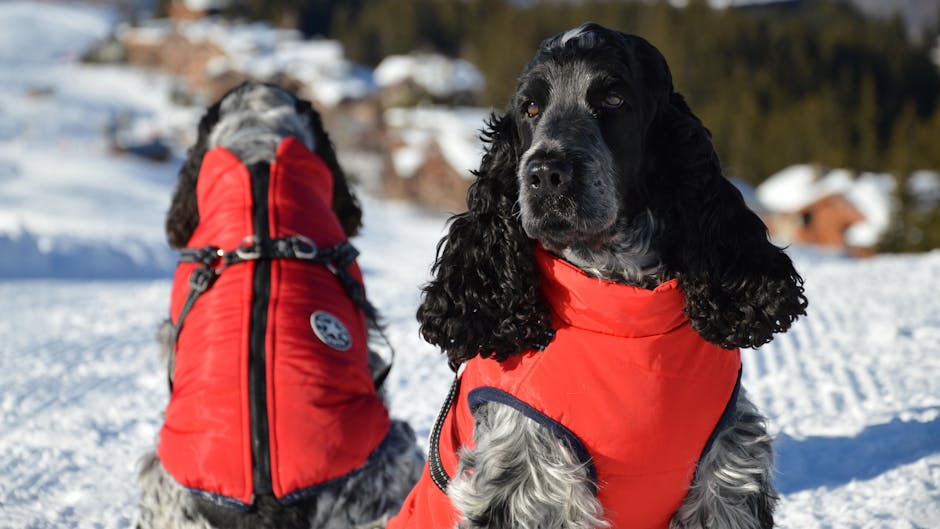
Ruffwear Swamp Cooler — The One I Reach For
I’ll be upfront: this is expensive. Around £60-70 depending on size. But it’s the vest Stanley wears on every summer walk now, and here’s why.
The three-layer construction actually does something. The outer layer reflects heat (SPF 50+ rated, which I was sceptical about until I saw thermal imaging tests from Dog Gear Review showing a 5-6°C difference versus uncovered fur). The middle layer holds water. The inner layer wicks moisture away from the coat so your dog doesn’t end up with that clammy, matted fur situation.
I’ve had mine for two summers. It’s survived being dragged through mud, thrown in the washing machine more times than I can count, and chewed on by a friend’s Labrador. The buckles still click properly. The reflective trim hasn’t peeled. It just… works.
One thing though — and this applies to ALL evaporative vests — it’s not magic. On a 30°C day with 80% humidity and no wind, the cooling effect drops significantly. I’ve learned to check both temperature and humidity before deciding whether it’s worth bringing.
Kurgo Core Cooling Vest
More affordable than the Ruffwear at around £35-45, and honestly? For most dogs, it’s probably fine. The coverage is good, the clips are sturdy, and the evaporative cooling works the same way.
Where it falls short is durability. The stitching around the belly straps on mine started fraying after one season. And it holds less water than the Swamp Cooler, so you’re re-wetting more often — maybe every 20-30 minutes versus 45-60 minutes with the Ruffwear.
If your dog only needs a vest for occasional hot days and you’re not hiking miles, save your money here.
The Others, Quickly
| Vest | Price | Best For | Watch Out For |
|---|---|---|---|
| WeatherBeeta Therapy-Tec | ~£40 | Dogs with joint issues (combines cooling with circulation tech) | The PVA lining holds water well but takes forever to dry between uses |
| Pawdaw of London | ~£25 | Budget pick, UK brand | Sizing runs small — go up a size |
I haven’t tried the Hurtta cooling vest that everyone recommends. It’s £80+ and I couldn’t justify it when the Ruffwear already works brilliantly.
Cooling Mats — What I Keep Indoors
Mats and vests solve different problems. Vests are for moving around outside. Mats are for giving your dog somewhere cool to flop after a walk, or during heatwaves when your house turns into a greenhouse.
The Pecute Dog Cooling Mat (the big 120x75cm one) lives in our kitchen during summer. It’s gel-based, doesn’t need refrigeration, and stays noticeably cooler than the floor for about 3-4 hours of continuous use. Stanley figured out he could lie on it within about ten minutes of me putting it down. Dogs aren’t stupid about comfort.
For the price (usually under £30), it’s solid. The outer material has survived Stanley’s claws, though I wouldn’t trust it with a serious chewer.
Rosewood Chillax Cool Pad is similar but smaller and slightly cheaper. Works fine. If you’ve got a small to medium dog, it’s the one I’d get.
Skip the ones that require freezing unless you genuinely have freezer space to spare. The World Bio Ice Pack Mat stays cold longer (4-6 hours) but needs 2-3 hours in the freezer first. Too much faff for me.
One warning about mats: they’re indoor solutions. Putting a gel mat outside in direct sunlight is pointless — the sun heats it faster than your dog’s body does.
Paddling Pools
I resisted getting one because I thought Stanley would hate water. Turns out he just hates baths. A shallow pool in the garden? Obsessed.
The Pecute paddling pool has been surprisingly durable. We’ve had the XXL version for two summers (it was £35, I think) and it’s still holding water with no punctures. The foldable design means it actually gets put away when summer ends, unlike those rigid plastic ones that become permanent garden fixtures.
Set it up somewhere shaded if you can. The water heats up fast in direct sun, which defeats the purpose.
Never leave dogs unsupervised in pools, obviously. But also — remove access when you’re not around. A friend’s Spaniel developed a skin infection from spending hours in stagnant pool water while her owner was at work. The pool was a treat, not a lifestyle choice.
Matching Products to Dogs
This is where breed matters more than you’d think.
Flat-faced breeds (Bulldogs, Pugs, Frenchies, Boxers): These dogs overheat first and recover slowest. Prioritise indoor cooling — mats, fans, air conditioning if you’ve got it. Vests help for short walks, but these breeds shouldn’t be doing long outdoor activities in heat regardless of what you put on them.
Double-coated breeds (Huskies, Malamutes, Samoyeds, Collies): Never shave them — that undercoat actually provides insulation both ways. Vests work well, but make sure they dry properly between uses. A damp undercoat takes forever to dry and can cause hot spots.
Small dogs: Mat sizing matters. A Chihuahua isn’t going to cool down effectively on a 120cm mat because they’ll just lie on one spot. Get something appropriately sized so the whole mat gets used.
Active dogs doing summer hikes: Portable vest plus a collapsible water bowl plus common sense about timing. We walk Stanley before 8am and after 7pm during proper summer. No amount of cooling products makes midday walks safe.
What to Actually Spend
Under £20: Rosewood Chillax Cool Pad (mat), frozen Kong toys, a damp towel to drape over a garden chair for shade.
£20-50: Pecute large cooling mat, Kurgo Core Cooling Vest, Pecute paddling pool. This is the sweet spot for most people.
£50+: Ruffwear Swamp Cooler. Worth it if you’re active with your dog in summer or have a breed that really struggles.
What You Already Have at Home
Before you buy anything:
Frozen Kongs are brilliant. Stuff with banana and peanut butter, freeze overnight, and your dog’s occupied AND cooled from the inside for a solid hour. I prep five at the start of each week during summer.
Damp towels — but never ON your dog. Wet towels trap heat against the body rather than letting it escape. Drape them over surfaces for your dog to lie against, or use them as shade covers. Cooling the belly by lying on something damp works; wrapping a dog like a burrito doesn’t.
Ice cubes in water bowls keep water appealing. Some dogs (Stanley included) drink more when there’s something to fish out.
Garden shade matters more than any product. If your garden is a sun trap, invest in a gazebo or parasol before you buy a £60 vest.
The Gear That Disappointed Me
I bought one of those “ice collar” bandana things from Amazon. The concept seemed sound — keep the neck cool where blood vessels run close to the surface. In reality, it warmed up in about fifteen minutes and spent the rest of the walk as a soggy nuisance around Stanley’s neck. He hated it. £15 wasted.
Also, those elevated mesh dog beds marketed as “cooling”? They’re just… beds with airflow underneath. Fine in the shade. But they don’t actively cool anything. The marketing implies they do more than they actually do.
FAQ
Do cooling mats work when it’s properly hot?
Yes, but they work best indoors or in shade. In direct sunlight, gel mats absorb ambient heat faster than they absorb body heat, so they become lukewarm fairly quickly. Inside a reasonably cool house, they stay effective for 3-4 hours.
How long does a wet vest stay cool?
Depends entirely on humidity and wind. On a breezy day with moderate humidity, I get about 45 minutes from the Ruffwear before re-wetting. On a still, humid day, maybe 20 minutes. On a dry, windy day, over an hour.
What if my dog chews the gel mat?
Most modern cooling mats use non-toxic gel, but “non-toxic” isn’t the same as “fine to eat.” If your dog’s a chewer, skip gel mats entirely and use damp towels or a paddling pool instead. The Pecute mat survived Stanley lying on it with his claws, but he’s never tried to eat it.
What I’d Buy Today
If you’re starting from scratch and have a dog that struggles in heat: get the Ruffwear Swamp Cooler for walks and the Pecute cooling mat for indoors. That combination covers most situations.
If budget’s tight, the Kurgo vest and Rosewood mat will do the job for less than half the price — you’ll just be re-wetting more often and replacing the vest sooner.
But honestly? Before you buy anything, check your walking times. The most effective cooling product is avoiding the heat in the first place. 6am walks aren’t glamorous, but Stanley’s never overheated on one.
Featured Image Source: Pexels