
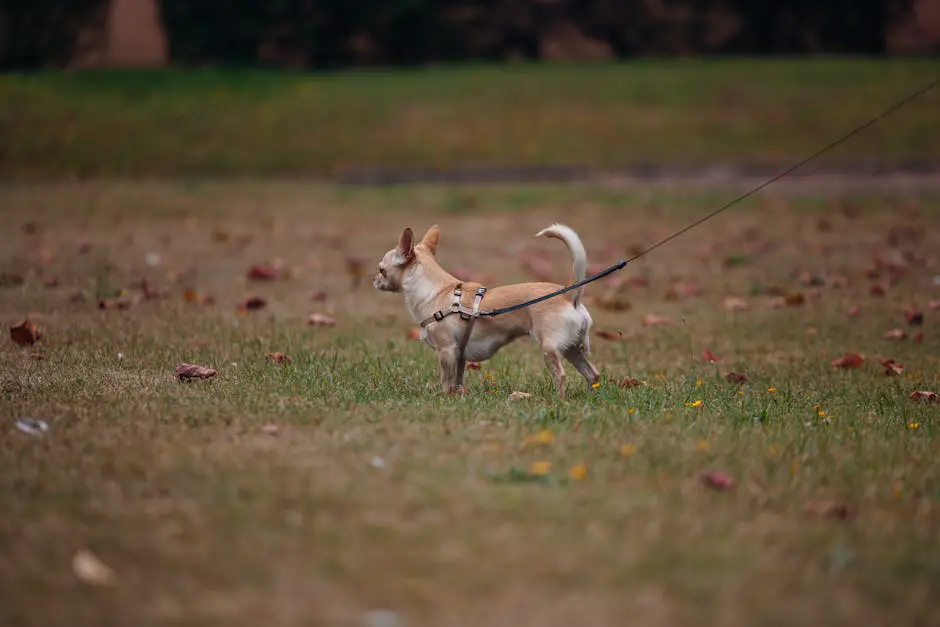

Why Every Dog Owner Should Switch to a Harness
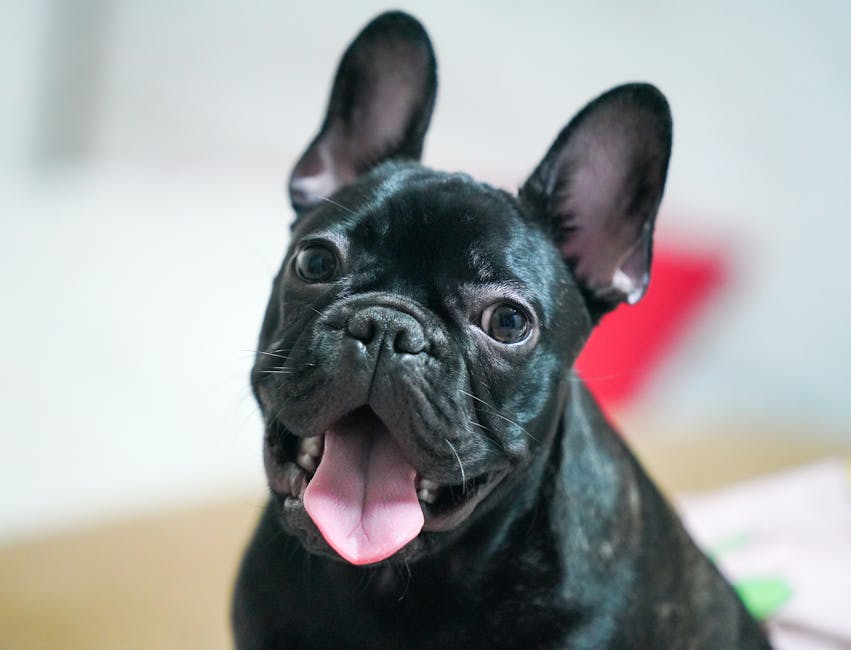
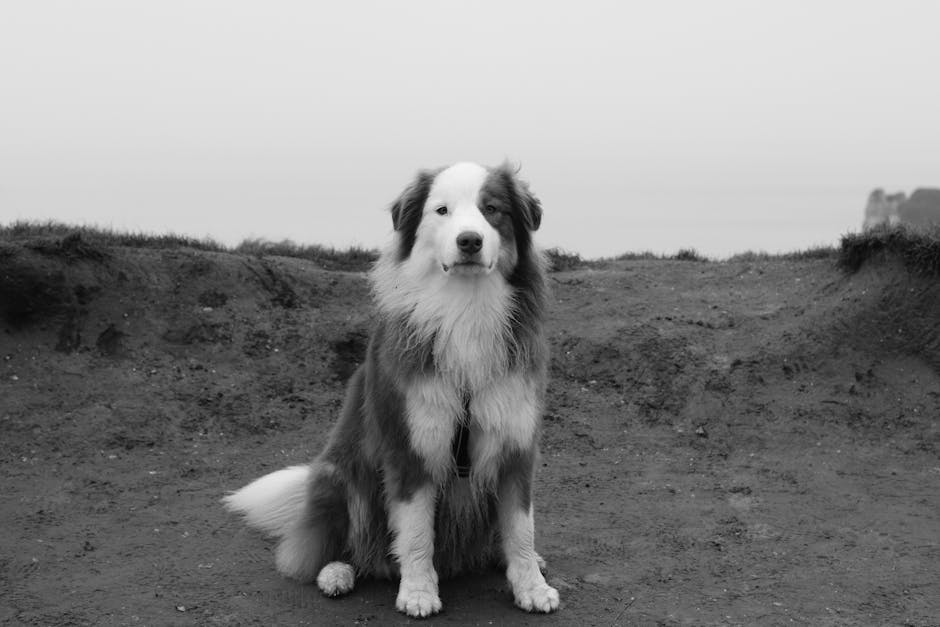
I walk three dogs every single morning — a 90-pound German Shepherd, a 45-pound Australian Shepherd, and a 15-pound French Bulldog. That’s three different body types, three different energy levels, and three very different opinions about squirrels. After years of testing every harness on the market with this crew, I’ve learned exactly what works and what falls apart at the seams — literally.
If you’re still clipping a leash to your dog’s collar, we need to talk. Collars have their place (ID tags, mostly), but for actual walking? A harness is safer, gives you more control, and makes the whole experience better for both ends of the leash.
The Case Against Collar-Only Walking
The biggest issue with collars is neck pressure. Every time your dog lunges, pulls, or even walks at a brisk pace with tension on the leash, that force goes straight into their trachea, thyroid gland, and cervical spine. Studies have linked sustained collar pressure to:
- Tracheal collapse — especially common in small breeds, but not exclusive to them
- Cervical vertebrae damage — repeated jerking can cause long-term spinal issues
- Increased intraocular pressure — a real concern for breeds prone to glaucoma
- Thyroid damage — the collar sits right over the thyroid gland
A harness distributes force across the chest and shoulders instead. My German Shepherd used to cough and hack on a collar whenever he spotted another dog. Switched to a harness, and the coughing stopped immediately. That alone should tell you everything you need to know.
Beyond safety, harnesses give you significantly more control. A front-clip harness redirects a pulling dog back toward you. A dual-clip setup lets you use two points of contact for dogs that are strong enough to drag you down the street. You simply cannot get that level of mechanical advantage from a collar.
Types of Dog Harnesses Explained
Not all harnesses are created equal, and picking the wrong type is one of the most common mistakes I see. Here’s what you’re actually choosing between:
Back-Clip Harnesses
The leash attaches to a D-ring on the dog’s back, between the shoulder blades. These are the easiest to put on and the most comfortable for casual walkers. The downside? They give you almost no pulling correction. If your dog already walks nicely, a back-clip is great. If your dog pulls, you’re just giving them a more comfortable surface to pull against.
Front-Clip Harnesses
The leash attaches at the chest. When your dog pulls forward, the harness redirects them back toward you. This is the single best tool for managing pulling without resorting to aversive equipment. The trade-off is that some dogs find chest clips slightly less comfortable, and the leash can get tangled under their legs if there’s too much slack.
Dual-Clip Harnesses
D-rings on both the chest and back, so you can choose your attachment point or use both simultaneously with a double-ended leash. This is what I use on my German Shepherd. The versatility is unmatched — front clip for training walks, back clip for hikes, both clips for vet visits when I need maximum control.
Step-In Harnesses
Your dog steps into two loops on the ground, and you buckle it over their back. These are perfect for dogs that hate things going over their head. My Frenchie uses a step-in because he turns into a drama queen the moment anything approaches his face. The downside is they can be easier for dogs to back out of if not fitted properly.
Overhead (Over-the-Head) Harnesses
The most traditional design — you slip the harness over the dog’s head and buckle it around the chest. Quick to put on once your dog is used to it. Most of the harnesses in my top 10 use this style because it tends to offer the most secure fit.
No-Pull Harnesses
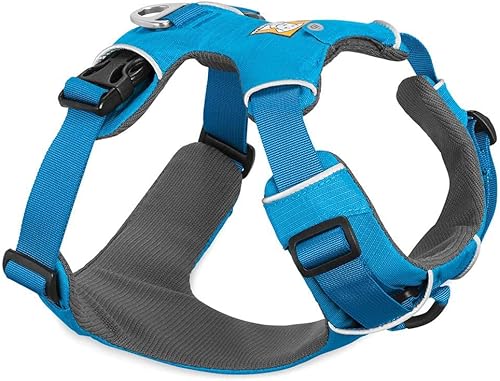
A specific subcategory designed to discourage pulling through tightening or redirection. Some use a martingale-style tightening across the chest. Others use front-clip mechanics. The key is that they make pulling less rewarding for the dog without causing pain. I’m a fan of the well-designed ones and deeply skeptical of anything that works by constricting.

How to Measure Your Dog for a Harness
A poorly fitted harness is worse than no harness at all. It can rub, restrict movement, or allow your dog to slip free at the worst possible moment. Here’s how to measure properly:
What you need: A flexible measuring tape (or a piece of string and a ruler).
- Chest girth (most important): Measure around the widest part of your dog’s ribcage, usually right behind the front legs. This is the primary sizing measurement for almost every harness.
- Neck girth: Measure around the base of the neck where a collar would sit. Some harnesses use this as a secondary measurement.
- Weight: Most manufacturers provide a weight range alongside chest measurements. Use both together for the best fit.
Fitting tips from someone who’s done this hundreds of times:
- You should be able to fit two fingers between the harness and your dog’s body at any point — snug enough that they can’t back out, loose enough that nothing rubs or restricts breathing.
- Check the armpit area specifically. This is where most chafing happens, especially on short-haired breeds.
- Have your dog walk, sit, and lie down in the harness before you commit. A harness that fits while standing can ride up or shift during movement.
- If your dog is between sizes, size up. You can always tighten straps, but you can’t add material.
Top 10 Dog Harnesses for 2026
I’ve personally tested every harness on this list with at least one of my three dogs. Some I’ve used for years. A couple I tried, returned, and then came back to after design updates. Here are my honest picks.
1. Ruffwear Front Range Harness
This is the harness I recommend more than any other, and it’s the one my Australian Shepherd wears daily. The Ruffwear Front Range is a dual-clip, padded harness with two leash attachment points and four adjustment straps. The foam-padded chest and belly panel keeps it comfortable on long walks, and the construction quality is genuinely outstanding — I’ve had mine for over two years with daily use and it looks nearly new.
The fit is excellent across a wide range of body types thanks to those four adjustment points. Reflective trim is a nice bonus for early morning walks. My only minor complaint is that the chest clip D-ring can be slightly hard to find by feel in low light. But honestly, that’s nitpicking a near-perfect product.
Best for: All-around daily use, active dogs, hiking
2. Julius-K9 IDC Powerharness
The Julius-K9 is the tank of the harness world. This is what my German Shepherd wears, and it handles his 90 pounds of enthusiastic pulling without any flex or give. The chest strap is broad and padded, the buckle is industrial-grade, and the handle on top is genuinely useful for those moments when you need to physically redirect a large dog.
It’s an overhead design with a single chest buckle, which makes it very fast to put on. The customizable Velcro patches on the side are a fun touch. The downsides: it’s heavier than most harnesses, it only has a back clip (no front attachment), and the rigid chest plate can restrict shoulder movement on some dogs during intense activity. For structured walks and working scenarios, though, it’s hard to beat.
Best for: Large/strong dogs, working dogs, owners who need a grab handle
3. Rabbitgoo No-Pull Dog Harness
Here’s the thing about the Rabbitgoo — it costs a fraction of the premium options on this list, and it performs at maybe 80% of their level. For most dog owners, that’s more than enough. It’s a dual-clip design with front and back D-rings, four adjustment points, and decent padding. The no-pull front clip works well for moderate pullers.
Where it falls short compared to the Ruffwear is in long-term durability and the refinement of the buckles and straps. After about 8 months of daily use with my Aussie, the stitching on the chest panel started to show wear. But at this price point, you could buy three before matching the cost of one Ruffwear. It’s a legitimate option if budget is a concern.
Best for: Budget-conscious owners, moderate pullers, first-time harness buyers
4. Kurgo Tru-Fit Smart Harness
The Kurgo Tru-Fit is unique on this list because it doubles as a crash-tested car safety harness. It has a steel nesting buckle that connects directly to your car’s seatbelt system. If you frequently drive with your dog, this is a no-brainer. The walking functionality is solid with front and back clips, five adjustment points, and a padded chest plate.
I use this when traveling with my dogs. The seatbelt attachment is easy to use and gives me genuine peace of mind. The walking performance is good but not quite as refined as the Ruffwear — the chest panel is a bit stiffer and the straps don’t lay as flat. Still, the car safety feature makes it worth owning even as a secondary harness.
Best for: Dogs who ride in cars, road trips, dual-purpose walking and car safety
5. Blue-9 Balance Harness
The Blue-9 Balance is the harness that professional trainers rave about, and for good reason. It has six points of adjustment, which means you can achieve a custom fit on virtually any body type. The Y-shaped chest strap sits away from the shoulders, allowing full range of motion — this is a big deal for dogs that are active or competing in agility.
It’s lightweight, minimalist, and extremely functional. The dual-clip design works well, and the front clip positioning is better than most competitors for actual pulling redirection. The downside is that all those adjustment points make the initial setup more time-consuming, and the minimal padding means it’s not the most comfortable option for dogs that wear a harness all day. But for training purposes and athletic dogs, it’s exceptional.
Best for: Training, athletic dogs, professional trainers, dogs with unusual body proportions
6. PetSafe Easy Walk Harness
The PetSafe Easy Walk has been around forever, and it remains one of the most effective no-pull solutions at a very accessible price. The martingale-style chest loop tightens slightly when the dog pulls, providing immediate feedback without causing discomfort. The belly strap sits behind the front legs to prevent the harness from rotating.
This is the harness I recommend to new dog owners dealing with a puller for the first time. It works quickly and obviously. The downside is durability — the nylon straps and plastic buckles are adequate but not premium, and the chest loop can sometimes shift to one side during walks. It’s a training tool more than a forever harness, but it’s very good at what it does.
Best for: Pulling correction, training, budget-friendly no-pull solution
7. Chai’s Choice Best Outdoor Adventure Harness
The Chai’s Choice is a dual-clip harness with a strong emphasis on visibility — it has 3M reflective material on nearly every strap. The padding is generous, the construction is solid, and the top handle is sturdy enough to lift a medium-sized dog if needed. It’s also one of the better-looking harnesses on this list, if aesthetics matter to you.
Performance is somewhere between the Rabbitgoo and the Ruffwear. The fit is good with four adjustment points, the buckles feel secure, and the padding holds up well to daily use. My one gripe is that the sizing runs slightly small — if you’re between sizes, definitely go up. It’s a strong mid-range option that doesn’t compromise on anything important.
Best for: Low-light walking, all-around daily use, mid-range budget
8. Embark Adventure Dog Harness
The Embark Adventure is designed for outdoor enthusiasts and their dogs. It features heavy-duty materials, a sturdy back handle, and a dual-clip design with weather-resistant hardware. The padding is dense and quick-drying, which makes it ideal for dogs that swim, hike through streams, or generally get wet.
I’ve taken this on backcountry hikes and it holds up beautifully. The leash attachment points are reinforced with bar tacking, and the nylon feels a grade above most competitors in this price range. The trade-off is weight — it’s noticeably heavier than minimalist options like the Blue-9, and the quick-dry padding takes longer to fully dry than you’d expect given the marketing. Solid choice for adventure dogs.
Best for: Hiking, outdoor adventures, water-loving dogs
9. Puppia Soft Dog Harness
My French Bulldog wears the Puppia Soft, and it’s perfect for him. This is a step-in, back-clip harness made from soft air-mesh fabric that’s incredibly gentle on sensitive skin. It weighs almost nothing, and my Frenchie doesn’t even seem to notice he’s wearing it — which is saying something, because he notices and objects to everything.
The Puppia is not for strong pullers or large dogs. It has minimal structure, a single back clip, and limited adjustment. What it excels at is comfort for small to medium dogs that walk nicely on leash. If your dog is under 30 pounds and doesn’t pull, this is the most comfortable harness you can buy. If your dog is a puller, look elsewhere.
Best for: Small dogs, brachycephalic breeds, dogs with sensitive skin, casual walkers
10. Tactical Dog Harness (Military-Style Vest)
Tactical vest harnesses have surged in popularity, and the good ones genuinely offer features you can’t get elsewhere. A quality tactical vest harness features MOLLE webbing for attaching pouches and accessories, heavy-duty metal buckles, a reinforced top handle, and often a Velcro panel for patches. They’re typically made from 1000D or 1050D nylon.
I’ve tested several tactical vests on my German Shepherd for hiking and they work well for carrying his own water and supplies. The construction is overbuilt in the best way. The downsides are significant, though: they’re hot in warm weather, they’re heavy, and the rigid construction can restrict natural movement. I’d only recommend these for specific use cases — hiking with gear, working scenarios, or dogs that need high-visibility identification patches.
Best for: Working dogs, hiking with gear, dogs needing visible identification
Harness Comparison Table
| Harness | Type | Size Range | Price Range | Best For |
|---|---|---|---|---|
| Ruffwear Front Range | Dual-clip, overhead | XXS–L/XL (13–42″ chest) | $40–$45 | All-around daily use |
| Julius-K9 IDC | Back-clip, overhead | Mini–Size 4 (15–54″ chest) | $30–$50 | Large/strong dogs |
| Rabbitgoo No-Pull | Dual-clip, overhead | XS–XL (14–44″ chest) | $15–$25 | Budget-friendly option |
| Kurgo Tru-Fit | Dual-clip, overhead | XS–XL (16–44″ chest) | $25–$40 | Car safety + walking |
| Blue-9 Balance | Dual-clip, Y-front | XS–XL (14–44″ chest) | $35–$45 | Training, athletic dogs |
| PetSafe Easy Walk | Front-clip, no-pull | Petite–Large (15–42″ chest) | $15–$30 | Pull correction |
| Chai’s Choice | Dual-clip, overhead | XS–XL (14–44″ chest) | $20–$35 | Reflective, visibility |
| Embark Adventure | Dual-clip, overhead | S–XL (17–44″ chest) | $25–$35 | Hiking, outdoor use |
| Puppia Soft | Back-clip, step-in | XS–XL (10–30″ chest) | $15–$25 | Small dogs, comfort |
| Tactical Vest | Back-clip, vest | M–XL (20–44″ chest) | $30–$60 | Working dogs, gear |
Best Harnesses by Use Case
Best Harness for Daily Walking
The Ruffwear Front Range wins this category without much competition. It’s comfortable enough for hour-long walks, durable enough for daily use over years, and the dual-clip design means it works for both well-behaved walkers and dogs that occasionally pull. If I could only own one harness, this would be it.
Best Harness for Hiking
For serious trail work, the Embark Adventure edges out the competition with its weather-resistant hardware and quick-dry padding. If you need your dog to carry gear, a tactical vest harness with MOLLE webbing is the way to go. The Ruffwear Front Range is also excellent on trails if you don’t need the specialized outdoor features.
Best Harness for Car Safety
The Kurgo Tru-Fit is the only harness on this list that’s been crash-tested and designed specifically for vehicle use. This isn’t a category where you want to compromise. An unrestrained dog in a car is a projectile in an accident. The Kurgo gives you a proper seatbelt attachment system that meets safety standards.
Best Harness for Puppies
The Rabbitgoo No-Pull or the Puppia Soft depending on your puppy’s temperament. For puppies that are already showing pulling tendencies, the Rabbitgoo’s front clip will help establish good habits early. For calm puppies or toy breeds, the Puppia’s lightweight comfort means they’ll barely notice it during the critical socialization period when you want positive associations with gear.
Best Harness for Pullers
Start with the PetSafe Easy Walk for its immediate pulling feedback at a low cost. Once your dog has improved, graduate to the Blue-9 Balance for long-term use — its front clip positioning provides the best mechanical redirection of any harness I’ve tested, and the six adjustment points let you dial in the perfect fit for sustained training.
Common Harness Mistakes (I’ve Made Most of These)
- Buying the wrong size and hoping it works. I see this constantly. People eyeball their dog’s size, pick a harness off the shelf, and wonder why it chafes or why their dog escapes it. Measure your dog. Use the sizing chart. Order two sizes if you’re unsure and return the one that doesn’t fit.
- Never adjusting the harness after the first fitting. Dogs gain weight, lose weight, grow winter coats, and shed them. Check the fit every few weeks and adjust the straps accordingly. That two-finger test isn’t a one-time thing.
- Using a back-clip harness on a puller and expecting behavior change. A back-clip harness on a pulling dog is like putting a sled dog in a sled harness — you’re giving them the most comfortable and efficient surface to pull against. Use a front-clip or dual-clip if pulling is an issue.
- Leaving the harness on 24/7. Unless there’s a specific reason, take the harness off when your dog is home. Constant wear causes matting in long-haired breeds, can lead to skin irritation, and the harness material degrades faster. My dogs’ harnesses come off the moment we walk through the door.
- Skipping the break-in period. Some dogs take to harnesses immediately. Others need a gradual introduction with treats and positive reinforcement. Don’t strap a new harness on your dog and immediately take them on a challenging walk. Let them wear it around the house first. Pair it with treats. Make it a positive experience.
- Ignoring signs of poor fit during walks. If your dog is chewing at the harness, scratching at it, walking strangely, or has fur loss or redness in the armpit area, the harness doesn’t fit right. Don’t just push through it. Readjust or try a different model.
- Buying cheap hardware on a strong dog. Plastic buckles and thin D-rings have failure points. If your dog is over 50 pounds and pulls with any force, invest in a harness with metal buckles and welded D-rings. A buckle failure at the wrong moment — near traffic, around other dogs — can be catastrophic.
Frequently Asked Questions
Can a dog wear a harness all day?
Technically yes, but I don’t recommend it. Extended wear can cause skin irritation, fur matting, and chafing — particularly in the armpit area where straps sit against skin. Put the harness on for walks, training, and outings, then take it off at home. If your dog needs to wear identification at all times, keep a flat collar with tags on and use the harness only for leash attachment.
At what age can a puppy start wearing a harness?
Puppies can start wearing a harness as soon as they begin leash training, typically around 8 to 10 weeks. Start with a lightweight, soft harness like the Puppia and keep initial sessions short — 5 to 10 minutes around the house with treats. The goal is positive association, not marathon walks. Make sure to size up frequently as puppies grow fast, sometimes needing a new size every few weeks during growth spurts.
Front-clip or back-clip — which is better?
It depends entirely on your dog. Front-clip is better for dogs that pull because it redirects their forward momentum back toward you. Back-clip is better for dogs that already walk nicely because it’s more comfortable and doesn’t interfere with their natural gait. If you’re unsure, get a dual-clip harness and use the front clip during training walks and the back clip for casual outings. That’s what I do with two of my three dogs, and it works perfectly.
How do I stop my dog from chewing on the harness?
Harness chewing is almost always a fit issue or a boredom issue. First, check the fit — a harness that’s too tight or rubbing will naturally make a dog want to chew at it. If the fit is correct, the chewing is likely a sign that your dog hasn’t been properly introduced to the harness. Go back to basics: short wearing sessions at home, treats for calm behavior while wearing it, and gradual increases in duration. Bitter apple spray on the straps can help as a temporary deterrent while you work on the underlying issue.
How often should I replace my dog’s harness?
Inspect your harness monthly for fraying, weakened stitching, cracked buckles, and stretched-out straps. A well-made harness with daily use typically lasts 1 to 3 years depending on the brand and your dog’s activity level. My Ruffwear is going on year three and still looks solid. My first Rabbitgoo lasted about 10 months before the stitching started going. Replace immediately if you notice any hardware damage — a buckle that doesn’t click firmly or a D-ring that’s bent is a safety hazard, not a cosmetic issue.
Featured Image Source: Pexels