


Why Year-Round Flea and Tick Prevention Actually Matters
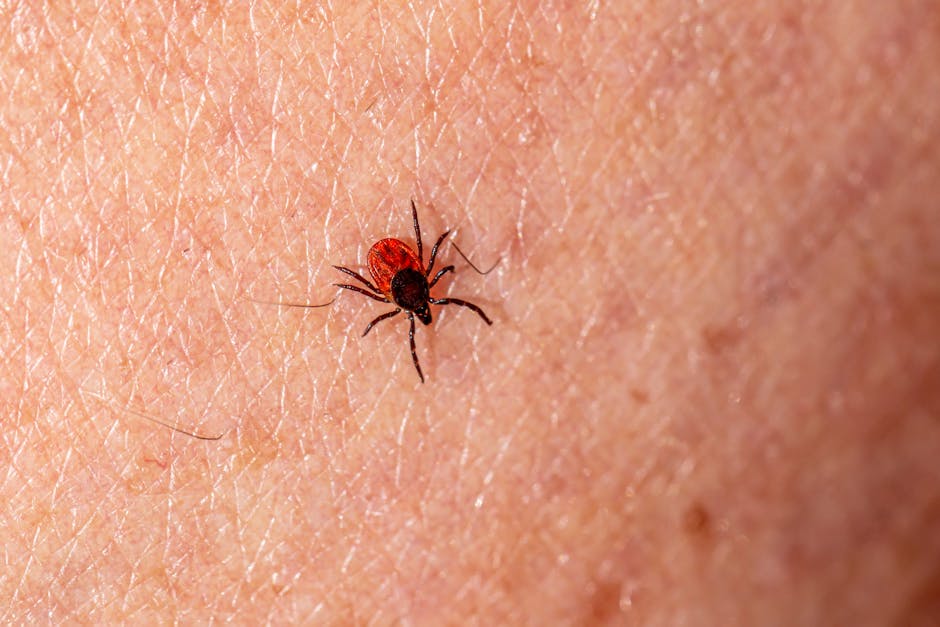
I’ll be honest with you — I used to be one of those dog owners who only bothered with flea and tick prevention during “peak season.” Then my Lab mix, Cooper, came home from a hiking trip with a deer tick embedded behind his ear, and three weeks later we were dealing with Lyme disease symptoms. The vet bills, the antibiotics, the joint pain he experienced for months afterward… none of that was worth the $40 I’d “saved” by skipping his spring prevention.
So here’s the deal: fleas don’t check the calendar. Ticks are active whenever temperatures climb above 35°F — which, depending on where you live, might be February. And with climate patterns shifting, the traditional “tick season” keeps stretching longer each year. The Companion Animal Parasite Council reported that tick exposure in dogs remains high throughout the southeast, southwest, and coastal Atlantic states, with some regions showing up to 50% of dogs exposed to disease-carrying ticks.
This guide breaks down every major type of flea and tick prevention on the market right now — oral chewables, topicals, collars, and combination products. I’ve tested several of these on my own dogs over the years, talked to my vet more times than I can count, and done a deep dive into what actually works versus what’s just good marketing.
Understanding Flea and Tick Risks
Before we get into products, let’s talk about what these little parasites actually do. Because “they’re annoying” doesn’t quite cover it.
Tick-Borne Diseases Your Dog Can Catch
Lyme Disease — This one gets all the press, and for good reason. Transmitted by deer ticks (Ixodes scapularis), Lyme causes fever, lameness, swollen lymph nodes, and if left untreated, kidney damage. The AKC Canine Health Foundation notes that the deer tick’s geographic range continues expanding, meaning dogs in previously “safe” areas are now at risk.
Ehrlichiosis — Spread by lone star ticks and brown dog ticks, this bacterial infection attacks white blood cells. Symptoms include lethargy, weight loss, and bleeding disorders. According to VCA Animal Hospitals, ehrlichiosis can become chronic and life-threatening if not caught early.
Anaplasmosis — Similar to Lyme in many ways, transmitted by the same deer tick. Causes joint pain, fever, and vomiting. Often misdiagnosed because symptoms overlap with other conditions.

Flea-Related Health Problems
Flea Allergy Dermatitis (FAD) — This is the big one. Some dogs develop a hypersensitivity to proteins in flea saliva, and a single bite can trigger intense itching, hair loss, and hot spots. I’ve seen dogs scratch themselves raw from FAD. The treatment involves steroids, medicated baths, and strict flea control going forward.
Tapeworms — Dogs ingest fleas while grooming, and those fleas often carry tapeworm larvae. You’ll notice rice-grain-like segments in your dog’s stool or around their rear end. Not dangerous, but definitely gross and easily preventable.
Types of Flea and Tick Prevention Explained
Oral Chewables
How they work: Your dog eats a flavored tablet. Active ingredients enter the bloodstream and distribute throughout body tissues. When a flea or tick bites, it ingests the insecticide and dies — usually within hours.
The main active ingredients are isoxazolines (afoxolaner in NexGard, sarolaner in Simparica, fluralaner in Bravecto). These overstimulate parasites’ nervous systems, causing paralysis and death.
Pros:
- No messy application
- Can’t wash off
- Most dogs eat them willingly
- Nothing to avoid touching (like wet topicals)
Cons:
- Parasites must bite to die — no repellent effect
- Require prescription from a vet
- Some dogs experience GI upset
- Not recommended for dogs with seizure history
Topical Treatments
How they work: You part the fur between your dog’s shoulder blades and apply liquid directly to the skin. The medication spreads across the body through the skin’s oil layer.
Pros:
- Some products repel AND kill
- Over-the-counter options available
- Often cheaper than oral medications
- Work on contact (no bite required for some)
Cons:
- Greasy residue for 24-48 hours
- Can wash off if swimming/bathing too soon
- Must keep away from cats (K9 Advantix II specifically)
- Children shouldn’t pet treated area until dry
Flea and Tick Collars
How they work: Embedded insecticides release slowly over months, spreading through skin oils or creating a protective zone around the collar area.
Pros:
- Long duration (7-8 months typically)
- No monthly doses to remember
- Cost-effective over time
- Water-resistant options available
Cons:
- Can be lost or chewed off
- Protection may be weaker at tail/rear end
- Some dogs react to collar materials
- Less effective for severe infestations
Shampoos and Sprays
These are reactive, not preventive. They kill existing fleas and ticks but offer minimal residual protection. Use these if you’re dealing with an active infestation, then follow up with a preventive product.
Best Oral Flea and Tick Medications
NexGard Chewables
This is the gold standard for monthly oral prevention. My current dog has been on NexGard for two years without a single flea or tick issue. The beef-flavored chew goes down like a treat — I don’t even have to hide it in peanut butter.
| Spec | Detail |
|---|---|
| Active Ingredient | Afoxolaner |
| Duration | 30 days |
| Kills Fleas | Within 4 hours |
| Kills Ticks | Within 24 hours |
| Minimum Age | 8 weeks |
| Minimum Weight | 4 lbs |
| Price Range | $20-25 per month |
NexGard is the only oral flea and tick product FDA-approved to prevent infections that cause Lyme disease. That’s not just marketing — they actually had to prove it in clinical trials.
Best for: Dogs who need solid, no-fuss monthly protection without heartworm coverage bundled in.
NexGard PLUS
Think of this as NexGard with extras. Same flea and tick protection, plus heartworm prevention, plus roundworm and hookworm treatment. One chew handles four different parasite categories.
| Spec | Detail |
|---|---|
| Active Ingredients | Afoxolaner, moxidectin, pyrantel |
| Duration | 30 days |
| Coverage | Fleas, ticks, heartworm, roundworms, hookworms |
| Minimum Age | 8 weeks |
| Minimum Weight | 4 lbs |
| Price Range | $25-35 per month |
The convenience factor here is real. Instead of giving separate flea/tick and heartworm medications, you give one monthly chew. Fewer products to buy, fewer doses to remember.
Best for: Owners who want comprehensive parasite protection in a single product.
Simparica Trio
Direct competitor to NexGard PLUS, and honestly, the specs are nearly identical. Simparica Trio covers six types of ticks compared to NexGard’s five, and it starts killing fleas slightly faster (within 3 hours versus 4).
| Spec | Detail |
|---|---|
| Active Ingredients | Sarolaner, moxidectin, pyrantel |
| Duration | 30 days |
| Coverage | Fleas, 6 tick species, heartworm, roundworms, hookworms |
| Kills Fleas | Within 3 hours |
| Kills Ticks | Within 8 hours |
| Minimum Age | 8 weeks |
| Price Range | $25-35 per month |
One limitation: Simparica products require dogs to be 8 weeks AND weigh at least 2.8 lbs. NexGard requires 4 lbs minimum. For very small puppies, this difference matters.
Best for: Owners who want the broadest tick coverage available in an all-in-one chew.
Bravecto
Here’s the wildcard option. Bravecto delivers 12 weeks of protection per dose — that’s three months from a single chew. For people who struggle with monthly dosing schedules (no judgment, I’ve forgotten plenty of times), this can be a game-changer.
| Spec | Detail |
|---|---|
| Active Ingredient | Fluralaner |
| Duration | 12 weeks |
| Kills Fleas | 88% within 4 hours, 100% within 12 hours |
| Kills Ticks | Within 8 hours |
| Minimum Age | 6 months |
| Minimum Weight | 4.4 lbs |
| Price Range | $45-60 per dose |
The catch? Bravecto only covers fleas and ticks. You’ll still need separate heartworm prevention. And the 6-month minimum age means it’s not an option for young puppies.
Some owners report Bravecto’s effectiveness dropping off toward the end of the 12-week period. Worth monitoring during weeks 10-12.
Best for: Owners who want less frequent dosing and don’t need heartworm bundled in.
Oral Medication Price Comparison
| Product | Fleas | Ticks | Heartworm | Intestinal Worms | Duration | Approx. Monthly Cost |
|---|---|---|---|---|---|---|
| NexGard | ✓ | ✓ | ✗ | ✗ | 30 days | $20-25 |
| NexGard PLUS | ✓ | ✓ | ✓ | ✓ | 30 days | $25-35 |
| Simparica Trio | ✓ | ✓ | ✓ | ✓ | 30 days | $25-35 |
| Bravecto | ✓ | ✓ | ✗ | ✗ | 12 weeks | $15-20 |
Best Topical Flea and Tick Treatments
K9 Advantix II
This is the topical I reach for when I need something that repels AND kills. K9 Advantix II doesn’t just wait for parasites to bite — it creates a barrier that drives fleas, ticks, and mosquitoes away on contact.
Kills fleas within 12 hours. New fleas that jump on your dog from the environment die within 2 hours. That speed matters when you’re dealing with heavy flea pressure.
Critical warning: K9 Advantix II contains permethrin, which is highly toxic to cats. If you have cats in your home, keep them completely separated from your treated dog for at least 24 hours. Better yet, choose a different product.
| Spec | Detail |
|---|---|
| Active Ingredients | Imidacloprid, permethrin, pyriproxyfen |
| Duration | 30 days |
| Kills Fleas | Within 12 hours |
| Repels | Fleas, ticks, mosquitoes, biting flies |
| Water Resistance | Waterproof after 24 hours |
| Minimum Age | 7 weeks |
| Price Range | $50-60 per 6-pack |
Best for: Active outdoor dogs in high-tick areas who need repellent action. Not for multi-pet homes with cats.
Frontline Plus
The original topical. Frontline Plus has been around since fipronil’s patent expired in 2011, and it still works. Two active ingredients target adult fleas AND flea eggs/larvae, breaking the reproductive cycle.
Takes longer to kill than newer products — we’re talking 12+ hours for ticks versus 8 hours with some orals. But it’s proven, widely available, and doesn’t require a prescription.
| Spec | Detail |
|---|---|
| Active Ingredients | Fipronil, (S)-methoprene |
| Duration | 30 days |
| Coverage | Adult fleas, flea eggs, flea larvae, ticks, lice |
| Water Resistance | Yes (after drying) |
| Minimum Age | 8 weeks |
| Price Range | $70-100 per 6-pack |
Best for: Owners who want a trusted name-brand topical without needing a vet prescription.
TevraPet FirstAct Plus (Budget Pick)
Same active ingredients as Frontline Plus — fipronil and (S)-methoprene — at roughly half the price. TevraPet is essentially a generic alternative, and for many dogs, it works just as well.
Fair warning: reviews are mixed. Some owners swear by it, others say effectiveness drops off before the 30-day mark. In heavily infested areas, you might need stricter adherence to the dosing schedule.
| Spec | Detail |
|---|---|
| Active Ingredients | Fipronil, (S)-methoprene |
| Duration | 30 days |
| Water Resistance | Yes |
| Minimum Age | 8 weeks |
| Price Range | $15-20 per 3-pack |
Best for: Budget-conscious owners who don’t live in high-risk flea/tick areas.
Topical Application Tips
- Part the fur completely to expose skin — medicine on fur doesn’t work
- Apply between shoulder blades where dogs can’t lick it off
- Don’t bathe your dog for 48 hours before or after application
- If you have multiple dogs, separate them until the product dries
- Mark your calendar for the next dose immediately
Best Flea and Tick Collars
Seresto Collar
Eight months of protection from a single collar. Do the math: that’s roughly $8-9 per month compared to $20-35 for monthly oral medications. The economics make sense for long-term use.
Seresto uses a sustained-release technology where active ingredients (imidacloprid and flumethrin) continuously transfer to your dog’s skin and coat. Kills fleas within 24 hours, ticks within 48.
| Spec | Detail |
|---|---|
| Active Ingredients | Imidacloprid, flumethrin |
| Duration | 8 months |
| Water Resistance | Yes, remains effective after bathing/swimming |
| Minimum Age | 7 weeks |
| Price Range | $60-70 |
One concern I’ve heard: protection at the rear end of larger dogs might be weaker since the active ingredients spread from the collar location. For Great Danes or other giant breeds, you might want supplemental protection during peak tick season.
Best for: Owners who want long-lasting, low-maintenance protection and don’t mind their dog wearing a collar.
Hartz UltraGuard Pro
The budget collar option. At $10-15 for 7 months of protection, Hartz UltraGuard costs about $2 per month. That’s remarkably cheap.
But — and this is a significant but — effectiveness is inconsistent. Some users report great results. Others find fleas migrating to areas away from the collar (belly, legs, tail) within weeks. Environmental factors seem to matter a lot; heavily wooded rural areas tend to overwhelm the product faster.
| Spec | Detail |
|---|---|
| Active Ingredient | Tetrachlorvinphos |
| Duration | 7 months |
| Water Resistance | Limited |
| Minimum Age | 12 weeks |
| Price Range | $10-15 |
Best for: Lower-risk environments or as a supplemental layer alongside other prevention methods.
Collar vs. Oral vs. Topical: Quick Comparison
| Factor | Collars | Oral | Topical |
|---|---|---|---|
| Duration | 7-8 months | 1-3 months | 1 month |
| Application | Wear continuously | Monthly chew | Monthly application |
| Messy? | No | No | Yes (24-48 hrs) |
| Repels parasites? | Some do | No | Some do |
| Can be lost/removed? | Yes | No | No |
| Prescription needed? | No | Usually | Some |
| Coverage consistency | May weaken far from neck | Full body | Full body |
Choosing the Right Prevention by Dog Type
Puppies (8+ Weeks)
Start flea and tick prevention early — most products are safe at 8 weeks, though weight minimums vary. NexGard and NexGard PLUS require at least 4 lbs. Simparica Trio requires 2.8 lbs.
Seresto collars can go on puppies as young as 7 weeks. Just make sure the collar fits properly with two fingers of space underneath, and check it weekly as your puppy grows.
My recommendation for puppies: start with whatever your vet prescribes during that first wellness visit. They’ll weigh your pup and can recommend the safest option for that specific weight and age.
Senior Dogs
Older dogs with compromised immune systems or chronic health conditions need gentler options. I’d lean toward products with longer safety track records — Frontline Plus has been around for decades with minimal reported issues in senior dogs.
Avoid anything your vet hasn’t specifically approved if your senior dog takes other medications. Isoxazolines (the class that includes NexGard and Simparica) may interact with certain drugs, and liver or kidney issues can affect how medication is processed.
Dogs with Sensitive Skin
Some dogs react to topical treatments with redness, itching, or hair loss at the application site. If your dog has shown sensitivity before, oral medications eliminate skin contact entirely.
For collar sensitivities, check whether the reaction is truly allergic or just contact irritation from a too-tight fit. Seresto collars should have slack — not pressed against the skin.
Highly Active Outdoor Dogs
If your dog is constantly in woods, tall grass, or off-leash areas, you need something that works fast and ideally repels before bites happen. K9 Advantix II’s repellent action makes it ideal for hunting dogs and serious hiking companions.
For swimmers and dogs who get bathed frequently, oral medications completely sidestep water-resistance concerns. You literally cannot wash off NexGard.
Vet Recommendations and Safety Considerations
Always Consult Your Veterinarian First
I’ve given you plenty of information here, but I’m not a vet. Before starting any flea and tick prevention — especially prescription products — talk to your veterinarian. They can:
- Confirm your dog’s weight for proper dosing
- Check for drug interactions with existing medications
- Recommend products based on your specific regional risks
- Monitor for adverse reactions over time
Drug Interactions to Watch
Isoxazoline-class drugs (NexGard, Simparica, Bravecto) should be used cautiously in dogs with seizure history. The FDA has noted that some dogs experienced neurologic adverse reactions including tremors and seizures after taking these medications.
If your dog takes anti-epileptic drugs, immunosuppressants, or has a history of liver disease, make sure your vet knows before prescribing flea and tick prevention.
Signs of Adverse Reactions
Contact your vet immediately if you notice:
- Excessive drooling or vomiting after oral medication
- Lethargy lasting more than 24 hours
- Loss of appetite
- Muscle tremors or uncoordinated movement
- Skin redness, swelling, or hair loss at topical application sites
- Difficulty breathing (rare but serious)
Most dogs tolerate these products without issues. But when reactions happen, they tend to appear within the first 24-48 hours after dosing.
Our Top Picks: Quick Reference
| Category | Top Pick | Why |
|---|---|---|
| Best Overall Oral | NexGard PLUS | Complete protection (fleas, ticks, heartworm, intestinal worms) in one monthly chew |
| Best for Tick-Heavy Areas | Simparica Trio | Covers 6 tick species, fastest kill time |
| Best for Forgetful Owners | Bravecto | 12-week duration means only 4 doses per year |
| Best Topical | K9 Advantix II | Only product that repels AND kills; ideal for outdoor dogs |
| Best Budget Topical | TevraPet FirstAct Plus | Same active ingredients as Frontline at half the cost |
| Best Collar | Seresto | 8 months of protection, water-resistant, proven track record |
| Best for Puppies | NexGard PLUS | Safe at 8 weeks/4 lbs, comprehensive coverage to start them right |
| Best for Sensitive Dogs | NexGard | Oral administration avoids skin contact; well-tolerated by most dogs |
Frequently Asked Questions
Can I use a flea collar AND oral medication together?
Technically yes, but usually unnecessary and potentially risky. Doubling up on insecticides can increase the chance of adverse reactions. If one product isn’t working, switch to a different one rather than stacking. The exception: some vets recommend combining a heartworm-only product with a separate flea/tick prevention. Just confirm with your vet first.
Why do fleas come back even when I use prevention?
Your dog is protected, but your home might not be. Flea eggs and larvae live in carpets, bedding, and furniture — not on your dog. You need to vacuum frequently (especially under furniture), wash pet bedding weekly in hot water, and possibly use an environmental spray. Prevention products kill fleas that jump on your dog, but new fleas keep emerging from your environment.
Is generic flea medication as good as name brands?
For topicals using fipronil (like TevraPet FirstAct Plus), the active ingredients are identical to Frontline Plus. Effectiveness should be similar, though quality control and inactive ingredients vary. Generic oral medications aren’t really available yet since most are still patent-protected.
My dog hates taking pills. What are my options?
Topical treatments and collars don’t require swallowing anything. For chewables, try hiding them in cheese, peanut butter, or a Pill Pocket. NexGard and Simparica are designed to taste like treats — most dogs eat them willingly. If your dog still refuses, ask your vet about compounded flavored versions.
How long should I wait to bathe my dog after applying topical treatment?
At least 48 hours for most products. K9 Advantix II becomes waterproof after 24 hours but applying to a freshly bathed dog works best because natural skin oils help distribute the medication. Wait 2 days after bathing before applying, then another 2 days before the next bath.
Are natural or essential oil flea treatments effective?
The evidence is weak. Cedar oil, peppermint, and similar ingredients may have mild repellent properties, but they don’t reliably kill fleas or ticks. For dogs with severe flea allergies or who live in tick-endemic areas, natural products aren’t adequate protection. I wouldn’t rely on them as your primary defense.
Final Thoughts
There’s no single “best” flea and tick prevention — it depends on your dog’s age, health, lifestyle, and your budget. But there IS a wrong choice: doing nothing.
Year-round prevention costs roughly $15-35 per month. Treating Lyme disease, ehrlichiosis, or a severe flea infestation costs hundreds to thousands. I learned that math the hard way with Cooper.
If I had to pick one product for most dogs? NexGard PLUS. Monthly chew, comprehensive coverage, proven track record. It handles fleas, ticks, heartworm, and intestinal parasites in a single dose. For outdoor enthusiasts who need repellent action, K9 Advantix II remains the topical gold standard — just keep it away from cats.
Talk to your vet, pick something that fits your routine, and actually use it consistently. Your dog can’t remind you when they’re due for their next dose. That’s on you.
Featured Image Source: Pexels