

My Labrador Henry hit 42kg last spring. The vet’s face said it all before she even spoke. “He needs to lose at least 6kg,” she told me. I nodded, already knowing what was coming — we’d have to cut his treats.
Except… we couldn’t. Henry’s recall depends on treats. His trick repertoire, all twelve commands, runs on them. Training class every Thursday? Treats. So I spent the next four months hunting down low calorie dog treats that wouldn’t derail his diet. Some were brilliant. Most were overpriced rubbish. Here’s what actually works.
Why Treats Matter in Weight Management
The problem isn’t that treats are bad. It’s that most of us massively underestimate how many calories we’re handing out. I certainly did.
The 10% Rule and How Treats Add Up

Your dog’s daily calorie allowance should be roughly 10% treats, 90% proper food. For a medium dog on a weight-loss diet — say, 800 calories per day — that’s 80 calories for treats. Sounds generous until you realise a single Bonio is 36 calories. Two of those and you’ve used nearly your whole budget.
I did the maths one evening. On a typical training day, Henry was getting 15-20 treats minimum. At 25-30 calories each (which is average for many commercial treats), that’s 300-600 extra calories. No wonder he was chunky.

Calorie Density: Why Size Is Deceiving
Small treats aren’t automatically low-calorie. This caught me out badly. Those tiny training treats from a popular brand? 8 calories each. The much larger Whimzees dental chew? 9 calories per inch. Size tells you nothing.
What matters is calorie density — essentially, how much energy is packed into each gram. Fatty treats (cheese-based, anything with animal fat high in the ingredients) are calorie-dense. Lean protein and fibre-based treats give you more volume for fewer calories. Dogs don’t count calories; they count repetitions. A dog would rather have ten tiny treats than one big one.
What Makes a Good Low-Calorie Treat
Calories Per Treat: The Key Metric
Under 5 calories per treat is the gold standard for training. Under 10 is reasonable for everyday rewards. Anything over 20 and you need to be rationing them carefully.
The problem? Many brands hide this information or only list “per 100g” on the packet, which is useless when you’re trying to count individual treats. I’ve emailed four companies directly asking for per-treat calories. Two never replied. One sent me a PDF that was clearly for a different product. Only Lily’s Kitchen actually answered helpfully.
Protein vs Carb-Based Treats
High-protein treats tend to be more satisfying for dogs. They also support lean muscle during weight loss — which matters because you want your dog losing fat, not muscle. Treats made primarily from meat, fish, or liver tick this box.
Carb-based treats (biscuits, essentially) aren’t evil, but they’re often higher calorie for the same size and less satisfying. Dogs don’t need carbs nutritionally, though they digest them fine. If you’re choosing between a chicken treat and a grain-based biscuit of the same size, go chicken.
Ingredients to Avoid
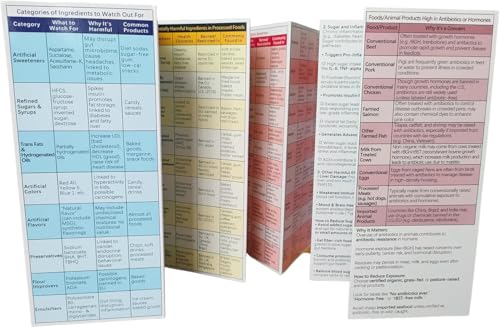
Added sugars. Why some manufacturers put sugar in dog treats baffles me. It’s in there for palatability, but dogs will happily eat dried lung, so it’s not like they’re fussy. Molasses, syrup, dextrose — all red flags.
Undefined fats. “Animal fat” without specifying the source usually means rendered waste from multiple species. Not necessarily harmful, but not great quality either.
Excessive fillers. Wheat, corn, and soy aren’t toxic, but they add calories without much nutritional value. If they’re in the top three ingredients, you’re paying for padding.
Best Commercial Low-Calorie Dog Treats
After trying probably thirty different products over Henry’s diet journey, these stood out. I’ve included exact calorie counts because I had to dig for most of them and nobody else seems to compile this properly.
Best Overall: Lily’s Kitchen Bedtime Biscuits
At just 7 calories per biscuit, these became our go-to. They’re crunchy enough that Henry thinks he’s getting something substantial. The ingredient list is clean — oats, honey, chamomile. My only gripe is the price (about £3.50 for 80g), but when you factor in the low calories, you’re actually using fewer per session than denser treats.
Henry will do anything for these. Absolutely anything. Including that “play dead” trick he pretends not to know when I use lesser treats.
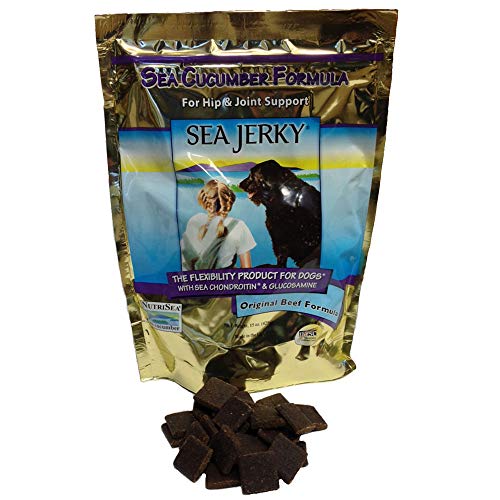
Best for Training: Fish4Dogs Sea Jerky Tiddlers
| Specification | Details |
|---|---|
| Calories | ~3 calories per piece |
| Size | Tiny (roughly 1cm) |
| Texture | Chewy, breaks easily |
| Main ingredient | White fish skin |
| Pack size | 100g bag (~100 pieces) |
These are brilliant for high-repetition training. Actual fish skin, dried and cut into tiny strips. Three calories each. I can blast through twenty in a training session and barely make a dent in Henry’s calorie budget.
They do smell strongly of fish, which some people hate. I keep them in a sealed container in the porch. Worth the minor inconvenience.
Best Long-Lasting Chew: Yakers Puffed
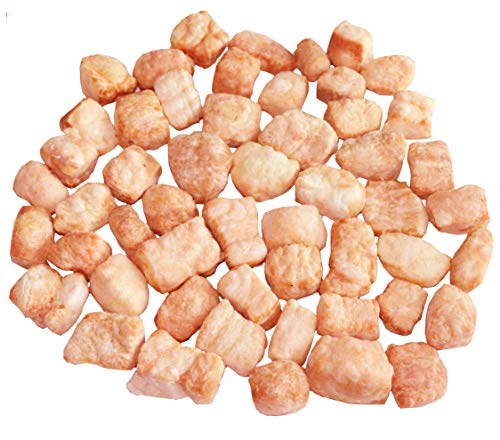
Traditional Yak chews are calorie bombs (around 300 calories for a medium). But Yakers now make a puffed version that’s been microwaved to expand, making it lighter and lower calorie. A small puffed piece runs about 30-40 calories and lasts Henry 15 minutes of focused chewing.
Not technically “low calorie” but remarkable for a long-lasting chew. Everything else in this category — bully sticks, pig ears, dental chews — starts at 80 calories minimum.
Best Soft Treats for Seniors
My parents’ elderly Spaniel can’t manage crunchy treats anymore. Edgar’s teeth are shot. For him, I recommend Forthglade Soft Bites. About 4 calories each, genuinely soft, made with decent meat. He can gum them without struggling.
The texture is slightly tacky, which means they stick to your fingers a bit. Annoying, but Edgar doesn’t care and neither should you if your dog has dental issues.
Best Budget Option
Sainsbury’s own-brand training treats. 40p for 60g. Roughly 4 calories per tiny bone-shaped biscuit. Are they gourmet? Absolutely not. Do they work? Yes. Henry doesn’t know the difference between these and the fancy stuff for basic “sit, down, stay” training. I save the premium treats for proofing difficult commands.
Single-Ingredient Treats Worth Considering
Single-ingredient treats are exactly what they sound like — one ingredient, dried or freeze-dried. No additives, no fillers, no guessing about what’s actually in there. They’re generally excellent for weight management because protein is filling and easy to portion.
Freeze-Dried Options
Freeze-dried liver, heart, or lung are the classics. Pure protein, incredibly light (dogs perceive them as more food than they actually are), typically 2-5 calories per piece. The downside is cost — you’re paying £5-8 for what amounts to a few grams of actual meat once it’s dried.
Green & Wilds Ox Liver is Henry’s favourite. Breaks easily into smaller pieces for training. One pouch lasts us three weeks of training sessions.
Dehydrated Meat Treats
Slightly cheaper than freeze-dried, slightly more calorie-dense. Dehydrated chicken breast strips run about 5 calories per 2cm piece if you buy quality ones. I tear them into smaller bits.
JR Pet Products does a good range. British-made, clearly labelled, reasonable prices if you buy the bigger bags.
Healthy Homemade and Whole-Food Alternatives
Here’s a confession: I don’t make homemade treats as often as I should. But when I do, these work brilliantly.
Safe Fruits and Vegetables as Treats
Carrots. Baby carrots specifically — they’re the perfect size, about 4 calories each, and most dogs love the crunch. Henry thinks they’re special. I let him believe that.
Blueberries work for training. 1 calorie each. Some dogs aren’t interested, but Henry will catch them mid-air. Green beans are another option — nearly zero calories, surprisingly popular with food-motivated dogs.
Avoid grapes (toxic), onions (toxic), and anything you wouldn’t eat raw yourself.
Frozen Treat Ideas
This saved us during summer. I freeze low-sodium chicken stock in ice cube trays. Each cube is about 3 calories and takes Henry five minutes to lick. He thinks it’s the best thing ever.
Frozen banana slices (15 calories each) work as occasional treats. Frozen blueberries scatter nicely in the garden for enrichment — makes him work for them.
How to Use Treats Without Sabotaging Weight Loss
Count them. Actually count them. I keep Henry’s daily treat allowance in a small container each morning. When it’s empty, it’s empty. This single habit made more difference than anything else.
Use meals for training where possible. I reserve about 20% of Henry’s kibble for training sessions. It’s not as exciting as treats, but for easy commands he doesn’t care.
Break treats smaller. Dogs care about frequency, not volume. That 10-calorie treat can become four 2.5-calorie rewards if you break it up. Henry doesn’t feel cheated. He got four treats instead of one.
Tell everyone in the household. This sounds obvious but nearly broke our diet plan. My wife was handing out treats without realising I’d already trained with Henry that morning. We doubled up for weeks before figuring it out. Now we have a treat jar that everyone uses, so we can all see what’s left.
Treats to Avoid for Overweight Dogs
Dental chews. I know, they seem healthy. But most standard dental chews are 50-100 calories. Greenies medium? 69 calories. That’s a meal for some small dogs.
Anything from the butcher’s counter. Pigs’ ears (over 100 calories), rawhide (variable but often 100+), those thick pizzle sticks (200+ for a big one). Fine as occasional chews for dogs at a healthy weight. Disaster for dieting dogs.
Cheap biscuits in bulk boxes. Those “assorted shapes” variety packs you see at garden centres. Heavy, calorie-dense, and dogs get through them fast because they’re not very satisfying. I fell for these early in Henry’s training. Never again.
Human food scraps. The crust from your toast is 50 calories. A bite of cheese is 30. A sliver of ham, another 20. “Just a little taste” adds up faster than dedicated treats because you’re not tracking it.
Henry lost 5.8kg over eight months. He’s now 36.2kg and the vet’s actually happy with us. Most of that progress came from adjusting his food, but the treat switch played a real part. We went from maybe 400 treat calories a day to under 50, without reducing how many actual treats he received.
The tricks still work. Recall’s still solid. He’s just getting Fish4Dogs tiddlers instead of massive biscuits — and he genuinely doesn’t seem to notice the difference.
FAQ
Can I use regular treats but just give fewer of them?
You can, but dogs find this frustrating. They’re wired to expect a certain frequency of rewards during training. Ten small treats works better than two big ones for the same calorie count. Try it both ways — you’ll see the difference in enthusiasm.
Are low-calorie treats less tasty to dogs?
Not in my experience. Some of Henry’s absolute favourites are low-calorie (fish skin, freeze-dried liver). The taste comes from the protein, not the fat or carbs that add calories. What dogs care about is smell and texture, and you can get both in low-calorie options.
How do I know how many calories my dog needs?
Your vet should calculate this based on current weight, target weight, and activity level. For rough numbers, a moderately active dog needs about 30 calories per kilogram of ideal body weight. But honestly, just ask your vet — they’ll give you a specific daily calorie target.
Featured Image Source: Pexels