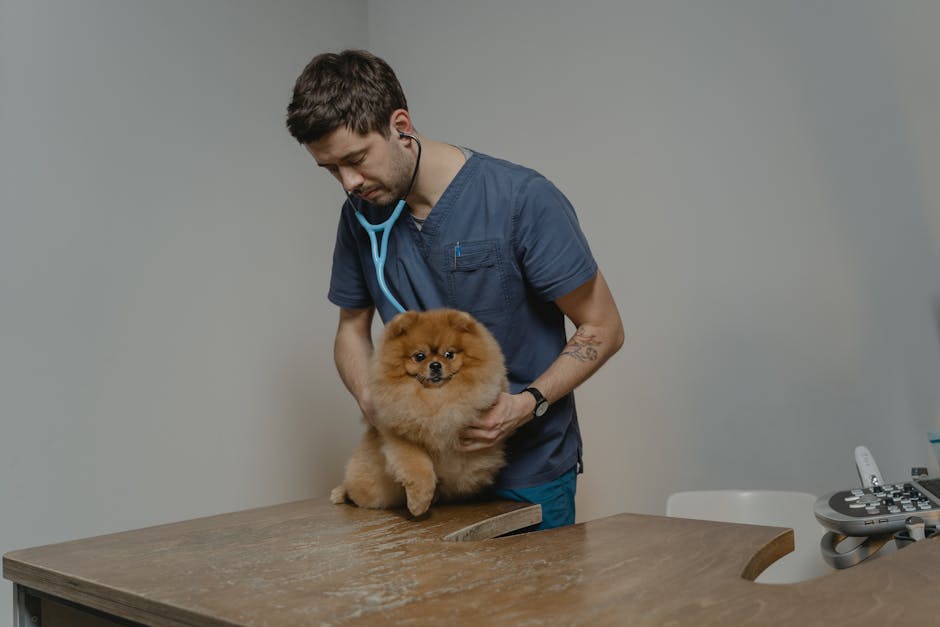


A phone call from my neighbour at 11pm changed how I think about dog safety. Her Labrador had gotten into a box of raisins — “just a handful,” she said. I drove them to the emergency vet anyway. Three days of IV fluids and kidney monitoring later, Biscuit came home. The bill was £2,400. The raisins cost 80p.
That’s the thing about dog toxins. They’re mundane. They’re in your kitchen right now. And by the time you notice symptoms, the damage is often already happening.
I’ve put together everything I wish I’d known before that night — and before my own close calls over fifteen years of dog ownership. Some of this will surprise you. Some might make you paranoid. Good. A bit of paranoia about grapes and xylitol is healthy paranoia.
The 12 Most Dangerous Foods for Dogs
Chocolate (Theobromine Calculator by Body Weight)
Let’s start with the one everyone knows but few understand properly. Chocolate toxicity isn’t binary — it’s a calculation based on the type of chocolate, the amount, and your dog’s weight.
Dark chocolate and baking chocolate are the real killers. A 10kg dog eating 50g of dark chocolate is in serious trouble. That same dog eating 50g of milk chocolate? Probably just an upset stomach. White chocolate contains almost no theobromine at all — though the fat content can still trigger pancreatitis.
Here’s the rough maths:
| Chocolate Type | Theobromine (mg per gram) | Toxic dose for 10kg dog |
|---|---|---|
| Baking/cooking chocolate | 14-16mg | 20-30g |
| Dark chocolate (70%+) | 5-8mg | 50-80g |
| Milk chocolate | 1.5-2mg | 150-200g |
| White chocolate | 0.1mg | Not a theobromine risk |
Symptoms appear within 6-12 hours: vomiting, diarrhoea, restlessness, rapid breathing, muscle tremors, seizures. If you know your dog ate chocolate, don’t wait for symptoms. Call the Animal PoisonLine on 01202 509000 with the wrapper in hand — they’ll calculate whether it’s an emergency or a watch-and-wait situation.
My terrier once ate an entire advent calendar (including the cardboard). The vet wasn’t worried — milk chocolate, small amounts per day, distributed across 24 tiny compartments. But I spent Christmas Eve at the emergency clinic anyway, just to be sure. Sometimes the reassurance is worth the trip.
Xylitol (Hidden in Peanut Butter, Gum, Toothpaste)
This one terrifies me more than chocolate. Xylitol — a sugar substitute — causes rapid insulin release in dogs. Blood sugar crashes within 15-30 minutes. Liver failure can follow within 24-72 hours.
And it’s everywhere. Sugar-free gum. Some peanut butters. Toothpaste. Mouthwash. Certain vitamins and supplements. Baked goods labelled “keto” or “diabetic-friendly.”
The toxic dose is shockingly small: 0.1g per kg body weight can cause hypoglycaemia. For a 10kg dog, that’s a single piece of sugar-free gum. Higher doses (0.5g/kg) cause liver failure.
Check every peanut butter label before using it in Kongs or training. Some brands that were xylitol-free have changed formulas. I now only buy peanut butter specifically marketed for dogs, or I make my own.
Grapes and Raisins (Why Even One Is Risky)
Back to my neighbour’s Labrador.
Here’s what makes grapes uniquely frightening: we don’t fully understand why they’re toxic. Recent research points to tartaric acid as the likely culprit, which would explain why some dogs eat grapes and seem fine while others develop acute kidney failure from a few raisins. Tartaric acid content varies wildly between grape varieties and ripeness levels.
But “seems fine” is doing a lot of work in that sentence. Kidney damage can be subclinical — happening without obvious symptoms until it’s severe. There’s no established safe dose. No antidote. No way to predict which dogs will react.
My rule: zero tolerance. No grapes, raisins, sultanas, or currants. Ever. Not even one that fell on the floor. Not even a tiny bit of Christmas pudding. The risk-reward calculation doesn’t make sense when the reward is “dog ate a grape” and the risk is “dog’s kidneys shut down.”
Onions, Garlic, Leeks (Allium Toxicity)
All members of the allium family damage dogs’ red blood cells, causing haemolytic anaemia. The scary part? Symptoms can take 3-5 days to appear, well after you’ve forgotten about the leftover curry your dog snuck off the counter.
Garlic is about five times more potent than onions by weight. Leeks and chives sit somewhere in the middle. Cooked, raw, powdered — doesn’t matter. The toxic compounds survive cooking.
A single exposure to a large amount, or repeated small exposures over time, can both cause problems. That “homemade dog food” recipe with garlic for flavour? Skip it.
Macadamia Nuts
Not usually fatal, but deeply unpleasant. Within 12 hours: weakness (especially hind legs), vomiting, tremors, hyperthermia. Most dogs recover within 24-48 hours with supportive care.
The mechanism is unknown. Macadamias are the only nut with this specific toxicity profile in dogs. If your dog raids a bag, they’ll probably be fine — but miserable. And you’ll be cleaning up vomit.
Alcohol and Yeast Dough
Raw bread dough is a double threat. The yeast keeps fermenting in your dog’s warm stomach, producing alcohol and expanding dangerously. I’ve heard of dogs needing surgery for bread dough obstruction.
Alcohol itself — beer, wine, spirits — causes the same problems as in humans: vomiting, disorientation, breathing difficulties, coma. Dogs are smaller, so it takes far less. A toy breed lapping up spilled wine at a party is a genuine emergency.
Cooked Bones
Quick mention because it catches people out. Raw bones? Generally fine, with supervision. Cooked bones? They splinter. Those splinters can perforate intestines.
Chicken and pork bones are the worst offenders. If your dog swallowed cooked bones, watch for vomiting, bloody stool, lethargy, or abdominal pain over the next 24-48 hours.
Avocado
Persin toxicity. Controversial — some sources say the flesh is fine and only the pit/skin/leaves are dangerous. Others say avoid entirely. The pit is also a choking hazard and can cause intestinal blockage.
I don’t stress about avocado as much as grapes or xylitol. But I don’t actively share my toast with the dogs either.
Caffeine
Same mechanism as chocolate — methylxanthines. Coffee grounds and tea bags are concentrated hazards. Energy drinks too. Symptoms mirror chocolate toxicity: hyperactivity, restlessness, vomiting, abnormal heart rhythm.
Sugar-Free Sweeteners Beyond Xylitol
Erythritol appears safer for dogs than xylitol, but research is limited. Stevia seems fine. Aspartame and sucralose haven’t shown significant toxicity in studies.
But here’s my issue: sweetener blends are common, and labels don’t always specify which ones are used. “Sugar-free” or “no added sugar” means “check the ingredients list every single time.”
Mouldy Food (Tremorgenic Mycotoxins)
That forgotten sandwich in the bin? The compost heap? Mouldy bread, cheese, or nuts can contain tremorgenic mycotoxins that cause muscle tremors, seizures, and hyperthermia within 30 minutes to several hours.
Dogs root through bins. They find things on walks. If your dog starts trembling and you can’t figure out why, think about what they might have scavenged.
Fat Trimmings (Pancreatitis Trigger)
The Christmas ham trimmings. The bacon grease. “Treating” your dog with the fatty bits you trimmed off your steak.
Pancreatitis is agonising and can be fatal. It’s also unpredictable — some dogs handle fatty food fine for years, then suddenly don’t. Miniature Schnauzers, Cocker Spaniels, and Yorkshire Terriers are particularly prone.
I’ve stopped giving my dogs any table scraps beyond the occasional plain vegetable. Not worth the risk.
10 Common Plants That Poison Dogs
Lilies, Sago Palm, Foxglove, Yew, Azalea
Sago palm is the one that genuinely frightens me. All parts are toxic, but the seeds (nuts) are most dangerous. Ingestion causes vomiting, diarrhoea, seizures, and liver failure. The fatality rate in dogs that eat sago palm is estimated at 50-75% even with treatment. These are popular houseplants and garden plants — and they look innocuous.
Yew is everywhere in British churchyards and hedgerows. The entire plant is toxic except the fleshy red bit around the seed (the aril). But dogs don’t carefully separate the edible bit — they swallow whole. Yew contains taxines that affect the heart. Rapid onset, often fatal.
Foxglove affects the heart similarly — it’s the source of digitalis. Beautiful flower, deadly ingestion.
Lilies — true lilies (Lilium species) and daylilies — are less toxic to dogs than to cats, but can still cause gastrointestinal upset and potential kidney issues.
Azaleas and rhododendrons contain grayanotoxins. Even a few leaves can cause vomiting, drooling, weakness, and cardiac problems.
Mushrooms in UK Gardens
This one’s hard because identification is difficult even for experts. Most mushrooms are harmless. Some cause mild stomach upset. A few are fatal.
The safest approach: assume all wild mushrooms are toxic until proven otherwise. Check your garden after wet weather — mushrooms can pop up overnight. If your dog eats one and you can’t identify it, bring a sample (wrapped in paper, not plastic) to the vet.
Spring Bulbs (Daffodils, Tulips, Hyacinths)
Daffodils are the big one. The bulb is most toxic, but flowers and leaves cause problems too. Vomiting, drooling, abdominal pain, cardiac arrhythmias, respiratory depression. Dogs dig — if you’ve got daffodil bulbs in reach, assume your dog will eventually find one.
Tulips and hyacinths are similar: bulbs more concentrated, but all parts toxic. If your dog’s a digger, consider raised beds or bulb cages.
Household Toxins That Aren’t Food or Plants
Antifreeze, Rodenticides, Slug Pellets, Ibuprofen
Antifreeze (ethylene glycol) tastes sweet. Dogs seek it out. Even small amounts cause kidney failure. Always clean up spills immediately and store containers out of reach. Some brands now use propylene glycol instead — still not safe to drink, but far less toxic.
Rodenticides vary by type. Anticoagulant rodenticides (warfarin, brodifacoum) cause internal bleeding — symptoms may take days to appear, but Vitamin K treatment works if caught early. Second-generation anticoagulants persist in tissue and can poison predators that eat poisoned rodents. Other rodenticides (bromethalin, zinc phosphide) work differently and have different treatments. If your dog ate rat poison, knowing which type is critical.
Slug pellets — metaldehyde-based ones are the problem. Banned now in the UK for outdoor use since March 2026, but old stock might still be in sheds. Ferric phosphate pellets are safer but can still cause stomach upset in large amounts.
Ibuprofen and other NSAIDs — one of the most common accidental poisonings. Dropped pill, packet left out, dog with a sore leg getting “help” from an owner who didn’t know. Dogs metabolise ibuprofen differently than humans. Stomach ulcers, kidney failure, and neurological symptoms can result. Never give human painkillers to dogs without explicit veterinary guidance.
First 30 Minutes — What to Do
Animal PoisonLine UK Phone Number
Write this down. Put it in your phone. Stick it on the fridge.
Animal PoisonLine: 01202 509000
This is run by the Veterinary Poisons Information Service (VPIS). There’s a fee — currently around £45 — but they’ll tell you whether your dog needs emergency treatment or can be monitored at home. They’ll also brief your vet if needed. Available 24/7.
For obvious emergencies (collapse, seizures, difficulty breathing), skip the call and go straight to the vet. But for “dog ate something, I don’t know if it’s bad” situations, this line can save you an unnecessary 2am emergency visit — or tell you it’s more urgent than you thought.
When to Induce Vomiting (and When NOT To)
When it might help: within 1-2 hours of ingestion, for most solid foods and plants. The window varies by substance.
When it’s dangerous:
- Corrosive substances (batteries, cleaning products, acids, alkalis) — burns going down, burns coming back up
- Petroleum products (lighter fluid, motor oil) — aspiration risk
- Sharp objects — risk of perforation
- If the dog is already showing neurological symptoms, seizing, or unconscious
- If you’re not sure what they ate
Never induce vomiting without veterinary guidance. The standard advice was hydrogen peroxide 3%, but concentrations vary and getting the dose wrong causes problems. Washing soda crystals were once recommended but can cause chemical burns.
If your vet tells you to induce vomiting, they’ll give specific instructions. Otherwise, get to the clinic — they have safer, more reliable methods.
What to Bring to the Emergency Vet
- Packaging or sample of what was ingested (for foods, plants, medications)
- Rough estimate of quantity consumed
- Time of ingestion (your best guess)
- Your dog’s weight (they’ll weigh again, but saves time)
- Photo of the plant if you couldn’t bring a sample
- Any symptoms you’ve observed, and when they started
Don’t spend twenty minutes gathering perfect information. Go quickly with whatever you have. You can fill in gaps at the clinic.
Recovery and Long-Term Damage Prevention
Kidney and liver damage from toxins isn’t always immediately apparent. After a poisoning incident, your vet may recommend follow-up blood tests over the following weeks to check organ function.
Some dogs develop chronic issues. My friend’s Border Collie ate grapes as a puppy — caught early, treated aggressively, recovered well. But her kidney values are slightly elevated eight years later, and she needs bloodwork every six months.
Prevention is genuinely better than treatment here. You can’t watch your dog every second, but you can control the environment.
Pet-Proofing Checklist
I’m not going to pretend this list is exhaustive. But it’s where I’d start.
Kitchen:
- Move bin to a cabinet or get one with a dog-proof lid
- Check all peanut butter, sugar-free foods for xylitol
- Store chocolate, coffee, and raisins in sealed containers above dog height
- No onion/garlic scraps accessible
Bathroom:
- Medications in closed cabinets (including ibuprofen, paracetamol, any prescription drugs)
- Toothpaste, mouthwash put away
Garden:
- Audit plants against a toxic list — RHS and ASPCA both maintain databases
- Secure any slug pellet or rodenticide containers
- Check for mushrooms after rain
- Store antifreeze locked away, clean spills immediately
Garage/Shed:
- Antifreeze, de-icer, windscreen wash stored high and sealed
- Old slug pellets disposed of properly
- Rat and mouse poison either eliminated or in tamper-resistant stations
General:
- Know where your nearest 24-hour emergency vet is before you need it
- Save Animal PoisonLine to your phone contacts
- Consider pet insurance that covers emergency treatment
FAQ
My dog ate a grape six hours ago and seems fine — should I still worry?
Yes. Kidney damage from grapes can take 24-72 hours to show symptoms. “Seems fine” now doesn’t mean fine. Contact your vet or the Animal PoisonLine — they may recommend bloodwork to monitor kidney function even if your dog appears normal.
How do I know if my peanut butter contains xylitol?
Check the ingredients list for xylitol, birch sugar, or birch sap. Also watch for vague terms like “natural sweetener” or “sugar alcohol” — when in doubt, choose a different brand. Or just buy peanut butter specifically made for dogs.
Is garlic actually toxic, or is that a myth? I’ve seen it in some dog supplements.
Not a myth. Garlic damages red blood cells. Some supplements contain tiny amounts — the theory being that small doses are safe and may have benefits. But there’s no established safe threshold, and the “benefits” are unproven. I don’t use it.
If there’s one thing I want you to take from this: save the Animal PoisonLine number now, before you need it. 01202 509000. The fee is worth it for the expertise and the peace of mind — or the urgent warning that gets you to the vet in time.
Featured Image Source: Pexels